
Owning a Volkswagen often feels like joining a secret club built on charm and character. From Friday night cruises to roadside repairs with strangers, these icons delivered personality by the bucketful, right up until an unexpected quirk reminded us that every classic comes with its own lesson.
Some people love them, some are skeptical, but there is a reason the brand has a loyal cult following. The cars listed here are known for having some problems that have taught owners a lesson, but that doesn’t make them bad cars. In fact, many of the cars on this list are valued by Volkswagen fans and collectors alike. If you’re interested in buying one and adding one of these VW icons, here’s what to look out for so you can prepare for a happy ownership experience!
Volkswagen Beetle (Classic)
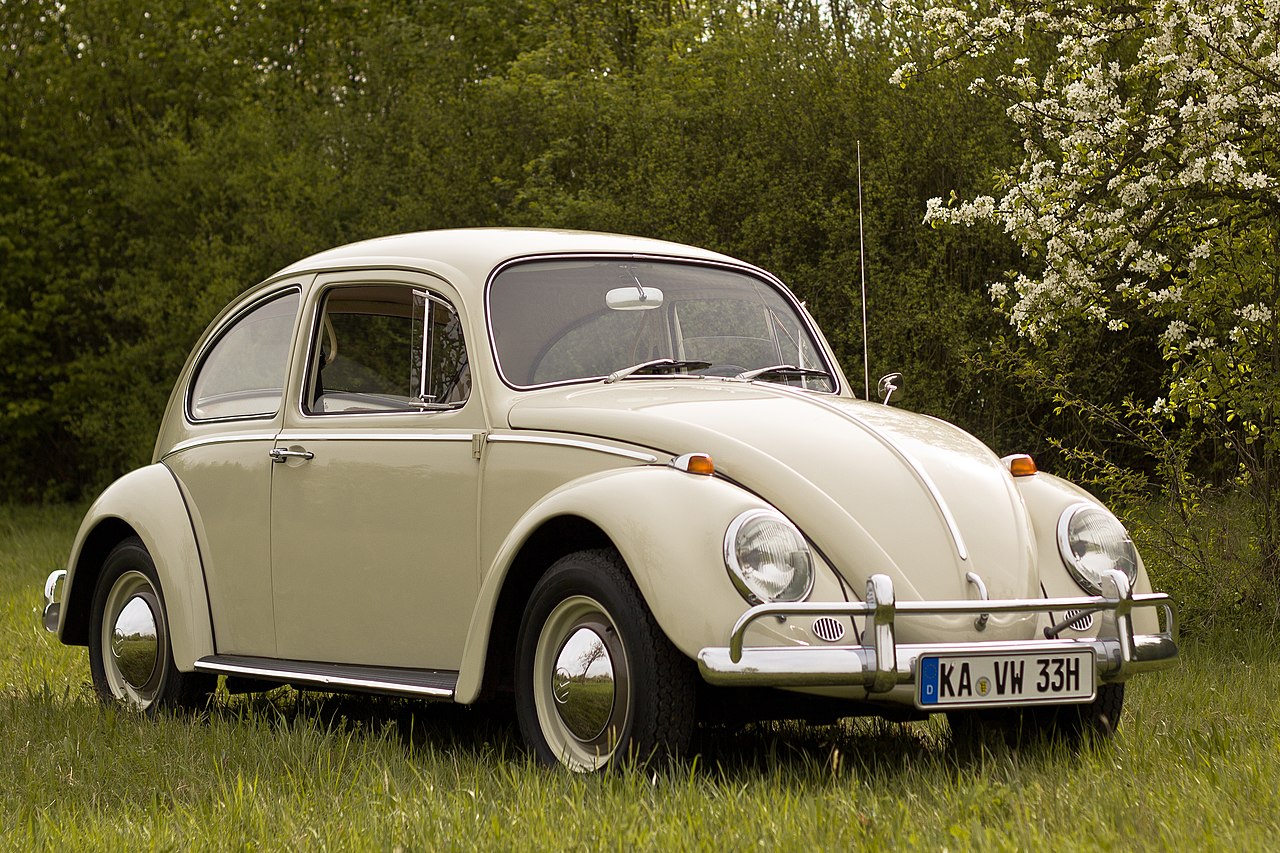
The early air-cooled Beetle charmed drivers with its friendly, rounded fenders and distinctive engine note. Rust was the Beetle’s arch-nemesis, especially floorpans and heater channels, so buyers learned to inspect those areas closely, plan for pan/channel repairs, and replace any corroded brake and fuel lines before committing
Volkswagen Type 2 Bus (T2)

The bay-window Bus earned legendary road-trip status, but the brakes still demanded respect, early Bays used drums up front, while later Bays used front discs with rear drums. According to Mid America Motorworks, heat-scored drums and glazed shoes meant frequent inspections and occasional machine-shop work to restore proper stopping power. DIYers often upgraded to disc-brake conversions and sourced heavy-duty drums to keep the good times rolling.
Volkswagen Golf GTI Mk4
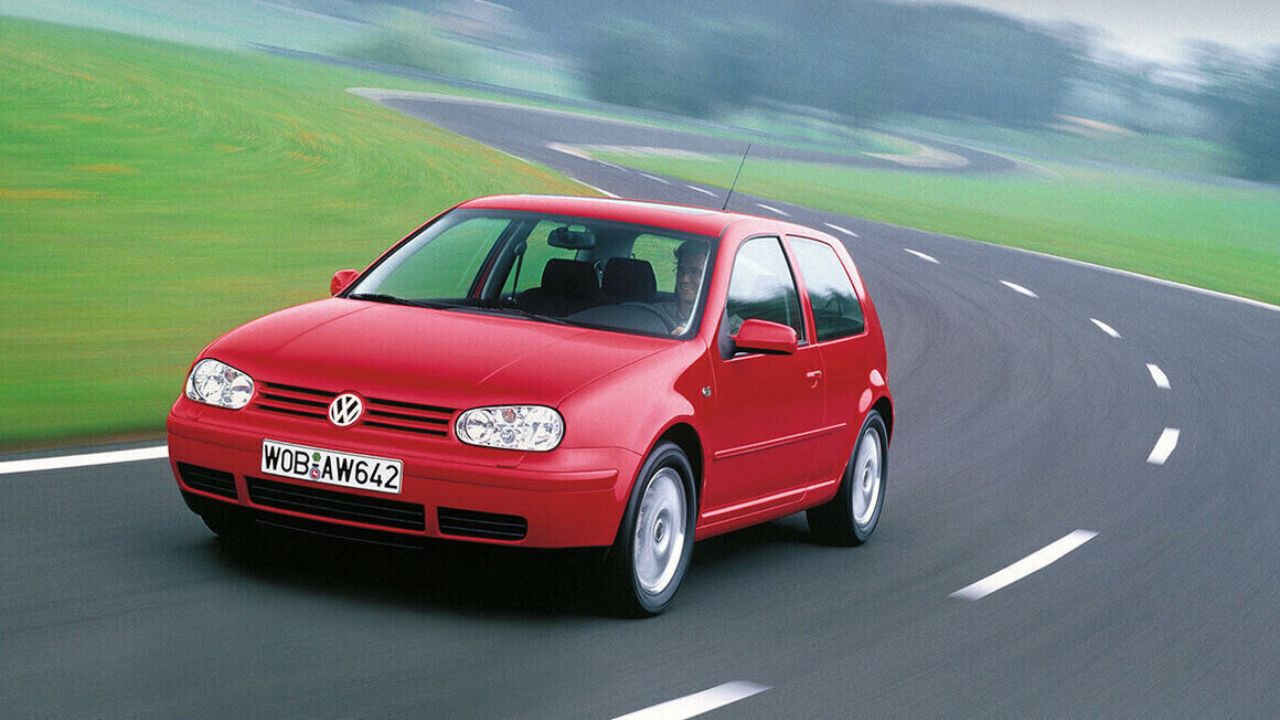
The Mk4 GTI’s 1.8T rewarded owners who stayed on top of oil service, but neglected maintenance could lead to sludge and pickup-screen clogging. The best-documented U.S. sludge issue, and the one tied to warranties/settlement coverage, centered on the 1998–2004 Passat 1.8T and the 1997–2004 Audi A4 1.8T, not “Mk4 GTIs” specifically; fixes typically involve dropping the oil pan and cleaning the pickup, not walnut blasting (which applies to direct-injection intake carbon).
Volkswagen Passat B6 (2006–2010)
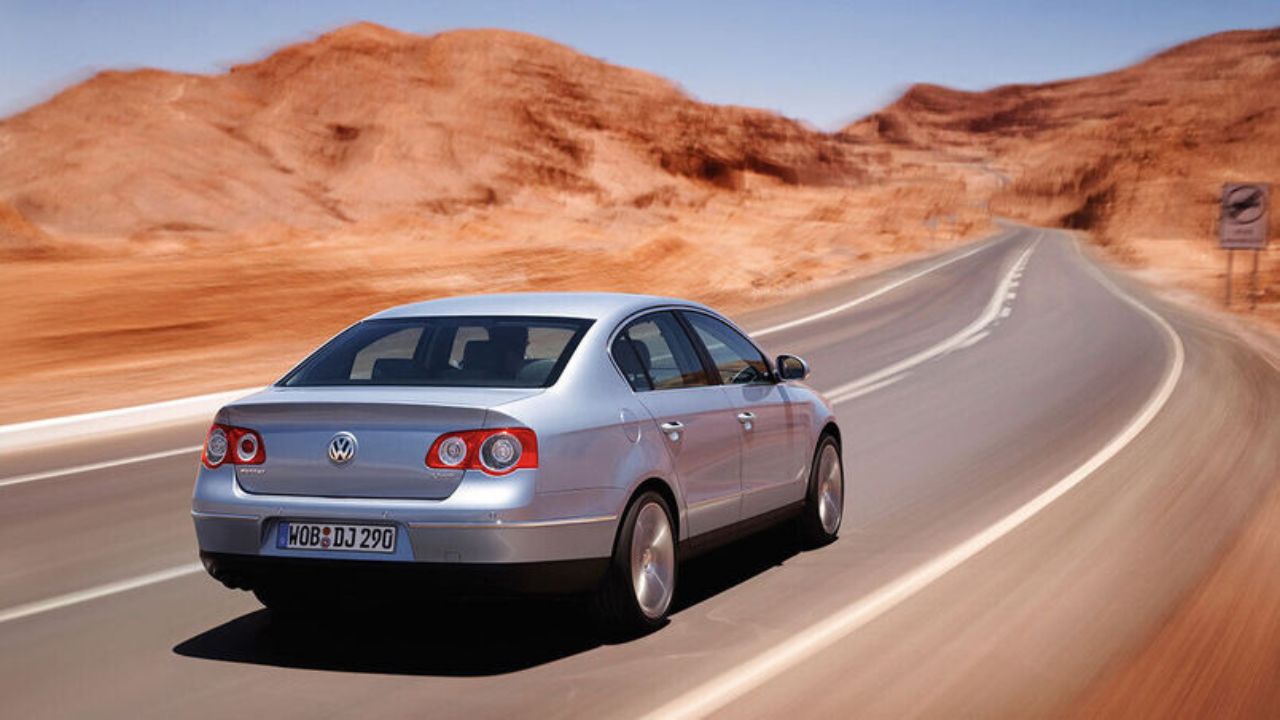
VW’s mid-2000s Passat combined Euro styling with mainstream pricing, but oil leaks could be an ownership headache on the 2.0T FSI, owners commonly report leaks traced to components like the brake vacuum pump and nearby sealing surfaces, so a careful leak inspection matters before purchase.
Electrical gremlins also plagued some models, with dash warning lights, power window failures, and erratic ECU codes prompting many owners to run full wiring-harness scans before purchase.
Volkswagen Jetta Mk6 (2011–2018) 2.0T
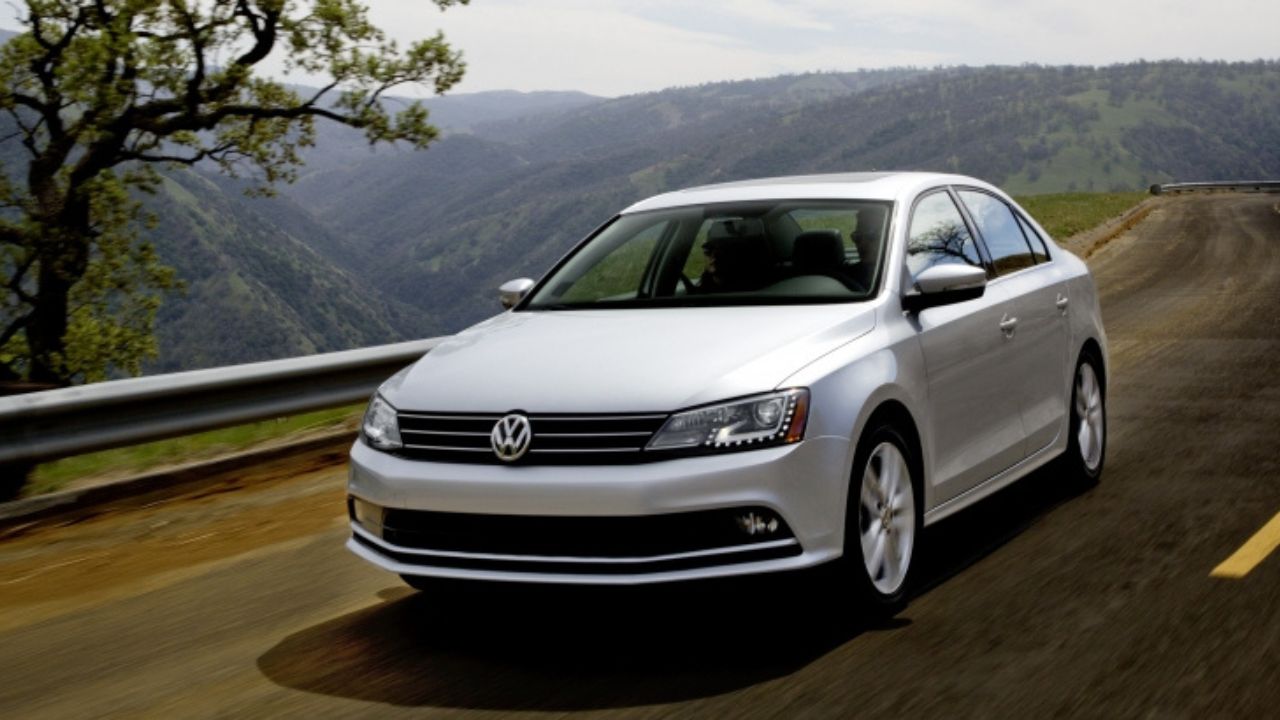
The sixth-generation Jetta’s budget turbocharged engine suffered from excessive oil consumption on the 2.0T powerplant, according to VW Vortex. Drivers routinely added up to a quart of oil between services and occasionally faced turbocharger seal failures that led to smoke on start-up. The lesson here is clear: check the dipstick monthly and factor in an oil top-off budget.
Volkswagen Tiguan (1st Generation)

As VW’s first compact crossover, the Tiguan blended Golf agility with SUV space. In the U.S., first-gen Tiguans used a 6-speed automatic Tiptronic, while other markets offered DSG on some versions; buyers should focus on shift quality and verify proper fluid service for whichever transmission the vehicle actually has.
Coolant leaks from weak water pumps can compound ownership costs, teaching Tiguan drivers to schedule DSG fluid changes every 40,000 miles and to stay ahead of cooling-system maintenance, since water pump / thermostat-housing leaks are a common VW/Audi 1.8/2.0T headache.
Volkswagen Touareg (1st Generation)

The Touareg landed as a luxury off-roader thanks to its air suspension, but sagging bags and failed high-pressure pumps turned driveways into waiting rooms full of tow trucks.
Touareg air suspension (although it was optional) can be expensive as it ages: common failure modes include leaking air springs/lines and compressor issues, so buyers should check for sagging, frequent compressor running, and stored suspension faults. Owners learned to weigh air-ride premiums against long-term reliability and to budget for suspension rebuilds.
Lessons on the Road

True love isn’t blind; it comes with an owner’s manual full of footnotes, recalls, and occasional heartbreak. From Beetles that taught us to fight rust with undercoating to Touaregs that reminded us that comfort has its cost, these VW icons proved that character often hides a curveball.
If you’re planning to add another VW to the garage, arm yourself with pre-purchase inspections, preventive-maintenance budgets, and a community forum on speed dial. When a VW steals your heart, the real reward is learning how to keep that love humming mile after memorable mile.