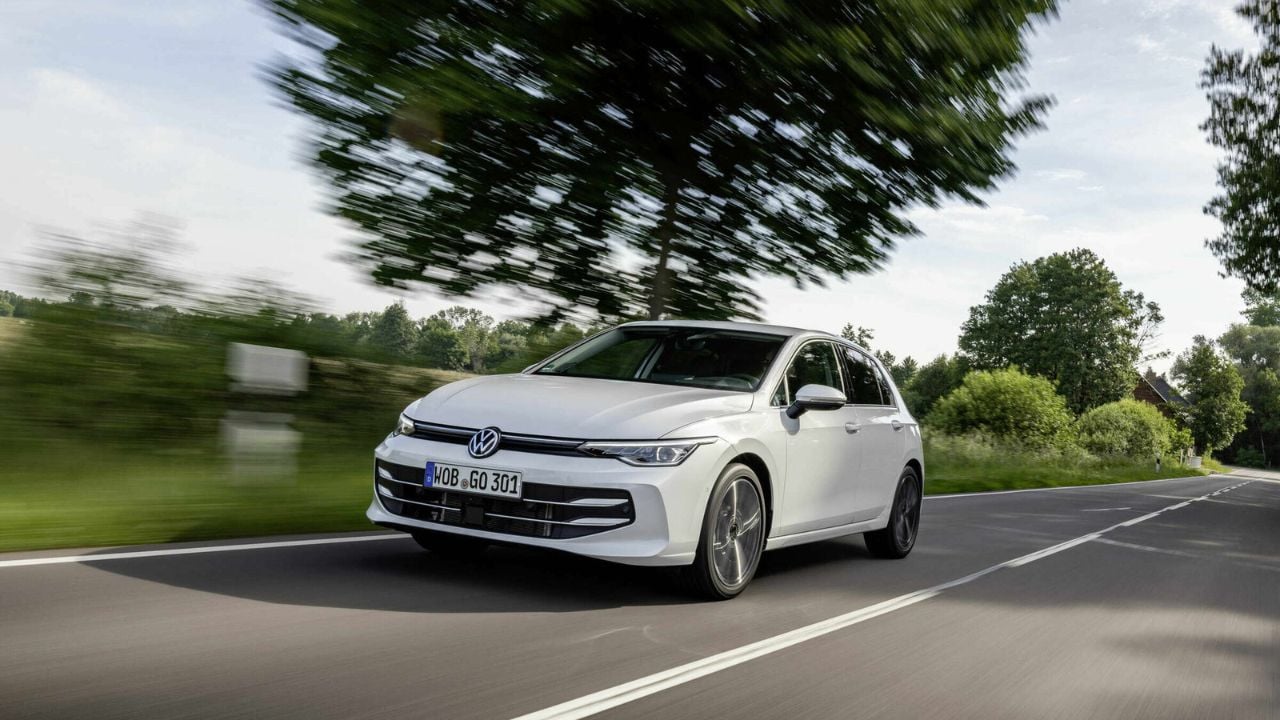
Volkswagen employees who are entitled to a company car will have to adjust to major new usage rules starting in June.
The changes are being introduced because of rising pressure to cut costs, the behavior of some users who have taken advantage of gray areas, and a broader push to encourage electric mobility.
The details come from internal management information within the Volkswagen Group, reviewed by Elektroauto-News.
The company says the new rules are intended to address rising maintenance and fuel costs, while also defining business use more clearly and preventing behavior that falls outside company policy.
Why Volkswagen Is Changing the Policy
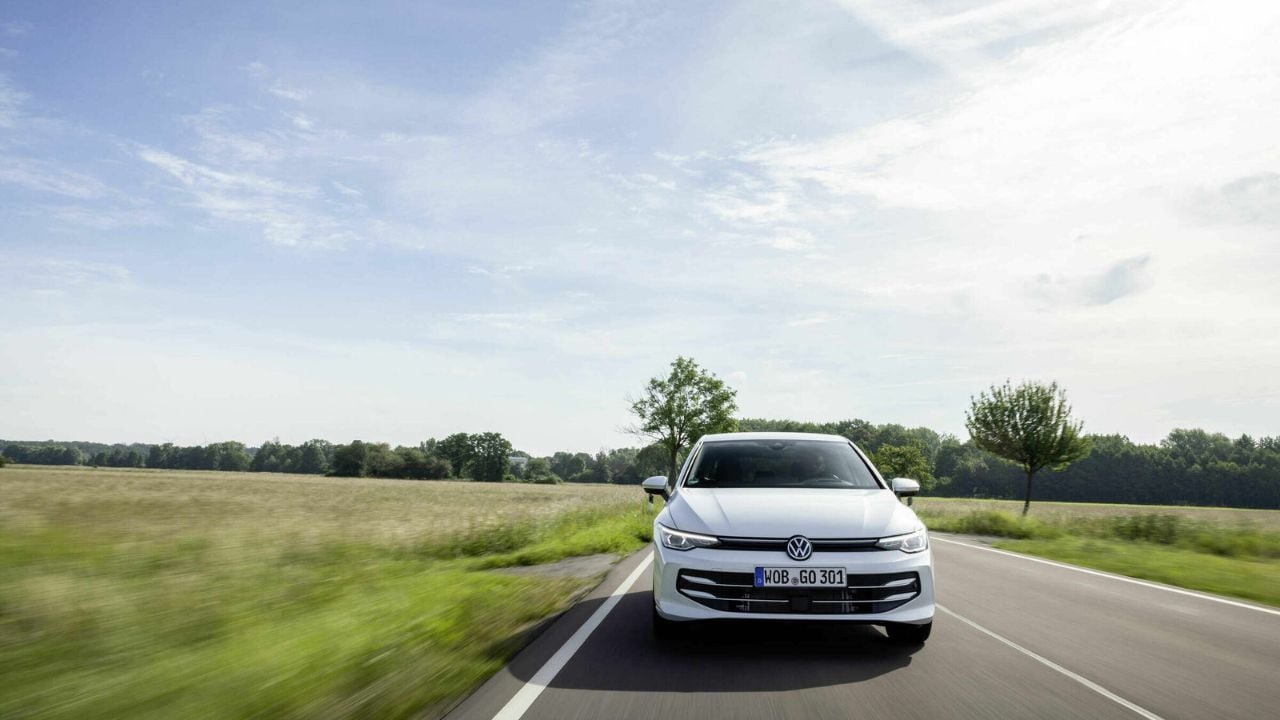
According to the internal document, Volkswagen has recently identified several problem areas involving company car use. One issue is that some vehicles have been passed on to other people for private trips, including vacations, or have been used permanently by other authorized drivers.
In some cases, those drivers have also used the Charge&Fuel card. Volkswagen also noted increased use of premium fuels, including Super Plus gasoline and premium diesel, even where cheaper approved fuels would have been sufficient.
The company also pointed to frequent and expensive vehicle washing. That includes a high number of washes, premium wash programs, and the use of bonus cards or multi-wash cards, such as cards for 10 washes.
The New Limits for Company Car Use
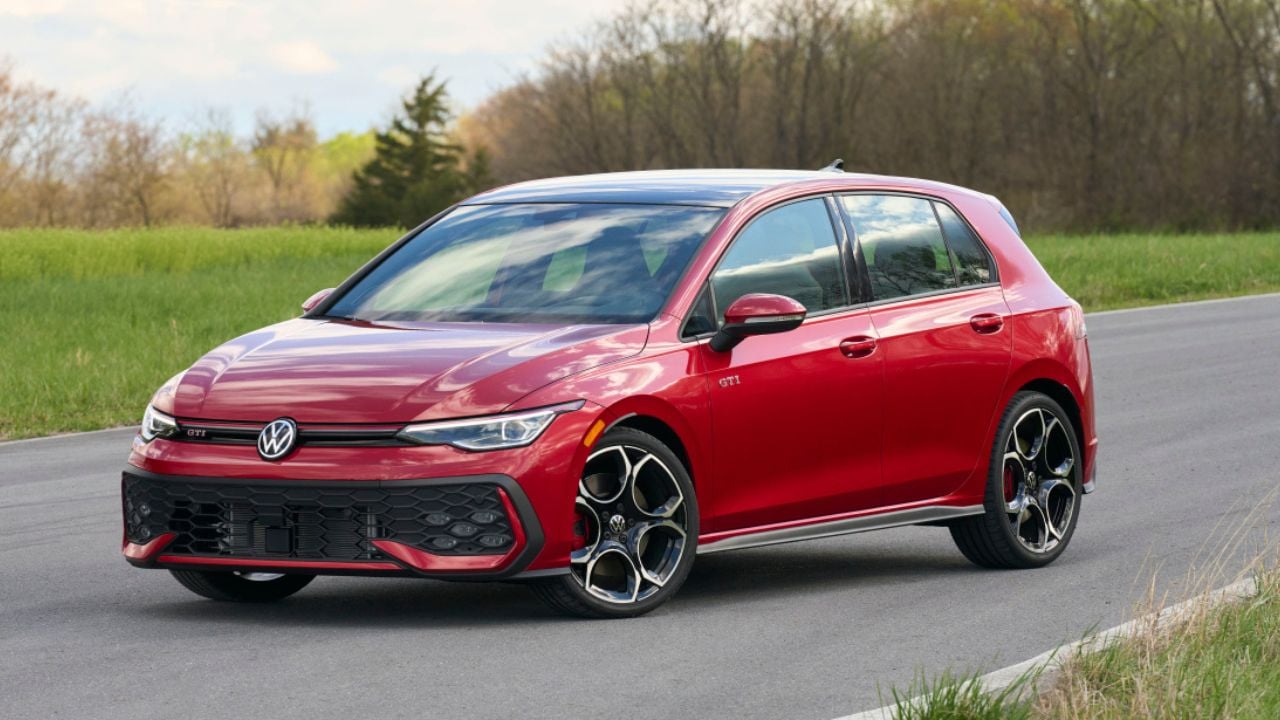
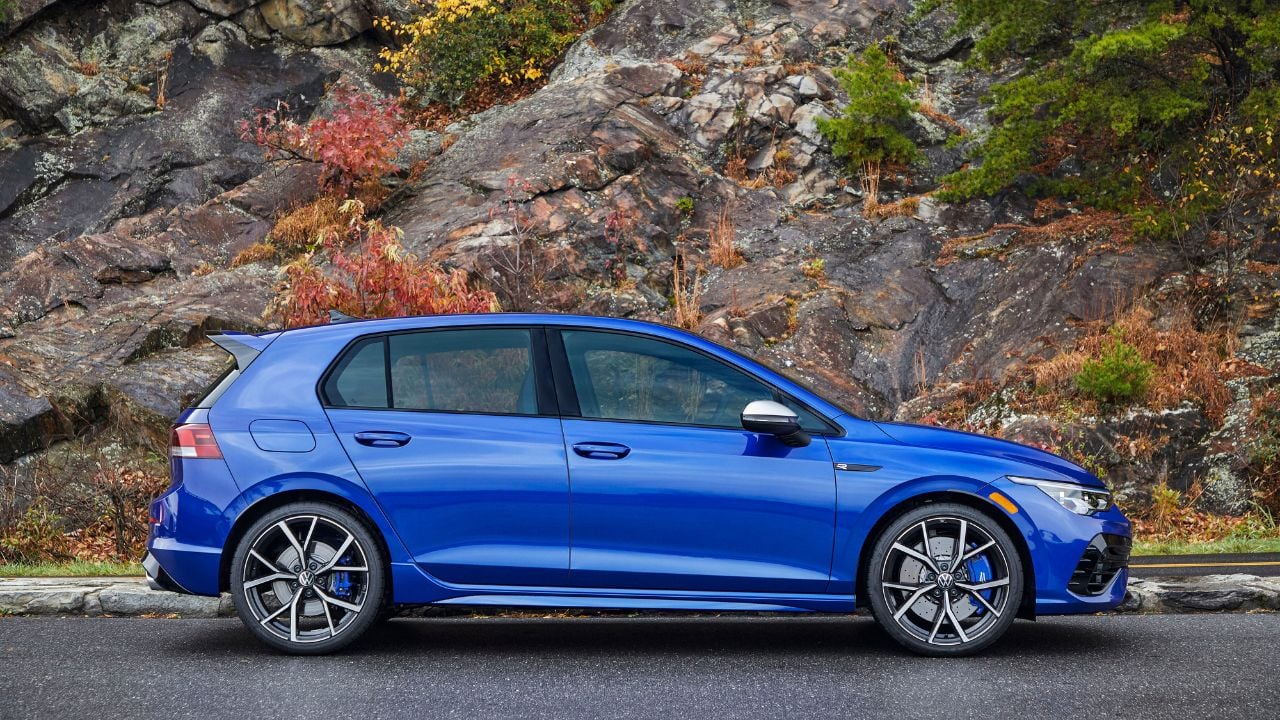
Volkswagen is now preparing a package of corrective and restrictive measures. One rule applies specifically to GTI, GTX, and R models. Anyone younger than 23 will be allowed to use those vehicles only when the authorized company car user is present.
Vehicle maintenance will also be limited more strictly. Employees will be allowed a maximum of four exterior washes per month, while premium washes costing more than about $18 will no longer be permitted. Bonus cards and multi-wash cards will also be banned.
Fueling rules are changing as well. Employees will be allowed to use only the cheaper fuel grades listed on the fuel filler flap, such as Super E10 gasoline or standard diesel. Premium fuels will no longer be allowed.
Charge & Fuel Cards Will Be More Closely Controlled

The Charge & Fuel card will be tied to a specific person and cannot be handed over to others. Volkswagen’s internal document makes clear that this is meant to stop company car benefits from being shared beyond the intended user.
The company car itself is also being redefined more firmly as a vehicle primarily intended for the authorized employee. Other people may still use it privately, but permanent use by another person will no longer be allowed.
Volkswagen management is also leaving the door open for further restrictions. The internal note says user behavior and existing flat rate allowances will be reviewed regularly. If fuel costs continue to rise and overall cost pressure increases, the company says it reserves the right to make additional changes.
Internal Fueling at Factory Pumps Is Being Phased Out
Volkswagen has already removed one long-standing internal benefit. As part of its efficiency measures, the company has decided that company cars will no longer be allowed to refuel at internal factory gas stations.
The goal is openly described as reducing costs for Volkswagen AG. According to the document, internal factory pumps will either be shut down or used only for internal plant traffic in the future.
The external factory pump in Braunschweig, operated by JET, will also be closed for internal company car fueling. In addition, the fuel function on factory identification cards will be deactivated.
Cost Control and Electric Mobility Are Both Part of the Plan

Volkswagen says the package of measures is mainly aimed at controlling costs. At the same time, the company is also using the policy change to encourage a longer-term shift toward an electrified company car fleet.
That makes the message especially clear for employees who still drive company cars with combustion engines. Free internal fueling, as it existed before, is ending.
From now on, fuel costs will be covered only through Charge&Fuel, using the same basic principle already applied to charging electric vehicles. For Volkswagen, the new rules are part cost discipline and part signal that the company wants its own fleet behavior to move closer to its wider electric strategy.
This article originally appeared on Autorepublika.com and has been republished with permission by Guessing Headlights. AI-assisted translation was used, followed by human editing and review.