Renault CEO François Provost has made the company’s direction clear. In a conversation with reporters, he emphasized that Renault remains firmly committed to electric mobility and believes changing course now would be the wrong move.
That includes any softening of the planned phaseout of internal combustion engines by 2035. Instead of reopening that debate, Provost is calling on the European Union to introduce a 10-year pause on new automotive regulations.
“We believe electric cars are good for customers, not only for decarbonization,” Provost said. According to him, Renault remains committed to electrification out of deep conviction. “I do not think changing direction is a good idea,” he added, referring to discussions about a possible relaxation of post-2035 CO₂ rules by the European Commission.
Renault Wants Lower Barriers, Not A Slower EV Transition

The head of the French automaker believes the right answer is to reduce the obstacles slowing the shift to electric vehicles, rather than defend combustion engines for longer.
Provost said the auto industry is facing more than 100 new regulations by 2030. He warned that many of those rules add costs without delivering a clear benefit for customers or the climate.
“If we kept the existing regulations and introduced a 10-year pause without new rules, all our engineers could focus on reducing costs and, therefore, prices for customers, making cars more affordable,” he explained.
His argument is simple. Renault is not asking Brussels to abandon the EV transition. It is asking regulators to give automakers space to make electric cars cheaper, easier to produce, and more attractive to mainstream buyers.
A Different Approach To Foreign Automakers

The provost also has a proposal for the European market. He does not support fully closing the market, but he believes the EU should take inspiration from the approach China used 20 years ago.
At that time, China pushed Western automakers into joint ventures and set clear conditions for market access. “Now I think the EU should do the same,” he said.
Instead of following the U.S. approach of effectively closing the door through high tariffs, Provost believes Europe should remain open to foreign automakers, but only under clear conditions. Those companies should invest locally, localize production, and bring technology into the region.
That approach would allow Europe to benefit from outside competition while also protecting its own industrial base. For Renault and other European automakers, the issue is not simply whether foreign brands should enter the market. The bigger question is what Europe receives in return.
Renault Says Its EV Business Is Improving
Provost also said Renault is well prepared for geopolitical instability and economic pressure because of its flexible strategy. Tensions in the Middle East, for example, have been manageable so far.
Although higher oil prices and rising costs for raw materials such as aluminum and copper have increased expenses, Renault has not yet seen an impact on demand. Supply chains are also continuing to operate without disruption.
“With every new electric model we bring to market, we make more profit than with the previous one,” Provost said.
He admitted, however, that fully electric cars remain less profitable than hybrids. Even so, Renault is already starting to make money in the EV segment, which is an important step for a company trying to prove that affordable electric cars can still support a sustainable business model.
Smaller EVs Could Become Renault’s Advantage

Renault’s EV profitability is improving as costs continue to fall. The company sees especially strong progress in future mass market models.
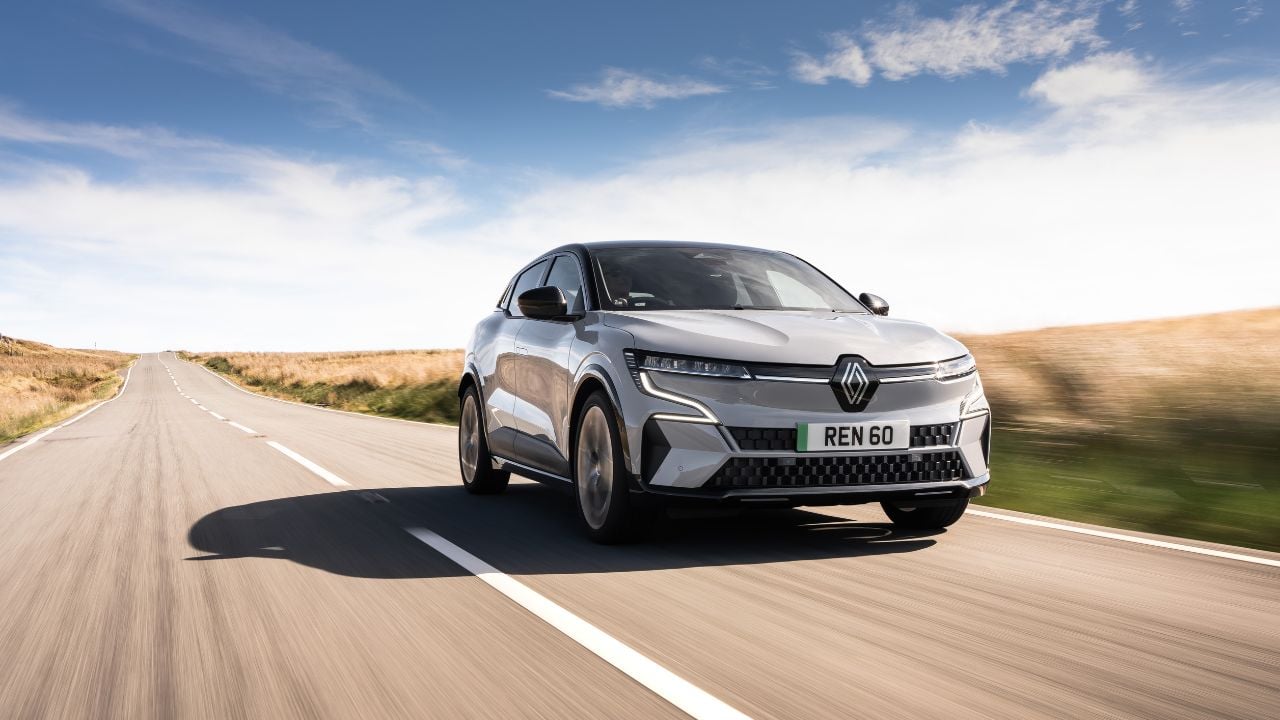
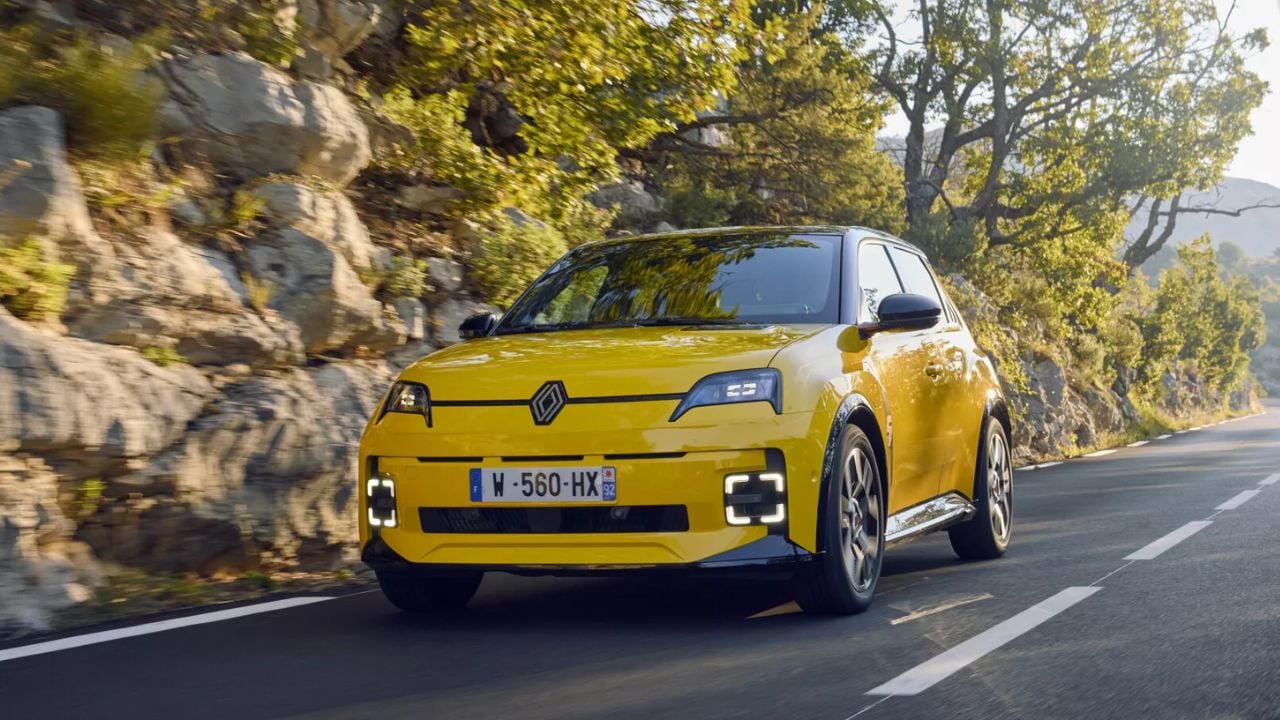
Smaller vehicles such as the Renault 5 and Twingo are expected to generate better profits than C-segment models such as the Megane E-Tech and Scenic E-Tech. That is especially important in Europe, where smaller cars remain central to the market and affordability is becoming a major concern.
Models such as the Renault 4, Renault 5, and Twingo are expected to combine stronger margins for the manufacturer with more accessible pricing for buyers.
For Renault, that balance is becoming the heart of its EV strategy. The company still believes the electric transition is the right path, but it wants fewer new regulatory burdens so engineers can focus on what buyers actually need most: lower prices, useful range, and electric cars that feel realistic for everyday ownership.
This article originally appeared on Autorepublika.com and has been republished with permission by Guessing Headlights. AI-assisted translation was used, followed by human editing and review.