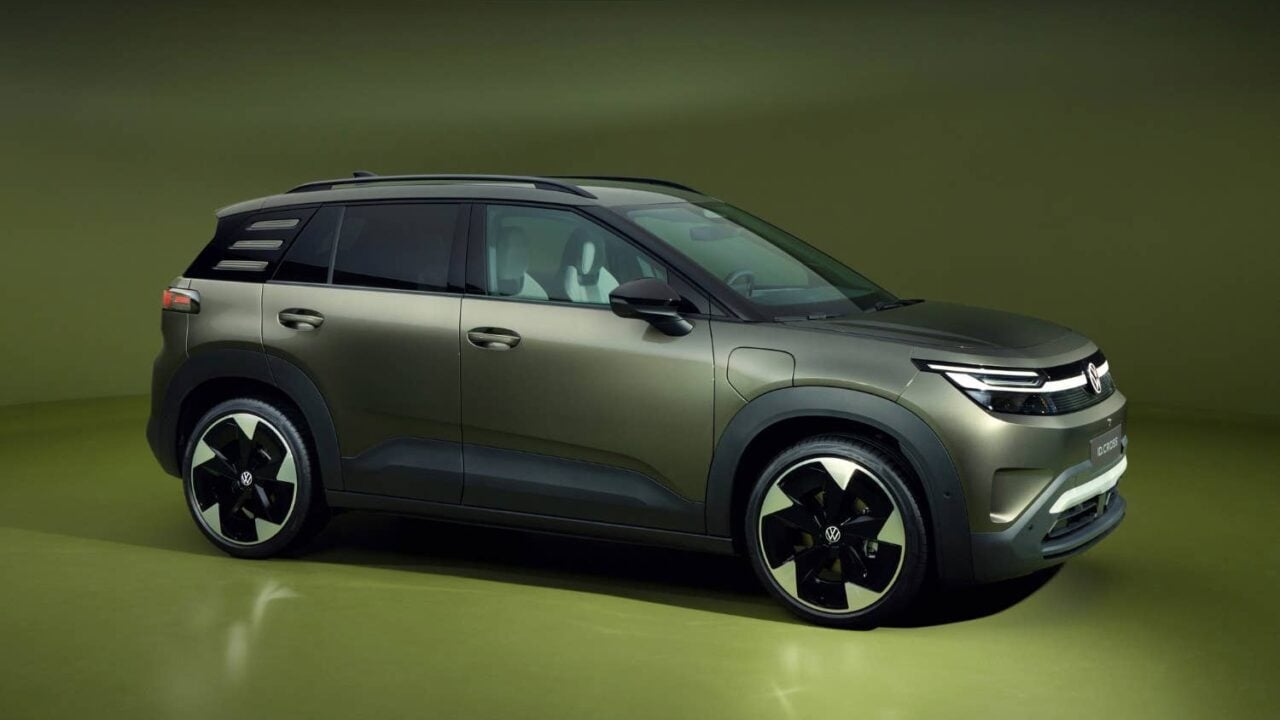
Volkswagen has plenty riding on its latest small electric crossover—the new ID. Cross arrives at a difficult moment for the German automaker, and its importance extends far beyond adding another EV to the company’s expanding lineup.
Volkswagen has been navigating weaker sales, pressure on profits, and significant workforce reductions while facing increasingly aggressive competition in the electric vehicle market. Chinese automakers, in particular, have raised expectations for how much range, technology, and equipment buyers should receive for their money.
The ID. Cross is Volkswagen’s attempt to answer that challenge with a relatively affordable electric crossover designed for mainstream buyers. It will not be sold in the United States, but the model is expected to play an important role in other major markets, including Europe.
Its mission sounds simple enough: offer useful range, familiar controls, practical dimensions, and competitive pricing in one approachable package. Achieving that while remaining profitable is where the real challenge begins.
Small Dimensions With Everyday Practicality
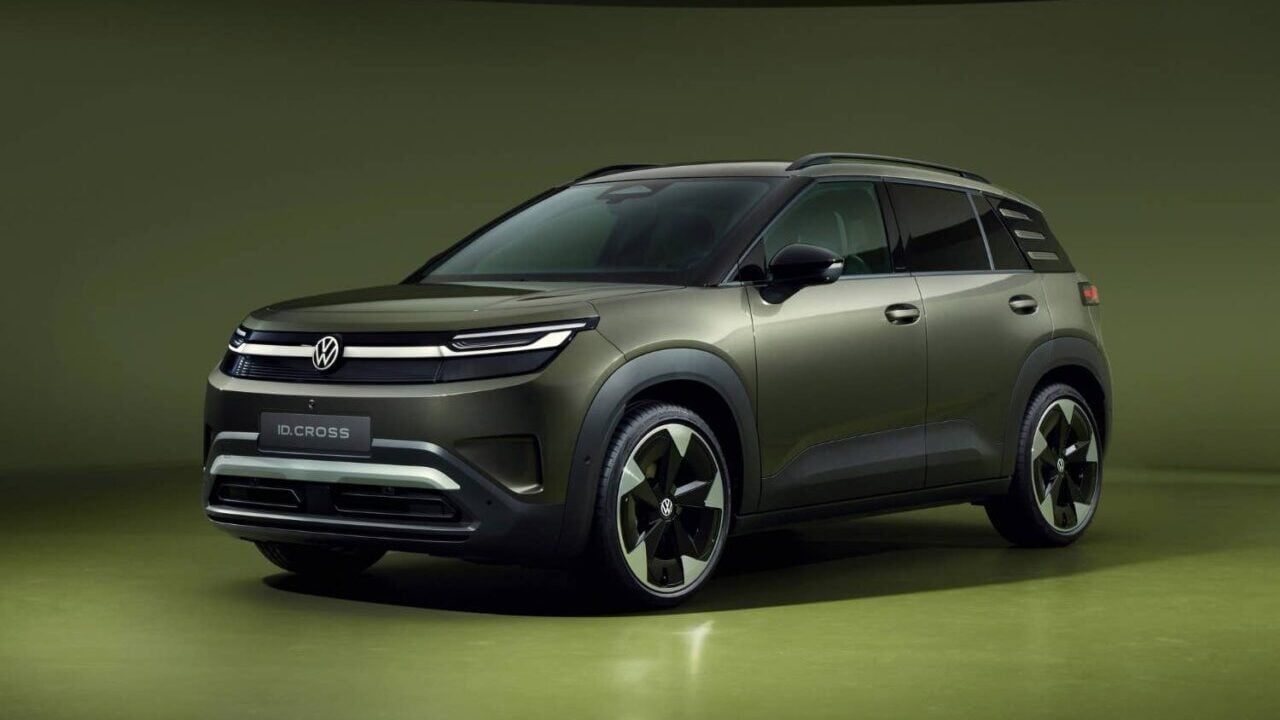
The ID. Cross is firmly in subcompact crossover territory, measuring 163.5 inches long, 70.6 inches wide, and 62.2 inches tall, with a 102.4-inch wheelbase. Despite those relatively compact dimensions, Volkswagen claims nearly 17 cubic feet of cargo capacity using the VDA measurement standard.
Buyers can choose between batteries offering 37 kWh and 52 kWh of usable capacity. The larger battery delivers a claimed maximum driving range of up to 265 miles, although real-world figures will naturally depend on driving conditions and the applicable testing cycle.
DC fast charging comes standard, with the smaller battery supporting charging speeds of up to 90 kW. Volkswagen says it can charge from 10 to 80 percent in approximately 23 minutes, while the 52-kWh version supports up to 105 kW and requires around 24 minutes for the same charge.
Three Power Outputs And A Simpler Interior
Volkswagen will offer the ID. Cross with three electric motor outputs, starting at 114 horsepower and stepping up to 133 hp. The most powerful version produces 208 hp, giving buyers an option with considerably more performance than the entry-level models.
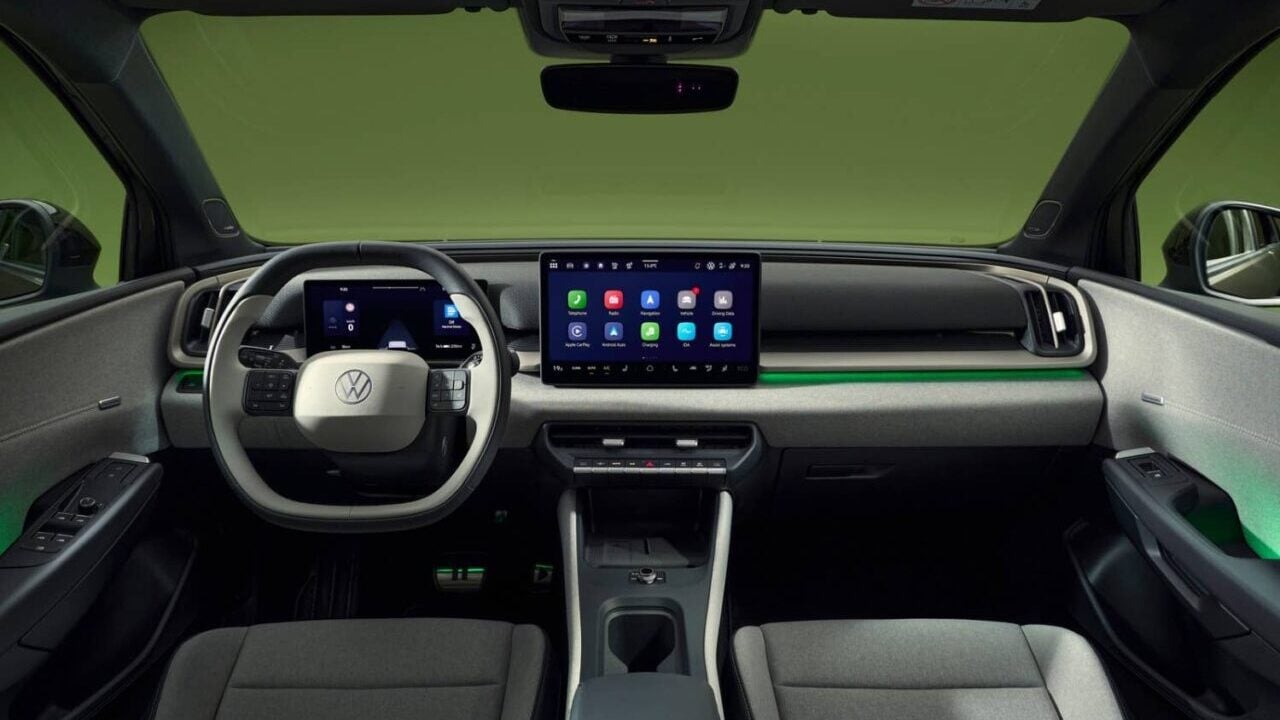
Inside, Volkswagen appears to be continuing its retreat from the heavily touch-sensitive interfaces that defined some earlier ID models. The ID. Cross features physical buttons and rotary controls for key functions, creating a cabin layout that should feel immediately familiar to drivers coming from conventional Volkswagen models.
The Digital Cockpit Pro instrument display also includes different visual themes, including a retro-inspired layout referencing the original Golf. Other available technology includes Connected Travel Assist with traffic-light recognition, while one-pedal driving, vehicle-to-load capability, and a range of driver-assistance systems are also part of the package.
Volkswagen Is Trying To Keep Pricing Competitive
Three trim levels are planned for Germany: Trend, Life, and Style. Moving through the lineup adds equipment including dual-zone climate control, adaptive cruise control, IQ.LIGHT LED matrix headlights, heated seats, and a heated steering wheel.
German pricing starts at €27,995 for the entry-level ID. Cross, placing it in a potentially important position as Volkswagen attempts to make its electric lineup accessible to a wider audience. Versions equipped with the 208-hp motor start at €36,525, pushing the small crossover into a considerably higher price bracket.
Pricing will be particularly important as Volkswagen competes against Chinese manufacturers that have aggressively targeted Europe’s affordable EV segments. The ID. Cross does not necessarily need class-leading specifications everywhere, but it does need to deliver enough value to convince buyers that Volkswagen remains a compelling choice.
This Small EV Has A Big Job Ahead
The ID. Cross arrives with responsibilities that few subcompact crossovers normally carry. Volkswagen needs it to generate meaningful sales, contribute to profitability, and demonstrate that the company’s next generation of electric vehicles has learned from the shortcomings of its earlier efforts.
Its combination of reasonable range, straightforward interior controls, practical packaging, and relatively accessible pricing gives it a promising foundation. The real question is whether those qualities will be enough in an EV market where competition is becoming tougher almost by the month.
Volkswagen cannot expect one small crossover to solve every challenge facing the company, but successful mainstream models can help change momentum. Alongside vehicles such as the ID. Polo, the ID. Cross represents an important test of whether Volkswagen can translate its traditional strength in affordable, approachable cars into the electric era.