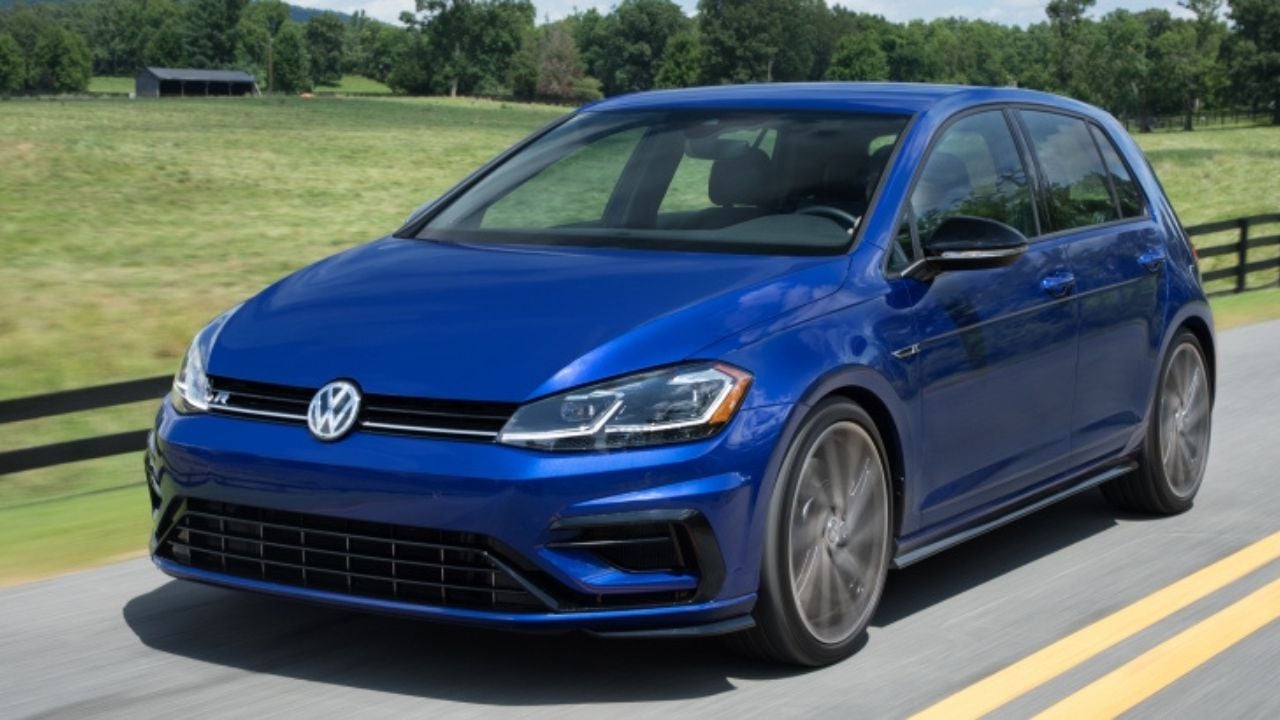
Volkswagen is reportedly preparing one of the largest restructuring plans in automotive history as the company battles declining sales, rising costs, and intensifying competition from Chinese automakers. According to Reuters, the proposed overhaul could eliminate up to 100,000 jobs while closing four manufacturing facilities in Germany.
The plans have not been officially approved, but Reuters reports that Volkswagen’s supervisory board has already been briefed on the proposal. A formal discussion is expected during a board meeting scheduled for July 9.
If implemented, the restructuring would go well beyond the cost-cutting measures Volkswagen announced previously. The company is already working toward approximately 50,000 workforce reductions, meaning the new proposal would effectively double that figure.
Volkswagen has not confirmed the reported details, although the automaker acknowledged that significant changes are needed across the group to remain competitive in today’s rapidly changing automotive market.
Four German Plants Could Be Shut Down
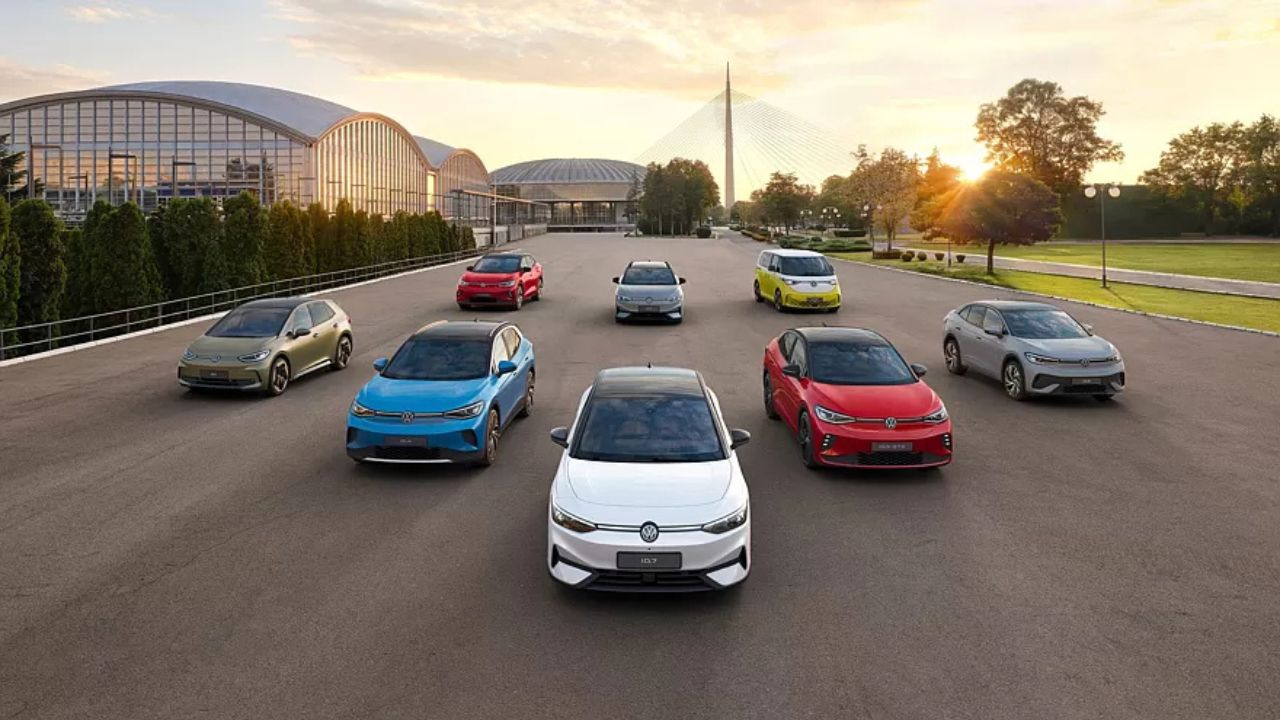
According to Reuters, Volkswagen is considering closing factories in Hanover, Zwickau, Emden, and Audi’s Neckarsulm plant. More than 45,000 jobs are tied directly to those facilities.
Combined with previously announced workforce reductions, total job losses could reach around 100,000 employees. Such a move would represent the largest restructuring effort ever undertaken by a global automaker in terms of workforce reductions.
Reuters also reported that Volkswagen may reduce planned investment spending by roughly 15% over the next five years. The company is also said to be evaluating broader organizational changes involving its core Volkswagen brand and parts business.
Chinese Competition Is Increasing The Pressure
Volkswagen’s challenges extend well beyond Europe. The company has struggled to maintain its once-dominant position in China as local manufacturers continue gaining market share.
After leading China’s automotive market for many years, Volkswagen was overtaken by BYD in 2024 before slipping to third place in 2025. Domestic Chinese automakers have continued attracting buyers with competitive pricing, advanced software, and increasingly capable electric vehicles.
The pressure is no longer limited to China. Brands including BYD, Chery, SAIC, and Leapmotor have rapidly expanded across Europe, doubling their combined market share during the first five months of the year compared with the same period in 2025.
Labor Unions Are Preparing To Fight Back

Any restructuring proposal is expected to face significant opposition inside Germany. Volkswagen’s powerful works council and the IG Metall labor union have already pledged to resist any attempt to close factories or eliminate additional jobs.
The state of Lower Saxony, which remains Volkswagen’s second-largest shareholder, has also indicated it would oppose the reported plans. Germany’s unique corporate governance structure gives labor representatives and regional government officials substantial influence over major company decisions.
Volkswagen CEO Oliver Blume previously attempted to pursue factory closures during 2024, although those efforts were ultimately scaled back following strong resistance from unions and employees.
Volkswagen Faces Difficult Decisions Ahead
The company argues that weak demand in Europe, increasing tariff pressures, and slowing sales have made its current business model increasingly difficult to sustain. Analysts also point to years of delayed restructuring as contributing to Volkswagen’s current challenges.
Some investors believe reducing costs alone will not solve the automaker’s problems. Instead, they argue Volkswagen must focus on developing products that better compete with the growing number of affordable and technologically advanced vehicles arriving from China.
For now, the reported restructuring remains under discussion rather than finalized. Even so, the scale of the proposal highlights just how dramatically the global automotive landscape has shifted as traditional manufacturers race to adapt to an increasingly competitive electric vehicle market.