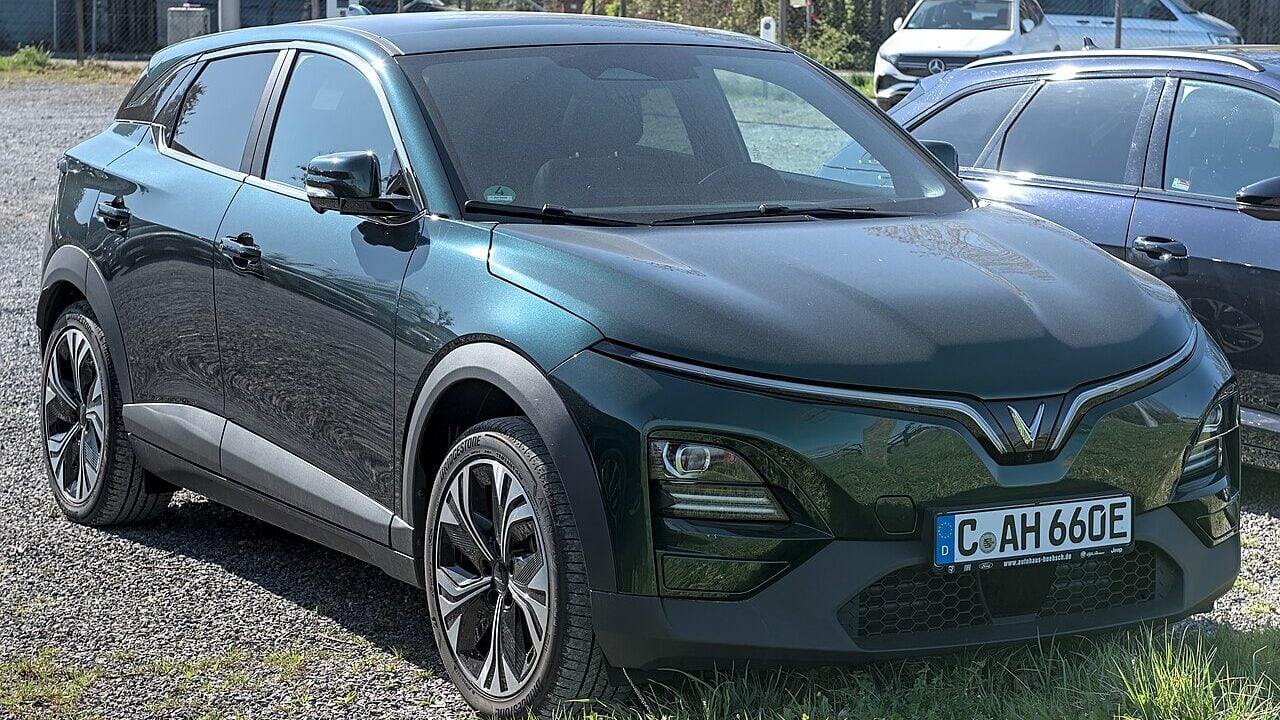

The Elon Musk of Vietnam, Pham Nhat Vuong, just locked VinFast, the country’s leading EV brand into an all-electric future with zero chance of going back to gasoline cars, while teasing “forget to charge” solutions that hint at a new kind of safety net for EV drivers. He made this known during Vingroup’s April 2026 annual meeting.
Like Musk, Vượng is Vietnam’s richest man, founder and chairman of Vingroup, and the CEO of VinFast, the country’s leading electric vehicle maker. As of April 2026, his net worth is estimated at over $33–35 billion, making him one of the top 100 wealthiest people globally.
Founded in 2017 as part of Vượng’s Vingroup. VinFast’s first products were gas-powered cars and scooters, developed with help from European partners like BMW and Pininfarina. The debut lineup in 2018 included the Lux A2.0 sedan and Lux SA2.0 SUV, both based on BMW platforms.
In 2020, VinFast began shifting toward electrification, announcing plans to phase out internal combustion engines. In 2021, it unveiled its first EV, the VF e34, a compact crossover designed for the Vietnamese market.
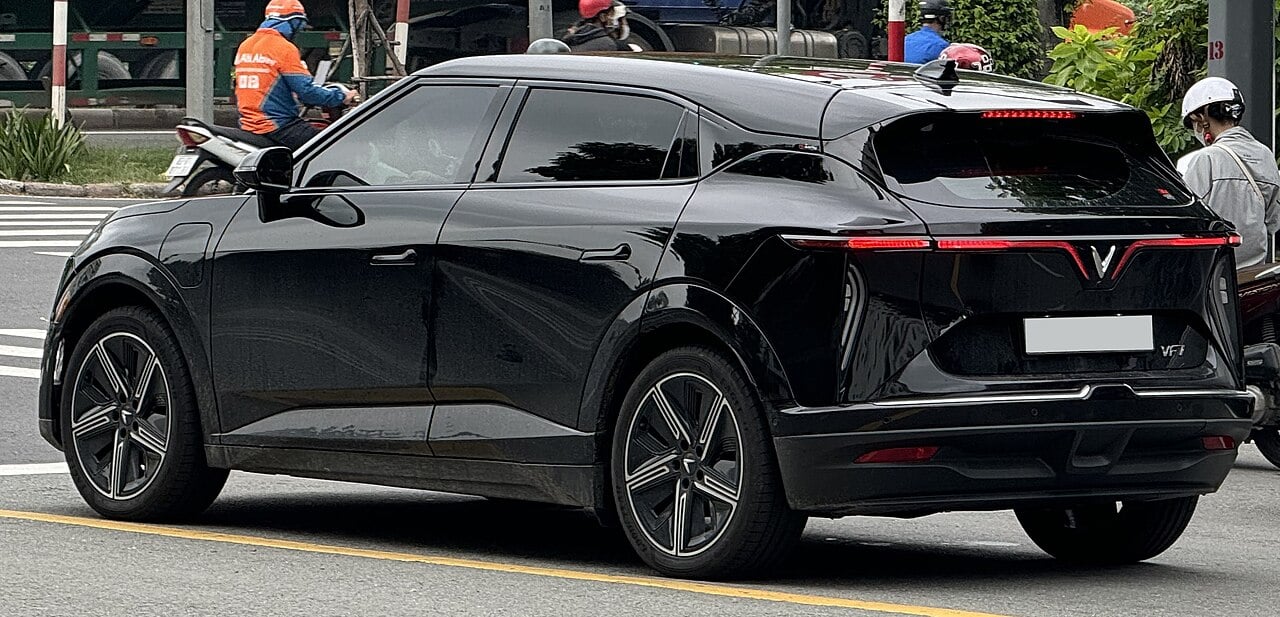
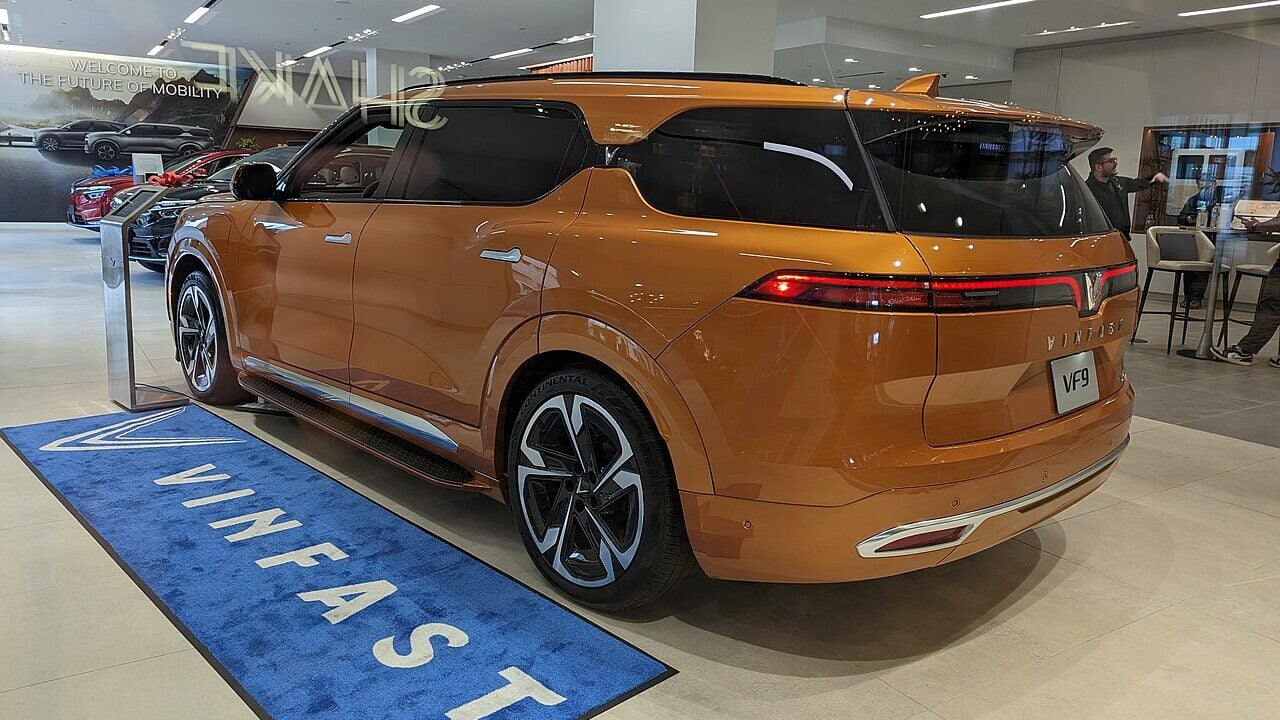
By 2022, VinFast declared it would become an EV-only manufacturer, stopping production of gasoline cars entirely. It launched the VF 8 and VF 9 SUVs for international markets, followed by smaller models like VF 5, VF 6, and VF 7.
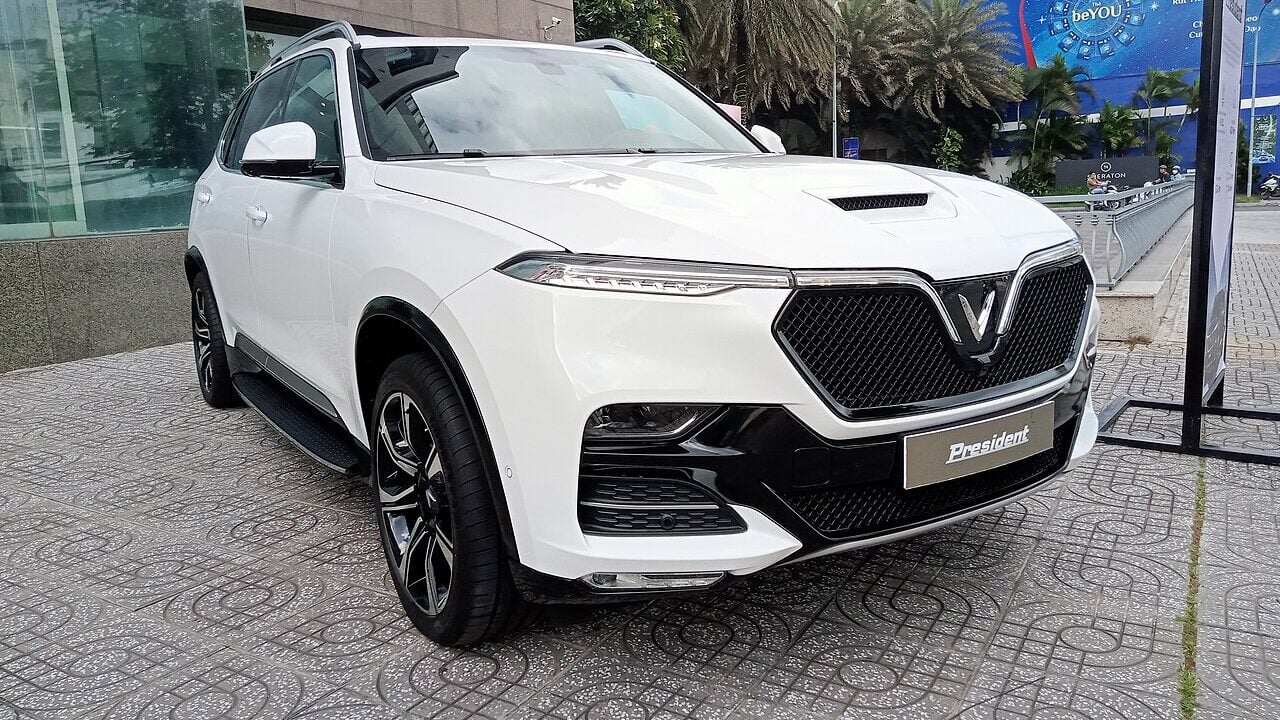
Today, VinFast’s lineup is 100% electric, spanning micro-SUVs (VF 3), compact SUVs (VF 5, VF 6, VF 7), larger SUVs (VF 8, VF 9), and specialty vehicles like the Limo Green.
The brand isn’t well-known globally compared to the likes of BYD or Geely because it is a much younger company, has limited production scale, and is still building credibility outside Vietnam. Its Asian counterparts in China have decades of manufacturing experience, massive supply chains, and strong international presence.
No Gas, No Hybrids, No Turning Back
VinFast’s hard pivot away from internal combustion is no longer a transition story.
It is a closed door.
Speaking to shareholders, Vuong made it plain that even hybrids are not part of the roadmap either, shutting down speculation that the company might hedge its bets as many global automakers have done.
Instead, VinFast is doubling down on a pure electric identity, even as it experiments with features designed to ease one of EV ownership’s most persistent anxieties.
That mention of a feature to help drivers who “forget to charge” is doing a lot of work. While details remain scarce, it signals a push toward integrated solutions such as range-extending services, smarter route planning, or even battery support ecosystems.
For drivers used to Tesla’s Supercharger network or emerging roadside charging services, the idea is familiar in spirit but still wide open in execution. VinFast appears to be betting that convenience, not just hardware, will decide the next phase of EV adoption.
Rapid Growth Despite Heavy Losses
The company’s confidence comes against a backdrop of rapid growth paired with heavy losses.
In 2025, VinFast generated VND90.43 trillion in revenue, roughly $3.4 billion, marking a 139 percent jump year over year. Yet it also posted a net loss of VND97 trillion.
That imbalance underscores a familiar EV industry reality where scale and market share are being chased aggressively, often at the expense of short-term profitability.
Domestically, the strategy is working.
VinFast captured 36 percent of Vietnam’s car market, giving it a commanding lead. Globally, the ambitions are even bigger. The company is targeting 300,000 EV deliveries in 2026, up from 197,000 the previous year.
It also plans to move between one and 1.5 million electric motorbikes, leaning into Southeast Asia’s massive two-wheel market while expanding into countries like Indonesia, the Philippines, and India.
Battery strategy is another area where VinFast is taking a flexible approach.
Rather than fully vertically integrating like some competitors, the company is spreading its bets across outsourcing, partnerships, and selective in-house production. Vuong framed this as a way to reduce the burden of massive capital investments in research and manufacturing infrastructure.
It is a notable contrast to the more vertically integrated playbooks seen at companies like Tesla or legacy automakers investing heavily in domestic battery plants.
Building an EV Ecosystem Beyond Cars
Beyond vehicles, Vuong is building an ecosystem that keeps VinFast products in constant use.
Green SM, his electric-only ride-hailing venture, has already surged to the top of Vietnam’s market. Launched in 2023, it surpassed regional giant Grab and local competitor Be to claim a 51.5 percent share of the four-wheel ride-hailing segment by late 2025, according to Mordor Intelligence.
Green SM is not stopping at rides, either.
It has expanded into food delivery, parcel services, urban transport, and car rentals, effectively turning VinFast vehicles into revenue-generating assets across multiple verticals.
Vuong also confirmed plans for an initial public offering, with pre-listing steps expected to begin soon. If successful, it could provide fresh capital to fuel both mobility services and vehicle production.
Vuong’s Ambitions Keep Getting Bigger
Financially, Vingroup is aiming high.
The conglomerate is targeting VND485 trillion in revenue for 2026, a nearly 46 percent increase, alongside a tripling of net profit to VND35 trillion. Those projections reflect confidence not just in VinFast, but in the broader ecosystem Vuong is assembling.
His personal fortune has surged alongside these ambitions. Vuong recently overtook Prajogo Pangestu to become Southeast Asia’s richest individual, with a net worth of $34.8 billion as tracked by Forbes.
VinFast is not flirting with electrification. It is all in, betting that scale, ecosystem control, and user-focused solutions will outweigh the risks of abandoning gasoline entirely. Whether that gamble pays off globally remains to be seen, but the company has made it clear there is no turning back.
Sources: VNExpress