When you’re shopping for a car, you’re probably thinking about horsepower, 0-60 times, and whether it’ll look good in your Instagram photos. However, here’s what you should really be worried about: will this thing still be running when you’re done paying for it? Or will it transform into a very expensive lawn ornament that occasionally makes concerning noises?
We’ve all seen them — those poor souls pushing their car off the highway while wearing a look of defeated resignation. Don’t be that person. Don’t be the one explaining to your date why you need to stop for coolant again, or the one whose check engine light has been on so long it’s practically part of the dashboard aesthetic.
After consulting with mechanics who’ve seen more automotive disasters than a demolition derby referee, diving deep into reliability reports that read like horror novels, and listening to enough owner complaints to fill a therapy session, we’ve compiled this definitive list of automotive regret. These are the cars that allow mechanics to buy new boats, and will have perfectly rational people start talking to their vehicles in increasingly hostile tones.
How We Compiled This Automotive Hall of Shame
Unfortunately, every one of us has dealt with mechanical issues and long wait times at the shop. That gives us some (miserable) insight into this topic. We’ve all heard the wives’ tales — which cars are expensive to fix, how often certain brands break down, yada yada. We checked Consumer Reports, customer reviews, and mechanics’ forums to get the real results. Without any biases, which cars are truly a disaster waiting to happen?
We focused on cars with consistent patterns of expensive failures — the kind that make you question every life decision that led you to that particular dealership on that particular Tuesday when you thought you were getting a good deal. We’re talking about vehicles that don’t just break down; they break down with almost artistic commitment to timing their failures for maximum inconvenience.
These aren’t isolated incidents or the automotive equivalent of lightning strikes. These are cars that have turned mechanical failure into a reliable art form, proving that some manufacturers have mastered the delicate balance of making something that runs just long enough to get past the warranty period.
Chrysler 200

Let’s start with the Chrysler 200, a car that sounds like it should be reasonable but performs like it was designed by someone who’d never actually seen a functioning automobile. The star of this mechanical circus is the nine-speed automatic transmission, a component so troubled it makes a broken relationship look stable.
This transmission doesn’t just shift gears; it contemplates them, argues with them, and occasionally decides that neutral is the only emotionally safe space. Owners report shifts so hard you’d think the car was having an existential crisis, complete with jerking motions that would make a learner driver look smooth. The best part? These failures often happen early, usually right around the time you’ve gotten comfortable with your monthly payments and started believing in mechanical reliability again.
Chrysler 200 owners are easy to spot — they’re the ones at coffee shops googling “transmission rebuild cost” and seriously considering whether walking everywhere might be a viable lifestyle choice. The electrical system joins the party too, throwing random warning lights like confetti at a very depressing celebration.
If you see a Chrysler 200 for sale with “low miles,” remember that sometimes low miles just mean the previous owner gave up early.
Dodge Journey
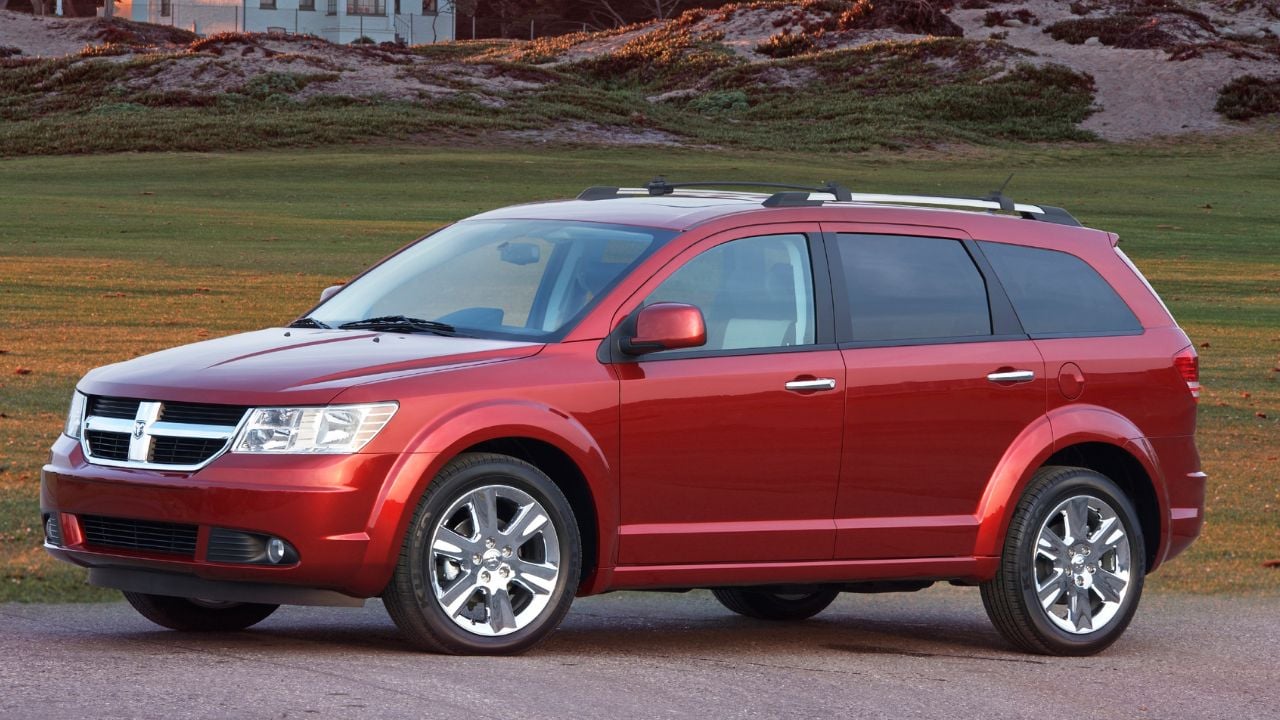
The Dodge Journey was marketed as an affordable family SUV, which is like advertising a parachute as “budget-friendly” — sure, it might be cheap, but do you really want to trust your family’s safety to the lowest bidder? This vehicle proves that sometimes you get exactly what you pay for, and sometimes you get less.
The brake system has all the reliability of a carnival ride operated by someone who learned their trade from YouTube videos. The suspension feels like it was designed for a completely different planet – one with significantly different gravity and road conditions. Owners of 2009 models are particularly blessed, having received what appears to be a beta version of automotive engineering that somehow made it to production.
The engine problems are usually manifesting just as you’ve convinced yourself that maybe this car isn’t so bad after all. It’s like the automotive equivalent of a jump scare in a horror movie, except instead of being startled, you’re financially devastated. Journey owners often develop a particular thousand-yard stare, the look of people who’ve seen too much automotive suffering and lived to tell the tale.
Fiat 500
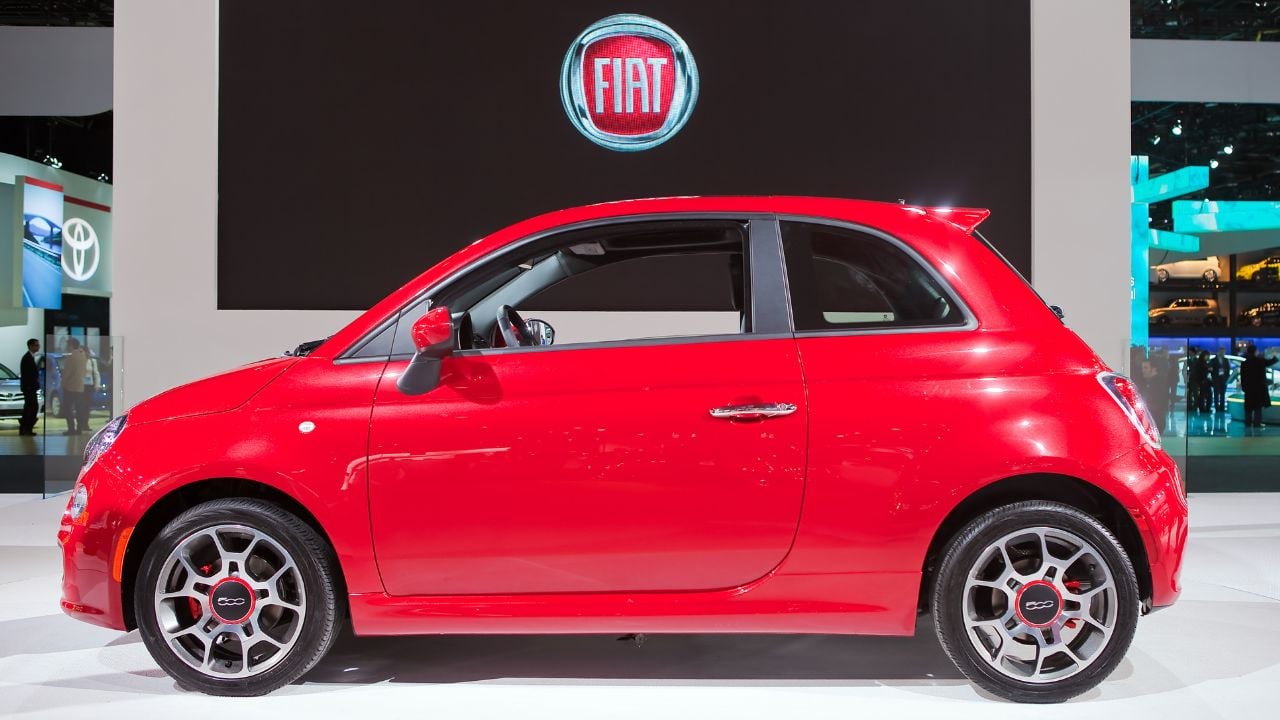
Size apparently matters, and the Fiat 500 is proof that good things don’t always come in small packages — sometimes small packages just contain concentrated disappointment. This Italian import looks adorable sitting on the dealer lot, like an automotive chihuahua that you want to take home immediately. Unfortunately, like many chihuahuas, it’s prone to unpredictable behavior and periodic breakdowns.
The electrical system operates on what can only be described as “Italian time” — it works when it feels like it, takes long breaks without notice, and occasionally goes on strike for reasons that would confuse a team of automotive engineers. Warning lights appear and disappear with the randomness of a disco ball, and the car has been known to stall at precisely the moment when you most need it to keep running, usually in traffic or during a first date.
The 2012 models are particularly special, having achieved a level of electrical chaos that borders on performance art. The automatic transmission adds another layer of adventure to ownership, operating with all the smoothness of a paint mixer full of gravel.
Fiat 500 owners often develop impressive problem-solving skills and an encyclopedic knowledge of local towing companies.
Jeep Cherokee
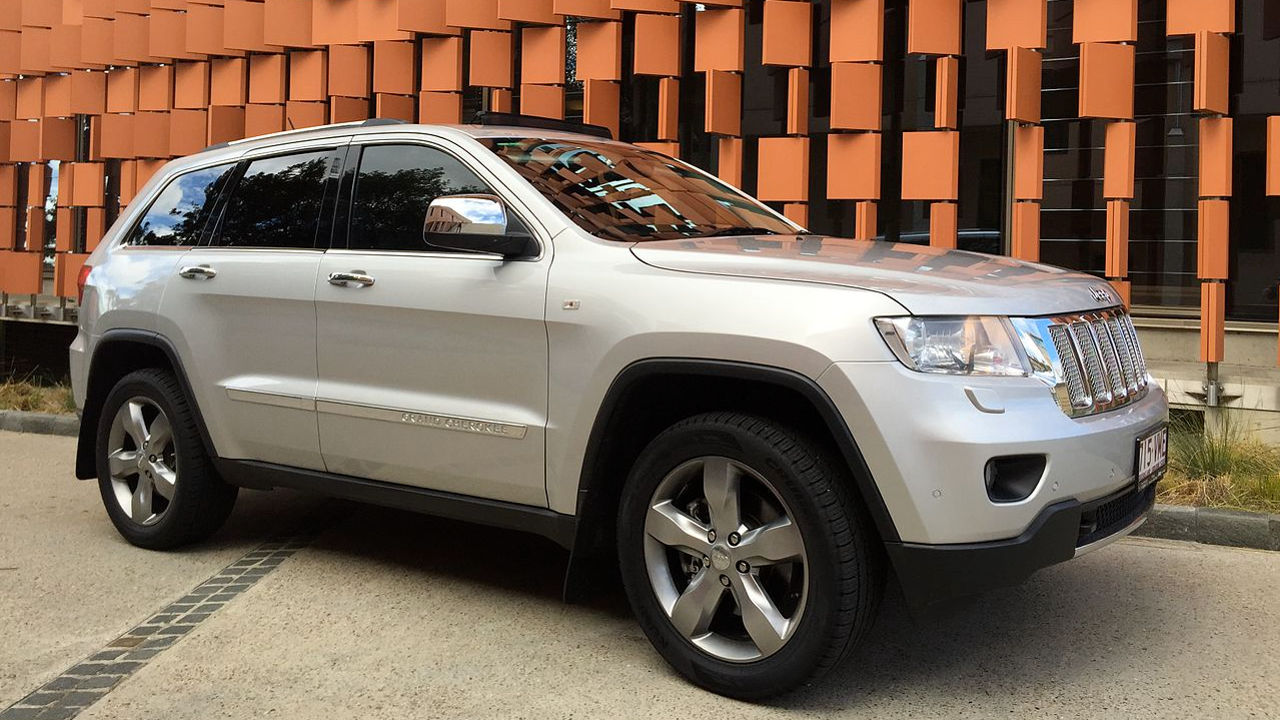
The Jeep Cherokee trades on decades of rugged reputation, but this particular model seems to have missed the memo about Jeep’s legendary durability. It’s like they took everything that made Jeep famous and decided to see how much of it they could remove while still charging Jeep prices.
The transmission failures are so predictable that they could probably be incorporated into a high school physics curriculum as an example of planned obsolescence. These failures often occur with the timing of a Swiss watch, usually shortly before the 100,000-mile mark, as if the transmission contains a small calendar and has been counting down the days to its dramatic exit from functionality.
The electronics package reads like it was designed by someone who thought complexity was the same thing as quality. The infotainment system has the user-friendliness of a calculus textbook written in ancient Greek, and the power accessories fail with such regularity that Cherokee owners often develop impressive upper body strength from manually operating everything.
It’s the automotive equivalent of buying a smartphone that randomly decides to forget how to make phone calls.
Nissan Pathfinder
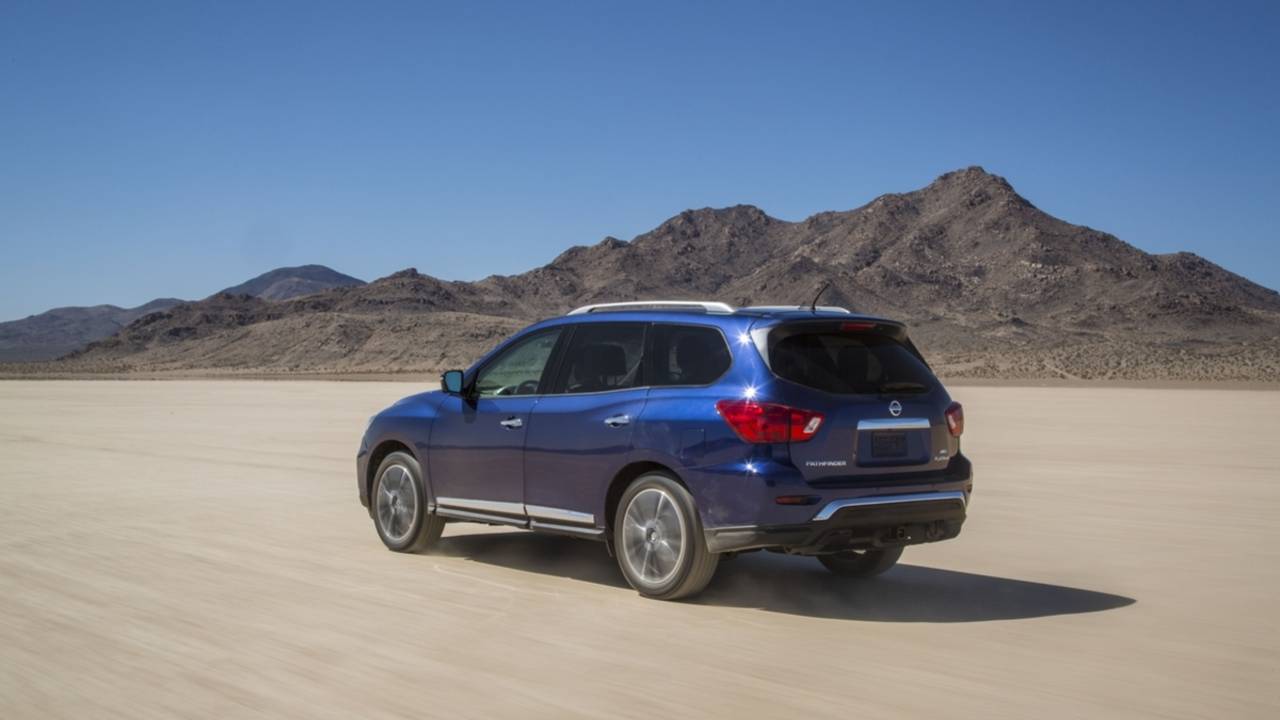
The Nissan Pathfinder’s CVT (continuously variable transmission) is less of a transmission and more of a very expensive lesson in why some automotive innovations should have stayed on the drawing board. This transmission operates with all the smoothness of a blender full of marbles, producing a driving experience that can best be described as “agricultural.”
The shuddering, slipping, and eventual breakdown pattern is so consistent that Pathfinder owners have probably developed their own support network, sharing tips on the best towing services and consoling each other through the grief process of automotive ownership. The CVT replacement cost is so high that many owners seriously consider whether they might have accidentally purchased a small aircraft instead of a family SUV.
Beyond the transmission’s commitment to mechanical chaos, the cooling system and drivetrain contribute their own special brand of unreliability, creating a perfect storm of automotive disappointment. If Pathfinder owners had a superpower, it would be predicting mechanical failures by reading subtleties that most people have the luxury of ignoring.
Ford Fiesta
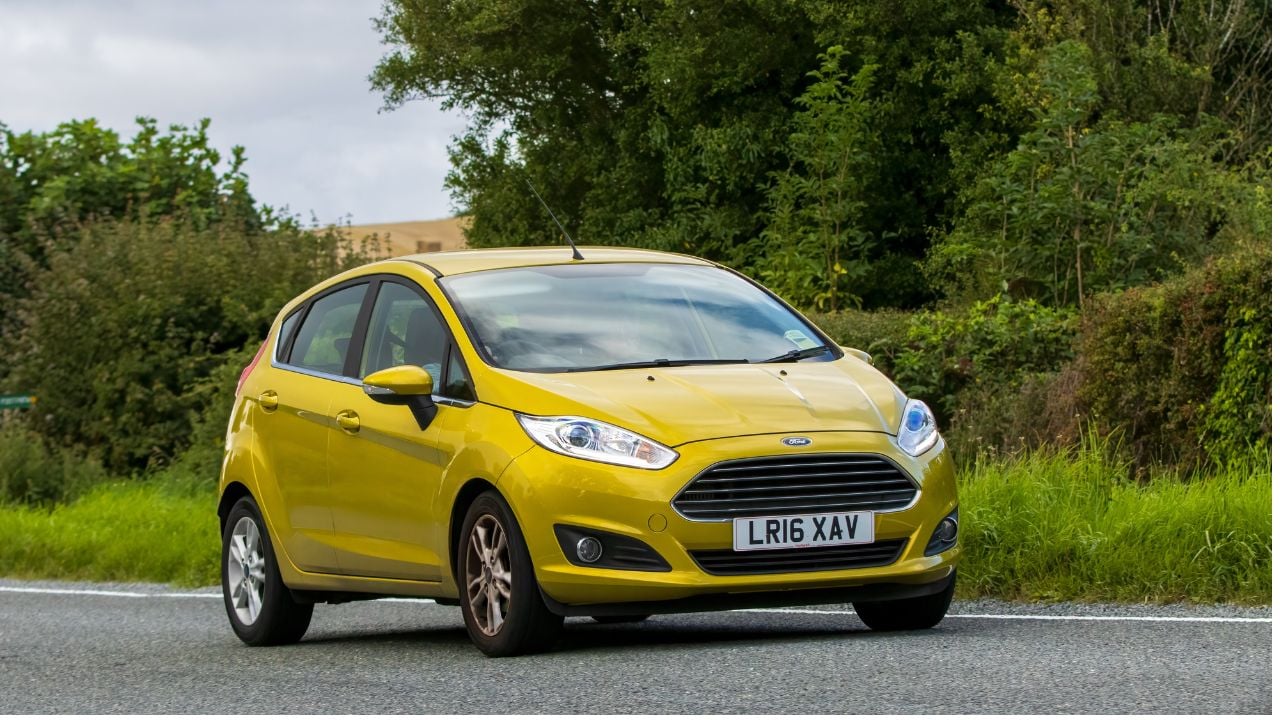
The Ford Fiesta proves that sometimes the biggest disasters come in the smallest packages. The Powershift automatic transmission, found in models from 2011 to 2016, operates with all the reliability of a weather forecast and the smoothness of a paint mixer. This transmission has achieved legendary status among automotive disasters, earning a reputation so bad that mentioning it in mechanic circles is like bringing up a particularly traumatic combat experience.
The hesitation, rough shifting, and early failure pattern is so consistent that Ford Fiesta ownership has become less of a transportation choice and more of an extended lesson in the fragility of mechanical systems. The transmission usually fails during the most inconvenient possible moment, like when you’re late for a job interview or trying to merge onto a busy highway.
The electrical system joins the party with glitches that would make a 1990s computer jealous, and the overall build quality suggests that quality control consisted of asking “Does it look like a car?” and calling it good. Fiesta owners often develop impressive mechanical knowledge out of pure necessity and an unhealthy familiarity with their local Ford service department.
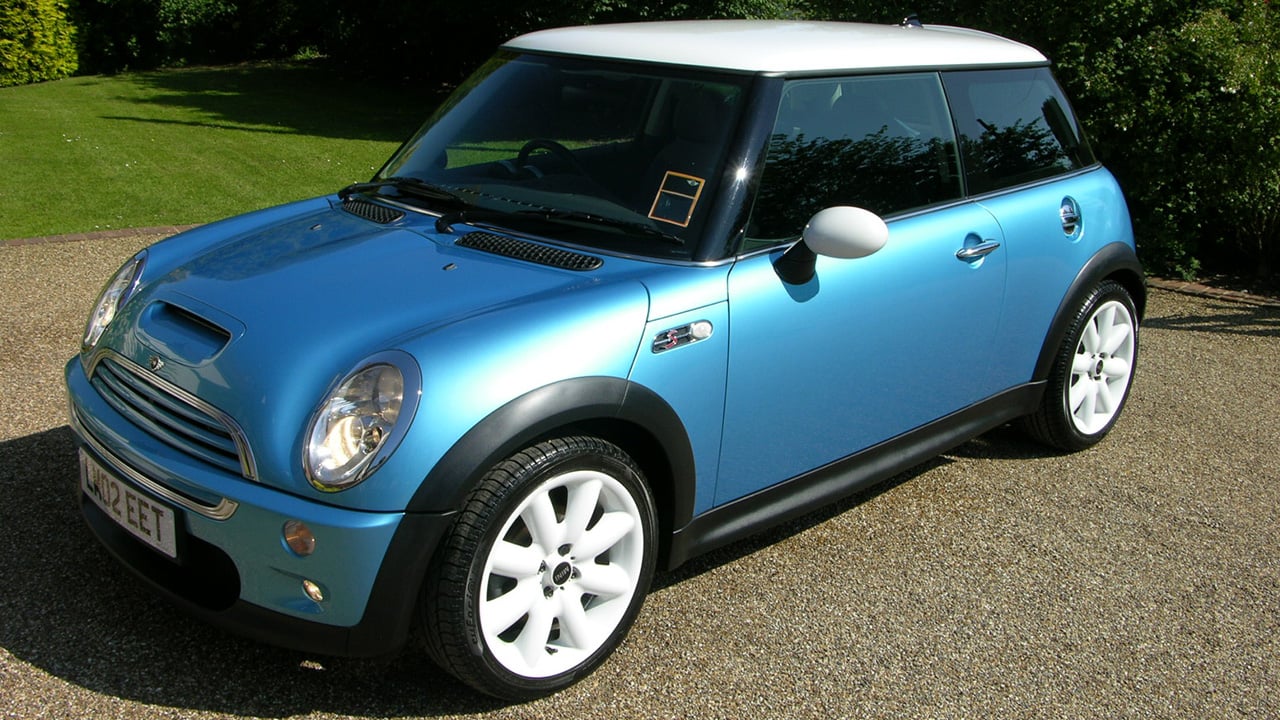
Mini Cooper

The Mini Cooper is living proof that cute doesn’t equal reliable. This automotive fashion accessory operates with all the mechanical reliability of a designer handbag – it looks great, but you probably shouldn’t depend on it for anything important. Mini owners are easy to spot; they’re the ones with oil stain detectors in their garages and rebuild specialists on speed dial.
The turbocharger failures are so common that they’ve probably contributed significantly to the turbocharger aftermarket industry. Oil leaks are a feature, not a bug, giving every Mini Cooper that authentic “character” that comes from leaving its mark on every parking space it occupies. The cooling system breakdowns add an element of excitement to every drive, like automotive Russian roulette but with more expensive consequences.
The complexity of the Mini’s design means that changing a light bulb requires removing half the engine, and routine maintenance costs more than some people’s monthly rent. Mini Cooper ownership is less about transportation and more about funding a lifestyle choice that includes intimate relationships with specialized BMW technicians and a philosophical acceptance of mechanical suffering.
Chevrolet Cruze

The Chevrolet Cruze has mastered the art of looking completely normal while harboring the mechanical reliability of a carnival ride operated by caffeinated teenagers. The engine and cooling system problems aren’t just frequent; they’re practically guaranteed, like death, taxes, and disappointing fast-food experiences.
Overheating issues plague this model with the persistence of a telemarketer, usually occurring at precisely the moment when you’re furthest from help and running late for something important. Blown head gaskets are so common that Cruze owners probably know more about engine internals than some automotive engineering students. The turbo failures add another layer of expensive excitement, because apparently regular engine problems weren’t sufficient.
The transmission problems ensure that even if the engine is running, getting that power to the wheels remains an adventure in mechanical uncertainty. Cruze owners often develop an almost supernatural ability to interpret engine noises, reading subtle changes in sound like tea leaves that predict the next expensive repair bill.
BMW X5

The BMW X5 proves that German engineering doesn’t automatically equal German reliability (if you were somehow still wondering). This luxury SUV operates on the principle that if you’re going to break down, you might as well do it expensively and with style. The suspension failures occur with the predictability of a Bavarian train schedule, usually right around the time when you’ve gotten comfortable with the monthly payments.
Electronic malfunctions in the X5 are complex puzzles that would challenge a team of MIT graduates armed with the complete BMW technical manual library. These failures occur with such sophistication that they often require specialized diagnostic equipment that costs more than most people’s cars. It’s like owning a very expensive computer that occasionally remembers it’s supposed to be a vehicle.
The oil leaks give every X5 that authentic “luxury” aroma that comes from premium German petroleum products slowly migrating from the engine to your garage floor. Once the warranty expires, X5 ownership becomes less about transportation and more about supporting your local BMW specialist’s boat payment.
X5 owners often develop impressive problem-solving skills and an intimate knowledge of extended warranty fine print. Makes for some good knowledge, but a boring subreddit.
Land Rover Discovery

Land Rover has achieved the impossible: creating vehicles that are simultaneously the most capable off-road machines on the planet and the least likely to get you to the grocery store and back without incident! The Discovery represents the pinnacle of this achievement, combining legendary off-road capability with the mechanical reliability of a 200-year-old pocket watch.
The air suspension system operates on its own schedule, sometimes working perfectly and sometimes deciding that the vehicle should squat like a very expensive toad. These failures often occur with dramatic flair, usually in parking lots where maximum embarrassment can be achieved. The electrical system glitches provide entertainment value, throwing warning lights and mysterious error messages that would confuse a team of British automotive engineers.
Engine troubles add another layer of adventure to Discovery ownership, because apparently having the most capable off-road vehicle in the world isn’t exciting enough without the constant possibility of mechanical failure. Land Rover owners are a special breed — they’re the ones who view automotive reliability as a character flaw and consider breakdown recovery services an essential part of the ownership experience. I guess it’s true what they say; misery loves company.
Kia Sorento

The Kia Sorento represents what happens when ambitious engineering meets ambitious cost-cutting. While recent Kia models have shown significant improvement, older Sorentos are mechanical time bombs that teach valuable lessons about the importance of proper engine lubrication and the fragility of modern automotive systems.
The premature engine failures linked to poor lubrication and metal debris in the oil system are expensive educational experiences in automotive engineering. These failures often occur with the suddenness of a pop quiz in a class you forgot you were taking, usually resulting in complete engine replacement costs that exceed the vehicle’s remaining value.
The faulty electronics and drivetrain complaints ensure that even if the engine is running, the overall ownership experience remains an adventure in mechanical uncertainty. Sorento owners often develop impressive diagnostic skills and an intimate knowledge of engine rebuild specialists, skills that are unfortunately more valuable than the vehicle itself.
Volkswagen Jetta

The Volkswagen Jetta offers the promise of European sophistication at American prices, which should have been the first warning sign. This vehicle proves that sometimes affordable German engineering means they’ve found creative ways to make expensive repairs seem reasonable by European standards.
The faulty sensors create a dashboard light show that would impress a Christmas display, with warning lights appearing and disappearing in patterns that suggest the car’s computer has developed anxiety issues. Turbocharger problems add expensive excitement to ownership, because apparently, regular engine operation was too boring for German engineering standards.
Timing chain failures provide the ultimate test of owner commitment, usually occurring at precisely the moment when you’ve convinced yourself that maybe this car isn’t so bad after all. These repairs are both expensive and educational experiences in why some automotive maintenance should be left to people with German engineering degrees and unlimited tool budgets.
Jetta owners may seem zen, but it’s because they’ve had to learn to accept the amount of repair bills piling up in their important document drawer. Breathe in, check your bank balance, breathe out.
Hyundai Elantra
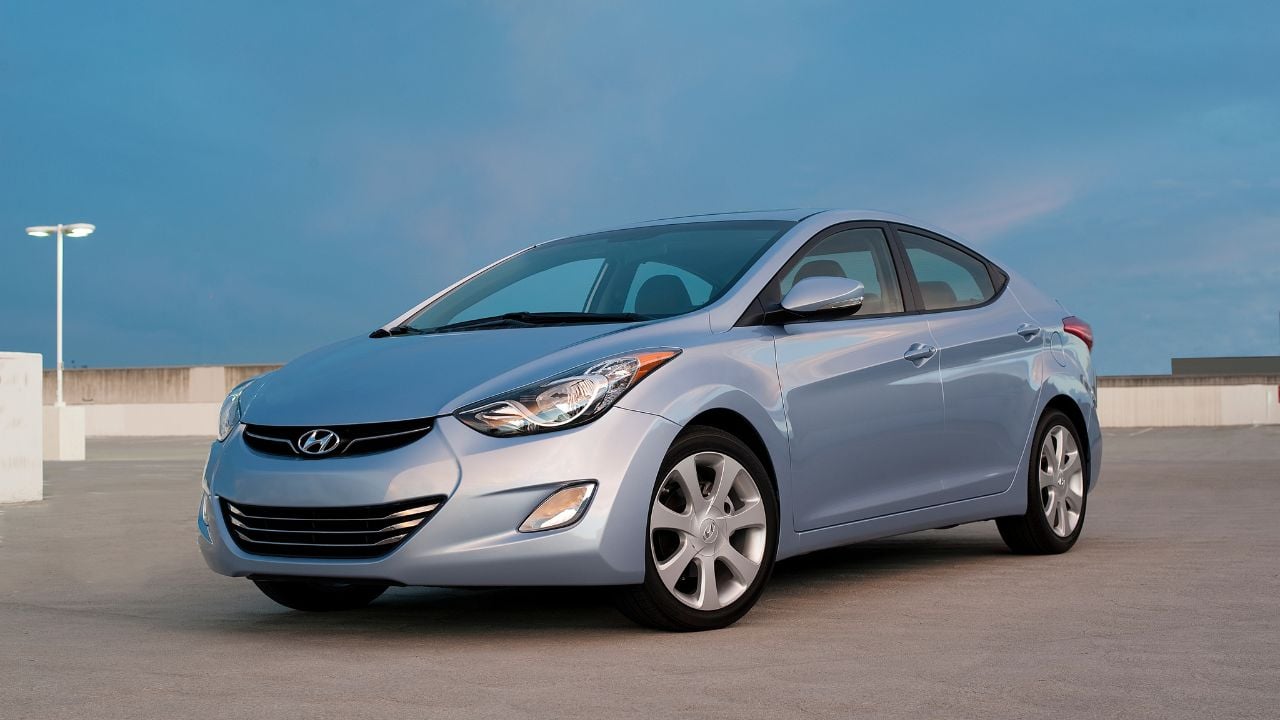
The Hyundai Elantra’s reputation for affordability is like a restaurant advertising cheap meals — you might save money upfront, but you’ll pay for it later in unexpected ways. The engine problems aren’t just mechanical issues; they’re learning experiences in modern automotive metallurgy and the importance of proper quality control.
Knocking sounds from the engine provide an audio warning system that alerts you to impending financial disaster, usually building to a crescendo that culminates in complete engine replacement. These failures occur with timing that suggests the engines contain small calendars, counting down to their dramatic exit from functionality.
Electrical failures and transmission hiccups ensure that even if the engine is running, the overall driving experience remains an adventure in mechanical uncertainty. Own an Elantra? I recommend a fun game where you predict which months you’ll need to shell out your savings and which months the Elantra spares you. For now.
GMC Acadia
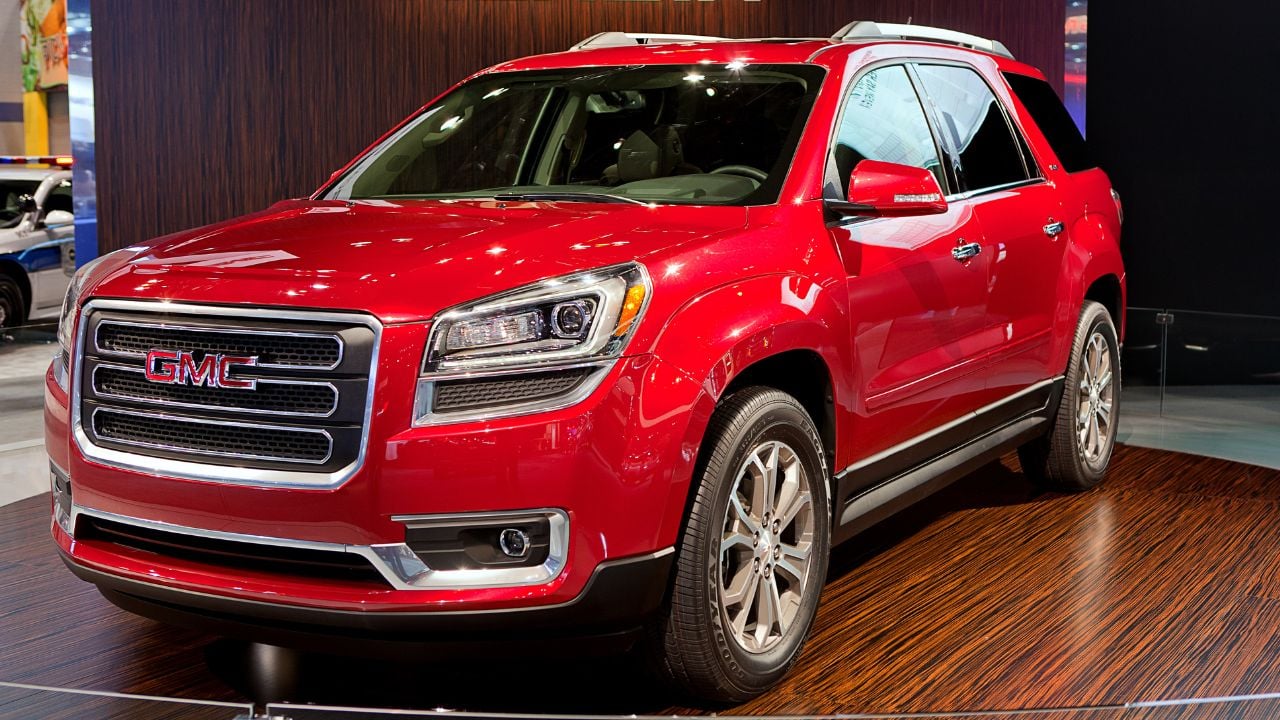
The GMC Acadia represents a masterclass in how to take a perfectly reasonable concept — a family SUV — and engineer it in ways that challenge the fundamental laws of mechanical reliability. The transmission and power steering failures occur with the predictability of a college lecture schedule, usually during the first few years of ownership when you’re still optimistic about automotive reliability.
The air conditioning system failures add seasonal excitement to ownership, usually manifesting during the hottest days of summer when maximum discomfort can be achieved. These failures often coincide with electronic problems, creating a perfect storm of automotive disappointment that challenges even the most patient family’s commitment to multi-passenger transportation.
Perhaps a bit ironic, Arcadia owners don’t actually spend a lot of time with their family despite having a large SUV to haul them around. They are often much closer with their local departments and remember employee birthdays more than their own kids’. The frequent visits to repair shops create opportunities for social interaction that nobody actually wanted.
Audi Q7

The Audi Q7 proves that luxury doesn’t automatically equal reliability — sometimes it just means you get to experience automotive failure in more comfortable seats. This vehicle operates on the principle that if you’re going to have mechanical problems, they should at least be sophisticated enough to require specialized diagnostic equipment and German-trained technicians.
The complex electrical failures aren’t just problems; they’re puzzles that would challenge a team of Bavarian engineers armed with unlimited coffee and the complete Audi technical manual library.
Suspension and transmission problems surface early in ownership, like unwanted guests who arrive before you’ve finished preparing for their visit. If you want a Q7, may we recommend learning German automotive terminology so you can be better prepared for your fate?
The Bottom Line: Choose Wisely, Drive Safely, Avoid These Disasters

Choosing a car is like choosing a life partner — you want something reliable, attractive, and unlikely to drain your bank account through expensive therapy sessions. The vehicles on this list have earned their reputation due to years of consistent underperformance, like automotive hall-of-famers who specialized in disappointing their fans.
These aren’t isolated incidents or statistical anomalies; these are vehicles that have turned mechanical failure into a reliable art form. They’re proof that sometimes the most expensive education comes from making the wrong choice in a car dealership on a Tuesday afternoon when you thought you were getting a good deal.
By avoiding these mechanical disasters, you can save yourself thousands in unexpected expenses, countless hours in service department waiting rooms, and the particular kind of automotive-related stress that makes people start talking to their vehicles in increasingly hostile tones. Remember that research is your friend, mechanics are honest advisors, and sometimes the best deal is the one you don’t make.
The right car choice means peaceful drives, predictable maintenance costs, and the kind of automotive reliability that lets you focus on more important things — like where you’re going instead of whether you’ll get there.