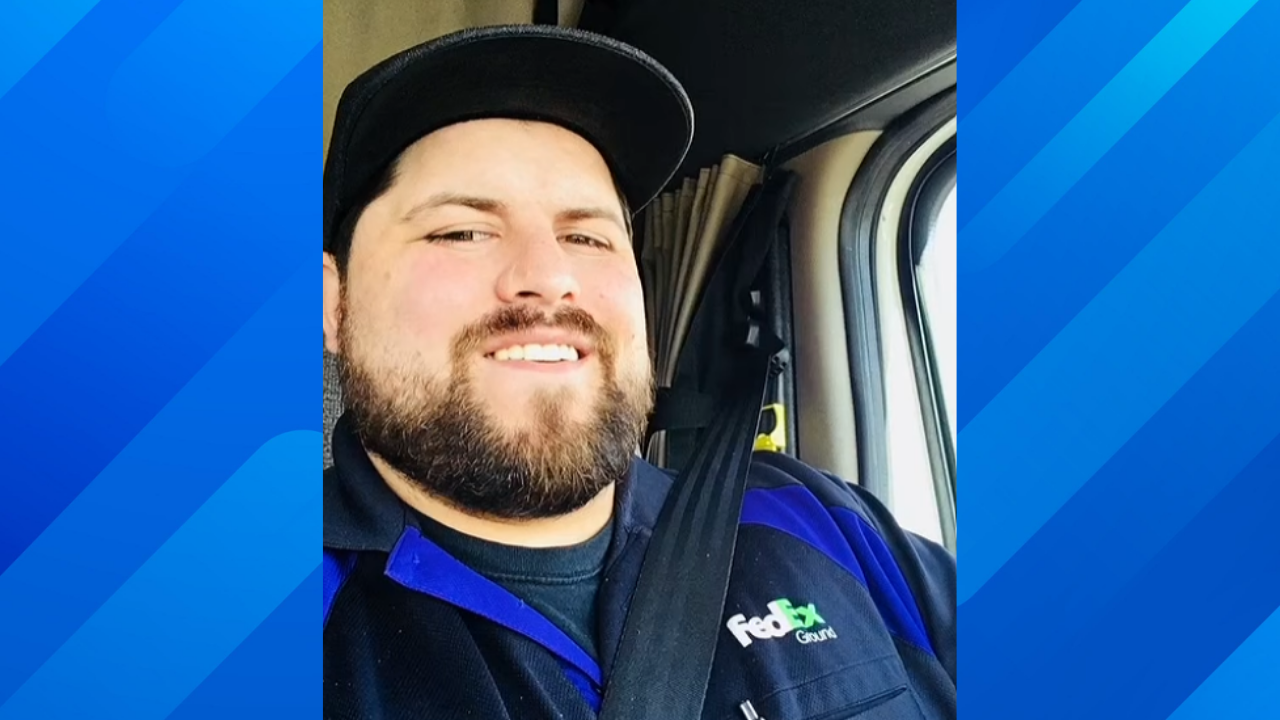
A Utah truck driver suffered catastrophic injuries after being crushed between two trailers at a Saia LTL Freight terminal, leaving his family facing what could be years of treatment and rehabilitation.
Shawn Peterson was preparing for a run at Saia’s Salt Lake City terminal on Aug. 19 when another driver began backing in his direction, according to FOX 13. Peterson’s father-in-law said Peterson tried to warn the other driver before he was pinned between the rigs.
Peterson survived, but his family says he suffered massive internal injuries and severe spinal cord damage that has left him paralyzed. The father of four had worked for Saia for nearly a decade, and his youngest child had only recently come home after spending time in intensive care.
His family has publicly questioned the company’s response since the accident. Saia told FOX 13 its “thoughts are with our employee and their family” and said it was supporting the family while cooperating with the agencies reviewing the accident. Public workplace-safety records show that review is not the only open case involving the terminal. Utah safety inspectors had opened a separate inspection there five days before Peterson was crushed.
A Split Second
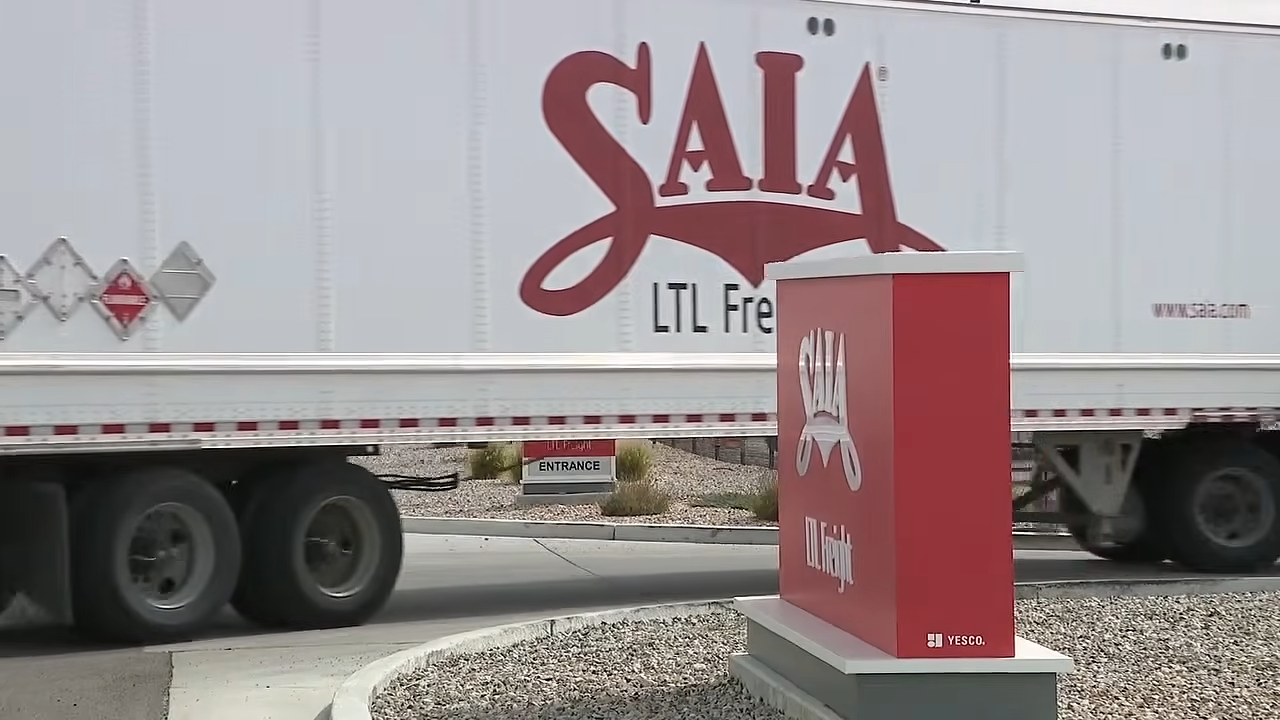
Peterson’s father-in-law, Jeff Fuller, told FOX 13 that Peterson was checking his trailer and preparing to leave when another driver started backing into the same area.
Fuller said Peterson recognized the danger and yelled for the driver to stop. The other driver was more than 50 feet away, however, and the accident happened at night.
Coworkers who witnessed the aftermath attended to Peterson until paramedics arrived, Fuller said. Peterson was taken to Intermountain Medical Center in Murray with major internal injuries.
Peterson’s mother, Lindie Fuller, provided additional details in a fundraiser for her son. She wrote that Peterson was performing his pre-check while another driver was hooking up a triple-trailer load and backed toward him.
According to his mother, Peterson went into cardiac arrest while being transported to the hospital. She said he suffered internal bleeding, spinal cord injuries, a broken arm, and a concussion, and underwent multiple surgeries.
The family said doctors have told them Peterson will most likely lose the use of his legs. His mother wrote that rehabilitation could take years and that the family expects to eventually need an accessible vehicle and modifications to Peterson’s home.
Five Days Earlier
The Utah Division of Occupational Safety and Health, or UOSH, already had an open safety case involving Saia’s Salt Lake City terminal when Peterson was injured.
An OSHA inspection record shows UOSH opened a case at Saia LTL Freight, 794 South 6400 West, on Aug. 14.
That was five days before Peterson’s Aug. 19 accident.
The inspection is classified as a safety “Referral,” with a partial scope. The record also says Saia received advance notice of that inspection. As of Aug. 29, the case remained open, and no citation information was posted.
The public record does not identify the hazard or allegation that prompted the referral.
OSHA’s inspection guidance defines a referral as an allegation of a potential workplace hazard or violation received through specified sources, which can include a safety compliance officer or another government or safety agency.
Nothing currently available in the inspection record connects the Aug. 14 referral to truck backing, trailer movements, yard procedures, or the circumstances that injured Peterson.
UOSH then opened a second inspection at the same Saia address on Aug. 20, one day after Peterson was crushed.
That case is categorized specifically as an “Accident” inspection. It is also a partial safety inspection, but unlike the earlier case, the database records no advance notice.
Both inspections remained open as of Aug. 29.
Backing Up
A trailer moving backward around people working on foot presents a well-established workplace hazard, although UOSH has not publicly determined what caused Peterson’s accident or whether any workplace-safety rule was violated.
OSHA’s backover safety guidance identifies several ways such incidents can occur. A driver may be unable to see someone in a blind spot, workplace noise can prevent a worker from hearing a warning, and a driver can believe the path behind a vehicle is clear when it is not.
The agency’s examples include a worker who was crushed between a backing tractor-trailer and a loading dock.
Potential safeguards discussed by OSHA include spotters, rear-facing cameras, proximity-warning systems, training, and workplace traffic plans designed to keep moving vehicles and workers on foot from crossing paths.
Those measures are not a finding about Saia’s Salt Lake City terminal. The open UOSH records currently contain no posted citations and make no public determination about what precautions were in place when Peterson was hurt.
Who Pays
Peterson’s family has also raised concerns about the financial consequences of an injury that has taken the family’s sole provider out of work.
Because Peterson was injured on the job, Utah’s workers’ compensation system is likely to be central to that question, although his individual claim status is not public.
The Utah Labor Commission says compensable workplace injuries can qualify for payment of reasonable medical expenses as well as benefits replacing some lost wages. Permanent impairment or an injury that prevents a worker from returning to reasonably available employment can also qualify for disability compensation.
Once an insurance carrier receives notice of a claim, Utah generally gives it 21 days to decide whether the injury is compensable. Additional investigation can extend that period.
That also makes predictions about an inevitable lawsuit or a large settlement premature. Under Utah law, workers’ compensation is generally the exclusive remedy against an employer and fellow employees for accidental injuries arising from employment. Other legal claims can exist in some circumstances involving third parties, but the publicly known facts do not establish whether any such claim exists here.
Peterson’s family has not accused a particular person of wrongdoing. Fuller told FOX 13 that the family understands accidents happen, but said they expected more communication from a company where Peterson had spent almost 10 years.
Saia said it is supporting Peterson and his family while reviewing the circumstances and cooperating with the appropriate agencies.
UOSH’s accident inspection and the separate Aug. 14 referral inspection remain open.