
There are moments in aviation when the machine matters just as much as the person flying it. For one pilot in the Israeli Air Force, preparing for a recent high-risk strike mission, that balance between man and machine became deeply personal.
According to The Jerusalem Post, he just admitted to a local radio station that he briefly considered recording farewell messages for his family before takeoff. That thought alone tells you everything about the stakes of that mission.
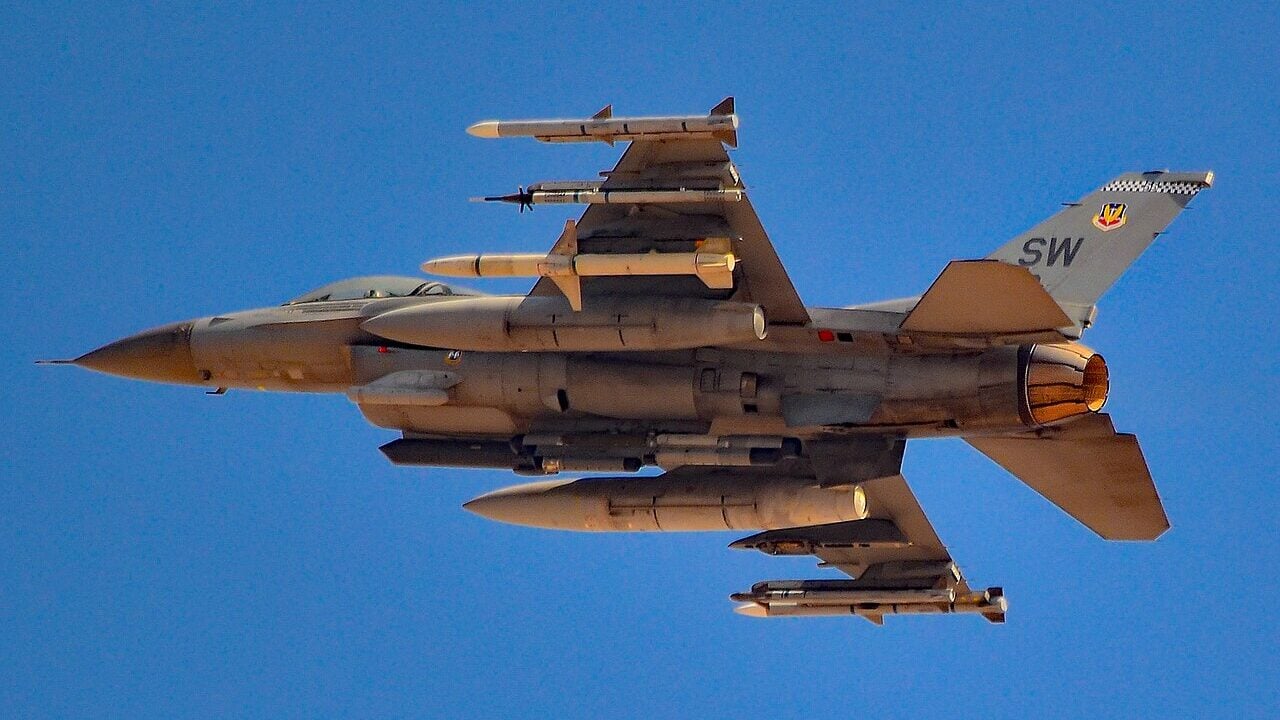
The aircraft in question was the F-16 Fighting Falcon, a platform that has built a reputation over decades as one of the most reliable and versatile combat jets ever produced.
For Israel, the F-16 has been a backbone of air superiority and precision strike capability since the late 1970s, shaping the outcome of some of the country’s most defining military operations.
The F-16’s War Stories
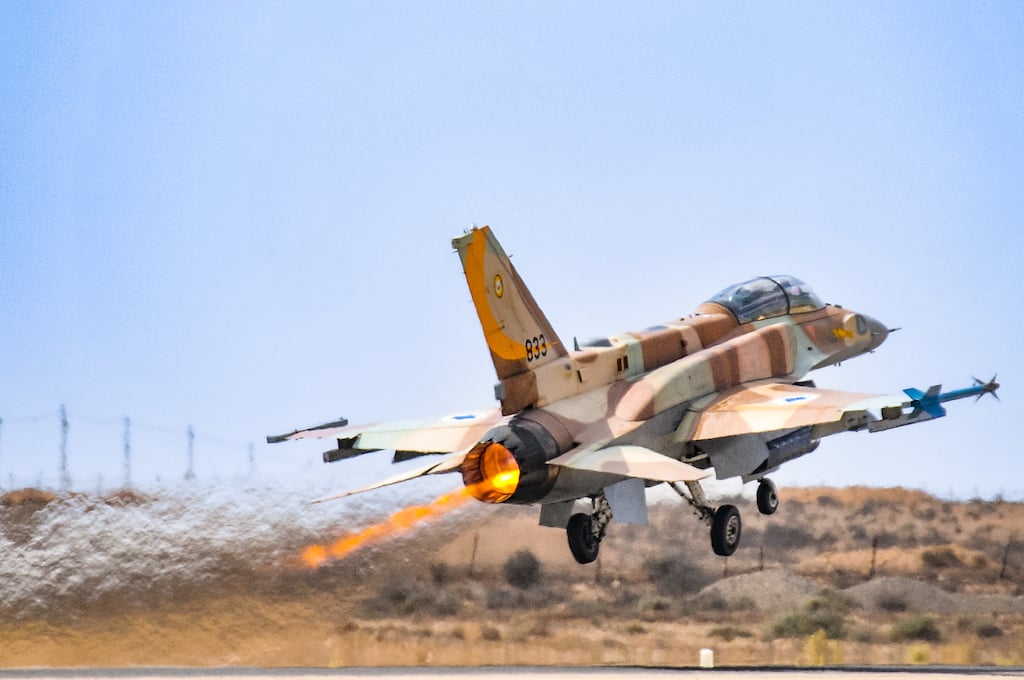
Part of what gives pilots confidence in the F-16 is its design philosophy. It was built to be agile, responsive, and forgiving under pressure. The fly-by-wire system translates pilot input into precise control, allowing for aggressive maneuvers without sacrificing stability.
Visibility from the cockpit is exceptional, giving pilots a wide field of view that becomes critical in hostile airspace. Combined with advanced avionics and targeting systems, the jet enables pilots to process complex information while staying focused on the mission.
That trust has been earned over time.
Israeli F-16s played a decisive role during the Operation Opera, when a long-range strike destroyed Iraq’s Osirak nuclear reactor. The mission required precision navigation, tight coordination, and absolute confidence in both aircraft and crew.
The success of that operation cemented the F-16’s status within Israel’s fleet.
Years later, during the Lebanon War 1982, F-16s again proved their worth in air-to-air combat, contributing to a dominant performance against opposing forces.
The jet’s adaptability allowed it to switch between roles seamlessly, from dogfighting to ground attack. That flexibility remains one of its strongest attributes today.
An Unpredictable Mission
Yet even a proven platform cannot erase the realities of modern warfare.

The mission, Operation Roaring Lion, was part of a broader campaign linked to heightened tensions with Iran and its regional network.
Unlike earlier conflicts, today’s operational environment is layered with advanced air defense systems, electronic warfare threats, and the constant risk of escalation.
Pilots now face a battlefield where detection can happen faster, and engagement windows are tighter.
Surface-to-air missile systems have become more sophisticated, forcing aircraft to operate with extreme precision. Long-range missions also introduce additional complexity, including mid-air refueling and extended time in contested airspace. Every phase of the flight demands focus.
For the pilot who considered leaving a farewell message behind, the hesitation was not about doubting the aircraft. It was about acknowledging the unpredictability of the mission.
Even with the F-16’s track record, there are variables no machine can fully control. Weather, intelligence gaps, and the actions of an adversary all play a role.
A Tried and Tested Veteran of the Skies
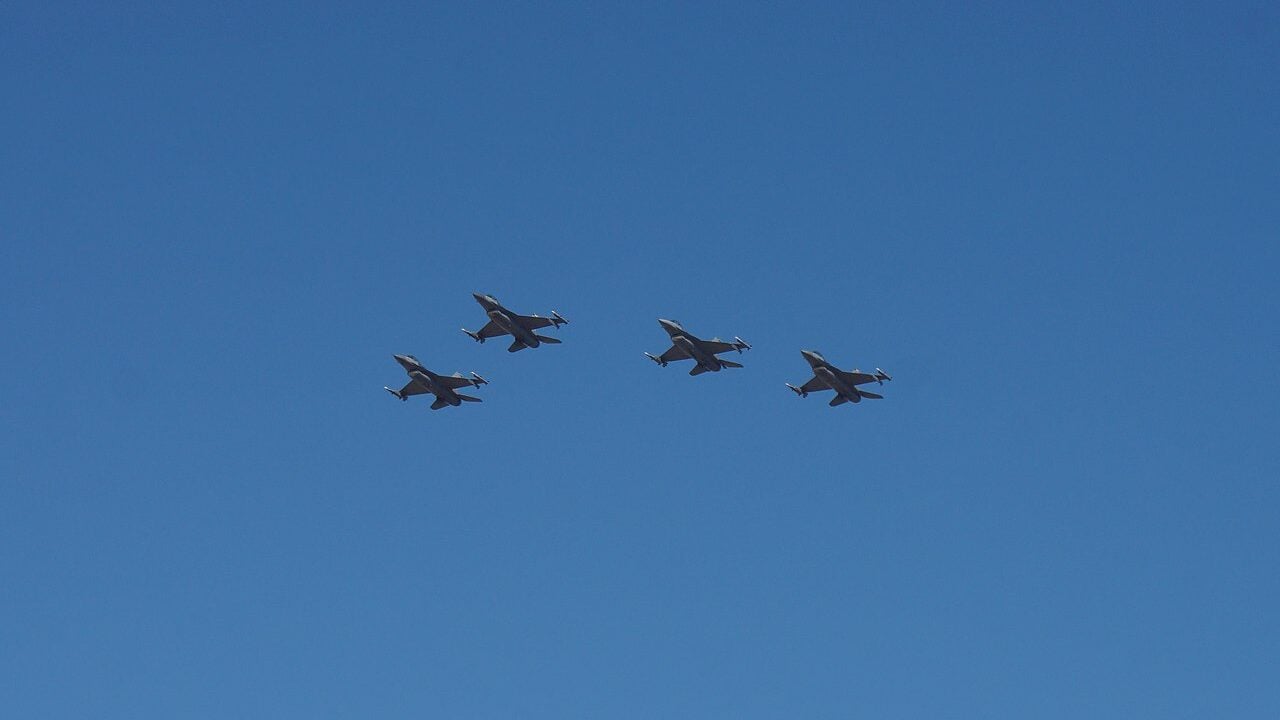
Ultimately, the pilot’s decision not to record those messages speaks volumes. It reflects a mindset shared by many pilots who rely on training and trust in their aircraft to push through fear.
In the cockpit of an F-16, confidence is built on thousands of hours of experience, reinforced by a machine that has repeatedly proven it can deliver under pressure.
For us who live and breathe all things automotive, this story is about the relationship between a pilot and an aircraft that has stood the test of time. The F-16 continues to be a symbol of reliability and capability, even as the nature of conflict evolves.
For those who fly it, that trust can make the difference between hesitation and action when it matters most.
Sources: JP