The 1960s and ’70s were golden decades for automotive creativity, and nowhere was this more evident than in the wild, wonderful world of car naming. While today’s vehicles often get alphanumeric designations that sound more like Wi-Fi passwords, automakers back then weren’t afraid to get quirky, poetic, or downright strange with their choices.
These unusual monikers reflected the era’s spirit of experimentation and often told fascinating stories about cultural trends, marketing ambitions, and sometimes just plain bad judgment.
AMC Gremlin (1970-1978)

Naming your car after a mythical creature known for causing mechanical problems seems like automotive suicide, yet AMC did exactly that with the Gremlin. The name actually came from folklore about mischievous spirits that were blamed for aircraft malfunctions in aviation folklore, particularly popularized during World War II.
AMC’s marketing team somehow thought this made perfect sense for their compact car, perhaps embracing the idea that small things could pack a punch.
Plymouth ‘Cuda (1970-1974)

While “Barracuda” was already pretty fierce for a car name, Plymouth decided to make it even cooler by shortening it to “‘Cuda” for their high-performance versions. The apostrophe wasn’t just stylistic – it represented a complete attitude shift from the base model to something truly predatory.
This naming strategy worked brilliantly, as the ‘Cuda became synonymous with raw American muscle and remains one of the most sought-after classics today.
Oldsmobile Toronado (1966-1992)

The name Toronado had no prior meaning and was originally chosen for a 1963 Chevrolet show car. While it contains Spanish-sounding elements often noted as toro and nado, it’s a made-up word. Instead, the name was selected to convey motion and power, matching the car’s bold styling and revolutionary front-wheel-drive layout.
It was unusual enough to be memorable, yet sophisticated enough to appeal to Oldsmobile’s upscale clientele—and it remains one of the coolest and most distinctive American coupes of its era in our view.
Dodge Challenger T/A (1970)
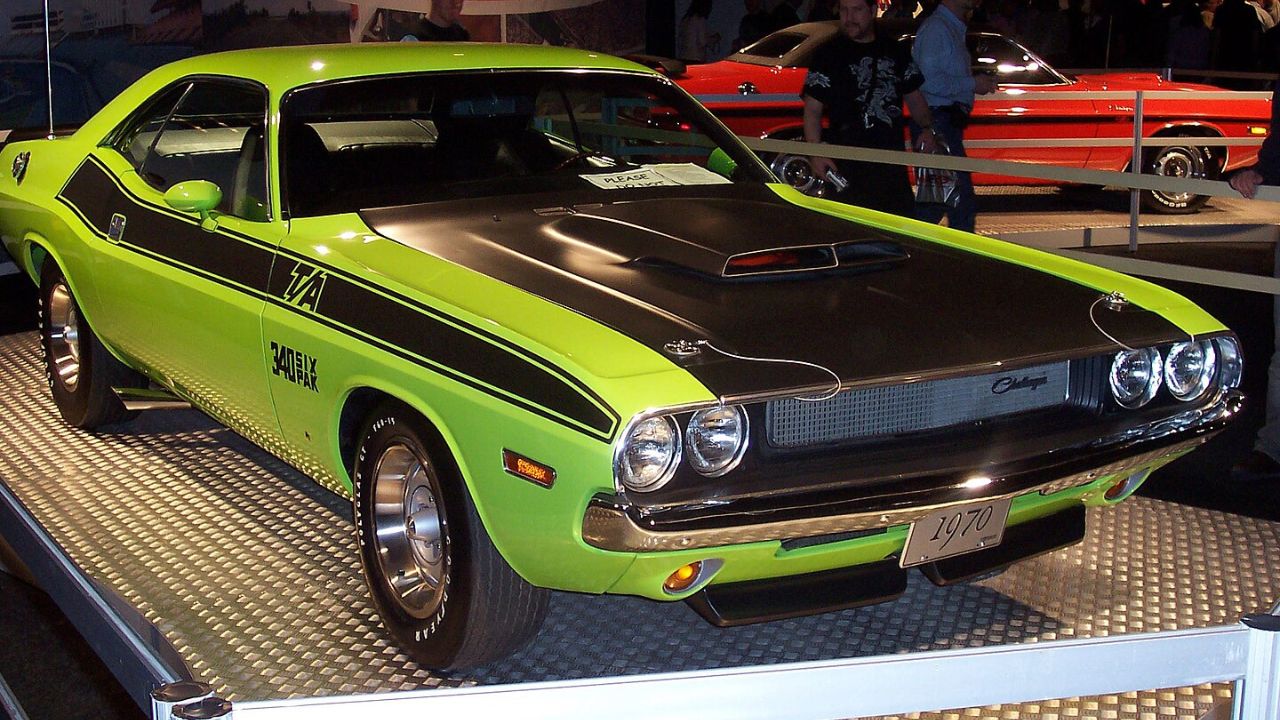
The “T/A” stood for Trans-Am, referencing the SCCA Trans-Am racing series the car was built to homologate for. Dodge abbreviated the name rather than using “Trans-Am” in full, which was already closely associated with Pontiac’s Firebird in production-car branding.
The T/A was essentially Dodge’s way of thumbing their nose at Pontiac while creating their own racing-inspired muscle car legend.
Ford Pinto (1971-1980)
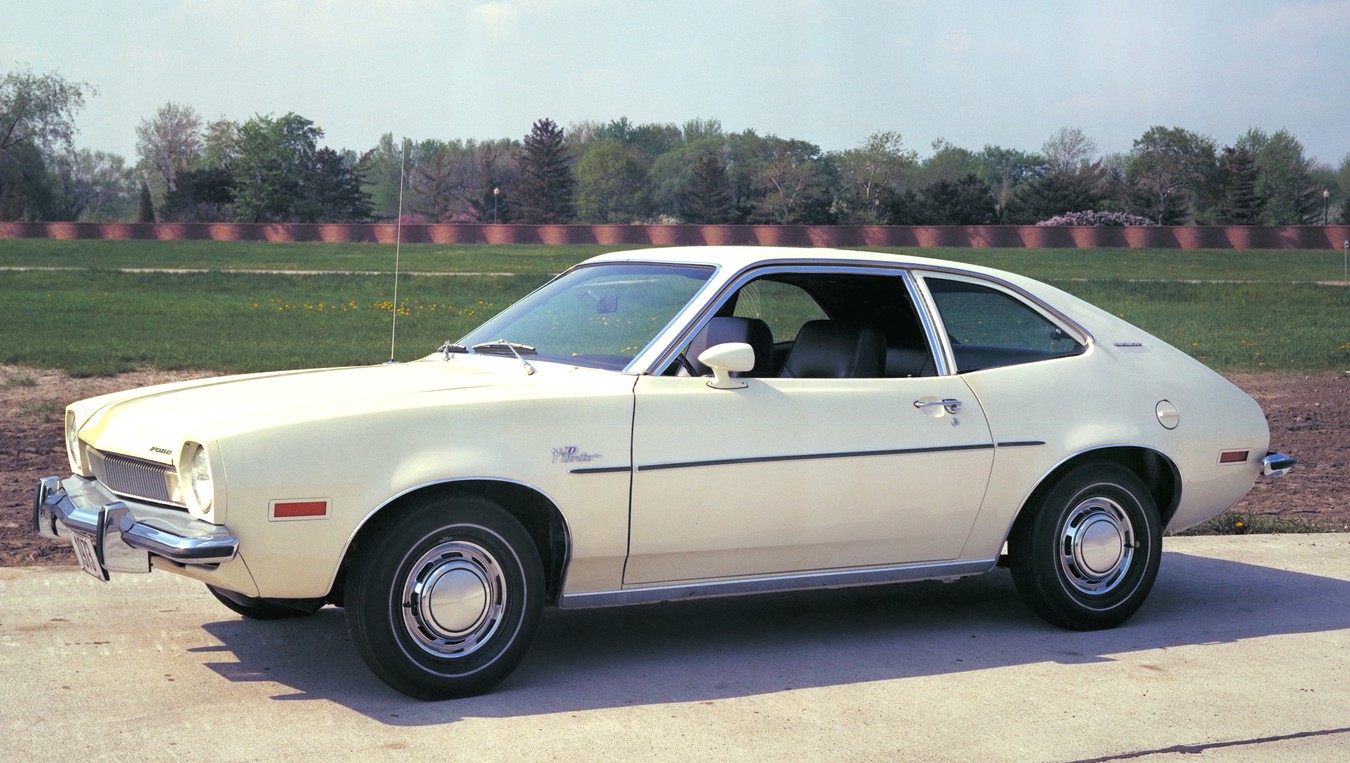
Ford named their subcompact after the pinto horse, known for its distinctive spotted coat and small stature. The marketing department thought it evoked images of the American West and suggested a spirited, economical vehicle.
Unfortunately, the name later became associated with the car’s safety issues, proving that even the most innocent animal names can develop unfortunate connotations.
Chevrolet Vega (1971-1977)

Chevrolet looked to the stars for inspiration, naming their compact car after Vega, one of the brightest stars in the night sky. The name suggested guidance, brightness, and reaching for something higher: all qualities Chevy hoped to associate with their entry into the small car market.
While the car itself had reliability problems, the name remained elegant and aspirational throughout its production run.
AMC Matador (1971-1978)

AMC adopted the name ‘Matador’ to replace ‘Rebel,’ and the bullfighting connotation helped position the car as bold and exciting, positioning their mid-size car as bold and exciting. The name was certainly memorable and fit with the era’s fascination with international culture and adventure.
However, naming a car after someone whose job involves life-or-death confrontations might have been a bit much for suburban family transportation.
Conclusion

These unusual car names remind us of a time when automakers were willing to take creative risks and let their personalities show. Whether inspired by mythology, animals, celestial bodies, or foreign cultures, these monikers reflected the optimism and adventurous spirit of their era. While some names aged better than others, they all contributed to making the automotive landscape of the ’60s and ’70s far more colorful and memorable than today’s alphabet soup of model designations.
In an age of increasing corporate caution, these bold naming choices feel refreshingly human and remind us that cars were once seen as extensions of our dreams and aspirations, not just transportation appliances.
Want more funny names? Here are some of the weirdest car names of all time.