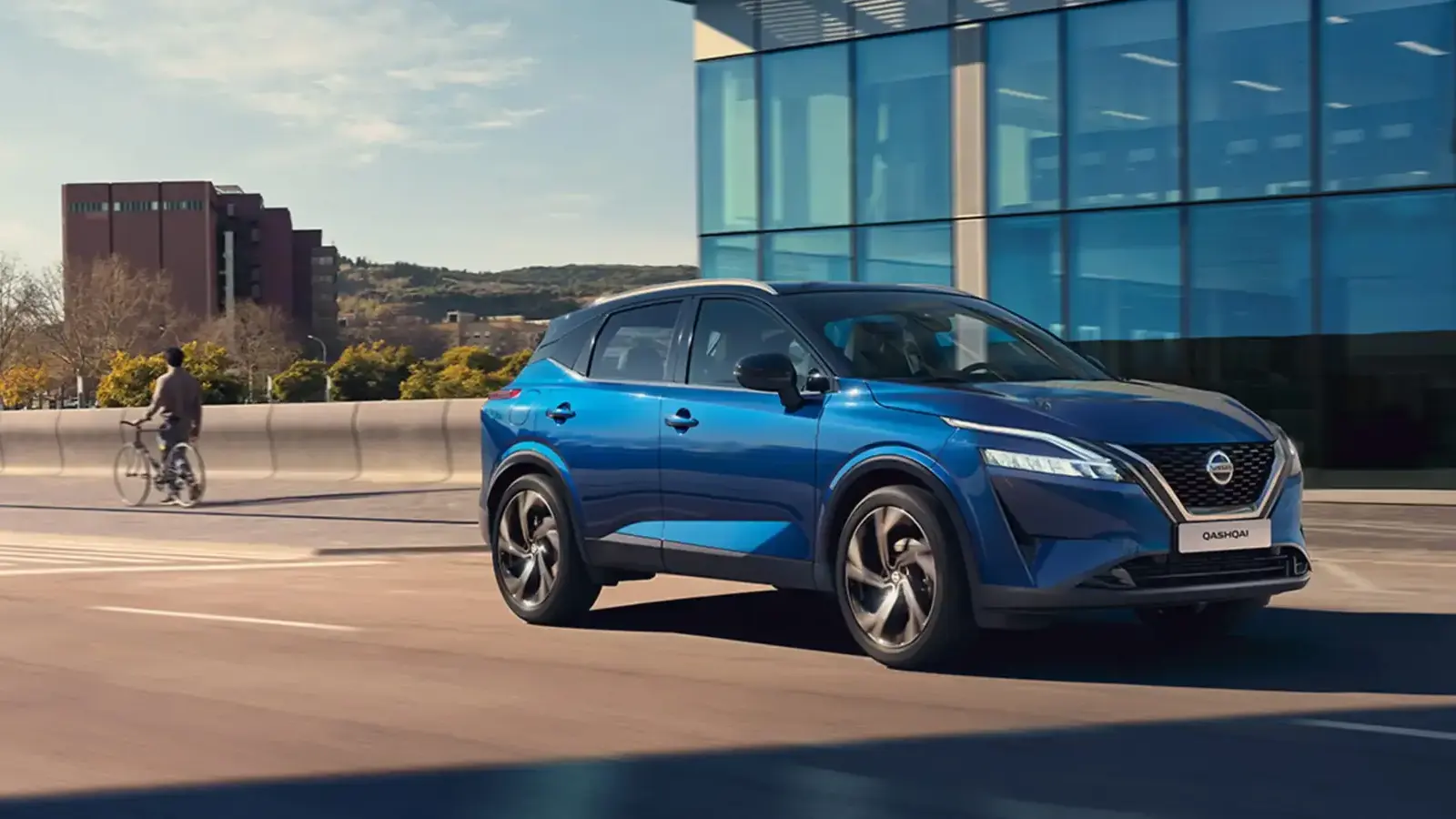
Nissan’s sweeping restructuring efforts have reportedly claimed another major casualty. According to Reuters, the Japanese automaker has halted development of an all-electric version of the Qashqai, one of its most important vehicles in the European market.
The decision marks a significant shift for a company that was once viewed as one of the industry’s EV pioneers. Nissan helped popularize mainstream electric vehicles with the Leaf and had previously outlined ambitious plans to expand its battery-powered lineup across key global markets.
The electric Qashqai was expected to play a central role in that strategy. As Nissan’s best-selling vehicle in Europe, the crossover appeared to be a natural candidate for electrification as competition in the region’s rapidly growing EV market intensified.
Instead, the company is now focusing on preserving cash and streamlining operations as it navigates financial challenges, slowing demand in some regions, and increasing pressure from both traditional rivals and emerging Chinese automakers.
A Key EV Project Put on Hold
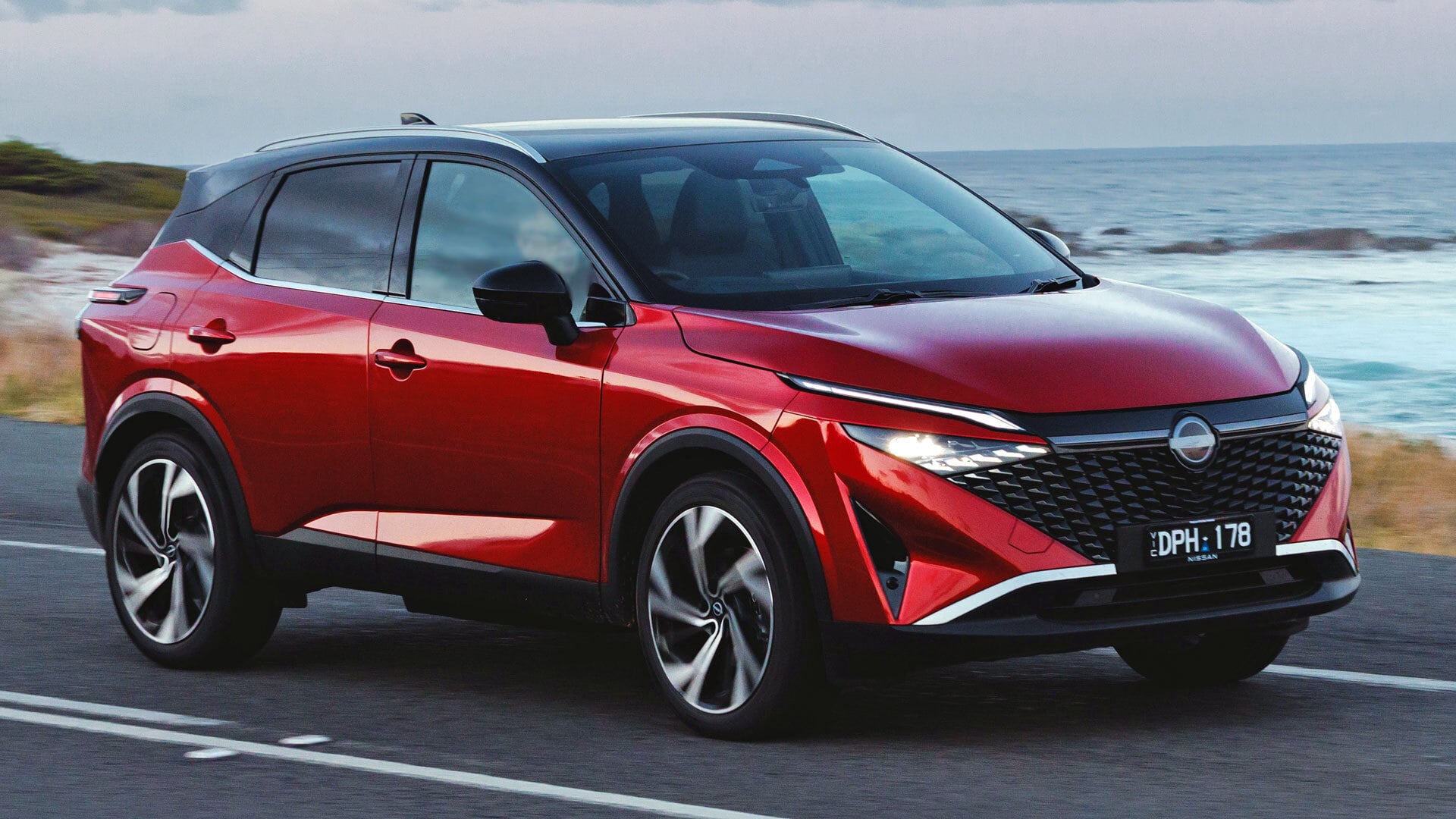
Sources familiar with Nissan’s plans say development of the electric Qashqai was halted as part of the company’s restructuring program.
The move represents a major departure from Nissan’s 2023 announcement that it would invest heavily in its Sunderland manufacturing facility in the United Kingdom. At the time, the company committed to building electric versions of several existing models there, including the Qashqai.
While Nissan never provided a specific launch date for the battery-electric crossover, the project was widely viewed as a cornerstone of the company’s European electrification strategy.
Even if development were restarted today, the vehicle would likely not reach production until the early 2030s due to the time required to resume engineering and validation work.
Why the Qashqai Matters
The significance of the decision extends beyond the Qashqai, which remains Nissan’s best-selling vehicle in Europe, accounting for roughly 45 percent of the company’s regional sales in 2025. The crossover has become one of the defining products in Nissan’s modern lineup and serves as a critical revenue generator across multiple markets.
In many ways, the Qashqai occupies the same strategic position that vehicles like the Toyota RAV4, Hyundai Tucson, and Volkswagen Tiguan hold for their respective manufacturers.
Failing to offer a fully electric version could leave Nissan vulnerable as more competitors introduce battery-powered alternatives in one of the world’s most EV-friendly regions.
Europe Continues Moving Toward Electrification
Nissan’s decision arrives at a time when electric vehicle adoption remains strong across much of Europe. Several northern European countries are already approaching or exceeding EV market shares that would have seemed unimaginable only a few years ago.
In markets such as Norway, Denmark, the Netherlands, Sweden, and Finland, electric vehicles now account for a substantial portion of new vehicle registrations.
While adoption remains slower in parts of southern and eastern Europe due to infrastructure and affordability challenges, the broader trend continues moving toward electrification.
That makes the shelving of the electric Qashqai particularly noteworthy. Instead of expanding its EV offerings in a growing segment, Nissan appears to be prioritizing short-term financial stability over immediate product development.
A Bigger Change in Nissan’s Product Plans
The cancellation is not an isolated decision. Earlier this year, Nissan confirmed it would abandon plans to build two electric SUVs at its Canton, Mississippi, assembly plant. Those vehicles were initially delayed before eventually being removed from the company’s production roadmap altogether.
The automaker has also announced plans to reduce the total number of models in its global lineup as part of an effort to improve efficiency and reduce costs.
At the same time, Nissan is increasingly emphasizing hybrid vehicles as a bridge between conventional internal-combustion models and fully electric products. Company executives have repeatedly described their strategy as a balanced approach to electrification rather than an aggressive push toward all-EV lineups.
Sunderland’s Future Remains Unclear
Questions also remain about the future role of Nissan’s Sunderland facility, Britain’s largest vehicle manufacturing plant. The company continues to build the Leaf there and recently confirmed plans for an electric version of the Juke crossover.
However, reports indicate Nissan is also exploring partnerships that could allow other manufacturers to utilize part of the facility’s production capacity.
One such agreement involves Chinese automaker Chery, with both companies studying the possibility of building Chery vehicles at Sunderland. Such an arrangement could help Nissan improve factory utilization while generating additional revenue.
The move highlights the increasingly complex challenges facing global automakers as they balance investment in future technologies with the financial realities of today’s market.
A Critical Moment for Nissan
Nissan’s decision to halt the electric Qashqai project underscores the difficult position many legacy automakers now face. Developing competitive EVs requires enormous investment, yet profitability remains under pressure across much of the industry.
For Nissan, preserving cash may be a necessary short-term priority. The company is restructuring operations worldwide, reducing costs, and searching for ways to stabilize its business after several turbulent years.
The long-term risk is that competitors may continue advancing while Nissan pauses. If European EV demand maintains its current trajectory, the absence of an electric version of the company’s most important crossover could become increasingly difficult to ignore.
Whether the decision ultimately proves prudent or costly will depend largely on how quickly the EV market evolves over the next several years. What is clear is that Nissan’s electrification roadmap looks very different today than it did just a few years ago.