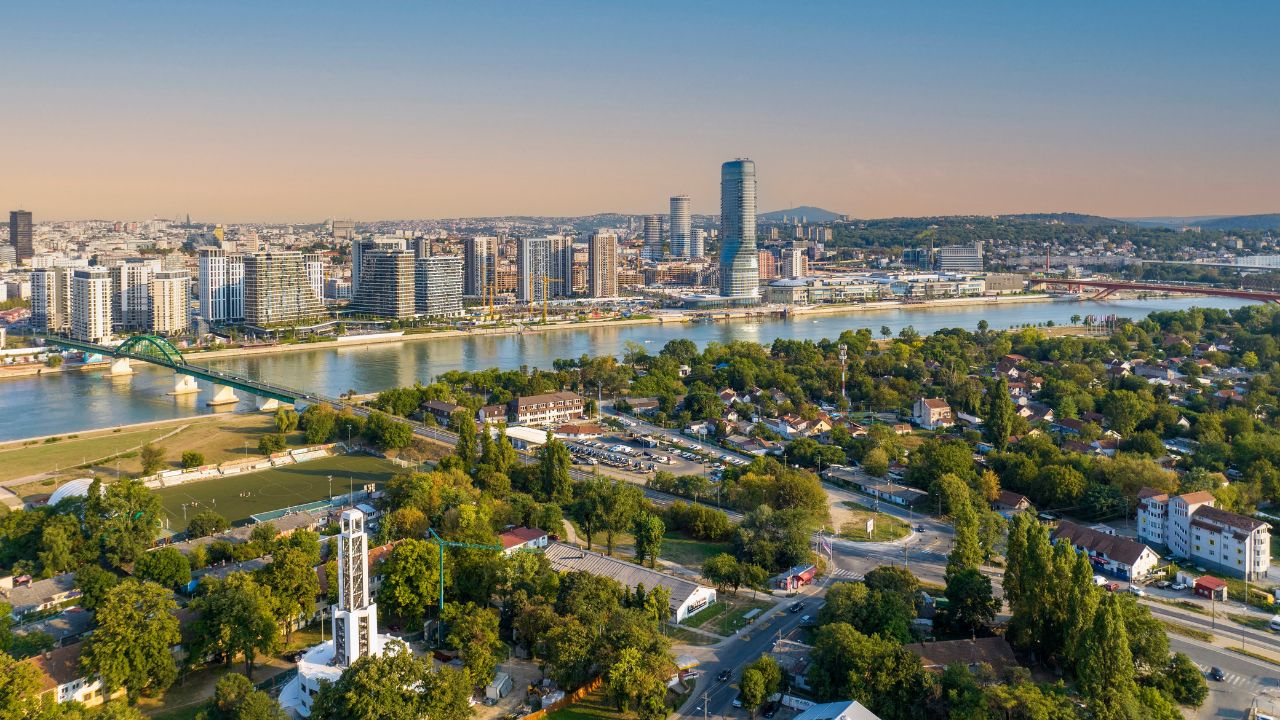
Europe’s biggest cities, Paris, Rome, Berlin, and London, tend to grab the headlines, but the continent’s real soul often lives in its lesser-known urban gems. These are places where you can sip espresso beside Gothic cathedrals, walk through art-filled neighborhoods without a tour group in sight, and dance in underground clubs that locals still keep secret. They’ve got the energy, the creativity, and the culture of the big names, but with more authenticity and far less chaos.
Each of these sixteen cities offers the buzz of a capital without the burnout, food scenes that rival Michelin hotspots, art galleries tucked into repurposed factories, and nightlife that lasts until dawn but never feels overcrowded. They’re cities where creativity thrives in the open air, where you can wander for hours and still stumble upon something unexpected. These are the places where Europe feels both timeless and brand new, and where you might just fall in love with city life all over again.
Valencia, Spain — Sunshine and Future-Ready Style

Valencia is what happens when tradition meets imagination. This Mediterranean powerhouse blends golden beaches, futuristic architecture, and some of the best food in Spain, all under 300 days of sunshine a year. The City of Arts and Sciences gleams like a sci-fi dreamscape, while just a few minutes away, locals sip horchata in centuries-old plazas lined with orange trees.
But Valencia’s rhythm is what really hooks you. It’s a city that moves with confidence but without arrogance, cyclists glide past murals, families picnic in the Turia Gardens, and restaurants stay full well past midnight. The Mercado Central buzzes with fresh seafood, saffron, and laughter, while the smell of paella drifts through side streets like an open invitation.
It’s a city with the vibrancy of Barcelona, but the authenticity of a place still rooted in its own rhythm. You don’t visit Valencia, you live it, one sunlit meal and one late-night stroll at a time.
Porto, Portugal — Where Grit Meets Glamour

Porto feels like the cool, confident sibling of Lisbon, rugged around the edges, effortlessly beautiful, and always ready for a glass of wine. The city’s hills tumble toward the Douro River, where pastel houses lean into each other like old friends. The bridges shimmer at dusk, and the smell of grilled sardines floats through narrow lanes that twist down to the waterfront.
By day, Porto hums with creativity, galleries in converted warehouses, coffee shops buzzing with remote workers, and vintage trams rattling past tiled façades. By night, it turns electric: live fado in candlelit bars, clinking glasses of port, and conversations that last until morning. There’s an honesty to Porto’s charm that’s impossible to fake.
What makes Porto special is its mix of old and new, a city comfortable in its own imperfections. You come for the wine, you stay for the soul, and you leave already planning your return.
Ghent, Belgium — Medieval Beauty, Modern Mindset

Ghent might be one of Europe’s best-kept secrets. With its cobblestone streets, canals, and Gothic spires, it looks straight out of a fairytale, but don’t let that fool you. Beneath the historic surface, Ghent is buzzing with youthful creativity, sustainability, and progressive energy. The university keeps it lively, the art scene keeps it daring, and the locals keep it grounded.
You’ll find students sipping craft beers by the Graslei, artists painting in riverside studios, and chefs turning local ingredients into modern masterpieces. The city runs almost entirely on renewable energy, yet it never feels preachy, just naturally ahead of its time. Cycling is second nature here, and the blend of medieval architecture and modern ideals feels seamless.
Ghent’s magic lies in its balance, historic but forward-thinking, romantic but real. It’s proof that small cities can think big and live beautifully.
Ljubljana, Slovenia — The Greenest Capital in Europe

Ljubljana is small but mighty, a capital that feels like a village wrapped in elegance. The Ljubljanica River winds through pastel streets lined with cafés, and the castle perched above keeps silent watch over it all. Cars are banned from most of the center, so the soundtrack is laughter, bicycles, and the gentle splash of oars.
This is a city built for slow discovery. You drift between markets, sip wine by the river, and chat with locals who are genuinely proud of their home. The architecture blends Baroque, Art Nouveau, and modern minimalism, yet it all flows together effortlessly. And when night falls, the city glows, the riverside bars light up, and music floats through the air like a secret.
Ljubljana isn’t trying to impress anyone, and that’s its power. It’s confident, creative, and quietly revolutionary, a green city that proves sustainability can be stunning.
Kraków, Poland — Soul, History, and Modern Spark

Kraków feels eternal. The Old Town, crowned by Wawel Castle, glows with golden light as the sound of street violins drifts through the air. Cafés spill onto cobblestone streets, filled with artists, students, and dreamers. Yet beneath its historical beauty, Kraków hums with youth, tech start-ups, craft breweries, and underground clubs that rival Berlin’s energy.
This is a city that thrives on contrasts. You can spend the morning tracing history through gothic churches and the afternoon in a neon-lit bar built inside an old factory. The Kazimierz district, once the heart of Jewish culture, has transformed into one of Europe’s most creative neighborhoods, without losing its depth.
Kraków’s charm is layered, its energy contagious. It’s a city where every corner has a story, and every night feels like the start of something new.
Bratislava, Slovakia — Where Old Europe Meets the Future

Bratislava doesn’t try to compete with its bigger neighbors, it simply does its own thing. Sitting on the Danube between Vienna and Budapest, this city surprises everyone who gives it a chance. The medieval castle stands proudly over a skyline of glass towers, symbolizing a city straddling its past and future.
Wander the old town and you’ll find quirky statues, hidden courtyards, and cafés tucked behind pastel façades. But step across the river, and it’s all sleek design, craft breweries, and rooftop bars with panoramic views. Bratislava’s compact size makes it intimate, but its vibe feels global, young, tech-driven, ambitious.
It’s the kind of city that’s easy to underestimate, and impossible to forget. It may not shout for attention, but it rewards anyone curious enough to listen.
Lille, France — Art, Style, and Northern Cool
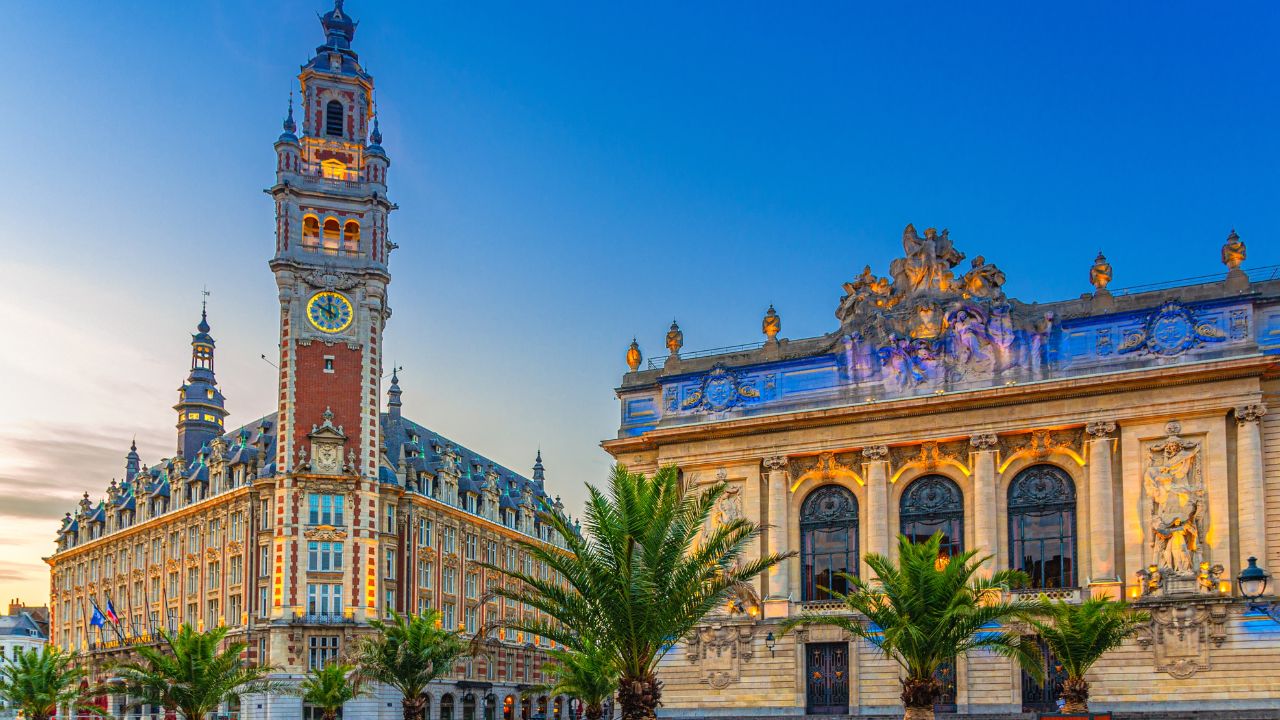
Lille is where Parisian elegance meets industrial grit, and the result is pure character. The city’s Flemish architecture glows in the northern light, its squares buzz with cafés and street performers, and its people are disarmingly friendly, something you don’t always get in France’s bigger cities.
Art is everywhere in Lille, from world-class museums like Palais des Beaux-Arts to murals on forgotten walls. The local food scene blends French finesse with Belgian comfort: moules-frites, waffles, and fine wine all in the same meal. And when night falls, the students take over, filling the bars and terraces with laughter and life.
Lille feels like Paris without the pretense, fashionable, cultural, and endlessly fun, but grounded in authenticity. It’s the kind of city that makes you wonder why more people don’t talk about it.
Trieste, Italy — Where Cultures Collide and Coffee Reigns Supreme

Trieste is Italy’s quiet cosmopolitan corner, a port city that’s seen empires rise and fall, and somehow absorbed the best of all of them. Wedged between Italy, Slovenia, and the Adriatic Sea, it’s a crossroads of cultures, where Italian passion meets Austro-Hungarian grandeur and a whisper of Slavic mystery. The cityscape feels more Vienna than Venice, with neoclassical palaces, grand cafés, and an elegance that’s both nostalgic and sophisticated.
There’s no better place to feel Trieste’s pulse than in one of its historic coffeehouses. Locals have been perfecting the art of espresso here for centuries, this is, after all, the spiritual home of Illy. Sit by the harbor as the bora wind sweeps through the piazza, and you’ll understand why poets like James Joyce found their muse here. The city feels introspective yet alive, a place where conversations stretch for hours and time slows to the rhythm of the Adriatic tide.
But beneath its old-world charm, Trieste is quietly modern, full of university students, galleries, and experimental restaurants. It’s cultured but never crowded, stylish without trying, and endlessly fascinating to those who linger. Trieste doesn’t beg to be noticed, it rewards those who notice it first.
Bergen, Norway — Fjordside Magic with Urban Soul

Bergen looks like it belongs in a fairytale, rows of colorful wooden houses leaning against misty mountains, the scent of sea air mixing with pine. But behind its postcard beauty is a city brimming with energy, art, and a deep creative streak. Known as the gateway to the fjords, Bergen is much more than a jumping-off point, it’s a cultural powerhouse with a heart as deep as the waters that surround it.
On a rainy afternoon (and yes, there will be many), locals gather in cozy cafés, the smell of fresh cinnamon buns and coffee filling the air. Musicians busk beneath umbrellas, and galleries showcase everything from modern photography to Nordic design. The city’s compact layout makes exploration easy, one minute you’re on the harbor eating fish fresh from the sea, the next you’re hiking Mount Fløyen with panoramic views over the fjords.
Bergen has the calm of a small town and the soul of a metropolis. Its weather may be unpredictable, but its charm never is, it’s a place that seeps into your memory like the lingering sound of a violin in the mist.
Tallinn, Estonia — Medieval Walls, Digital Brains

Tallinn is where the 13th century and the 21st collide in perfect harmony. The city’s medieval Old Town, with its spires, cobblestones, and fortified walls, looks untouched by time, yet just beyond, glass towers rise, housing one of Europe’s most advanced tech scenes. Estonia’s capital is a paradox that works: ancient, digital, poetic, and efficient.
You can wander through Toompea Hill, where church bells echo over red rooftops, and within minutes, be sipping coffee in a sleek co-working space or a minimalist café filled with coders. The mix feels effortless, Tallinn doesn’t cling to its history; it evolves from it. Festivals light up the streets year-round, from jazz to film to medieval fairs that feel oddly futuristic in their precision.
Tallinn’s energy lies in its confidence. It’s small but global, proud but unpretentious. It’s the kind of city where innovation and imagination walk hand in hand through history’s narrow lanes.
Graz, Austria — Creative Calm in the Shadow of Vienna

Graz is Austria’s best-kept secret, a city of contrasts that balances imperial beauty with avant-garde cool. While Vienna gets all the fame, Graz hums with quiet sophistication, its Baroque palaces sharing space with futuristic art installations. The Mur River cuts through the city like a dividing line between eras, and bridges connect not just neighborhoods, but generations of ideas.
Locals love their food here, this is Austria’s culinary heart, with farmers’ markets overflowing with fresh produce, pumpkin-seed oil, and regional wines. Street cafés line every corner, and conversation flows as easily as the local white wine. Add in a vibrant student population, and you get a city that feels young, hungry, and creative.
At night, Graz glows, not with the flash of a capital, but with the warmth of community. Music spills from courtyards, bicycles glide past illuminated architecture, and the whole city feels like a living art piece. Its European charm turned effortless.
Antwerp, Belgium — Fashion, Diamonds, and Urban Edge

Antwerp isn’t just stylish, it defines style. The Belgian city that gave the world avant-garde fashion and some of the best chocolate on earth walks a line between tradition and rebellion like no other. Its streets mix Gothic cathedrals with edgy boutiques, and every corner feels alive with creativity.
In the heart of the city, designers experiment, artists collaborate, and baristas treat coffee like fine art. The port, one of the largest in Europe, gives Antwerp an international energy, you feel the hum of commerce, ambition, and diversity. By night, the vibe shifts from sophistication to pulse-pounding nightlife, with hidden bars and art-house cinemas tucked behind old warehouses.
Antwerp’s beauty lies in its contradictions: elegant yet raw, luxurious yet approachable. It’s not a city that needs your approval, it already knows exactly who it is.
Riga, Latvia — Art Nouveau and Baltic Cool

Riga may be small, but it radiates grandeur. The Latvian capital has one of the largest collections of Art Nouveau architecture in Europe, each building more intricate and expressive than the last. Walking its boulevards feels like drifting through a dream carved in stone and glass. Yet beyond the façades, Riga buzzes with young energy, creativity, and a deep Baltic sense of independence.
The Old Town, with its cobblestone streets and soaring spires, offers history in every direction. Venture into the hip Miera iela district, and you’ll find indie cafés, record stores, and breweries where locals debate politics and music until dawn. The food scene has exploded, blending Nordic minimalism with hearty Eastern flavors.
Riga is both nostalgic and forward-looking, a city that honors its past without being trapped by it. It’s elegant, edgy, and full of surprises.
Split, Croatia — Ancient Walls, Modern Vibes

Split is a masterpiece of contradictions: ancient yet alive, relaxed yet restless. The heart of the city beats within Diocletian’s Palace, a 4th-century Roman complex that’s now filled with bars, boutiques, and buzzing cafés. You can literally drink espresso inside a ruin, and somehow, it feels natural.
As the sun dips behind the Adriatic, the promenade (Riva) comes alive with music, laughter, and the clink of wine glasses. Locals take evening strolls, children chase seagulls, and travelers linger long after sunset. The vibe is coastal but urban, think ancient Rome meets modern Riviera.
Split’s beauty isn’t just in its setting, it’s in its rhythm. Life moves slowly here, yet the energy feels unstoppable. It’s proof that you don’t need skyscrapers to feel like you’re in the center of the world.
Tbilisi, Georgia — Where the Past and Future Collide

Tbilisi sits at the crossroads of Europe and Asia, and it shows in every detail, Persian balconies, Soviet mosaics, and glass bridges that span ancient rivers. It’s chaotic, soulful, and utterly magnetic. The old town is a tangle of alleys where wine flows like water and locals welcome strangers as family.
The city’s creative scene has exploded in recent years. Abandoned factories have turned into art galleries and techno clubs, while local designers bring Georgian heritage into global fashion. The food, rich, spiced, and endlessly comforting, is reason enough to stay.
Tbilisi’s vibe is unlike anywhere else in Europe: part bohemian, part futuristic, and entirely unforgettable. It’s the kind of city that leaves a mark long after you’ve left.
Belgrade, Serbia — Raw, Real, and Electric

Belgrade doesn’t pretend to be perfect, that’s exactly why it’s unforgettable. The Serbian capital is gritty, loud, and unapologetically alive. Its streets tell stories of empires and revolutions, but its people look forward with a kind of fierce optimism that’s contagious.
By day, you’ll find riverfront cafés, sprawling parks, and neighborhoods like Dorćol filled with artists and dreamers. By night, the city transforms, floating clubs (splavovi) along the Danube explode with music and light, and strangers become friends before sunrise. The energy never fades; it just changes tempo.
Belgrade has that rare big-city heartbeat that feels human, messy, passionate, and real. It’s Europe’s most underrated capital, a place that proves authenticity will always outshine perfection.