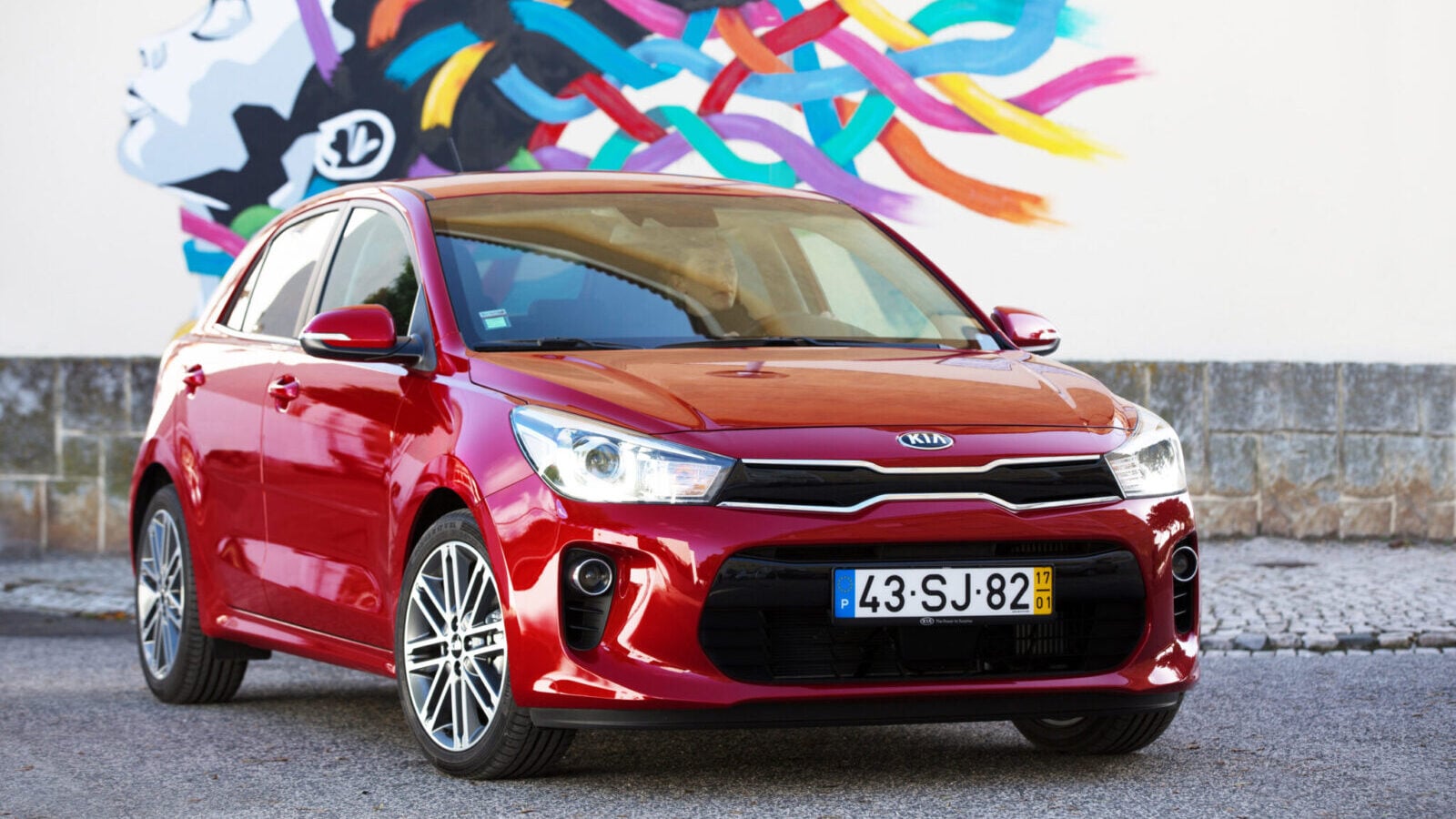
The viral car theft trend known as the “Kia Boys” might have faded from social media headlines, but its consequences are proving much harder to shake. Researchers at UCLA believe the problem could continue affecting Hyundai and Kia owners for decades.
The theft wave gained notoriety when videos circulated online showing how certain Hyundai and Kia vehicles without engine immobilizers could be stolen using basic tools. What began as a social media phenomenon eventually became a major headache for owners, insurers, and police departments across the United States.
Hyundai and Kia have since introduced security improvements, and theft rates have started to decline. However, millions of older vehicles don’t simply disappear from the roads when manufacturers introduce better anti-theft technology.
A new UCLA study suggests that this aging population of vulnerable vehicles could keep the problem alive well into the 2040s. Researchers examined theft patterns in Los Angeles and used mathematical modeling to estimate how long the effects might persist.
Some Vulnerable Cars Could Still Be Around In 2050
The study focused on Hyundai Sonata thefts in Los Angeles, examining how the Kia Boys phenomenon affected theft patterns over time. Researchers then developed a model projecting how those patterns could evolve through 2050.
Their findings suggest thefts involving vulnerable Hyundai and Kia models could stay above historical baseline levels until at least 2042. The model predicts that the problem will become negligible sometime between 2043 and 2050, largely because the affected vehicles will eventually be scrapped.
It’s important to note that the researchers aren’t predicting that the same viral theft trend will necessarily be popular for another 24 years. Instead, their projections suggest the security weaknesses in older vehicles could continue creating opportunities for thieves long after the original social media craze fades.
Lower-Income Neighborhoods Could Be Hit Hardest
The researchers also expect the problem to affect different parts of Los Angeles unevenly. Higher-income neighborhoods are likely to see vulnerable vehicles disappear sooner as owners replace older cars with newer models.
Lower-income communities, meanwhile, may continue acquiring those same vehicles through the used-car market. That could leave residents exposed to elevated theft risks long after the problem has largely disappeared from wealthier areas.
The study’s projections are specific to Los Angeles, so they shouldn’t be interpreted as a nationwide forecast. Still, the underlying issue of vulnerable cars circulating through the secondhand market isn’t unique to California.
Security Fixes Haven’t Erased The Problem
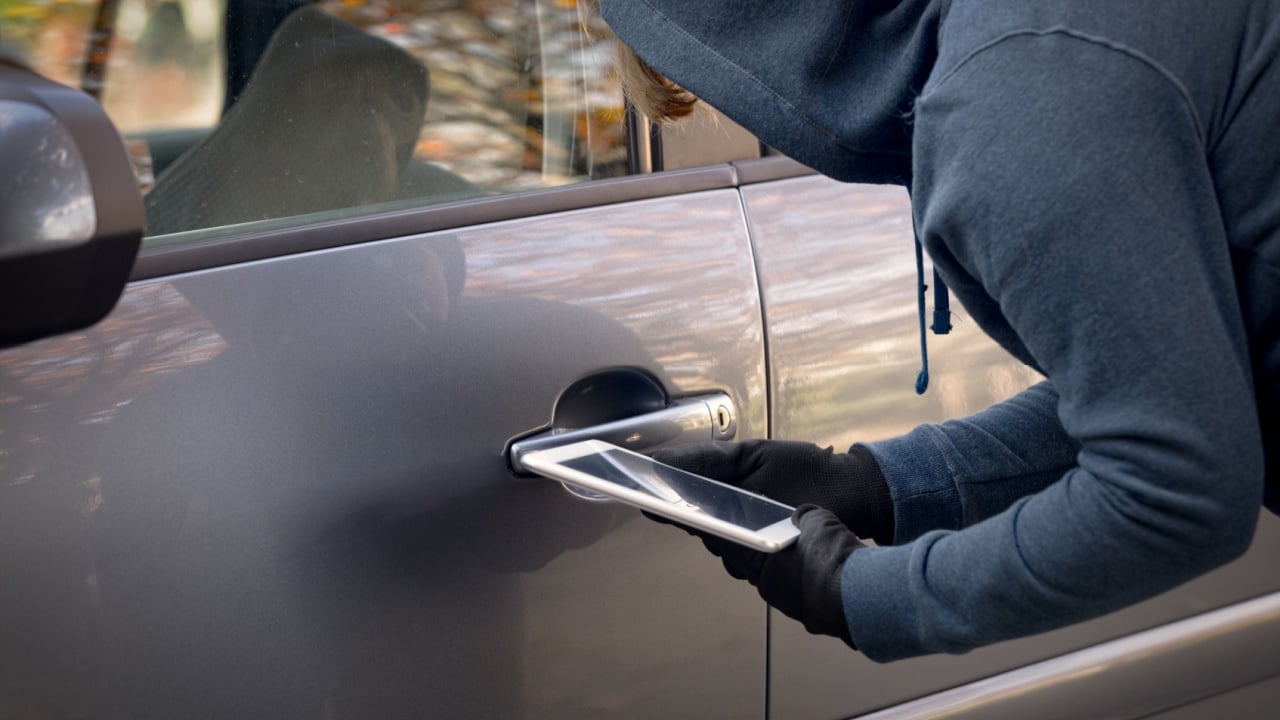
The original vulnerability affected certain Hyundai and Kia models sold without electronic engine immobilizers, particularly lower-cost versions with conventional ignition systems. Viral videos helped turn that weakness into a widely recognized target for thieves.
Both automakers responded with security measures, including software updates for eligible vehicles and additional anti-theft equipment. Newer models also received immobilizers as standard equipment, addressing the underlying weakness in subsequent production.
Those changes have helped reduce thefts, although the study suggests the existing fleet could take many years to age out of circulation. Owners of affected vehicles should check whether applicable security updates have been installed and consider additional theft deterrents.
The researchers’ forecast is a warning that a vehicle security decision made years ago can have consequences long after the industry has moved on, not a guarantee that Kia Boys-style thefts will continue until 2050.