
Electric vehicles have endured a difficult year in the United States, with sales slowing and automakers reconsidering some of their ambitious electrification plans. Now, an unexpected factor could help convince Americans to give battery-powered cars another look.
Gasoline prices have become a growing concern for drivers, particularly as geopolitical tensions put pressure on fuel costs. For households already struggling with expensive new cars, the prospect of avoiding regular visits to the gas station is becoming increasingly attractive.
The change is beginning to show up in dealership conversations and recent sales figures. According to Bloomberg, several automakers are seeing renewed interest in electric vehicles after months of uncertainty.
It’s still too early to declare a full-scale EV comeback, especially with hybrids continuing to attract plenty of buyers. However, the latest developments suggest the American electric car market may finally be finding its footing after losing federal purchase incentives.
Tesla And Rivian Are Beating Expectations
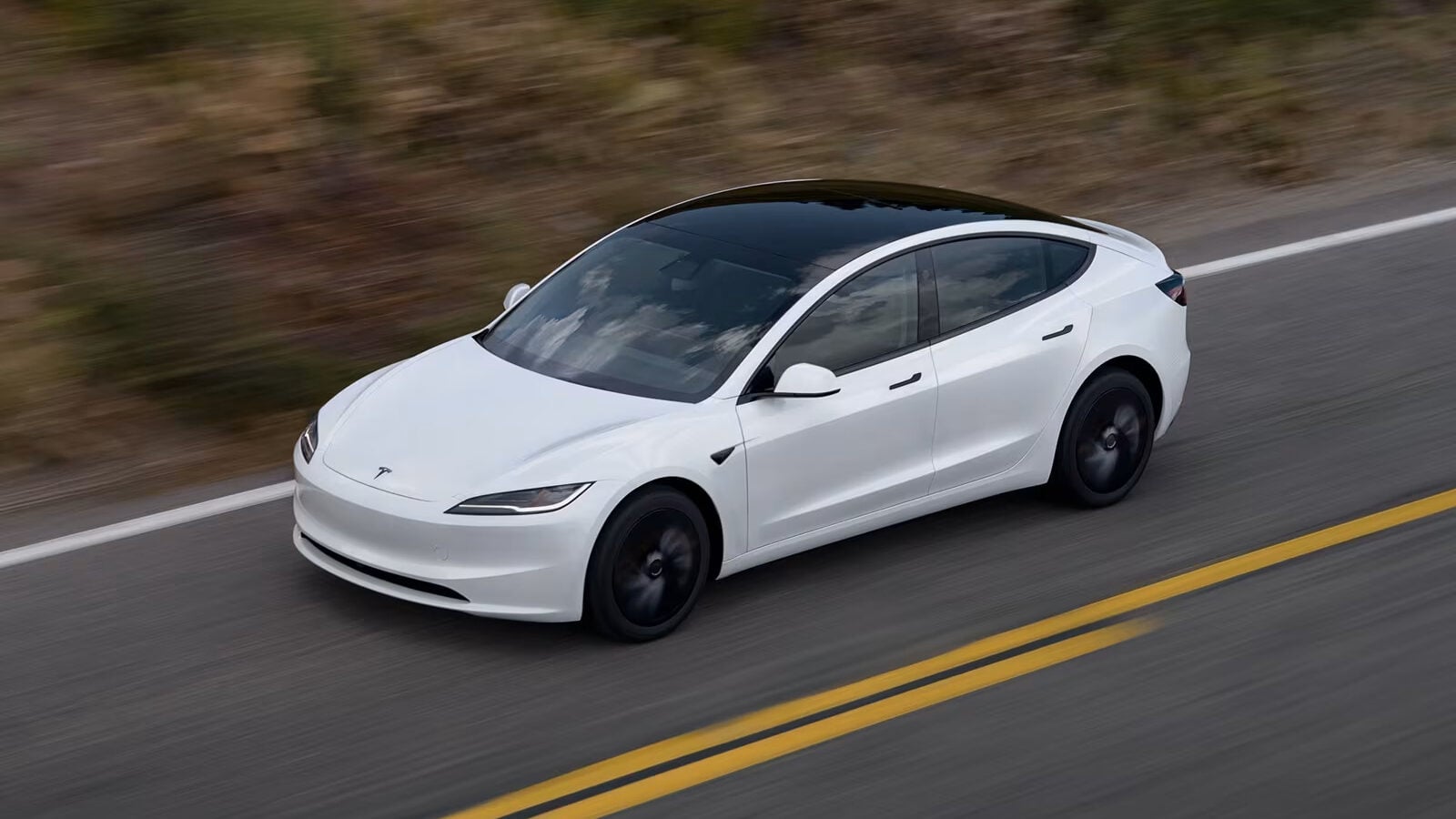
Two of America’s biggest electric vehicle manufacturers delivered encouraging third-quarter results. Tesla reported 486,532 vehicle deliveries, exceeding analysts’ expectations of approximately 464,000.
That figure was still 2.1% below the same quarter last year, when buyers rushed to secure federal EV tax credits before they expired. Nevertheless, the relatively small decline suggests Tesla has weathered the post-incentive slowdown better than some analysts anticipated.
Rivian also exceeded expectations, delivering 19,248 vehicles against forecasts of roughly 17,600. The arrival of its less expensive R2 SUV helped strengthen sales, offering buyers an alternative to the company’s pricier R1 models.
These results don’t necessarily prove that expensive gasoline is directly responsible for increased EV interest. New products, improved availability, and changing consumer preferences could also be influencing purchasing decisions.
Dealers Are Asking For More Electric Cars
Hyundai North America CEO Randy Parker told Bloomberg that rising fuel prices have contributed to renewed EV demand. He said an increasing number of Hyundai dealerships are requesting additional electric vehicle inventory.
Ford is hearing similar requests, particularly for the Mustang Mach-E. Ford’s U.S. sales chief, Rob Kaffl, said returning Mach-E customers are showing interest in replacing their existing electric vehicles with newer examples.
However, Hyundai isn’t rushing to increase production despite the encouraging feedback. Parker emphasized that the market remains volatile, making the company cautious about building too many vehicles before demand becomes more predictable.
The EV Market Still Has Plenty Of Problems
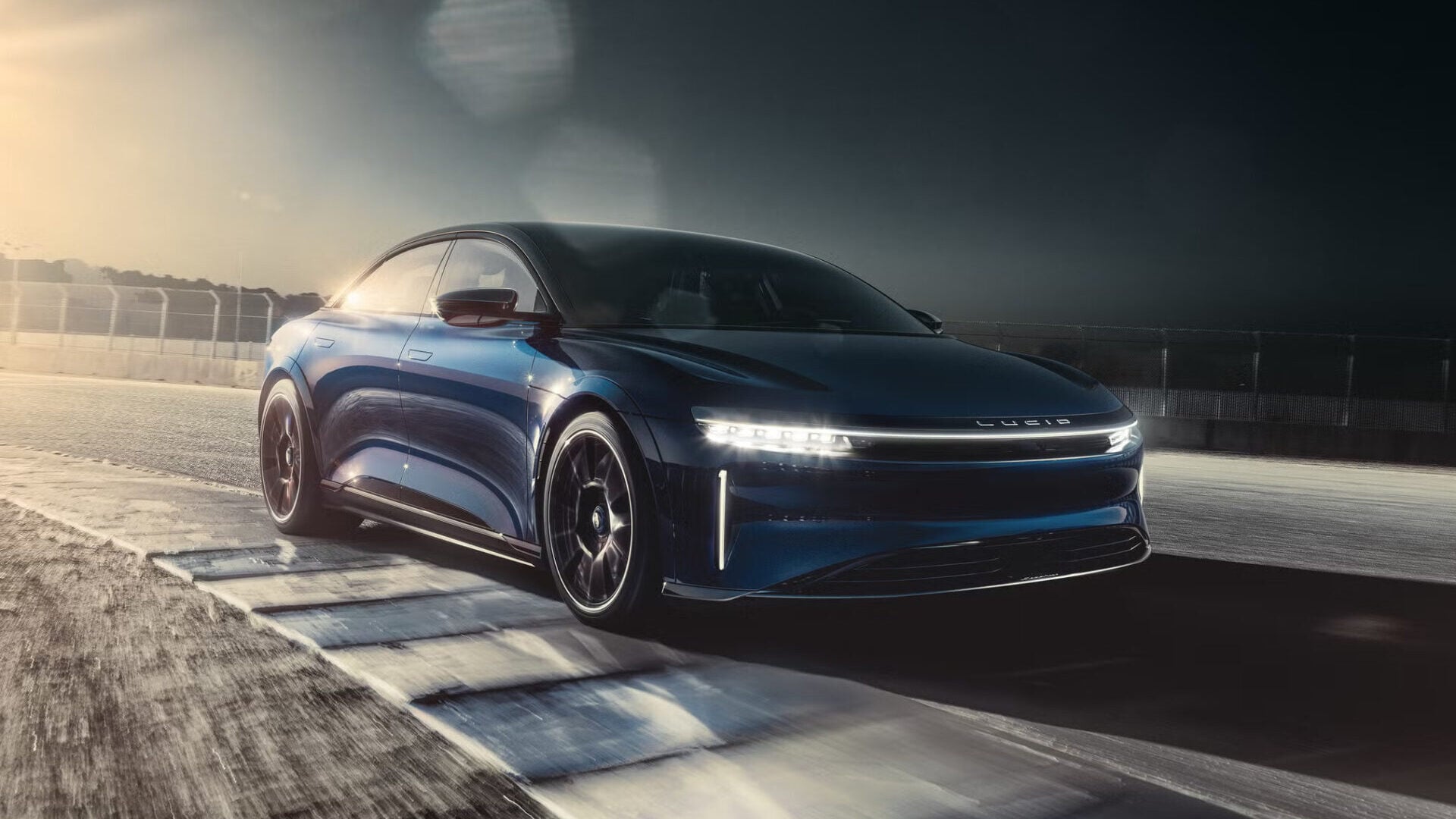
The numbers show why automakers remain cautious. According to Cox Automotive, EVs account for roughly 6% of the U.S. new-vehicle market in 2026, down from nearly 11% during last year’s tax-credit-driven sales surge.
Several individual models are also experiencing steep declines. Hyundai’s Ioniq 5 sales fell 65% year over year in September, while GM reported significant third-quarter declines for electric models, including the Chevrolet Equinox EV and Blazer EV.
There are some encouraging signs beyond vehicle deliveries, though. Bloomberg reports that EV dealership inventory has fallen from approximately 180 days of supply earlier this year to 78 days in August, bringing it closer to conventional vehicle inventory levels.
Could 2027 Bring A Bigger Recovery?
TD Cowen analysts believe a stronger EV recovery could emerge in 2027 or 2028 as manufacturers introduce newer models and increasingly sophisticated driving technology. More affordable vehicles could also help attract buyers who previously found electric cars too expensive.
High gasoline prices appear to be giving some shoppers another reason to consider going electric. Whether that interest becomes a sustained sales recovery will depend on pricing, charging infrastructure, and how quickly automakers can deliver vehicles people actually want to buy.