
America’s automotive market has lost roughly one million new-car buyers over the past six years, raising concerns about the long-term health of the industry. Before the pandemic, annual U.S. vehicle sales regularly hovered around 17 million units, but forecasts for 2026 suggest the market will struggle to reach 16 million.
For years, many analysts expected sales to eventually rebound to pre-pandemic levels once supply chain disruptions eased and vehicle inventories recovered. Instead, the opposite appears to be happening as affordability concerns continue to push many consumers out of the new-car market altogether.
Rising vehicle prices, higher borrowing costs, and broader economic pressures have created a challenging environment for buyers. As a result, industry experts increasingly believe the missing million customers may not return anytime soon.
The trend highlights a growing disconnect between what many consumers can afford and what automakers are currently building and selling.
The Affordability Crisis Continues
The biggest factor behind declining sales is the fact that new vehicles have become increasingly expensive. Average transaction prices for new vehicles in the United States now hover around $50,000, placing many models out of reach for middle-income households.
At the same time, consumers are dealing with persistent inflation, elevated interest rates, higher insurance costs, and rising everyday expenses.
Financing a new vehicle has become significantly more expensive than it was just a few years ago. Even buyers who can afford monthly payments often find themselves paying substantially more in interest over the life of a loan.
The result is that many shoppers who previously would have purchased a new vehicle are either delaying their purchase or exiting the market entirely.
Automakers Are Selling Fewer Vehicles… And Making More Money
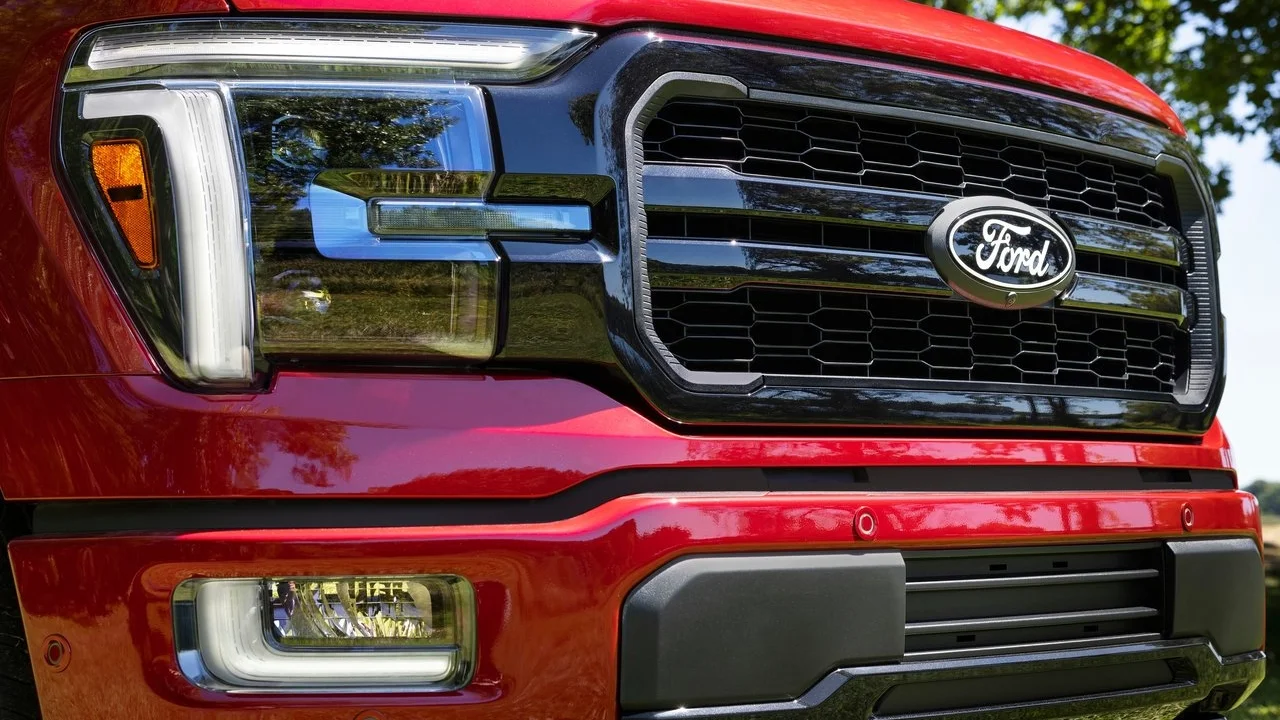
Ironically, lower sales volumes have not necessarily translated into lower profits for many major automakers. Manufacturers such as Ford and General Motors have increasingly focused on high-margin trucks, SUVs, and premium models that generate stronger profits than smaller, more affordable vehicles.
While fewer vehicles may leave dealership lots, the profits earned on each sale are often significantly higher. This strategy has worked well for automakers in recent years, particularly during supply shortages when companies prioritized their most profitable products.
However, it has also contributed to a market where affordable entry-level vehicles have become increasingly scarce, further limiting options for budget-conscious buyers.
Buyers Are Holding Onto Their Cars Longer
With both new and used vehicle prices remaining elevated, many Americans have chosen a different solution: keeping their current vehicles for longer.
According to industry data, the average age of vehicles on U.S. roads has climbed to approximately 13 years, the highest level ever recorded. Improved reliability has certainly helped modern vehicles last longer, but economic necessity is playing an increasingly important role.
Many consumers simply cannot justify replacing a functioning vehicle when the cost of upgrading has risen so dramatically. This trend has ripple effects throughout the automotive ecosystem, influencing everything from maintenance spending and repair demand to future vehicle sales volumes.
Used Cars Aren’t Providing Much Relief
Traditionally, buyers priced out of the new-car market could turn to used vehicles as a more affordable alternative. That option has become less attractive as well.
Used-car prices remain historically high due to limited supply and continued demand from shoppers avoiding new-car prices. Depending on the vehicle’s age and condition, average used-car transaction prices still range from roughly $25,000 to more than $30,000.
That means many buyers face expensive choices regardless of whether they shop new or used. While inventory levels have improved compared to the height of the pandemic, prices have not fallen enough to significantly improve affordability for many households.
A Long Road Back
Industry forecasts suggest U.S. vehicle sales may remain flat or even decline slightly through 2026. Some analysts believe it could take until the end of the decade before annual sales return to the 17-million-unit levels that once seemed routine.
Several automakers have announced plans to introduce more affordable vehicles, but those products remain years away in many cases. Until then, high prices and expensive financing are expected to continue weighing on demand.
The loss of one million buyers in such a short period is a striking reminder of how dramatically the automotive market has changed. While automakers may currently be earning healthy profits, a shrinking pool of customers raises important questions about how sustainable that success will be if affordability continues to deteriorate.
For many Americans, the dream of buying a new car hasn’t disappeared. It’s simply become harder to justify than ever before.