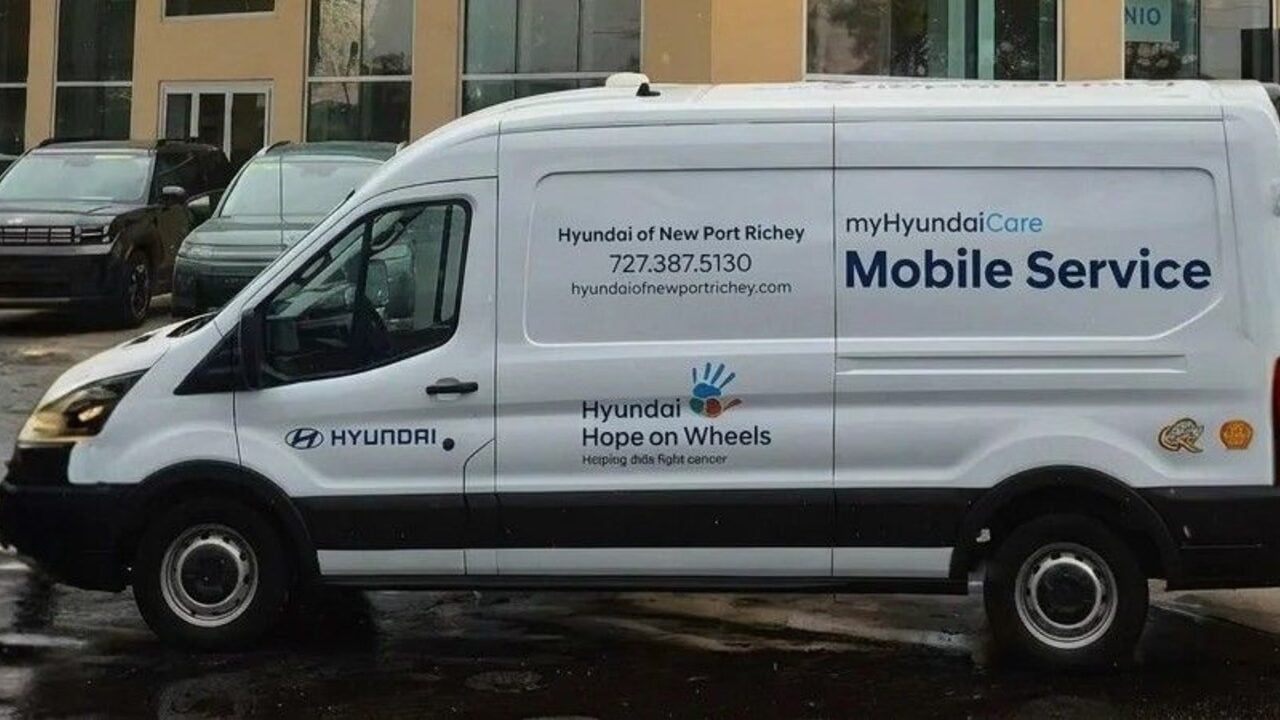
Hyundai is taking vehicle servicing directly to customers as it looks to solve a growing problem created by its own success. After years of rapid sales growth in the United States, the automaker’s dealer service network has struggled to keep pace with the increasing number of vehicles requiring maintenance and repairs.
To help ease the pressure, participating Hyundai dealerships are rolling out a new mobile service program that sends factory-trained technicians to customers’ homes and workplaces. The initiative is designed to reduce dealership congestion while making routine maintenance more convenient for owners.
The program follows a successful pilot and will continue expanding throughout 2026. Hyundai’s goal is to have 150 active mobile service units operating across the country by the end of the year.
For customers frustrated by long waits for service appointments, the new approach could significantly reduce the time and inconvenience associated with maintaining their vehicles.
Hyundai’s Growing Service Challenge
Hyundai has experienced remarkable growth in the U.S. market over the past decade. The company surpassed 900,000 annual vehicle sales in 2025 as buyers flocked to its expanding lineup of SUVs, hybrids, and electric vehicles.
While strong sales are good news for the automaker, they have created additional strain on dealership service departments. More vehicles on the road naturally generate more maintenance visits, warranty repairs, software updates, and recall work.
Many dealerships have found themselves struggling to accommodate the increased demand. Customers in some markets have reported lengthy waits for appointments, while service departments have faced growing workloads amid ongoing technician shortages and parts supply challenges.
Rather than relying solely on expanding physical service facilities, Hyundai is now looking for ways to increase capacity outside the traditional dealership model.
Bringing The Service Department To Customers
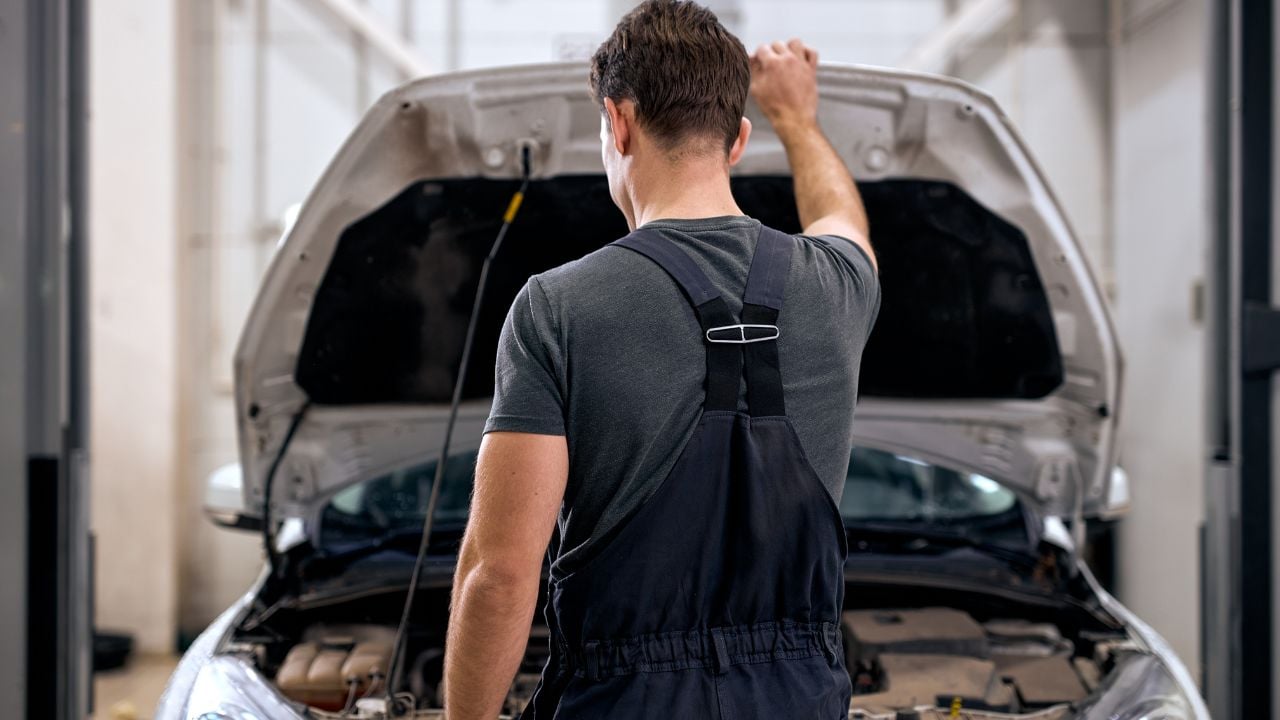
The new mobile service program allows participating dealerships to perform a range of maintenance and repair tasks directly at a customer’s location.
Specially equipped service vans can handle oil changes, tire rotations, brake pad and rotor replacements, software updates, service campaigns, and detailing services. Hyundai says the work will be completed by factory-trained technicians using genuine Hyundai parts.
Customers can schedule appointments through participating dealerships and choose locations such as their homes or workplaces.
According to Hyundai Motor America Vice President of Aftersales and Customer Experience Michel Poirier, the goal is to minimize disruption and create a more convenient ownership experience.
Instead of spending time driving to a dealership and waiting for service to be completed, owners can have routine maintenance performed while they continue with their normal daily activities.
Expanding Capacity Without Building New Service Bays
The mobile service initiative is also a practical solution to dealership capacity limitations. Routine maintenance jobs often occupy service bays that could otherwise be used for more complex repairs and diagnostics. By moving simpler tasks into mobile units, dealerships can free up additional space and technician time inside their facilities.
Hyundai is supporting participating dealers with vehicle upfitting guidance, software integration, and operational training to help ensure consistent service quality across the program.
The company believes the strategy will improve service retention by keeping customers within the Hyundai network while also strengthening long-term owner satisfaction.
A Sign Of Changing Customer Expectations

Mobile service programs are becoming increasingly common across the automotive industry as manufacturers look for ways to improve convenience and differentiate themselves from competitors.
For Hyundai, however, the rollout also reflects the realities of managing a rapidly growing customer base. The company has invested heavily in expanding its U.S. operations and continues to launch new models at an aggressive pace, which places additional pressure on aftersales support.
The new mobile service program offers a practical way to bridge the gap while dealers continue making longer-term investments in facilities and staffing.
Whether it fully solves Hyundai’s service capacity challenges remains to be seen, but for many owners, having routine maintenance performed in their own driveway is likely to be a welcome change. As Hyundai works toward deploying 150 mobile units nationwide, the initiative could become an increasingly important part of the brand’s customer experience strategy.