Chinese automakers have effectively been locked out of the U.S. new-car market, even as brands from China expand rapidly elsewhere. High tariffs and restrictions surrounding connected-vehicle technology have created substantial barriers to their arrival.
American automakers aren’t eager to see those barriers disappear. The industry has been pushing for even stronger restrictions as concerns grow over China’s manufacturing scale, government subsidies, and increasingly competitive vehicles.
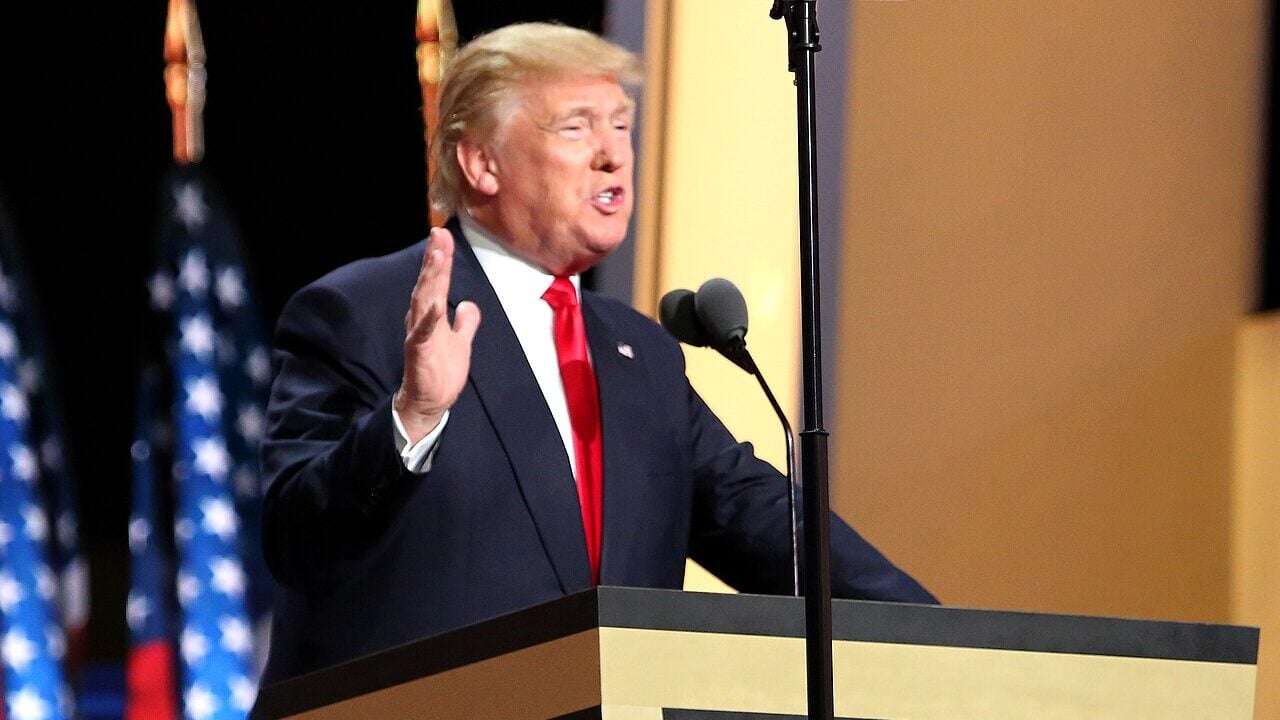
President Donald Trump, however, appears open to one potential route into the country. Rather than importing Chinese-built vehicles, he says Chinese companies could manufacture them on American soil.
“If China wanted to come in and open a plant to build their cars here, I’d be okay with that,” Trump told Fox News’ The Ingraham Angle on September 11. His key condition is that those factories employ American workers.
Trump Points To Japanese Automakers
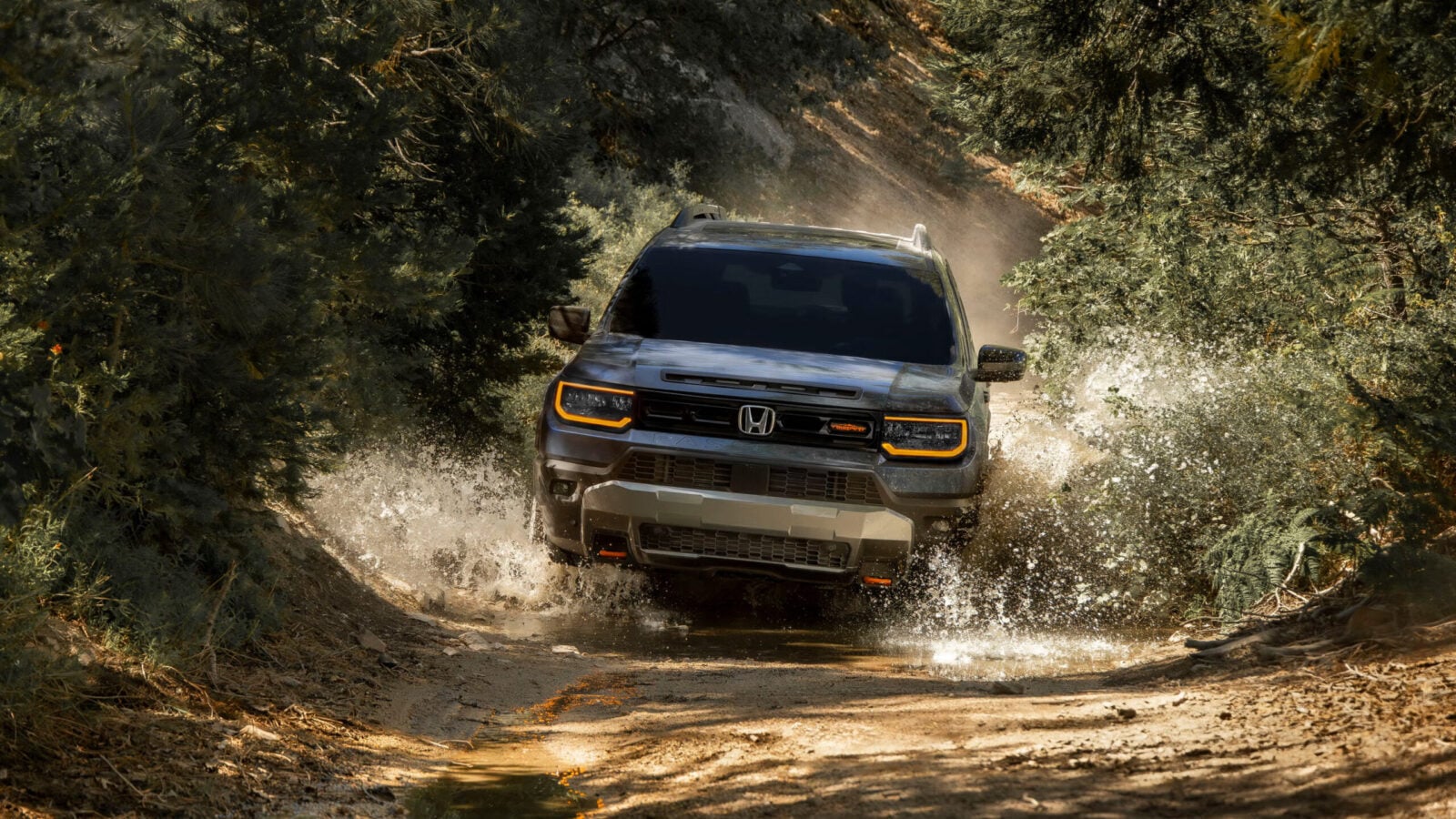
Trump compared the idea with Japanese automakers that operate manufacturing facilities across the United States. “Japan does it, but they hire our people. The big thing is they hire our people,” he said.
That openness does not extend to Chinese automakers building vehicles elsewhere in North America and exporting them into the U.S. Trump specifically said he doesn’t want Chinese companies manufacturing cars in Mexico before shipping them across the border.
His comments also don’t amount to an announcement that existing restrictions will be removed. Regulations introduced under the Biden administration effectively prevent Chinese automakers from selling or building connected passenger vehicles in the United States, while Chinese EV imports face tariffs exceeding 100%.
The Auto Industry Wants Tougher Restrictions
Trump’s position puts him at odds with a significant portion of the established U.S. auto industry. The Alliance for Automotive Innovation, which represents manufacturers including General Motors, Ford, Toyota, Volkswagen, Hyundai, Honda, and Stellantis, has urged Congress to impose permanent restrictions on Chinese connected vehicles, software, and hardware.
Alliance CEO John Bozzella argued that Chinese manufacturers are selling heavily subsidized vehicles equipped with connected technology throughout global markets. The group wants Congress to pass legislation strengthening restrictions by the end of December.
Michigan Senator Elissa Slotkin has also warned against allowing Chinese vehicles into the country, describing reports that such access could form part of a larger agreement with China as a “strategic mistake.” Trump rejected that characterization as a “total phony rumor.”
Chinese Cars Still Face Major Barriers
For now, companies such as BYD or Geely establishing American car factories is nothing more than a hypothetical scenario. Existing regulations would make such an investment extremely difficult without significant changes to current policy.
Trump’s remarks nevertheless draw an important distinction between Chinese cars imported into America and vehicles produced domestically by American workers. Whether that distinction eventually influences U.S. automotive policy is still uncertain, particularly while automakers and lawmakers are pushing in the opposite direction.