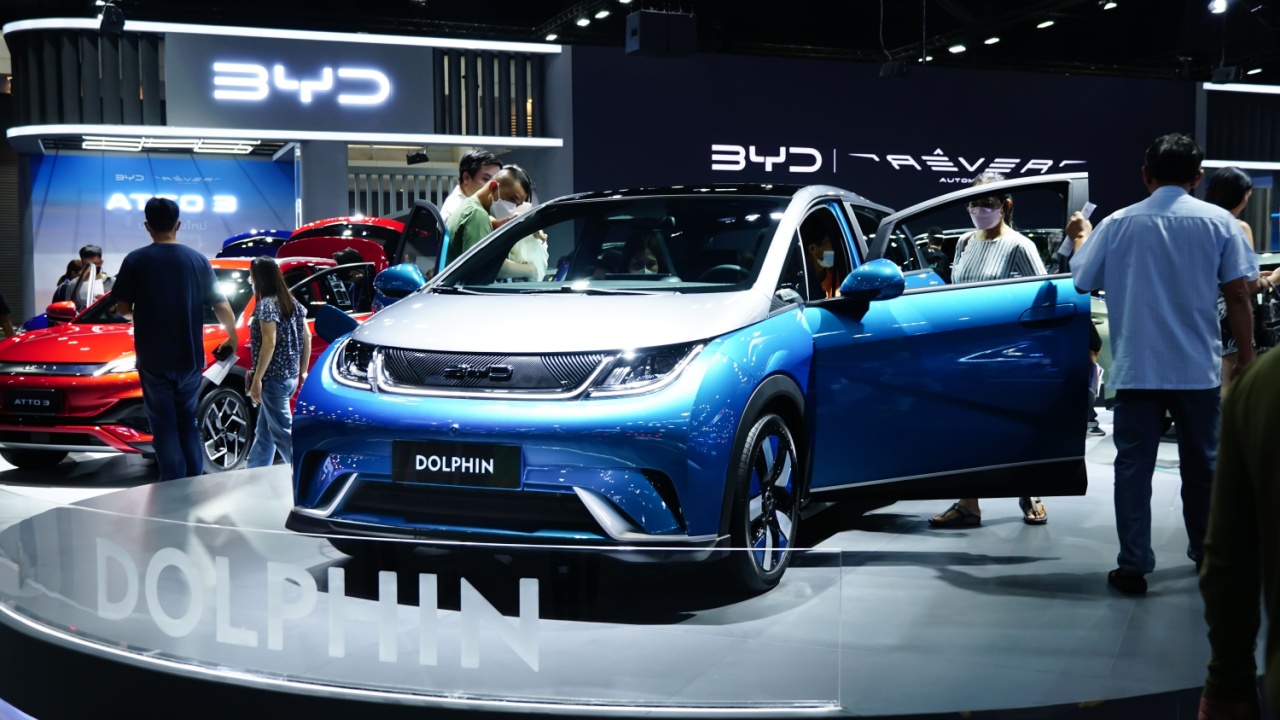
Chinese automakers haven’t established much of a presence in the U.S. new-car market, and many of the companies already selling vehicles here would prefer to keep it that way. Now, the industry’s largest trade group is asking Congress to make that position considerably harder to reverse.
Existing tariffs and restrictions on connected-vehicle technology have already created formidable barriers for Chinese automakers. The industry is pushing for something longer-lasting, however, with legislation that would cover vehicles as well as certain hardware and software.
The Alliance for Automotive Innovation has sent a letter to House and Senate leadership urging Congress to enact a permanent ban before the 119th Congress concludes. The organization represents many major automakers operating in the U.S., including General Motors, Ford, Toyota, Honda, Hyundai, Volkswagen, Mercedes-Benz, and others.
The group is framing the issue primarily around national security rather than simply competition from inexpensive imported cars. Its argument is that connected vehicles can collect and transmit significant amounts of data, creating risks that existing trade barriers alone don’t address.
Automakers Want The Restrictions Made Permanent
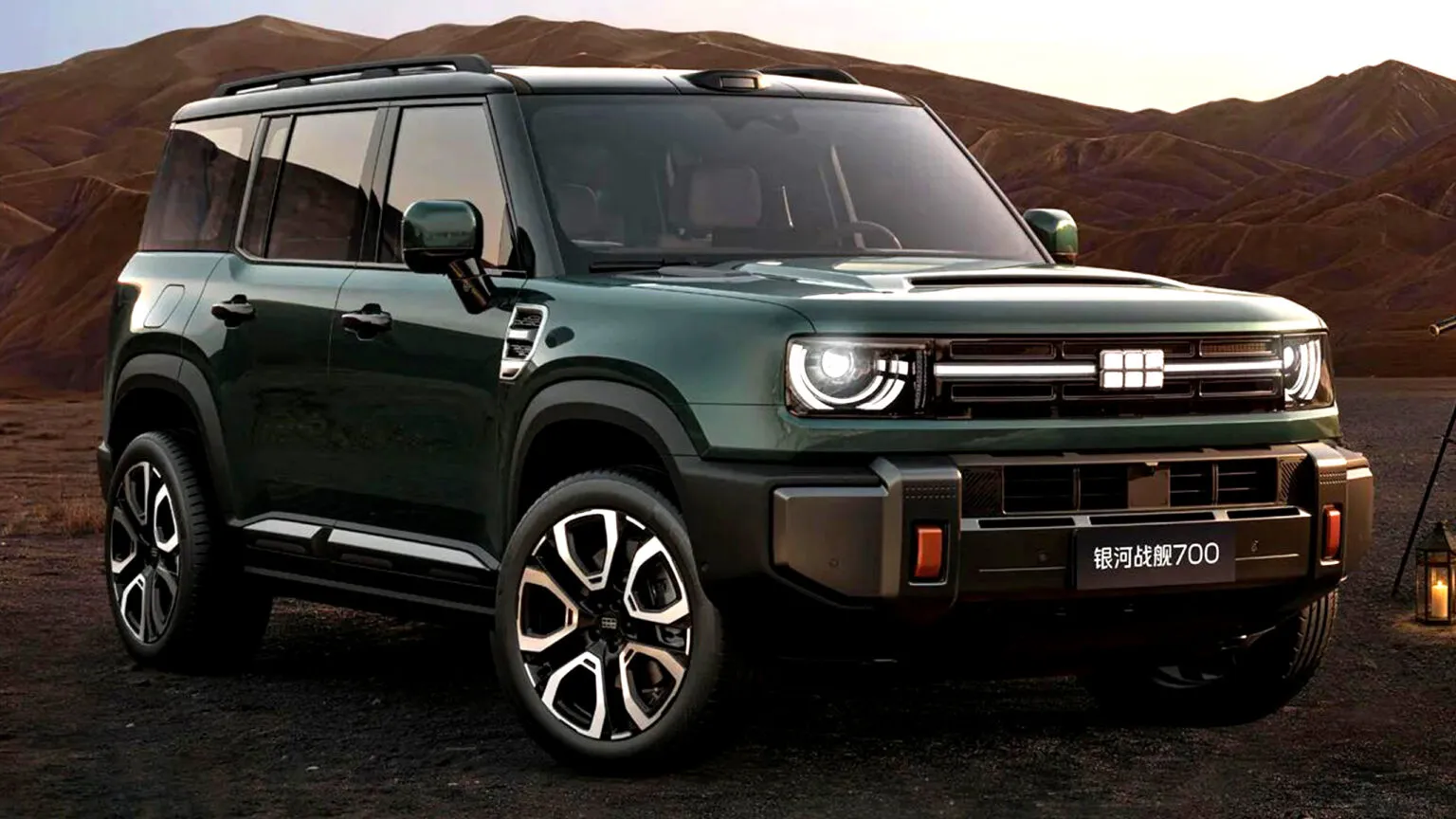
Alliance president and CEO John Bozzella argues that Chinese automakers are rapidly expanding elsewhere while the U.S. remains largely insulated from them. He pointed specifically to growing Chinese market share in Europe, Australia, Southeast Asia, Mexico, and South America.
“This hasn’t happened inside the U.S. yet,” Bozzella wrote, before urging lawmakers to enact restrictions on Chinese vehicles, software, and hardware before Congress adjourns. The goal is effectively to turn existing barriers into permanent federal law.
A proposal that advanced through the Senate Commerce Committee in July already sought to strengthen restrictions involving Chinese-connected vehicles. Final legislation has yet to make it through Congress, leaving details of any eventual ban unresolved.
The Details Could Get Complicated
Defining exactly what qualifies as a Chinese vehicle or company could create problems for automakers supporting the effort. Some global manufacturers have significant Chinese ownership despite being headquartered elsewhere.
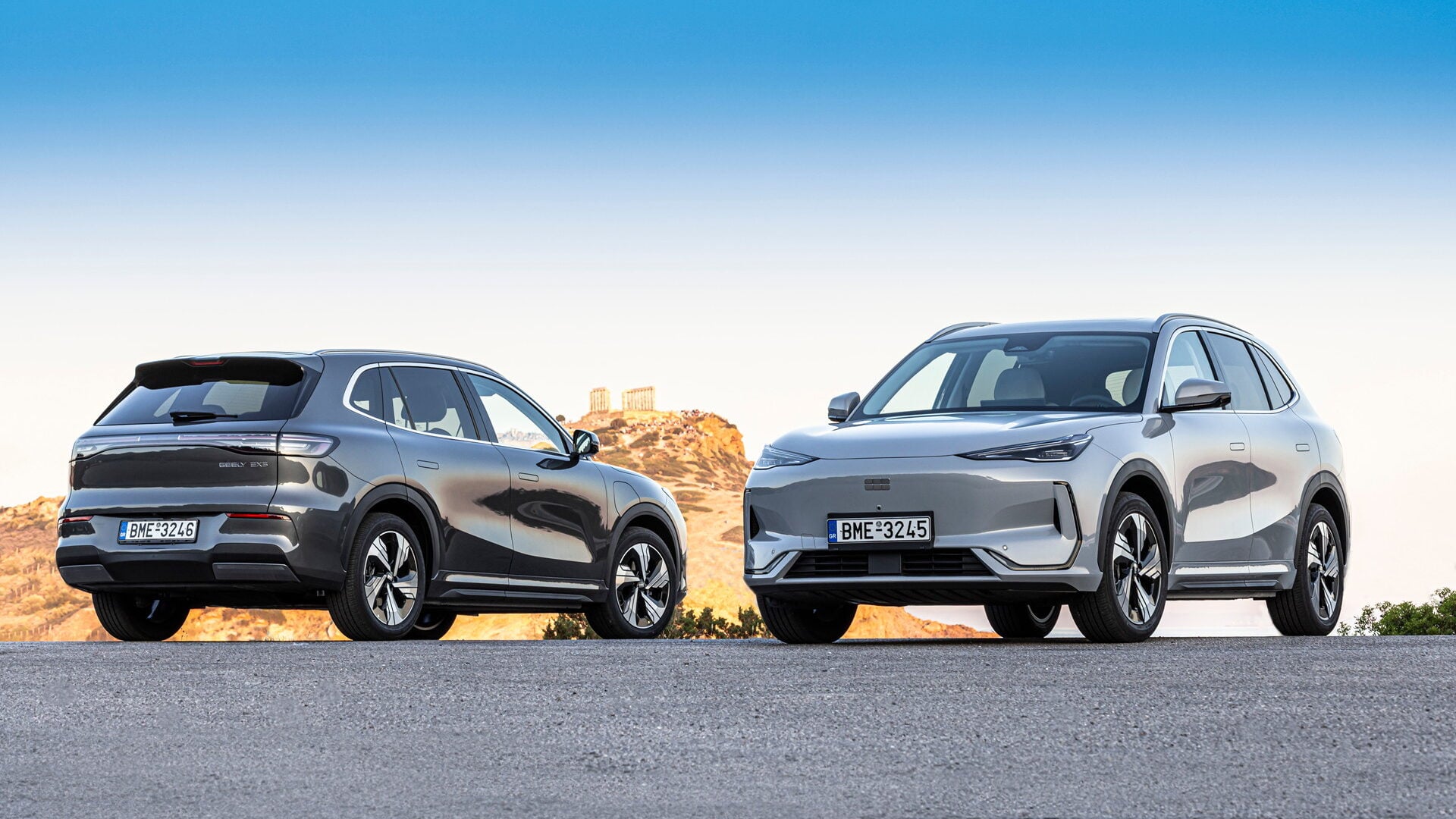
Mercedes-Benz is one example, as Chinese investors hold substantial stakes in the German automaker. Volvo is owned by China’s Geely, and Polestar’s connections to Geely have already created difficulties under existing U.S. connected-vehicle rules.
That means lawmakers would have to determine where to draw the line. A rule based too heavily on ownership percentages could potentially capture established automakers that already manufacture and sell large numbers of vehicles in the United States.
Chinese Automakers Are Expanding Elsewhere
While the American market remains largely closed, Chinese automakers aren’t standing still. Companies including BYD, Xpeng, Leapmotor, and Nio have been expanding internationally, while Xiaomi is preparing to begin European vehicle sales in 2027.
Canada has also taken a different approach, allowing a limited number of Chinese electrified vehicles into its market under an import quota. That puts Chinese brands increasingly close to the U.S. market even without directly selling vehicles here.
For the Alliance, that’s another reason to act sooner rather than later. The organization wants Congress to establish a durable national policy before Chinese automakers have an opportunity to build the kind of foothold they have already achieved elsewhere. Whether lawmakers can agree on the details is another question.