
Car prices are already pushing what most buyers are willing, or able, to pay, and now there’s a new threat that could make things even worse. A proposed increase in tariffs on European vehicles could send prices climbing across multiple segments.
President Donald Trump has announced plans to raise tariffs on European car imports to 25%, something that could have very real consequences for anyone shopping for a new car in the United States.
What makes this particularly significant is how sensitive the automotive industry is to cost increases. Automakers already operate on tight margins for many models, especially entry-level and mid-range vehicles, which means additional costs like tariffs don’t just disappear into the balance sheet.
Instead, they almost always get passed directly to the consumer, which means buyers are the ones who ultimately pay the price.
Why The Tariff Increase Is Happening
The proposed tariff hike comes as part of a broader dispute between the United States and the European Union. Trump has stated that the EU is not complying with the terms of the existing trade deal, prompting the decision to revisit and increase the tariff rate.
The original agreement, reached last year, had set tariffs at 15% for most imports, including vehicles. Increasing that figure to 25% represents a significant change, and it effectively raises the cost of doing business for European automakers selling cars in the U.S. market.
What It Means For Car Buyers

If the new tariffs are implemented, buyers can expect noticeable price increases on European vehicles across the board. Even relatively accessible models like the Volkswagen Golf GTI could see prices rise by several thousand dollars, making them harder to justify in an already competitive segment.
At the higher end of the market, the impact becomes even more dramatic. Luxury models such as the Mercedes-Maybach S-Class could see price increases that stretch into five figures, pushing them further out of reach even for affluent buyers.
It’s Not Just About Imports
One of the most overlooked aspects of this situation is that the impact won’t be limited to imported vehicles alone. Many European automakers build cars in the United States, but those vehicles still rely heavily on parts sourced from Europe.
Companies like BMW and Mercedes-Benz operate large production facilities in the U.S., yet their supply chains remain global. If tariffs extend to components such as engines, transmissions, or electronic systems, production costs for U.S.-built vehicles could rise as well.
That means even cars labeled “Made in America” might not be immune to price increases.
The Pressure On Automakers
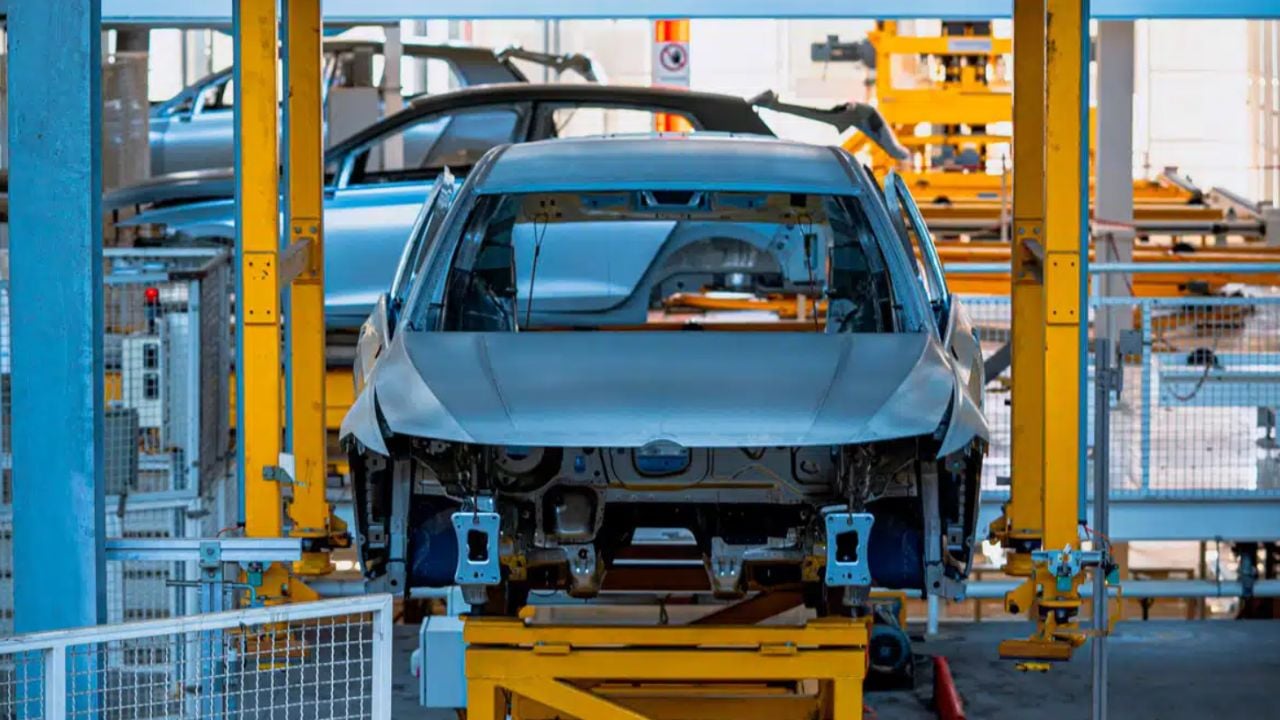
European automakers are likely to feel the strain quickly if tariffs increase to 25%. Previous estimates suggested that even the 15% tariff level was costing manufacturers hundreds of millions of dollars per month, so a higher rate would only intensify that pressure.
Brands like Volkswagen Group, Volvo, and BMW will be forced to make difficult decisions. They may choose to raise prices, absorb some of the costs, or accelerate plans to move more production to the United States.
None of those options are quick or simple, and all of them come with trade-offs.
A Familiar Trade War Scenario
This situation echoes earlier trade tensions, particularly during Trump’s first term, when tariffs were frequently used as a negotiating tool. Back then, automakers had to adapt quickly to shifting policies, and the industry is once again facing similar uncertainty.
The timing also makes this more complicated. The global automotive market is already dealing with rising production costs, expensive EV development, and changing consumer demand, which means there’s very little room for additional disruption.
The Bottom Line
If these tariffs are implemented, the effects will be felt almost immediately. Prices on European vehicles will rise, supply chains will be disrupted, and automakers will have to adjust their strategies on the fly.
For consumers considering buying a European car, waiting might cost you more than you expect, because once prices go up, they rarely come back down.