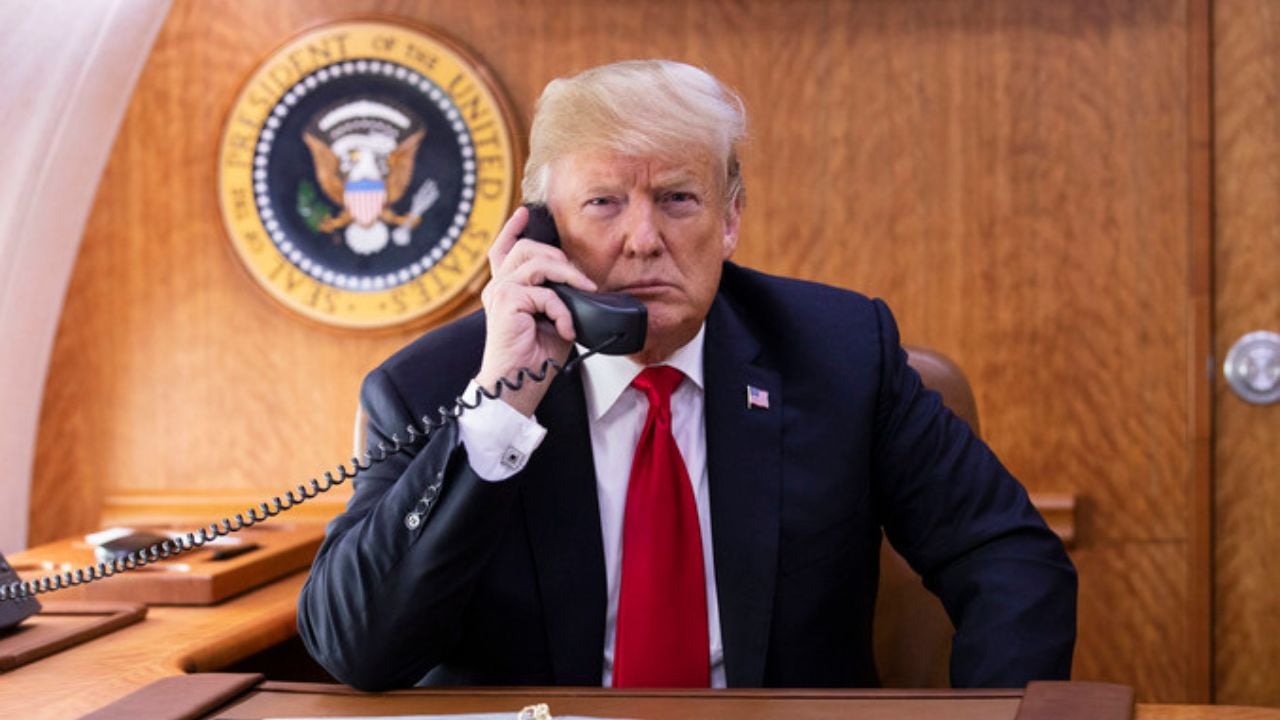
President Donald Trump has unexpectedly reignited the automotive right-to-repair debate after claiming executives from Ford and General Motors support legislation that would limit consumers from repairing their own vehicles. The comments came during a White House event focused on energy policy, but quickly evolved into an attack on modern automotive repair restrictions.
Detroit Free Press says Trump described a recent meeting with auto industry leaders, including representatives from Ford, General Motors, and Penske Corporation chairman Roger Penske. According to the president, the automakers expressed support for tighter control over vehicle repairs and diagnostics, something he said caught him completely off guard.
“They don’t want people to fix their car,” Trump said during the Oval Office remarks. “I said, ‘That’s strange. I’d never heard of that.’” He also referenced an alleged case involving someone receiving a prison sentence for repairing their own vehicle, though no additional details or evidence were provided.
The comments immediately pushed the long-running right-to-repair battle back into the political spotlight. While the White House has not clarified what legislation Trump was specifically referencing, the issue touches one of the most contentious fights in the modern automotive industry: who actually controls the software, data, and repair access inside today’s vehicles.
Modern Cars Have Turned Repair Into A Software Battle

The right-to-repair movement has existed for years, but the rise of software-defined vehicles has transformed the issue from a mechanical discussion into a technological and legal war. Modern vehicles rely heavily on proprietary software, encrypted diagnostics, telematics systems, and cloud-connected features.
Automakers argue that restricting access to those systems is necessary for cybersecurity, vehicle safety, and emissions compliance. Industry groups such as the Alliance for Automotive Innovation have repeatedly warned that unrestricted access to connected vehicle systems could expose vehicles to hacking or unauthorized modifications.
Independent repair shops and consumer advocates see things very differently. They argue that manufacturers increasingly use software locks and proprietary diagnostic systems to funnel owners back into dealership service departments for repairs that could otherwise be handled more cheaply elsewhere.
That tension has only intensified as vehicles become more connected and reliant on digital systems. Something as simple as replacing a battery or recalibrating a sensor can now require specialized software access unavailable to independent mechanics.
Ford And GM Stay Quiet After Trump’s Remarks
Neither Ford nor General Motors directly responded to Trump’s accusations. Ford confirmed that Andrew Frick, president of Ford Blue and Model e, attended the June 3 White House meeting but declined to provide further comment about what was discussed.
General Motors also declined to comment on the president’s statements. Roger Penske has not publicly addressed the issue either.
The silence leaves plenty of uncertainty about exactly what prompted Trump’s remarks. No specific federal bill banning self-repair currently exists, though several pieces of legislation involving vehicle data access, telematics systems, and repair rights are actively being debated across the United States.
Massachusetts has become one of the central battlegrounds in the fight. Voters overwhelmingly approved an expanded automotive right-to-repair law in 2020 requiring automakers to provide vehicle owners and independent repair shops with access to wireless mechanical data. Automakers later challenged the law in court over cybersecurity concerns.
Dealerships And Independent Shops Are Fighting For The Future
The debate is no longer just about hobbyists fixing cars in their garages. Vehicle repair has become a massive economic battleground involving automakers, dealerships, independent repair businesses, software providers, and data access companies.
Dealerships generate huge profits from service and repair operations, especially as new vehicle sales margins fluctuate. Restricting access to vehicle diagnostics and software can effectively lock customers into dealership ecosystems for years after purchase.
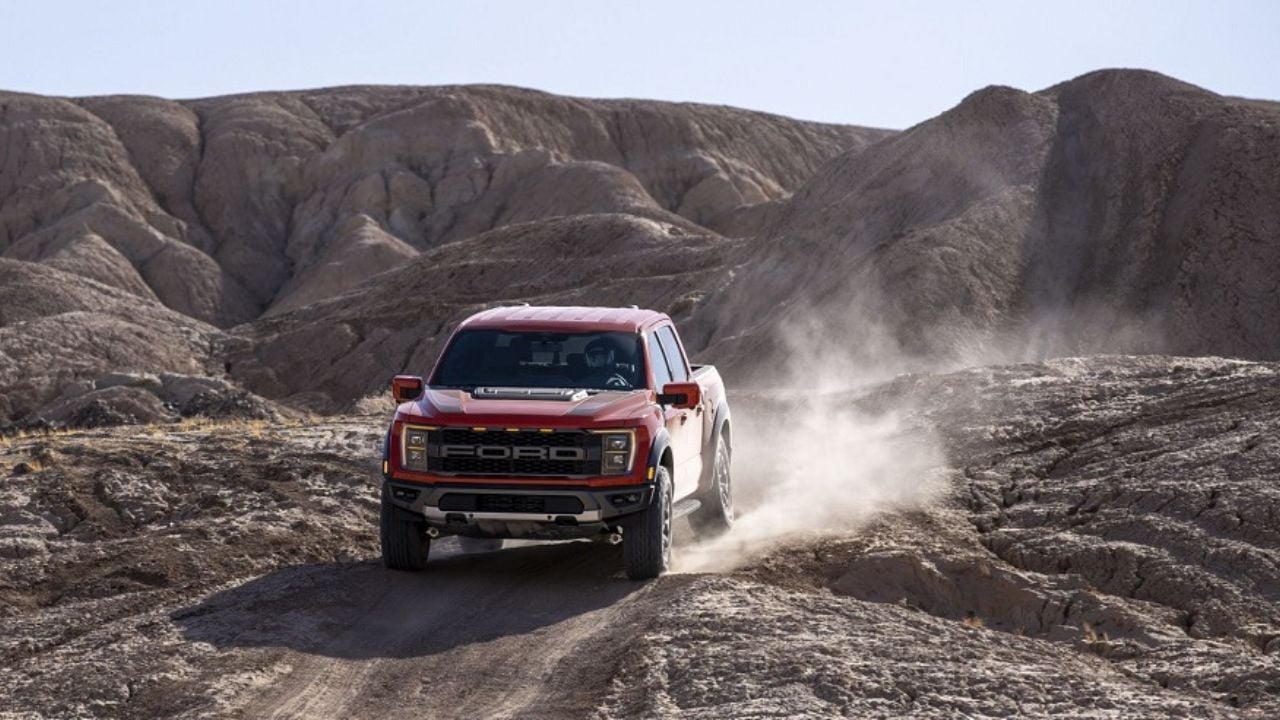
Ford recently launched a major national marketing campaign encouraging owners to return to dealerships for repairs and maintenance instead of independent shops. While manufacturers frame dealership service as safer and more reliable, critics argue the strategy is also designed to preserve repair revenue and customer retention.
Independent mechanics warn that increasing software restrictions could eventually make many local repair businesses obsolete. Some consumer groups also argue that owners who fully purchase vehicles should have unrestricted access to repair and modify them however they choose.
The Right-To-Repair Debate Is Only Getting Bigger
Trump’s comments may have sounded off-the-cuff, but they reflect a growing political issue that extends far beyond cars. Similar right-to-repair battles are happening across consumer electronics, agricultural equipment, smartphones, medical devices, and home appliances.
Automakers now sit at the center of the debate because modern vehicles combine all of those concerns into one product. Today’s cars are computers on wheels, packed with cameras, sensors, internet connectivity, and millions of lines of code.
As vehicles become even more software-driven, questions surrounding ownership rights will only become more important. Consumers increasingly want the freedom to repair, customize, and control products they buy, while manufacturers continue moving toward subscription features, locked software ecosystems, and tighter control over data access.
Trump’s remarks may not immediately change legislation, but they have once again dragged the automotive repair battle into mainstream political conversation. With connected vehicles becoming more advanced every year, the fight over who gets to fix them is far from over.