
The rules governing how fuel-efficient America’s new cars and trucks need to be have changed significantly. Automakers will now face a substantially lower fleetwide target heading into the next decade.
Under the previous standards finalized in 2024, the National Highway Traffic Safety Administration projected the average light-duty vehicle would reach approximately 50.4 mpg by model year 2031. Those requirements were designed to steadily increase efficiency across passenger cars and light trucks.
The Trump administration has taken a different approach, arguing that less stringent requirements will reduce the cost of building new vehicles and give automakers greater freedom over their lineups. Critics of the rollback argue that weaker standards will increase fuel consumption and emissions.
The U.S. Department of Transportation officially finalized its new standards on September 28 under the “Freedom Means Affordable Cars” initiative. NHTSA now projects an industry fleetwide average of 34.9 mpg for model year 2031, up from 30.1 mpg in 2024 but well below the previous target.
Automakers Get More Flexibility
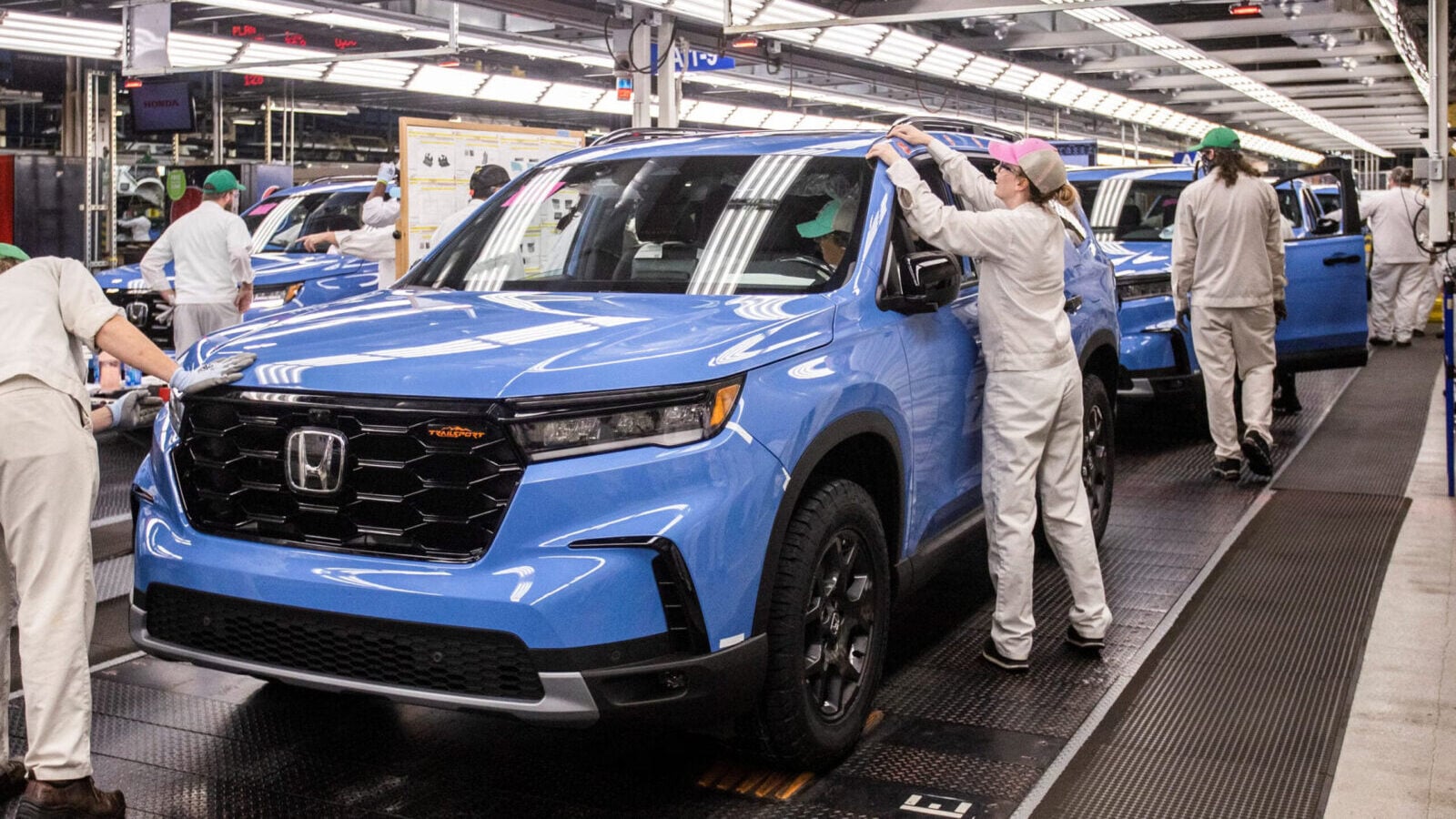
The change doesn’t mean manufacturers will suddenly stop developing hybrids and EVs. It does, however, reduce the regulatory pressure to use electrification and other fuel-saving technologies to increase average fleet efficiency.
DOT argues the revised standards will reduce the average cost of a new vehicle by $1,300 and save Americans $138 billion over five years. Those are government projections rather than guaranteed reductions in showroom prices, and how much of any compliance savings ultimately reaches buyers will depend partly on automakers and market conditions.
The administration also projects the rules will encourage consumers to replace older vehicles with newer ones, which it says could prevent more than 300,000 serious injuries and save 1,900 lives. Again, those figures are modeled estimates presented by NHTSA rather than observed outcomes.
CAFE Credit Trading Is Going Away
Fuel-economy targets aren’t the only part of the system changing. NHTSA says it will eliminate inter-manufacturer CAFE credit trading beginning with model year 2028.
The credit system has allowed manufacturers that exceed their requirements to sell credits to companies that fall short. Removing it means automakers will have less ability to rely on another manufacturer’s overcompliance when meeting their own targets.
NHTSA is also changing how vehicles are classified beginning with model year 2030. The agency says the revisions are intended to prevent manufacturers from modifying smaller crossovers to qualify as light trucks, which generally face different fuel-economy requirements.
A Major Shift From The Previous Rules
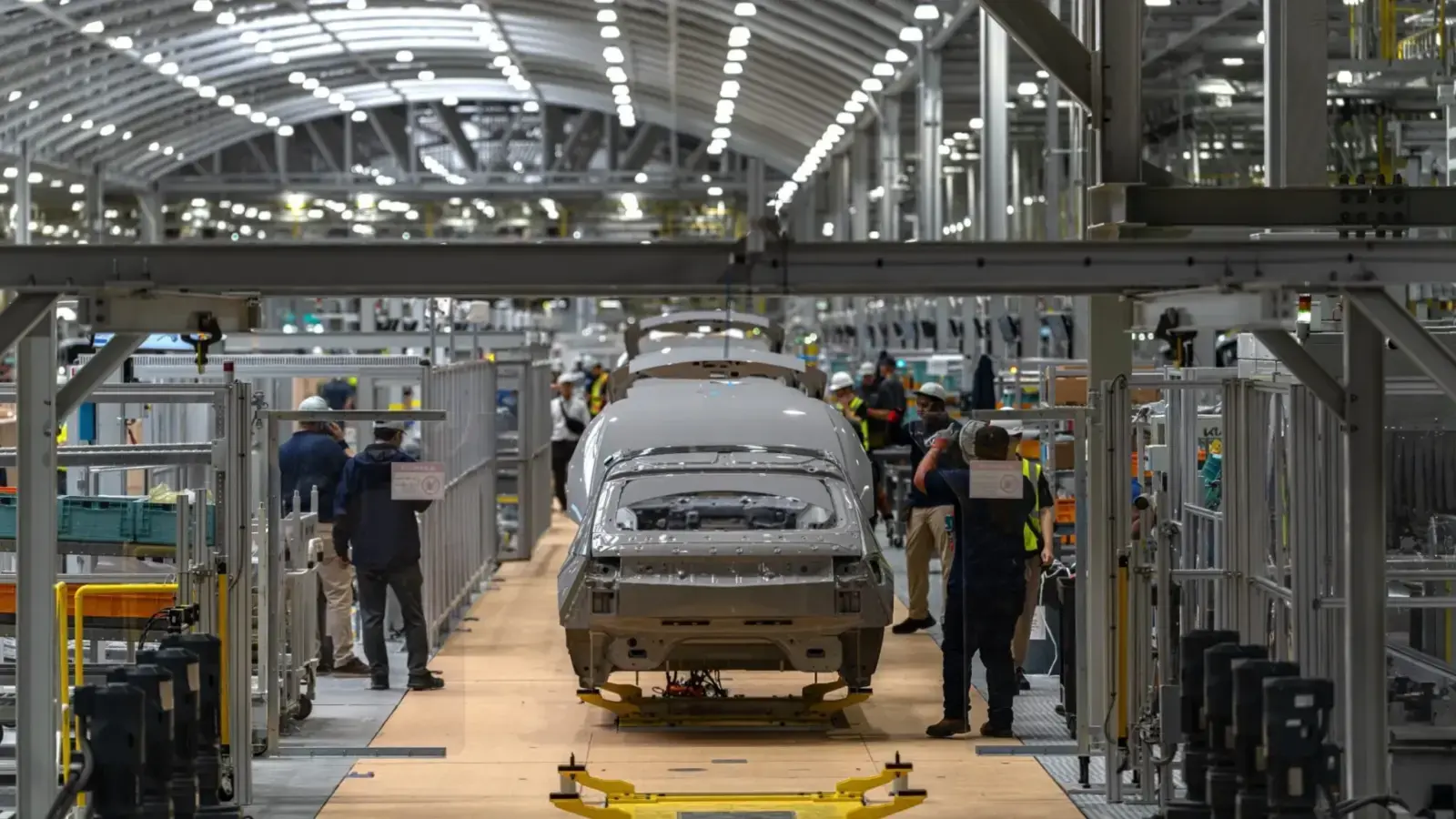
The previous NHTSA standards called for passenger-car fuel economy requirements to increase 2% annually from model years 2027 through 2031, with light-truck requirements increasing 2% annually beginning in 2029. They were projected to produce that roughly 50.4-mpg industry average by 2031.
The new rule lowers that projected figure to 34.9 mpg. DOT nevertheless estimates that annual U.S. oil consumption in 2050 will be about 1.3 billion barrels lower than annual consumption was in 2024.
The administration describes the previous standards as an effective EV mandate, while the 2024 NHTSA rule itself established fleetwide fuel-economy requirements rather than requiring individual consumers to purchase electric vehicles. Automakers were still responsible for deciding which combination of powertrains and efficiency technologies to use.
The immediate consequence for America’s auto industry is greater regulatory room for combustion-powered vehicles. Whether that ultimately translates into the lower showroom prices promised by the administration we’ll only know as manufacturers adjust their future product plans.