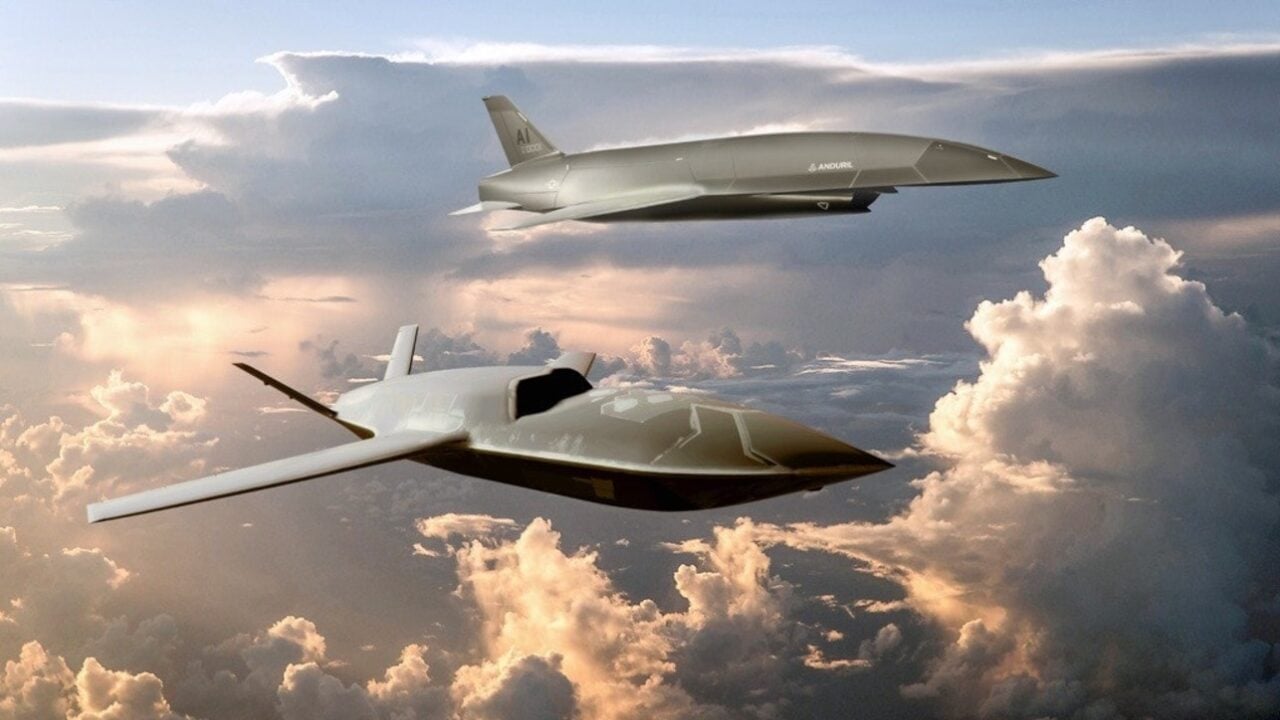
Modern fighter pilots could soon head into combat with some unusual wingmen. They won’t need oxygen, an ejection seat, or even a cockpit, because nobody will be sitting inside them.
The U.S. Air Force’s Collaborative Combat Aircraft program is intended to pair semi-autonomous uncrewed aircraft with conventional fighters. Instead of replacing crewed aircraft, CCAs are designed to add weapons, sensors, and additional combat capacity while keeping human pilots farther from certain threats.
Two aircraft have emerged as the first production designs: General Atomics’ FQ-42 and Anduril’s FQ-44. Following years of development and testing, they now have names that sound appropriately dramatic for machines designed to accompany fighters into battle.
The Air Force officially announced them as the FQ-42 Vengeance and FQ-44 Fury during the Air, Space and Cyber Conference on September 14. Both are now moving into a new phase as the service works out exactly how CCAs will fit into future combat operations.
Vengeance And Fury Are Already Flying
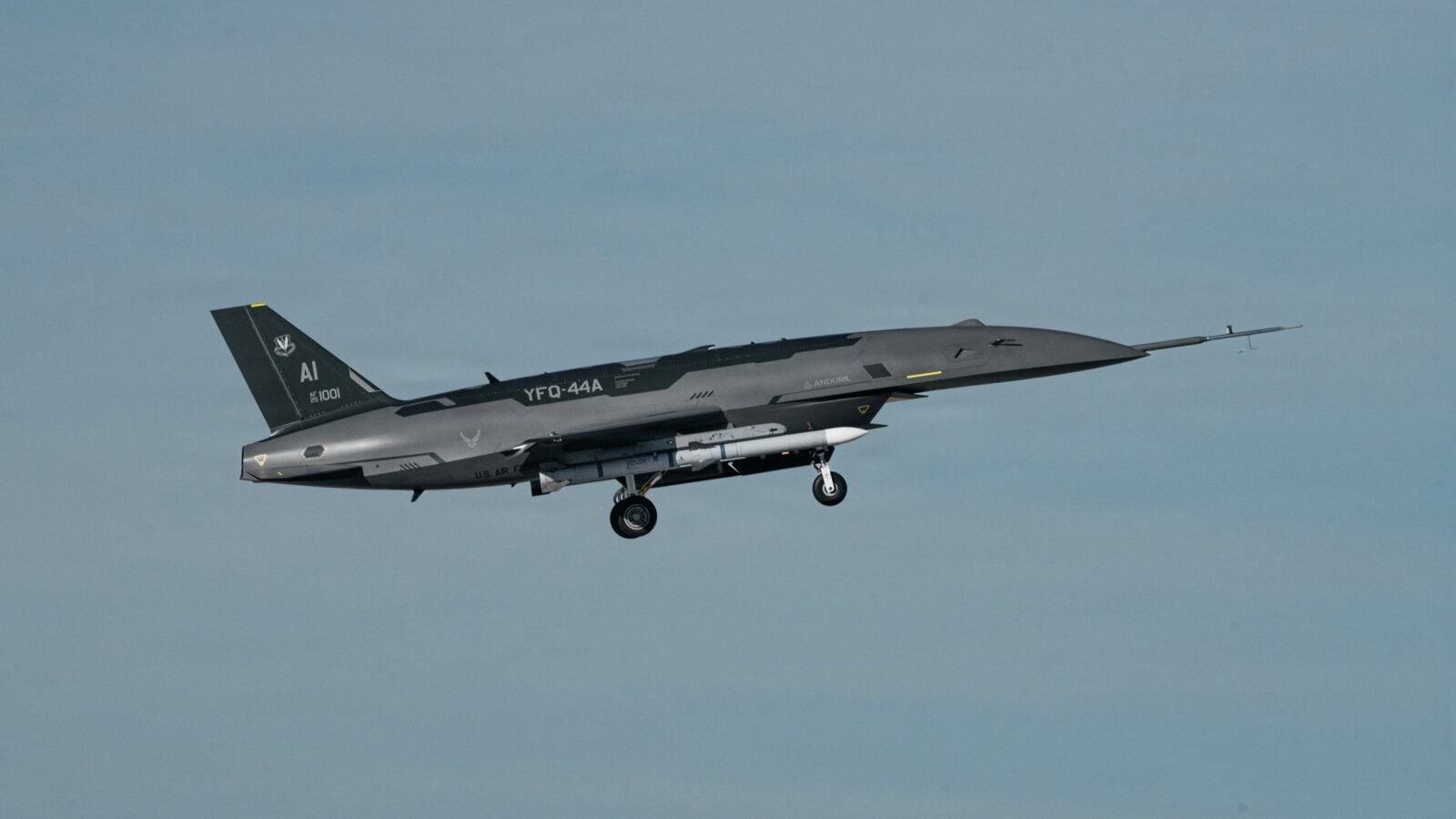
The two aircraft were previously designated YFQ-42A and YFQ-44A during development. Both are jet-powered, semi-autonomous designs intended to work alongside crewed combat aircraft rather than being flown remotely in the same manner as traditional remotely piloted drones.
Air Force personnel are now gaining direct experience with the aircraft, including operational experimentation at Creech Air Force Base in Nevada. The work is intended to answer practical questions about operating, maintaining, refueling, and rearming fleets of CCAs alongside conventional aircraft.
The concept could allow a crewed fighter to remain farther from danger while CCAs operate ahead of it. Depending on configuration and mission requirements, such aircraft could contribute additional sensors, weapons, communications, or other capabilities to a formation.
Human involvement remains an important part of the concept. The aircraft are designed to use autonomy to execute assigned tasks, while human operators remain responsible for key combat decisions.
The Air Force Wants Hundreds Of Them
The CCA program isn’t intended to produce a handful of experimental demonstrators. In June, the Air Force entered production for 150 FQ-42 Vengeance and FQ-44 Fury aircraft as part of Increment 1.
Its ambitions stretch much further. The service says it intends to have 500 combat-ready semi-autonomous systems by 2032 and ultimately build a fleet of 1,000 CCAs.
Cost and manufacturing speed are central to that strategy. Rather than relying exclusively on highly capable and expensive crewed fighters, the Air Force wants CCAs to provide additional combat mass that can be produced and deployed at a greater scale.
The program is already moving quickly by traditional military-aircraft standards. According to the Air Force, development progressed from first flight to live-munitions firing in nine months.
They’re Becoming Part Of The Force
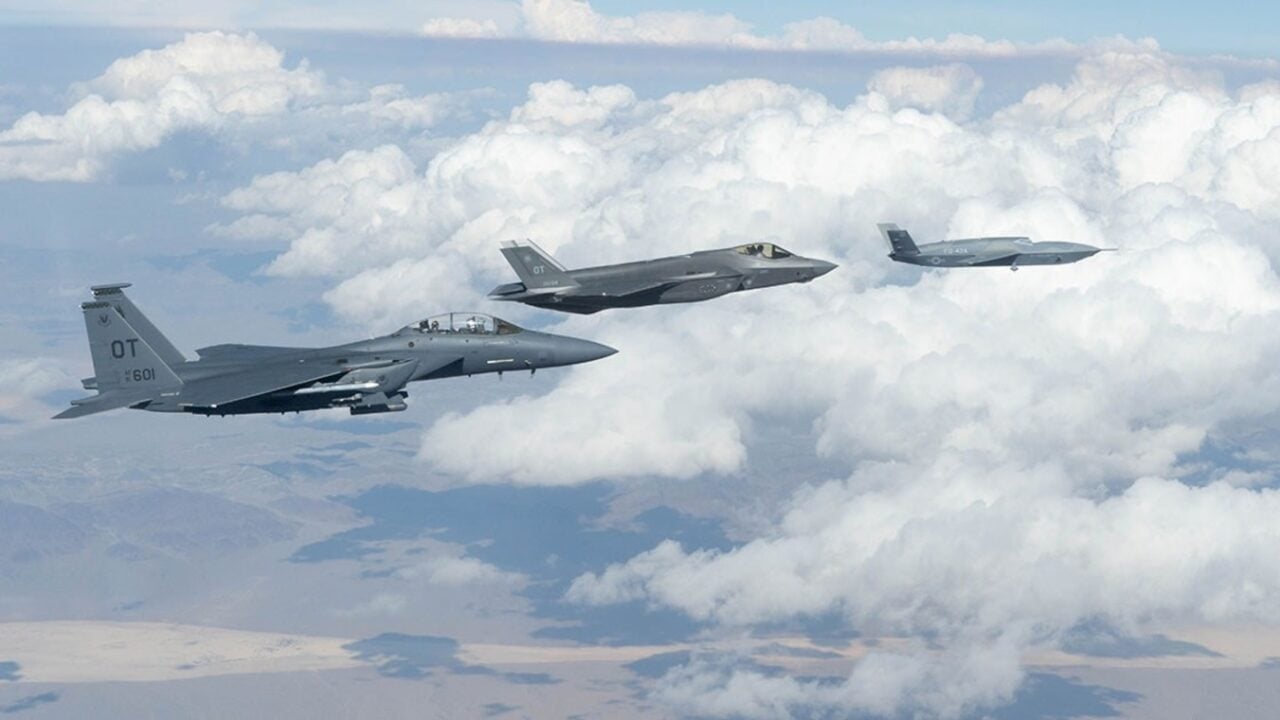
Neither Vengeance nor Fury is merely a finished aircraft waiting for pilots to learn how to use it. Operational experimentation will help shape how the designs, autonomy software, and supporting infrastructure evolve.
The names may sound like they came from an action movie, but the scale behind them is very real. If the Air Force reaches its planned 1,000-aircraft CCA fleet, Vengeance and Fury could represent the beginning of a major change in what an American fighter formation looks like.