

At a busy truck stop off junction 17 of the M4 in Wiltshire, staff at the Chippenham Pit Stop have launched a campaign with a simple message: eat more plants.
The “Love Your Hearts” initiative encourages truck drivers to aim for 30 different plant foods a week during February, adding nuts to breakfast, rotating fruit choices, and making small swaps that build long term heart health.
The campaign, as reported by the BBC, sounds like a niche effort aimed squarely at long haul truckers. But the deeper you look, the more it becomes clear that this message applies to almost anyone who spends serious time behind the wheel. Yeah, we think so.
More Than Just Truckers
Professional drivers live in a uniquely challenging environment. Long stretches of sitting, tight schedules, inconsistent sleep, and limited healthy food options at service plazas create the perfect storm for cardiovascular risk.

According to multiple public health studies in the UK and the United States, truck drivers have higher rates of obesity, hypertension, and heart disease than the general population. The sedentary nature of the job is a major contributor.
The uncomfortable truth is that millions of Americans now live a lifestyle that looks surprisingly similar, even if they do not drive an 18-wheeler for a living.
Think about the modern commute. Forty-five minutes each way in traffic. Hours spent at a desk. Lunch grabbed from a drive thru because it is convenient. Dinner eaten late and quickly.
Add in weekend road trips, rideshare driving, delivery gigs, youth sports carpools, and you begin to see how often ordinary drivers find themselves living a mini version of the long-haul lifestyle.
The Commuter Connection
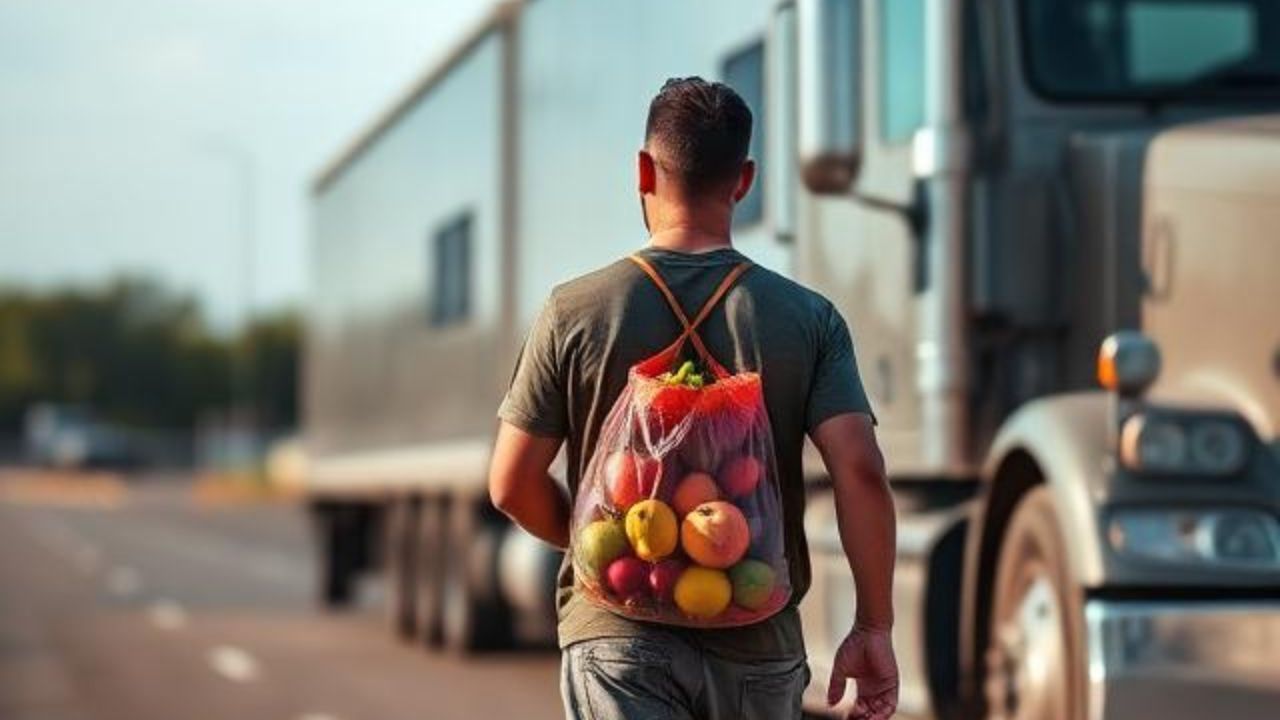
The Pit Stop campaign focuses on gut health as a pathway to heart health. Increasing plant diversity feeds beneficial gut bacteria, which in turn helps reduce inflammation. Chronic inflammation is strongly linked to heart disease, diabetes, and stroke.
By encouraging drivers to add rather than subtract, the campaign reframes nutrition from restriction to opportunity.
That shift in mindset matters for American drivers too. Telling people to cut everything fun rarely works. Encouraging them to add a handful of almonds to their morning coffee routine, toss berries into yogurt, choose a side salad instead of fries once or twice a week, or keep apples in the center console is more realistic.
There is also a powerful infrastructure angle here. In the United States, truck stops and highway service areas often mirror the fast-food heavy environment described in the BBC report. Healthy options can be limited or overpriced.
Independent truck stops and travel centers that invest in fresh food, welcoming spaces, and community can make a measurable difference in driver wellbeing.
A Lesson That Travels

Lessons from the “eat more plants” message underscores a broader shift in how we think about mobility. Cars have become safer and more technologically advanced than ever. We talk about ADAS systems, electrification, and connected car ecosystems.
Yet the human body operating the vehicle remains vulnerable to lifestyle risks that no sensor can fix.
It shows heart health is as much a road safety issue as it is a medical one. Fatigue, high blood pressure, and poor diet can all affect reaction time, focus, and overall driving performance. A healthier driver is a safer driver.
The “Love Your Hearts” campaign may be unfolding in a small corner of Wiltshire, but its lesson travels well. Whether you are piloting a semi across state lines or inching through Los Angeles traffic, the fundamentals are the same.
Movement matters. Food choices matter. Small changes compound over time.
In a culture obsessed with horsepower and range figures, perhaps the most important performance metric is the one under the hood of the human chest. And unlike OTA upgrade, improving it does not require a new purchase. It starts with what we put on our plates before turning the key.