
Summer 2026 is not shaping up as a season of reckless splurges or giant, overstuffed itineraries. The clearest pattern is a more thoughtful kind of escape, one that still leaves room for pleasure while trimming away hassle, inflated costs, and exhausting logistics. Expedia says people are already planning June through August earlier than last year, with summer searches up 15% year over year for North American users and 5% for travelers in EMEA.
At the same time, searches in the 7 to 13 day window rose 10% year over year. Together, those numbers point to a warm-weather season shaped by both early planning and shorter-notice departures, depending on budget, mood, and how much patience someone has left for complicated travel.
Money is clearly part of the story, but it is not the whole story. Deloitte’s 2026 outlook says many consumers have become more conservative about trip frequency, length, distance, accommodation class, and spending once they arrive. NerdWallet found that 45% of Americans still plan a summer vacation involving flights or paid lodging, and that among 2026 summer travelers, 89% expect to take some step to save money.
At the same time, 42% say they would rather stay home than settle for bargain-basement airfare and rooms, which says a great deal about the current mood. People still want a change of scene, but they want it to feel worthwhile, comfortable, and chosen with intention.
1. Staycations Have Grown Into Something Far More Tempting

A staycation no longer sounds like giving up. In 2026, it often means reserving a stylish inn in the next county, checking into a boutique property in a neighboring city, or spending two nights in a rural hideaway that feels fresh without requiring airport lines and baggage fees.
Airbnb says that in 2025, about 64% of its U.S. guests stayed within 300 miles of their destination, a strong sign that close-to-home escapes remain central to current booking habits. What once sounded like a compromise now looks like a smart upgrade for people who want a genuine reset without burning a full week or a large slice of savings.
Another reason these nearby overnights feel so appealing is that they open the door to places traditional tourism has often skipped. Airbnb says 86% of travelers, and 94% of Gen Z, are interested in rural getaways, while 63% of U.S. Census tracts with active Airbnb listings have no hotels at all.
That helps explain why mountain towns, lakeside communities, vineyard regions, and low-key farm areas are attracting attention right now. A shorter drive, a slower morning, and a room with real character can deliver the emotional lift people want from a break without demanding the effort of a major production.
2. Short Road Trips Are Beating Airport Headaches

For many Americans, the car is winning because it removes some of the most stressful parts of modern vacation logistics. Hilton’s 2026 trends research says 71% of Americans plan to drive on their next vacation, while 76% of global car travelers say they prefer the road over flying because it allows more spontaneity.
That freedom matters in a season when many people are craving a little looseness in their schedules again. A trunk full of bags, a playlist, and the option to stop for pie, a swim, or a scenic detour can sound far better than gate changes and delay notifications.
What makes this trend especially interesting is that the favored version is not an epic haul across half the country. Hilton found that 61% of drivers do not want to go more than five hours without stopping at a hotel, and 90% say a comfortable bed matters most after a long day behind the wheel.
Those findings point toward compact loops, two- or three-night circuits, and easy regional routes where the driving feels manageable instead of punishing. In practical terms, this is the summer of the breezy coastal run, the mountain weekend, the lake-country swing, and the food-focused mini escape that starts to feel good almost as soon as the city disappears in the rearview mirror.
3. Budget-Conscious Choices Are Steering the Whole Season

Price sensitivity is shaping decisions at nearly every stage, from the first search to the final booking. Deloitte says many consumers are cutting back on distance, duration, room category, and spending once they reach the destination, while NerdWallet reports that 89% of summer vacationers plan to save in some way.
Among the most common tactics are driving instead of flying, chosen by 35%, and picking lodging based on price rather than amenities, chosen by 33%. The result is not a collapse in interest, but a widespread effort to keep the bill from drifting into regret.
Still, there is an important line people do not seem eager to cross. NerdWallet found that more than 2 in 5 Americans would rather skip a holiday than book budget airfare and lodging, which suggests that value and cheapness are not the same thing in the eyes of many consumers.
A shorter booking with one nice meal, a pleasant room, and a memorable setting can seem like a better use of money than a longer escape stitched together from unpleasant compromises. That mindset is shaping a season in which restraint does not necessarily mean dullness, and a carefully chosen long weekend can beat a sprawling plan that looks good only on paper.
4. Restorative Outdoor Breaks Are Pulling Harder Than Loud Itineraries
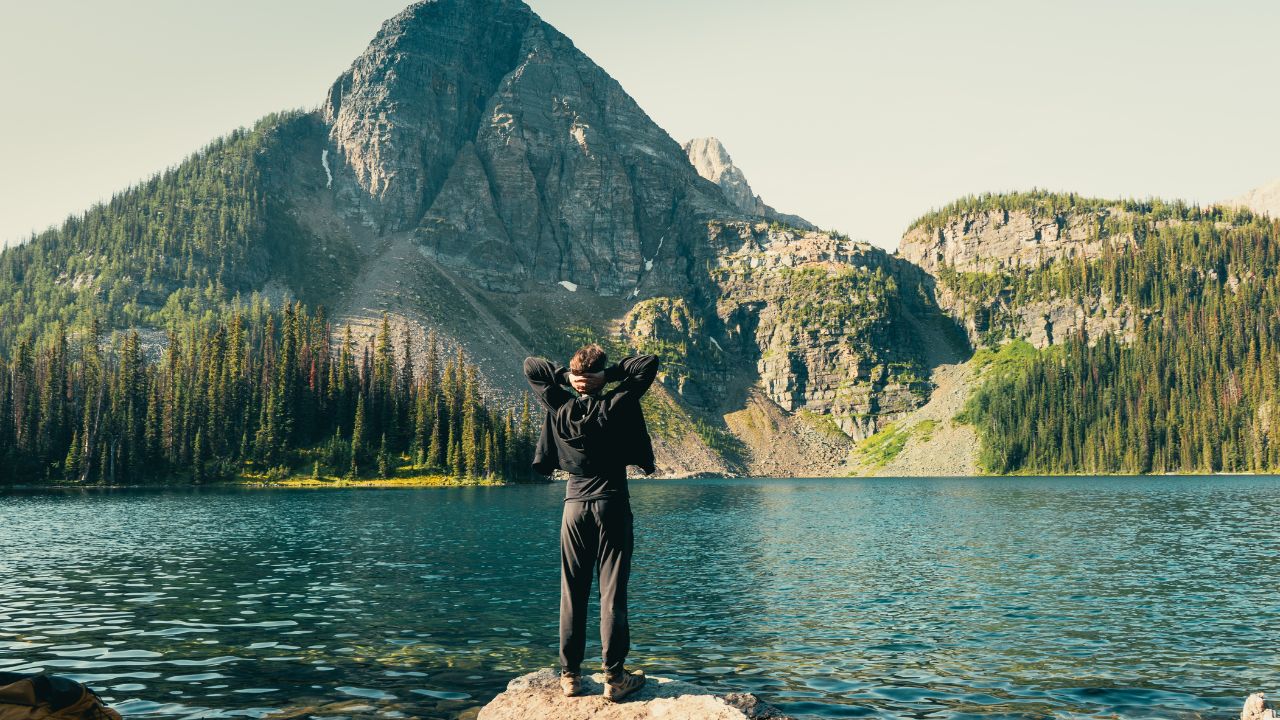
Another striking shift is the growing appeal of quieter places and gentler rhythms. Hilton says the top leisure motivation for 2026 is to rest and recharge at 56%, followed by spending time in nature at 37% and improving mental health at 36%.
Those numbers help explain why cabins, desert retreats, beach towns with early sunrises, and resorts built around calm rather than spectacle are landing so well. After years of crowded calendars and endless notifications, many people seem far more interested in feeling better than in simply doing more.
Airbnb is seeing a related pattern in where curiosity is heading. Its 2026 predictions say interest in U.S. national parks is up 35%, and nature and outdoor experiences are now the top booked experience category.
That fits naturally with a warm-weather season in which a hike, a paddle, a campfire, or a stargazing session can be more restorative than another overscheduled city break. Expect continued enthusiasm for places where the soundtrack is wind in the trees, water against rocks, or the kind of deep evening quiet that makes a phone seem irrelevant for a few hours.
5. Event-Led Getaways Are Giving Weekends a Clear Purpose

A growing number of people are no longer starting with a destination and then deciding what to do there. They are starting with one big reason to go, then building the whole plan around it.
Airbnb says 65% of its top-searched 2026 dates and cities align with major global happenings such as the Winter Olympics, Coachella, and the FIFA World Cup, which shows how strongly cultural moments are shaping booking behavior. A concert, festival, championship, or headline event gives even a short break a sense of occasion and makes the trip feel sharper, easier to justify, and harder to forget.
Music tourism is especially lively this year, and it fits perfectly with the rise of the short getaway. In March 2026, Airbnb reported that fans were increasingly “show hopping” across cities, with triple-digit search spikes after major tour announcements, including major jumps in Boston tied to BTS, Noah Kahan, Ariana Grande, Ed Sheeran, and Bruno Mars.
That behavior captures the broader mood of the season rather well. People want a break, but they also want a story to bring home, and a quick trip built around one thrilling night often delivers exactly that.