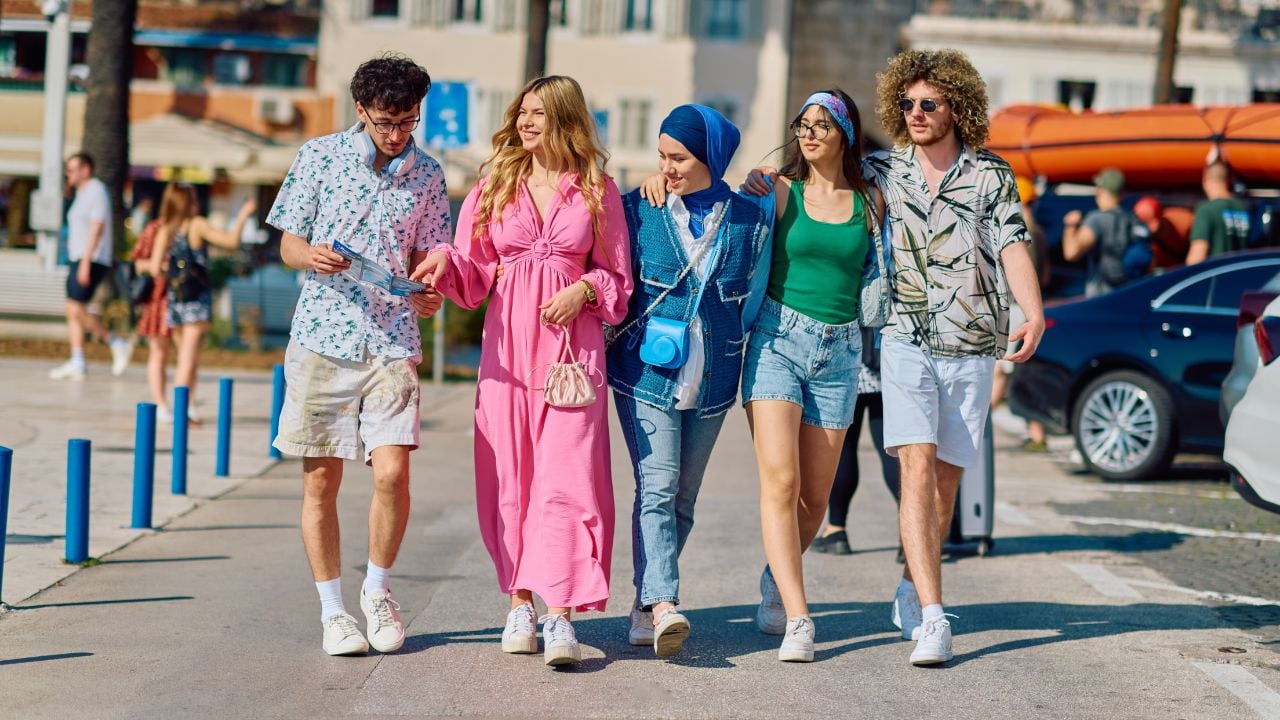
Nobody becomes a better traveler by pretending they were born understanding every airport rhythm, transit habit, or local custom. Most giveaway mistakes are ordinary ones: dressing for the wrong setting, stopping in the middle of a busy walkway, speaking too loudly, or treating every meal and photo stop like a performance.
The good news is that these habits are easy to fix once you notice them. The reward is real too, since you move through places more smoothly, attract less negative attention, and usually enjoy the trip on a deeper level.
A better way to think about this is not “how do I hide that I’m visiting,” but “how do I travel with more awareness?” Official guidance from sources such as TSA, the U.S. State Department, and national tourism boards points in a similar direction: preparation, observation, and respect make travel easier and safer.
That applies in airports, on public transportation, at religious sites, and even in the way you use your phone on a crowded street. Blend in a little better, and the whole journey tends to feel less clumsy from the start.
1. Wearing the Wrong Thing for the Setting Gives You Away Fast

One of the quickest signals that someone is new to a place is clothing that ignores the local environment. That does not mean you need a fake “local” costume. In most cases, it means avoiding obvious tells like oversized logo gear, impractical shoes for all-day walking, or outfits that make no sense for a church visit, mountain town, or humid urban transit system.
The problem is often less about style and more about reading the room. In countries where shoes come off indoors, where modest dress matters at sacred sites, or where elevation changes the weather quickly, a little observation goes a long way.
Japan’s official etiquette guidance, for example, specifically highlights customs around shoes and indoor spaces, which shows how visible those details can be. Dressing with context in mind makes you look more switched on before you even say a word.
2. Blocking the Flow While Checking Your Phone Screams First-Timer
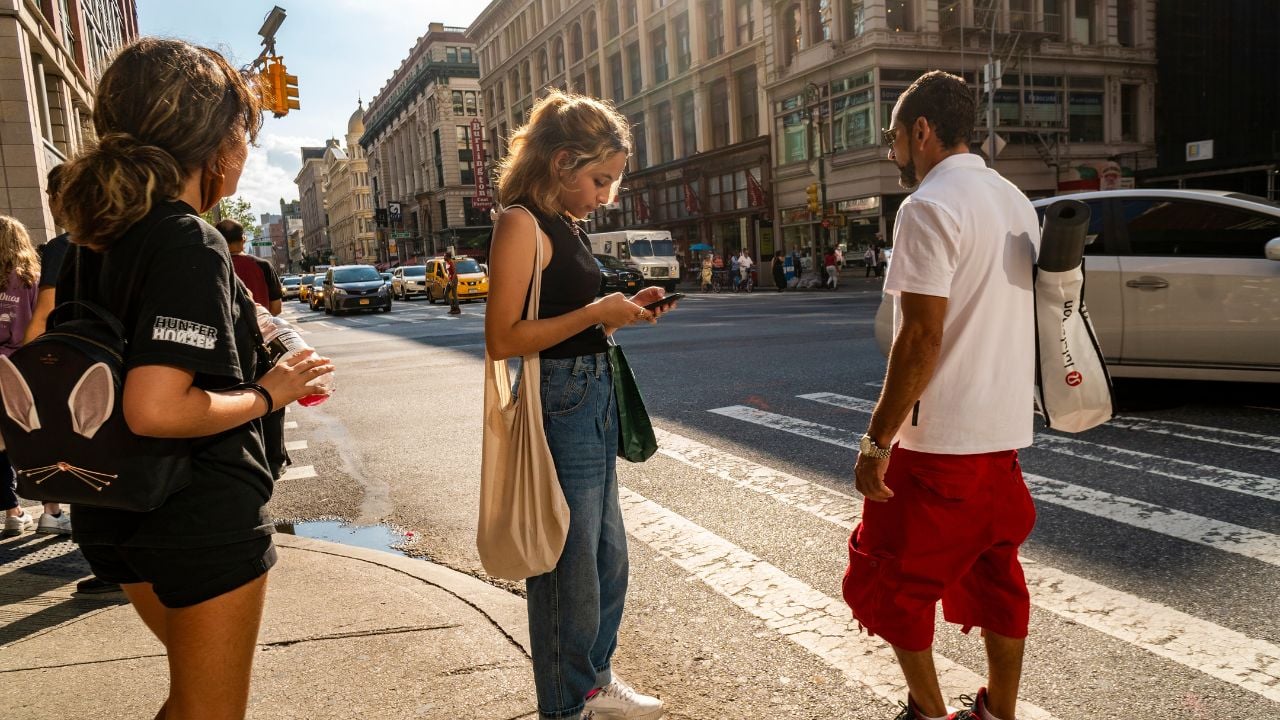
Nothing marks a visitor faster than stopping dead in the middle of a sidewalk, station entrance, escalator landing, or market lane to figure something out. Every city has people checking maps, but residents usually step aside before doing it. When someone freezes in the busiest possible spot, it creates instant friction and broadcasts uncertainty to everyone nearby.
A smarter rhythm is simple: move first, orient yourself second. Step to the side of a plaza, stand near a wall, or tuck into a café doorway before checking directions. That tiny adjustment makes you look more composed and keeps foot traffic moving.
Japan’s official customs and manners page explicitly stresses being considerate in shared spaces and on public transportation, and that principle travels well almost everywhere. It also helps with safety, since standing still in the middle of a crowd while staring at your phone makes you easier to spot for the wrong reasons.
3. Treating Every Public Space Like Your Private Stage Is a Classic Blunder

Volume gives people away faster than accent. Loud conversations on trains, speakerphone calls in museums, and exaggerated reactions in quiet neighborhoods stand out immediately, especially in places where public calm is part of daily etiquette.
JNTO’s manners guidance says phones should be kept on silent and that people should avoid speaking on them in public transport. Even if the local rules are less strict than Japan’s, the basic lesson still holds: shared spaces work better when you act like other people are in them.
The same goes for photo behavior. Japan’s responsible photography guidance tells visitors to respect private property, stay aware of their surroundings, and ask before photographing people. A little restraint makes you seem more confident, and it often leads to better moments because you are actually paying attention to where you are.
4. Overpacking and Fumbling at the Airport Makes the Trip Look Amateurish
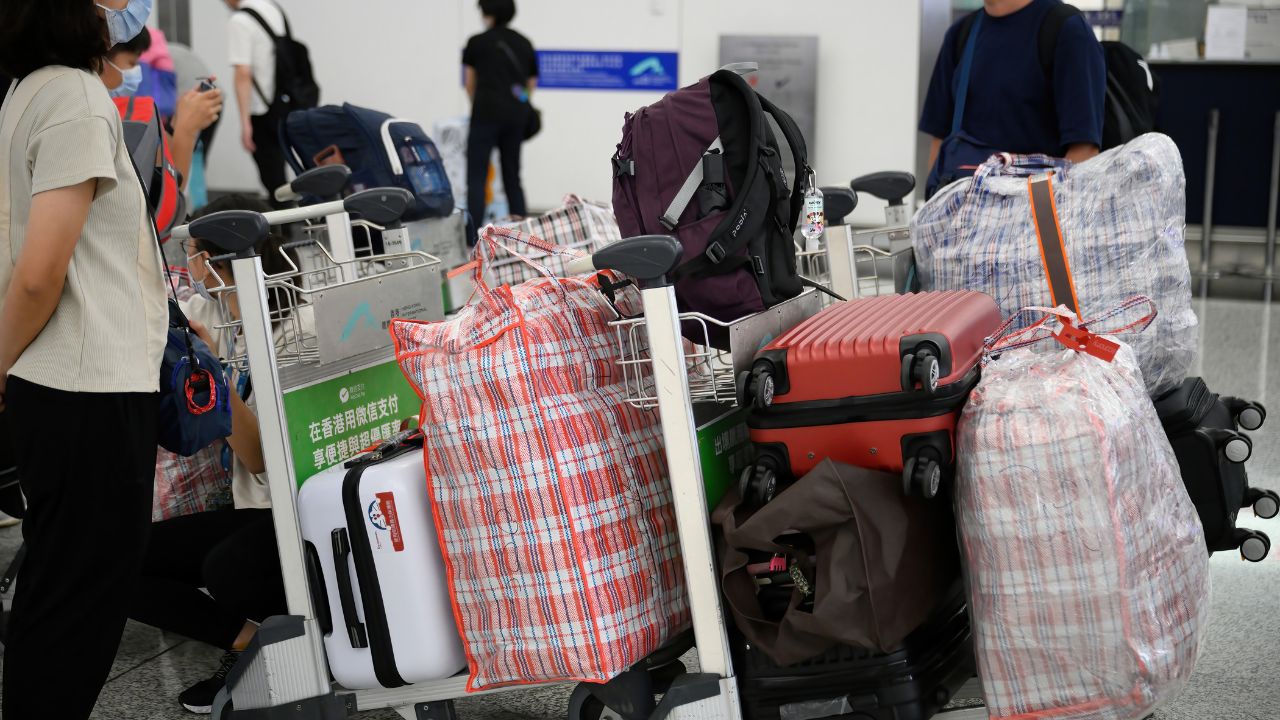
Airports are one of the easiest places to spot inexperienced travelers because stress shows up in physical form. Bulging carry-ons, frantic repacking at security, and surprise over liquid rules create a very visible kind of chaos.
TSA’s travel checklist and its liquids rule page remain clear on the basics, including the 3-1-1 rule for standard screening and the value of packing with the checkpoint in mind. When someone is digging through three bags for a charger and a quart-size toiletries pouch, everyone nearby can tell the process was not thought through.
Travel almost always looks smoother when baggage gets simpler. Documents are ready, liquids are sorted, electronics are easy to reach, and there is no dramatic suitcase surgery happening on the floor.
5. Ignoring Local Norms Instead of Learning a Few Basics Is the Biggest Tell of All

Nothing separates thoughtful travelers from obvious outsiders faster than curiosity. People do not expect visitors to know every custom, but making no effort is a different story.
Japan’s official customs and etiquette guide says understanding local behavior helps visitors travel with more confidence and explore more smoothly. The U.S. State Department makes the same point from a different angle: its planning guidance tells travelers to review destination-specific information, including local laws, entry rules, and tips from the local embassy or consulate, before departure.
Even a small amount of homework changes how you are perceived. Learning whether to tip, how loudly people speak on transit, what to wear in a religious space, or how to greet someone politely can save you from the kind of awkwardness that instantly labels you as unprepared.
The irony is that the least touristy thing you can do is stop performing competence and start practicing awareness. Good travel style is rarely about looking expensive, acting worldly, or collecting obscure hacks. It comes down to quieter habits: prepare properly, stay observant, respect shared spaces, and adjust to the place instead of demanding that the place adjust to you.
Do that well, and you will stand out far less for the wrong reasons.