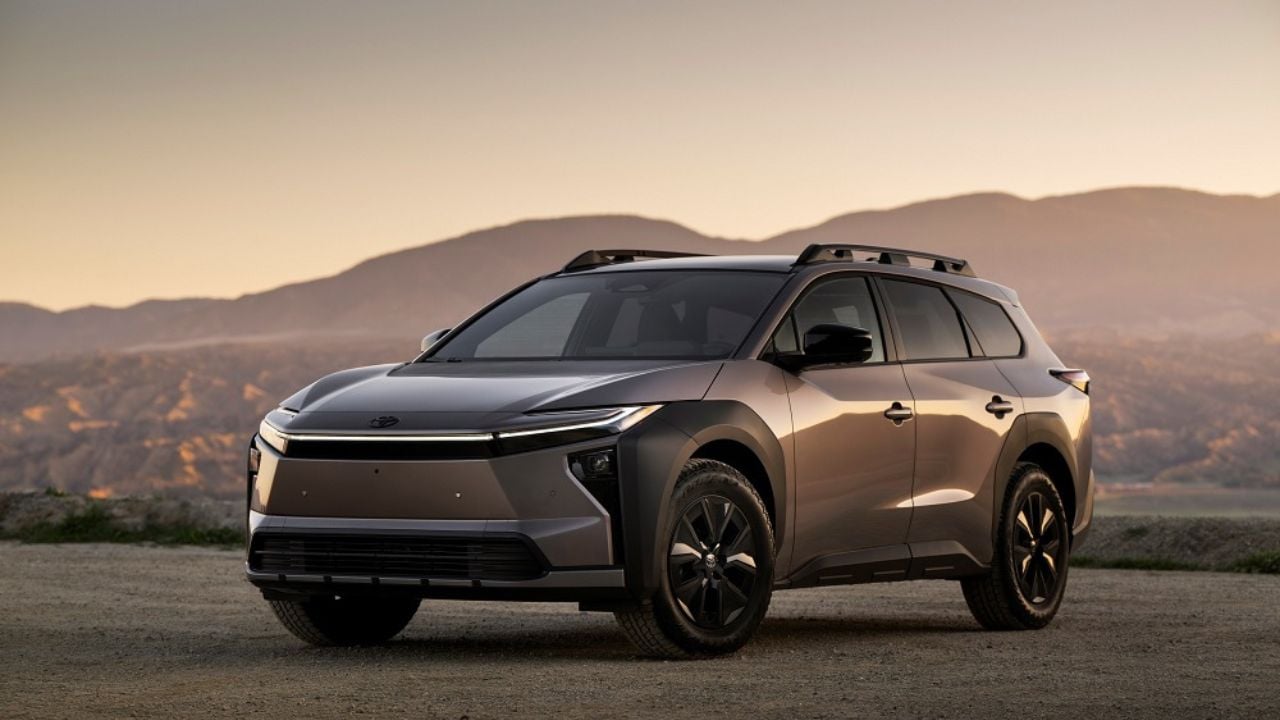
Toyota recorded one of the strongest electric vehicle growth rates in the U.S. market during the first half of 2026, even as the broader EV segment continued to see year-over-year sales decline. The Japanese automaker delivered 21,855 battery-electric vehicles between January and June, representing a 136.3% increase compared with the same period in 2025.
The impressive performance comes at a time when the U.S. EV market is adjusting after last year’s surge driven by expiring federal incentives. While overall electric vehicle sales remain below 2025 levels, Toyota has managed to gain momentum by expanding its lineup and attracting buyers with new models.
Industry data from Cox Automotive suggests the market is beginning to stabilize after several quarters of steep declines. Although EV sales remain under pressure, new vehicle launches and continued consumer interest are helping offset some of the slowdown.
Toyota’s results also highlight the growing importance of electrified vehicles within its broader strategy. Alongside strong hybrid demand, the company’s expanding EV portfolio is helping it establish a larger presence in an increasingly competitive market.
New Electric Models Drive Sales Growth
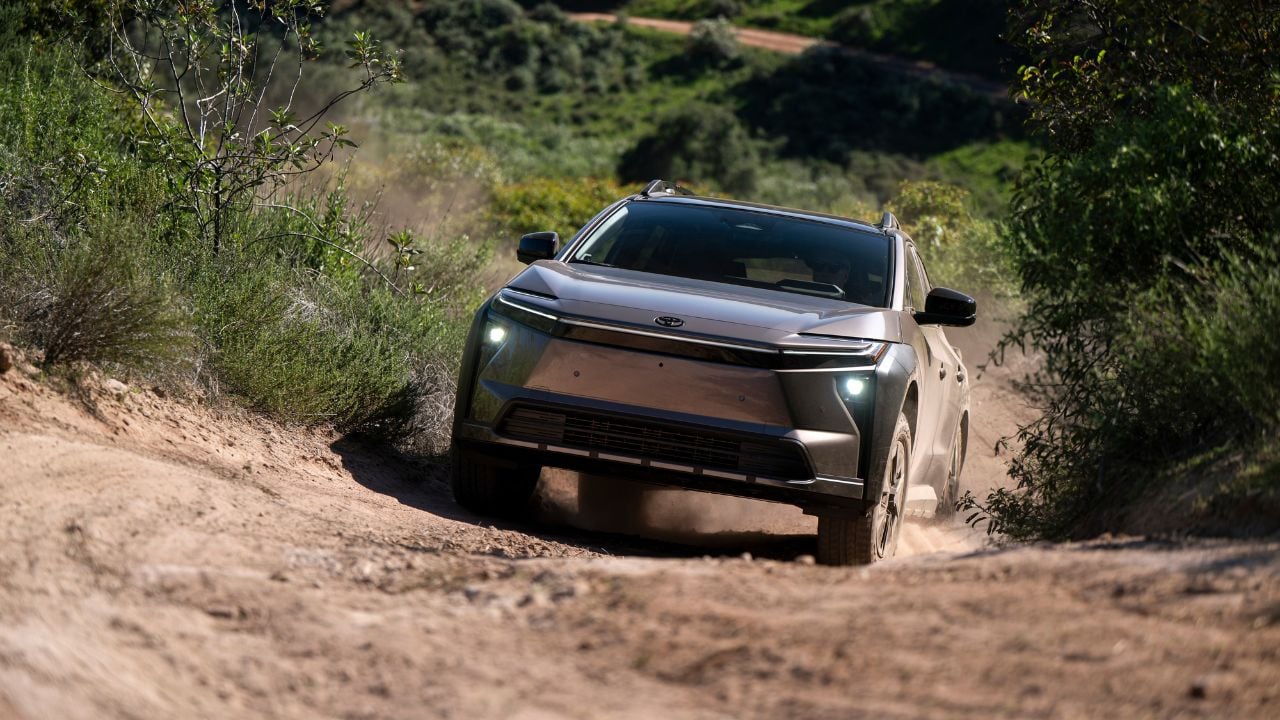
The Toyota bZ continued to lead the brand’s electric lineup, accounting for 17,553 deliveries during the first six months of the year. Two newer additions also contributed to the company’s gains, with the bZ Woodland recording 554 sales and the all-electric C-HR adding 3,748 deliveries after entering the market.
Momentum accelerated further during the second quarter. Toyota sold 11,826 battery-electric vehicles between April and June, marking a 225% increase compared with the same quarter a year earlier as its newest models reached dealerships.
The combination of an established core model and fresh product launches has helped Toyota emerge as one of the fastest-growing EV brands in the United States. According to Cox Automotive, the company now ranks among the country’s five largest electric vehicle sellers.
The EV Market Is Still Under Pressure
Toyota’s success stands out because it comes during a challenging period for the U.S. electric vehicle market. Kelley Blue Book estimates show 247,226 EVs were sold during the second quarter of 2026, representing a 14.7% improvement over the first quarter but a 20.5% decline compared with the same period last year.
The year-over-year decline marks the third consecutive quarterly drop for EV sales. However, analysts note that the pace of the slowdown has eased considerably compared with the sharp declines recorded late in 2025 and earlier this year, suggesting the market may be finding a more sustainable level.
Tesla remained the dominant player despite experiencing lower sales during the first half of 2026. Chevrolet finished second, followed by Hyundai and Cadillac, while Toyota and Subaru were among the biggest gainers after both more than doubled their electric vehicle sales year over year.
Affordability Is Becoming A Key Advantage
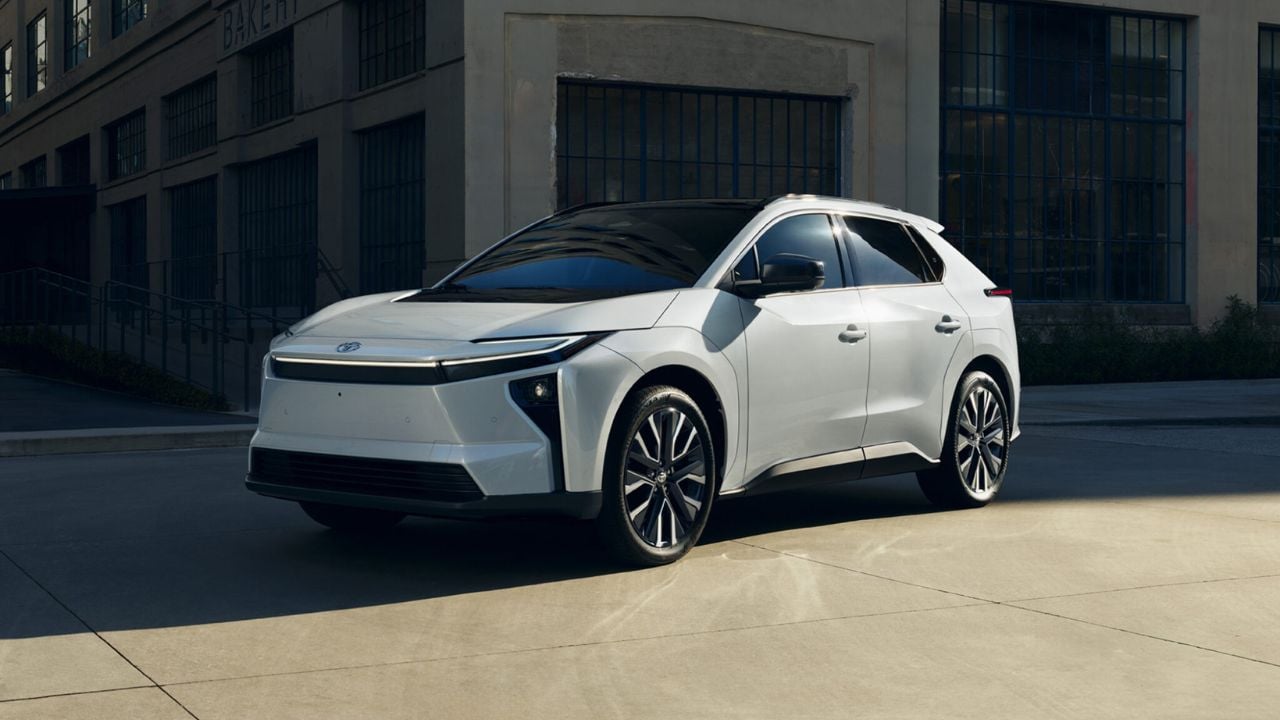
Pricing continues to play a major role in consumer buying decisions. Cox Automotive estimates the average price of a new electric vehicle reached $54,532, roughly $5,000 higher than the average transaction price for a new vehicle overall.
Meanwhile, used EV demand has accelerated as shoppers look for more affordable alternatives. Used electric vehicle sales climbed 29% during the second quarter, reaching a record high while new EV demand softened.
Toyota appears well positioned to benefit from buyers seeking value. The company offers several affordable models across its lineup, while its expanding range of electrified vehicles gives customers additional options beyond traditional gasoline-powered vehicles.
Hybrids Continue To Strengthen Toyota’s Position
Electric vehicles are only one part of Toyota’s electrification strategy. The automaker continues to see strong demand for its hybrid lineup, with hybrid models now outselling gasoline-only vehicles in several markets.
Across the U.S. industry, hybrid sales are expected to rise by approximately 9% in 2026 despite a modest decline in overall new vehicle sales. Rising fuel prices and the growing availability of hybrid powertrains have helped sustain demand as many buyers seek greater efficiency without fully committing to battery-electric vehicles.
According to Cox Automotive, EVs accounted for approximately 5.8% of all new vehicle sales during the second quarter, essentially unchanged from the first quarter but well below the record share reached in 2025. Even so, analysts believe continued improvements in affordability, technology, and new product offerings will support the next phase of electric vehicle adoption, with Toyota appearing increasingly well positioned to capitalize on that long-term growth.