
Toyota’s ongoing twin-turbo V6 recall saga has entered a new phase, and not all owners are happy about it. After replacing tens of thousands of engines over the past two years, the automaker is now changing how it determines which vehicles actually need new powerplants.
The latest update affects hundreds of thousands of vehicles equipped with Toyota’s V35A-FTS twin-turbocharged V6 engine. Rather than automatically replacing every recalled engine, Toyota will now use a software-based inspection process to evaluate whether a vehicle is at risk of bearing failure.
The decision marks a significant adjustment in strategy for one of the largest engine recall campaigns in recent memory. While Toyota says the new process is backed by extensive testing and engineering analysis, some owners believe the company is prioritizing cost control over customer confidence.
As a result, what was already one of the most closely watched reliability issues in the truck market has become even more controversial.
A Different Approach To A Massive Recall
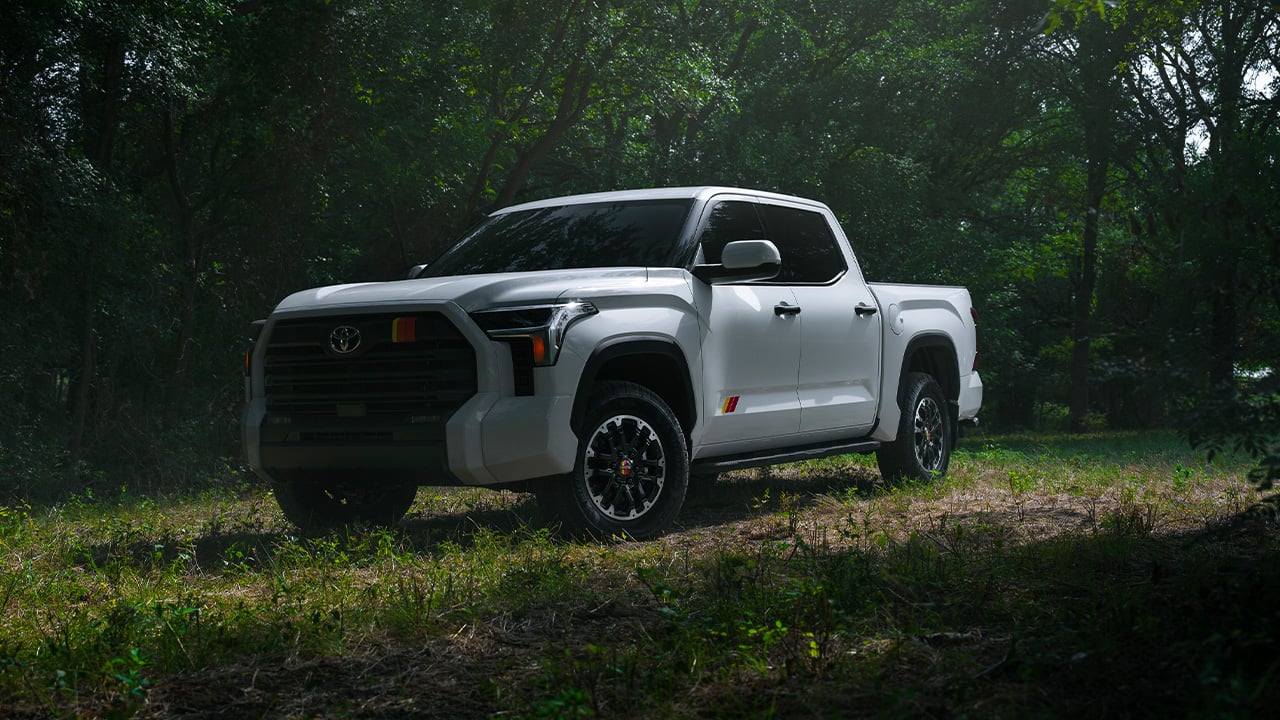
The V35A-FTS engine has been at the center of multiple recalls affecting Toyota Tundra pickups and Lexus LX SUVs. The problem stems from manufacturing debris, often referred to as swarf, that can contaminate the engine’s main bearings during production.
If enough debris reaches the bearing surfaces, it can lead to abnormal wear. In severe cases, owners may experience knocking noises, rough running, loss of power, or complete engine failure.
Until now, Toyota’s primary solution involved replacing entire engines in affected vehicles. More than 70,000 twin-turbo V6 engines have reportedly been replaced as part of the recall effort.
How The New Inspection Works
Under the revised procedure, dealers will use specialized inspection software to evaluate the condition of the engine’s number-one main bearing. Rather than physically disassembling the engine, the system analyzes data gathered from the vehicle.
According to Toyota, the software measures the resonant frequency of the front portion of the crankshaft. Engineers developed the system by comparing engines with healthy bearings against those showing abnormal wear patterns.
The inspection also considers how the vehicle has been driven. Toyota says enough load and operating data must be available to confidently determine the bearing’s condition. If the software cannot verify that the bearing is free from abnormal wear, the engine will be replaced at no cost to the owner.
Interestingly, Toyota says engines that lack sufficient drive data will also qualify for replacement because the inspection cannot produce a reliable assessment.
Not Every Tundra Is Affected Equally
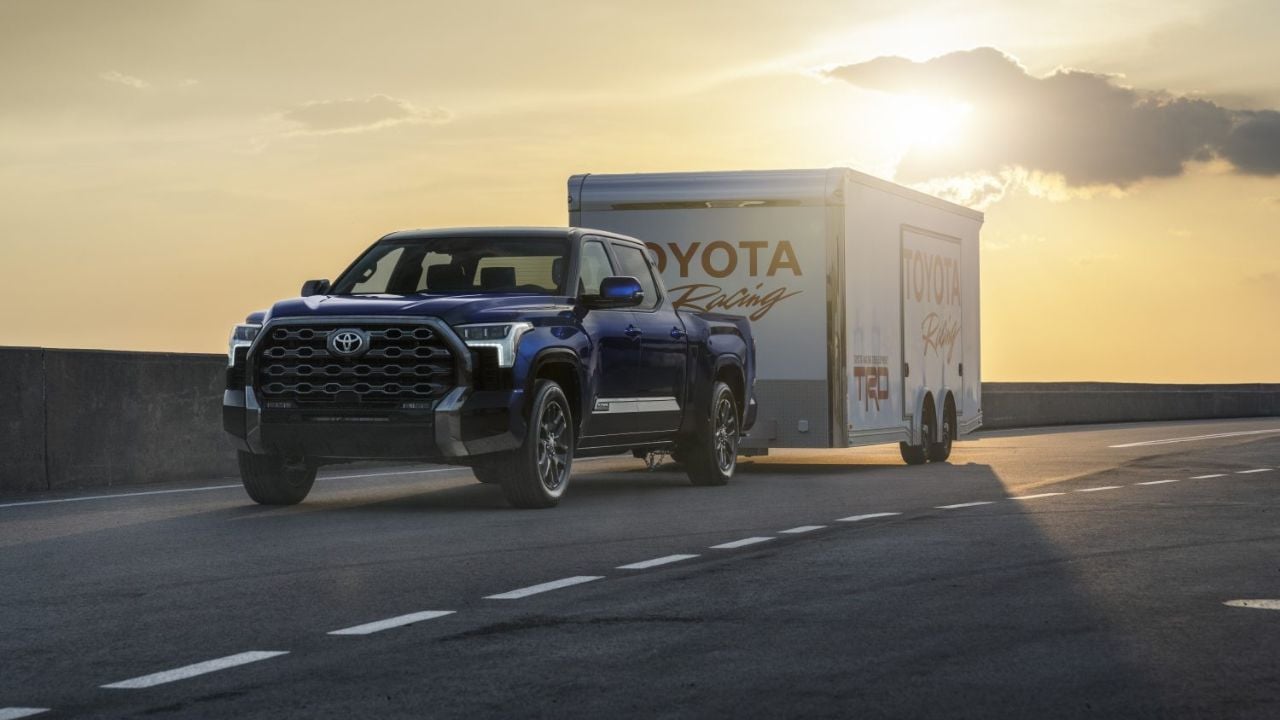
Toyota clarified that earlier vehicles covered by the initial 2024 recall will continue receiving engine replacements if they have not already undergone repairs. The new inspection-based approach primarily applies to later recall populations.
The company also notes that replacement engines and newer production vehicles benefit from design revisions implemented beginning in July 2024. Those changes specifically target the number-one main bearing, which has been identified as the primary source of concern.
As a result, owners who have already received replacement engines will not need to undergo the new inspection process.
Toyota maintains that while manufacturing debris can still exist in modern engine production, the revised bearing design is more resistant to potential damage.
Owners Remain Skeptical
Despite Toyota’s explanation, many owners remain unconvinced. Online forums and owner groups have been filled with discussions questioning whether the software-based inspection adequately addresses the underlying issue.
Some owners argue that the problem extends beyond a single bearing and reflects bigger concerns about the engine’s design or manufacturing process. Others worry that vehicles deemed healthy today could develop problems later.
The frustration is understandable given the lengthy timeline of the recall campaign. Since the first recall was announced in 2024, owners have endured multiple updates, expanded recall populations, and shifting repair procedures.
For many customers, the uncertainty has become almost as frustrating as the mechanical problem itself.
Toyota’s Reliability Reputation Faces A Test
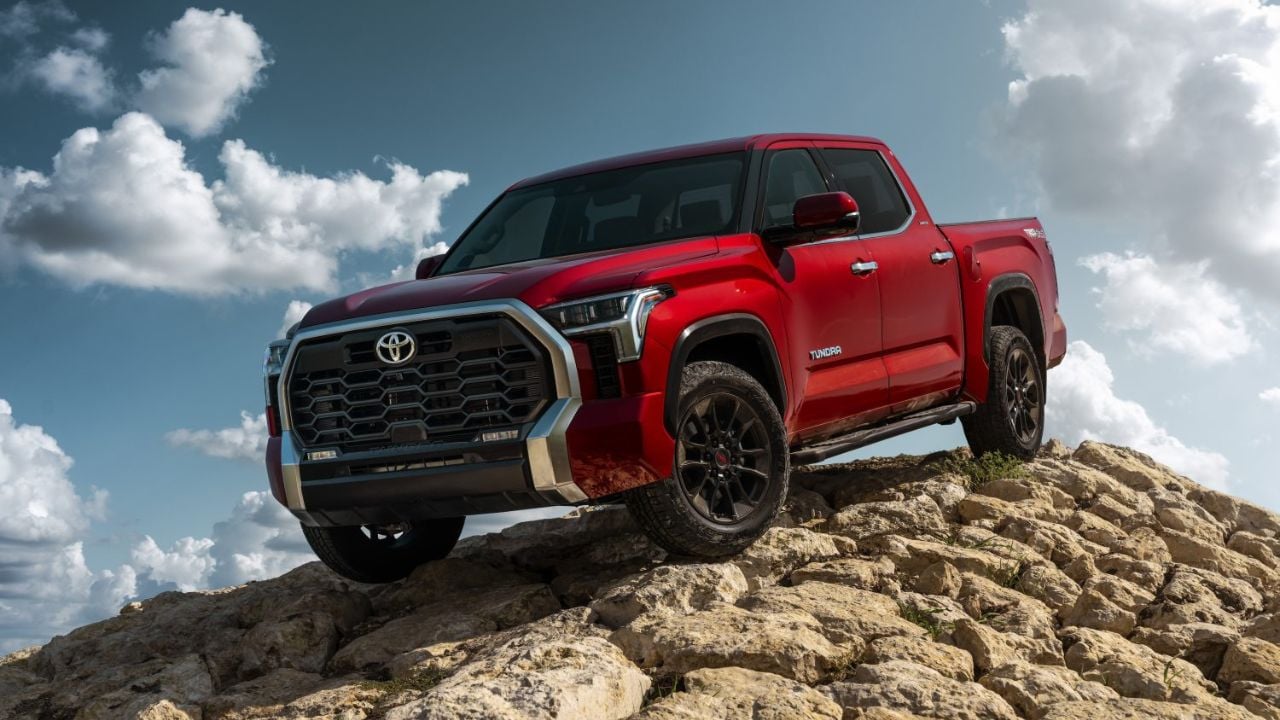
Perhaps the biggest challenge for Toyota is not the cost of replacing engines but the potential impact on its reputation. The brand has spent decades building a reputation for durability and long-term dependability, particularly in the truck market.
The Tundra’s twin-turbo V6 was introduced as part of Toyota’s move away from traditional V8 power. While the engine delivered improvements in power, efficiency, and emissions, the recall has cast a shadow over that transition.
Toyota insists it has identified the root cause and implemented engineering changes to prevent future failures. Yet the company continues producing Tundras with the same engine family, meaning confidence in those fixes will ultimately be determined by real-world results.
For now, the recall remains one of the most significant challenges Toyota has faced in years. Whether the new inspection strategy successfully resolves the issue or simply fuels further owner frustration will become clear as the next phase of repairs unfolds.