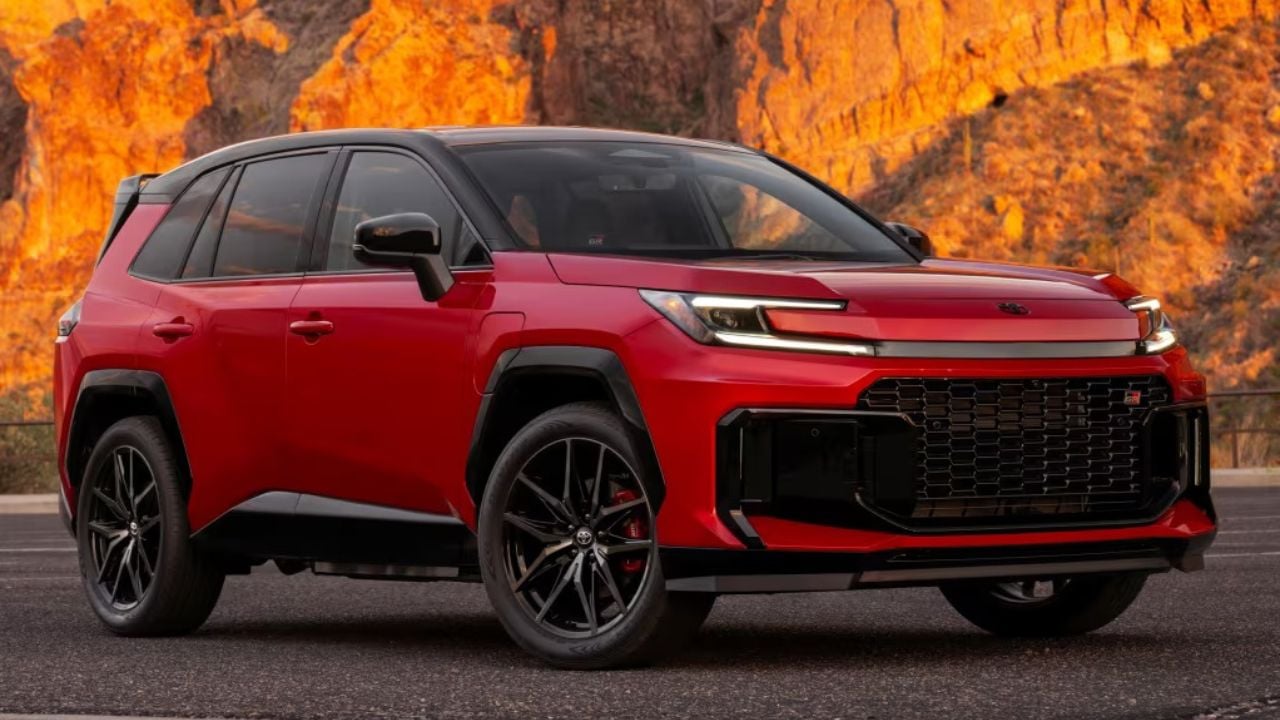
For years, Toyota faced criticism for refusing to fully embrace the industry’s rapid push toward battery-electric vehicles. While rivals aggressively announced all-EV futures and spent enormous sums developing dedicated electric platforms, Toyota repeatedly insisted hybrids, plug-in hybrids, hydrogen, and combustion engines would all continue playing important roles.
At the center of that resistance was former Toyota CEO and current chairman Akio Toyoda, who consistently warned that forcing a single global solution onto every market carried serious financial and practical risks.
Back then, many analysts viewed Toyota’s cautious approach as outdated while competitors rushed headfirst into electrification.
Now, the market appears to be moving closer to Toyota’s position. As EV demand slows in several major markets and automakers scale back expensive electrification programs, Toyota’s long-running hybrid strategy is increasingly looking less conservative and more financially disciplined. The company may have avoided billions of dollars in losses by refusing to go all-in on battery-electric vehicles too early.
Toyota Refused To Bet Everything On EVs
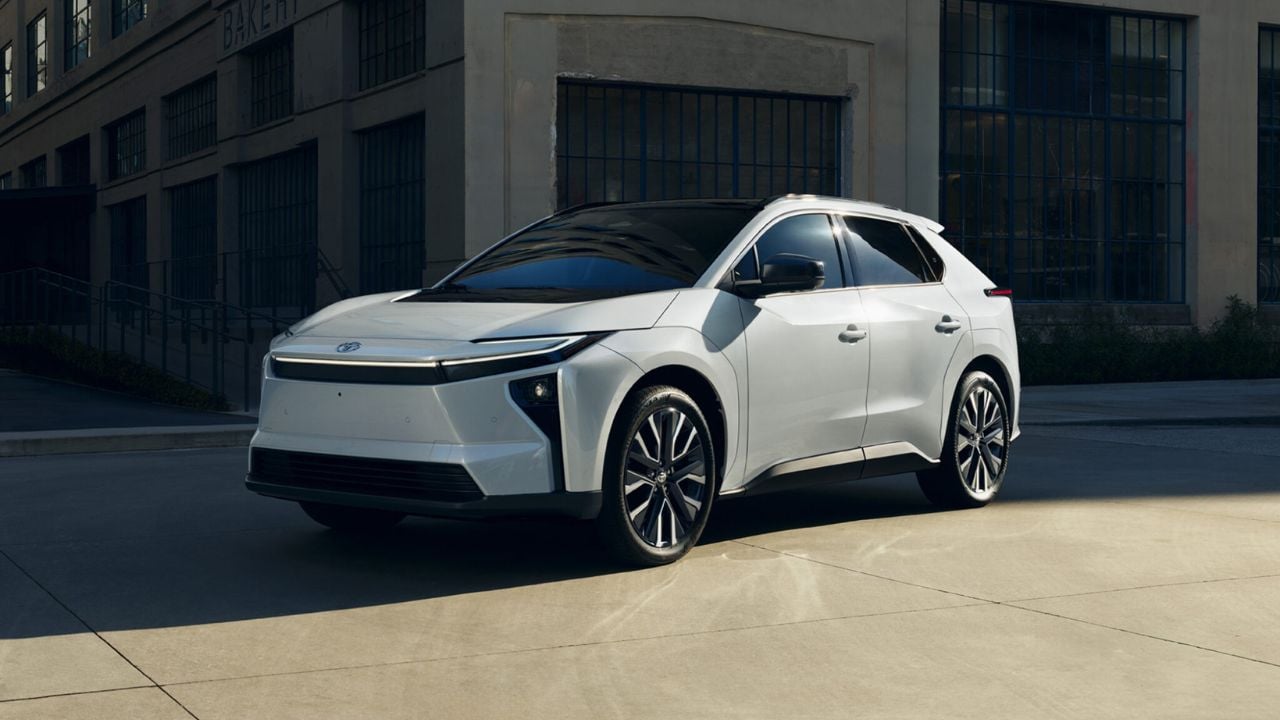
During the late 2010s and early 2020s, much of the global auto industry treated battery-electric vehicles as the inevitable and immediate replacement for internal combustion engines.
Major automakers announced huge investments in EV-only platforms, battery factories, and future lineups that would eventually phase out gasoline engines entirely. Companies feared being left behind by Tesla’s rapid growth and by increasingly aggressive emissions regulations in Europe, China, and parts of North America. Toyota took a different approach.
While the company continued investing in electrification technologies, it consistently argued that customer needs, charging infrastructure, fuel prices, and energy grids varied dramatically across different global markets. Instead of committing entirely to EVs, Toyota continued to heavily expand its hybrid lineup.
That strategy was built upon decades of hybrid experience dating back to the original Toyota Prius. Toyota gradually turned hybrid technology into a mainstream offering across models like the Toyota Camry, Toyota Corolla, Toyota Highlander, and especially the Toyota RAV4.
Hybrid Sales Are Growing While EV Demand Slows
Recent U.S. sales data increasingly support Toyota’s cautious strategy. According to April 2026 market figures from the National Automobile Dealers Association, conventional hybrids were the only major powertrain category showing strong year-over-year growth. Hybrid sales rose more than 9 percent during the first four months of 2026 and accounted for roughly 14.5 percent of all new vehicle sales.
Battery-electric vehicles moved in the opposite direction. BEV sales reportedly fell more than 35 percent year-over-year during the same period, with EV market share dropping significantly compared to 2025 levels. Several automakers have since slowed production targets, delayed new EV launches, or shifted resources back toward hybrids and gasoline-powered vehicles.
The financial implications have been substantial. Companies such as Ford Motor Company have reported billions of dollars in EV-related losses while continuing to search for profitable scaling strategies.
Toyota largely avoided that situation by keeping hybrids at the center of its volume strategy instead of rapidly forcing customers into fully electric vehicles.
The RAV4 Has Become A Key Part Of Toyota’s Success
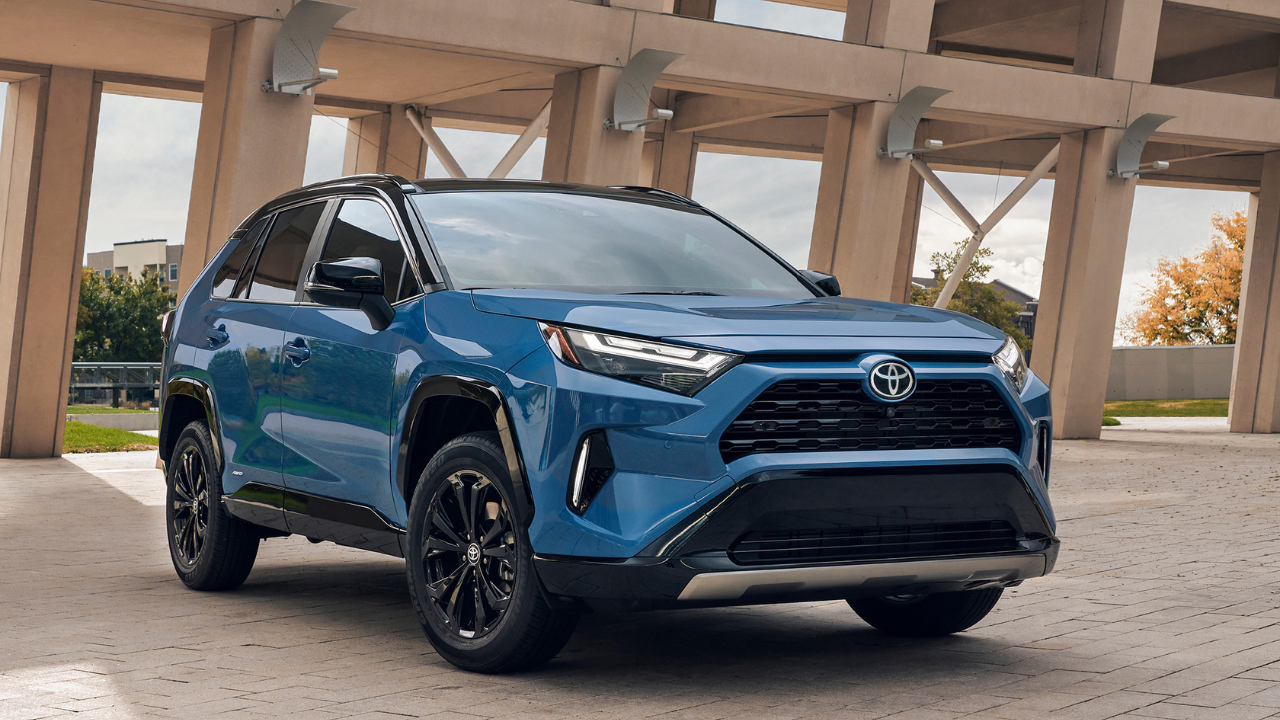
One of the clearest examples of Toyota’s strategy is the latest Toyota RAV4 lineup. For 2026, Toyota transitioned the RAV4 into a fully electrified family consisting entirely of hybrid and plug-in hybrid variants. Traditional gasoline-only versions were phased out in favor of more fuel-efficient electrified options.
The standard hybrid combines a 2.5-liter four-cylinder engine with Toyota’s fifth-generation hybrid system and delivers up to 44 mpg in front-wheel-drive form. Plug-in hybrid versions offer significantly more power along with up to 52 miles of electric-only driving range.
That combination gives buyers improved fuel economy and limited EV-style commuting capability without fully depending on public charging infrastructure. For many consumers, that appears to be the sweet spot.
Toyota Still Believes There’s A Place For EVs
Despite its slower EV rollout, Toyota is not abandoning electrification. The company continues to invest heavily in batteries and manufacturing infrastructure, including a $14 billion battery plant in North Carolina and nearly another billion dollars spread across multiple U.S. production facilities.
Toyota’s electrified sales are also growing rapidly overall. In 2025, nearly half of Toyota Motor North America’s total sales consisted of electrified vehicles, including hybrids, plug-in hybrids, EVs, and hydrogen fuel-cell vehicles. That figure climbed even higher in early 2026.
The difference is that Toyota’s success is being driven primarily by hybrids rather than battery-electric vehicles alone. That distinction may prove critical as the industry recalibrates expectations surrounding EV adoption speed and profitability.
Toyota’s Strategy Still Carries Risk
Toyota’s measured approach may look smart today, but the long-term outcome remains uncertain. Battery-electric technology continues improving, charging infrastructure is expanding, and EV prices may eventually become far more competitive. If global EV adoption accelerates again later this decade, Toyota could still find itself needing to move faster.
For now, though, Toyota’s CEO appears to have successfully guided Toyota through one of the auto industry’s most expensive transitions without exposing the company to the massive financial strain some rivals are now facing.
Rather than rushing entirely into one future, Toyota built a strategy around flexibility, and that caution increasingly looks like one of the company’s biggest competitive advantages.