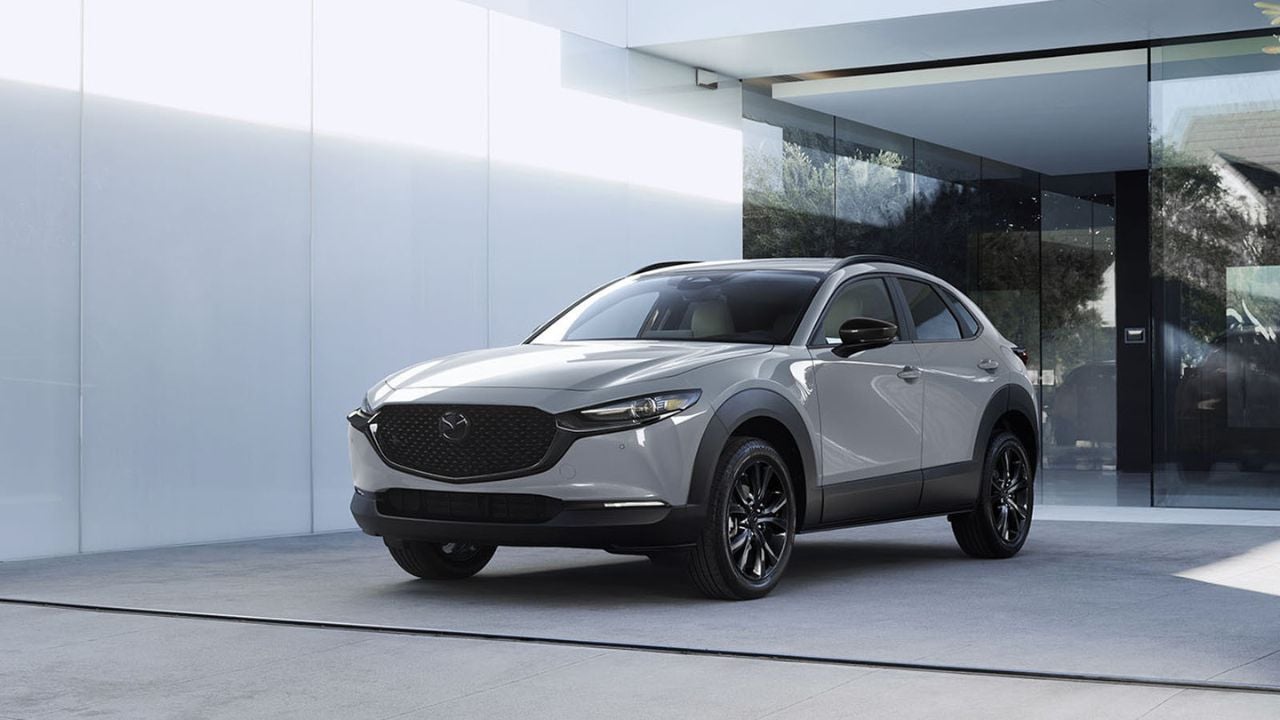
Mazda is dramatically scaling back its electric vehicle ambitions as it pivots toward hybrids and combustion-powered models instead. The company has confirmed it will delay its first dedicated EV platform while reducing planned EV investment by billions of dollars.
The decision places Mazda alongside a growing number of global automakers that are slowing their aggressive electrification timelines in response to softer EV demand, shifting government policies, and growing uncertainty around long-term profitability in the segment.
Rather than aggressively chasing battery-electric sales targets, Mazda now plans to focus more heavily on hybrid technology and fuel-efficient internal combustion engines over the next several years.
Interestingly, Mazda’s relatively slow approach to EV adoption may have worked in its favor. Because the company had not yet fully committed massive amounts of capital to large-scale EV production, it avoided the huge financial write-downs that have recently affected several larger rivals.
Mazda’s First Dedicated EV Has Been Delayed
Mazda had originally planned to launch its first purpose-built electric vehicle in 2027. That timeline has now slipped significantly, with production expected to begin no earlier than 2029.
The company says the delay reflects changing market conditions across several major regions, including the United States and Europe. Mazda cited loosening emissions regulations, reduced EV incentives, uncertain demand, and tariffs as key reasons behind the decision.
At the same time, the automaker is sharply reducing the amount of money it plans to spend on electrification through the end of the decade.
Mazda’s previous EV investment target stood at roughly $12.5 billion through 2030. That figure has now been reduced to approximately $7.5 billion, representing a cut of nearly 40 percent.
Hybrids Are Becoming Mazda’s Main Priority
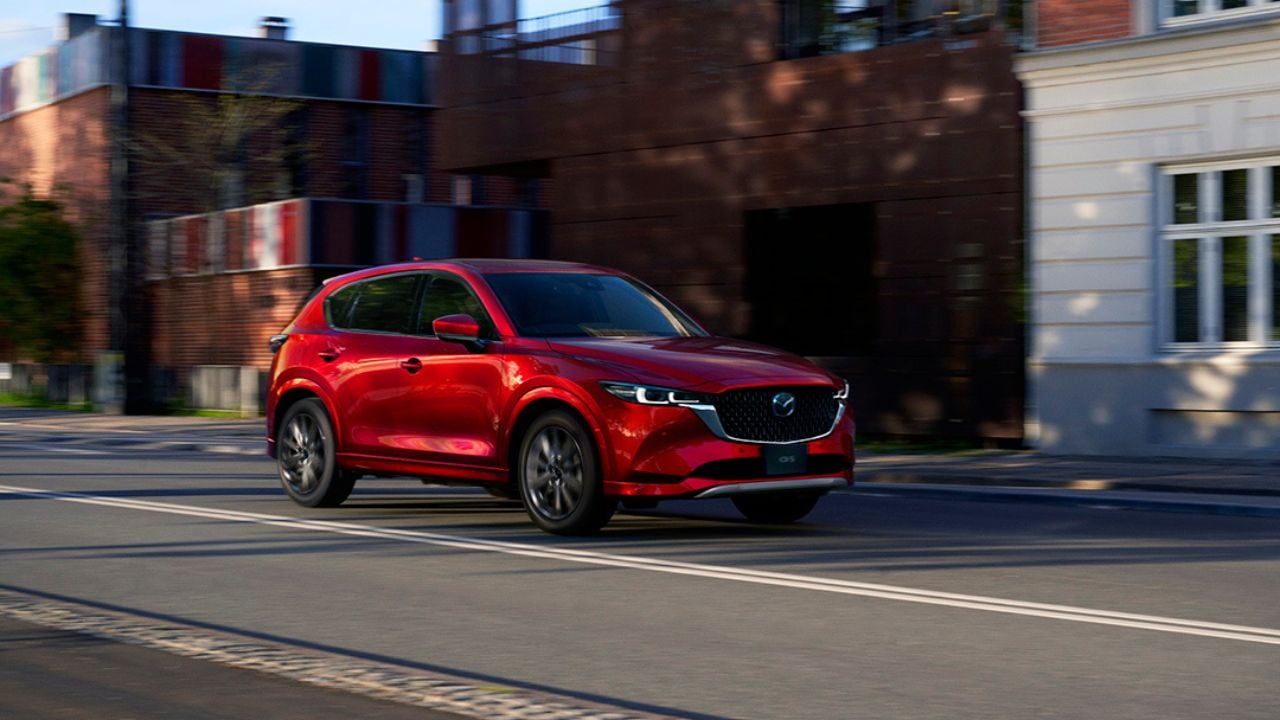
Instead of fully electric vehicles, Mazda will now place far greater emphasis on hybrid powertrains during the second half of the decade.
The company plans to introduce three new hybrid models between 2028 and 2030, expanding beyond the upcoming hybrid version of the next-generation CX-5 expected to arrive sooner.
Unlike some of Mazda’s current hybrid offerings, which rely partly on Toyota-sourced hybrid systems, the upcoming models are expected to feature Mazda-developed technology paired with the company’s new Skyactiv-Z four-cylinder engine.
Mazda CEO Masahiro Moro also confirmed the company is reallocating engineering resources away from EV development and back toward combustion and hybrid technologies.
That change highlights how many automakers now see hybrids as a more practical middle ground while EV demand remains inconsistent across global markets.
China Will Play A Bigger Role In Mazda’s EV Plans
Although Mazda is slowing the development of its own dedicated EVs, the company is not abandoning electric vehicles entirely.
Instead, Mazda plans to lean heavily on products developed through its Chinese joint venture with Changan Automobile. China-built EVs will help the company maintain a presence in key electrified markets without requiring massive standalone investment.
Vehicles such as the Mazda EZ-6 sedan and EZ-60 crossover are already positioned as global export products. Mazda intends to ship those models from China to Europe, Australia, and Southeast Asia as part of what it calls a “lean asset” strategy.
That approach allows Mazda to remain active in EV markets where regulations and consumer demand still strongly favor battery-electric vehicles while avoiding the financial burden of rapidly scaling its own global EV architecture.
Mazda’s Conservative Strategy May Be Paying Off
For years, Mazda was often criticized for moving slower toward electrification than many competitors. While rivals announced massive EV rollouts and ambitious battery targets, Mazda repeatedly described itself as a cautious or “intentional follower.” That strategy now appears far less risky than it once did.
Several major automakers, including Ford, General Motors, Honda, and Stellantis, have recently scaled back EV production plans or delayed future programs after demand growth slowed in key markets.
Mazda, meanwhile, avoided spending heavily before market conditions fully stabilized. According to company leadership, that timing allowed the automaker to adjust course without absorbing the massive losses some rivals experienced after overcommitting to early EV expansion.
The company’s expectations for EV adoption have also changed substantially. Mazda previously projected that battery-electric vehicles could account for as much as 25 to 40 percent of global sales by 2030. That forecast has now been lowered dramatically, with the company targeting roughly 15 percent EV sales volume by the end of the decade.
For now, Mazda appears convinced that hybrids and efficient combustion engines remain the safer business strategy while the global auto industry recalibrates its electrification goals.