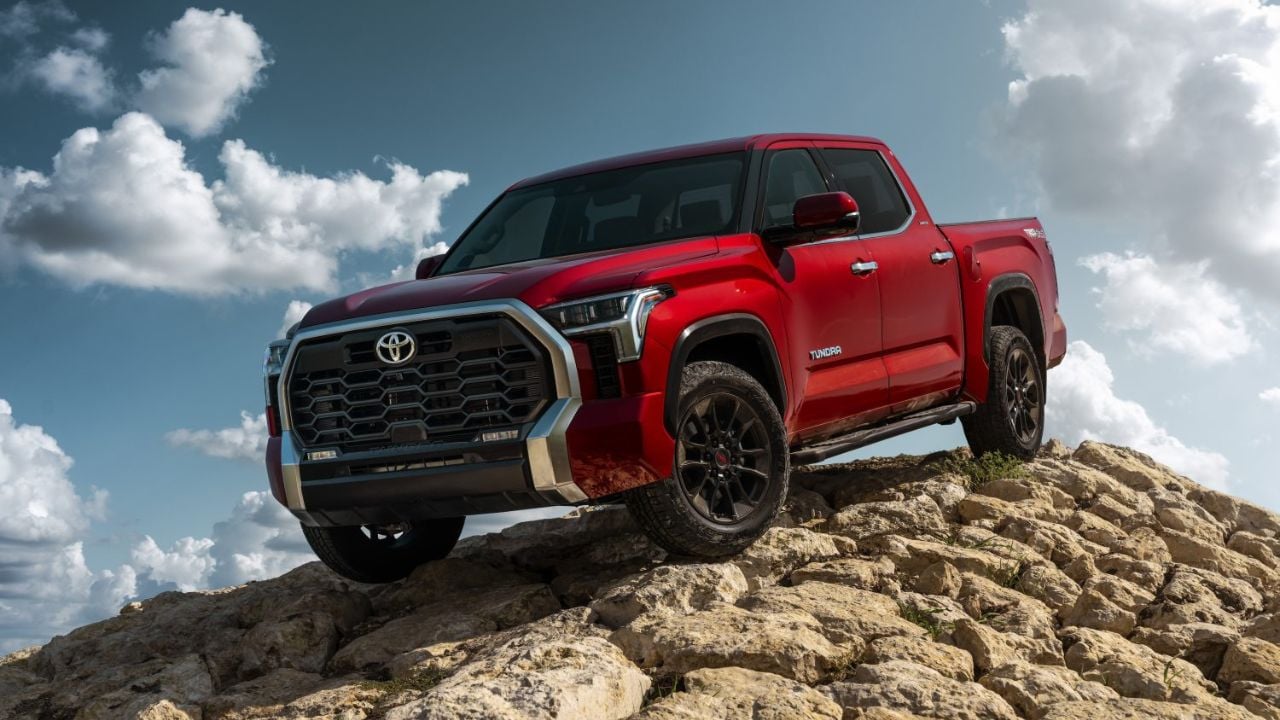
Toyota’s growing twin-turbo V6 engine nightmare just got even bigger. The automaker has announced another major recall affecting approximately 44,000 additional 2024 Toyota Tundra pickups after discovering that machining debris inside the engines can still trigger catastrophic failures.
The latest campaign expands a recall saga that has already impacted more than 225,000 Toyota and Lexus vehicles equipped with the company’s 3.4-liter twin-turbocharged V6. Owners have reported sudden engine failures, loss of power, knocking noises, rough running, and trucks that refuse to start altogether.
What makes this newest recall especially concerning is Toyota’s admission that the affected engines were already built using updated manufacturing controls intended to prevent the exact same problem. According to Toyota, even after implementing additional debris-removal procedures during production, enough contamination could still remain inside the engine to damage critical bearings.
That revelation raises fresh questions about whether the issue is truly isolated to manufacturing debris alone or if deeper engineering problems may also be contributing to the failures. Independent engine teardown specialists are already publicly challenging Toyota’s explanation as the recall continues to expand.
Toyota Says Machining Debris Is Still The Problem

Toyota’s official explanation remains largely unchanged from its previous recalls. The automaker says leftover machining debris inside the engine may not have been fully removed during production.
According to Toyota, that debris can damage the engine’s #1 main bearing, eventually leading to severe engine problems or complete failure. Drivers may experience engine knocking, rough running, no-start conditions, or sudden loss of motive power while driving.
A power loss at highway speeds significantly increases crash risks, which is why the issue has triggered another formal safety recall.
Toyota says engines built after this latest batch received an updated #1 main bearing design intended to better withstand contamination if debris remains inside the engine.
That wording is particularly notable because it suggests Toyota believes some level of residual debris may still occur even under newer manufacturing procedures. Hybrid-powered Tundra models remain excluded from the recall.
The Recall Saga Keeps Growing
This marks the third major recall tied to Toyota’s twin-turbo V6 engine program. The first campaign launched in May 2024 and covered roughly 102,000 vehicles, including 2022-2023 Toyota Tundras and Lexus LX SUVs.
A second recall followed in November 2025, adding another 127,000 vehicles to the list. With this newest expansion covering approximately 44,000 additional 2024 Tundras in the United States, the total number of affected vehicles has now climbed past a quarter-million units.
Toyota says dealers have already completed more than 77,000 repairs related to the earlier recalls. However, the company is still finalizing remedies for both the November 2025 campaign and this latest recall.
Owners may be waiting a while for permanent fixes. Toyota says it hopes to finalize repair details “within the next couple of months” before contacting customers in phases based on how long their trucks have been in service.
Independent Engine Expert Questions Toyota’s Explanation
While Toyota continues blaming leftover machining debris, not everyone is convinced that tells the full story. Engine teardown specialist Eric Berg of the I Do Cars YouTube channel dissected a failed Toyota V35A-FTS twin-turbo V6 removed from a Tundra with just 38,000 miles. During the teardown, Berg discovered catastrophic damage centered almost entirely around the engine’s main bearings.
According to Berg, the rod bearings remained surprisingly clean despite sharing the same oiling system. That detail led him to publicly question Toyota’s contamination explanation.
“If it was debris that caused this engine failure, how does it know to target just the main bearings and not the rod bearings?” Berg said during the teardown video.
Berg stopped short of claiming he definitively knows the true root cause. Since the engine came from a third-party source, its maintenance history remains unknown, and any original debris would have mixed with metal fragments created during the bearing failure itself.
Still, the teardown has intensified debate among owners and enthusiasts who have watched Toyota’s recall campaign continue growing for nearly three years.
A Rare Black Eye For Toyota Reliability
Toyota has built its reputation on reliability better than almost any other automaker, which is why the ongoing Tundra V6 problems have become such a major story. Full-size truck buyers tend to place enormous value on long-term durability, especially in vehicles often used for towing, hauling, and commercial work.
The company’s twin-turbo V6 replaced the old naturally aspirated V8 as part of Toyota’s push toward better efficiency and lower emissions. On paper, the newer engine delivers impressive torque, performance, and fuel economy.
Unfortunately for Toyota, recurring engine failures have overshadowed much of that progress. For now, affected owners are being urged to contact Toyota dealers if they notice symptoms like engine knocking, rough running, warning lights, or sudden power loss. Whether this latest recall finally closes the chapter on the Tundra V6 problems remains very much an open question.