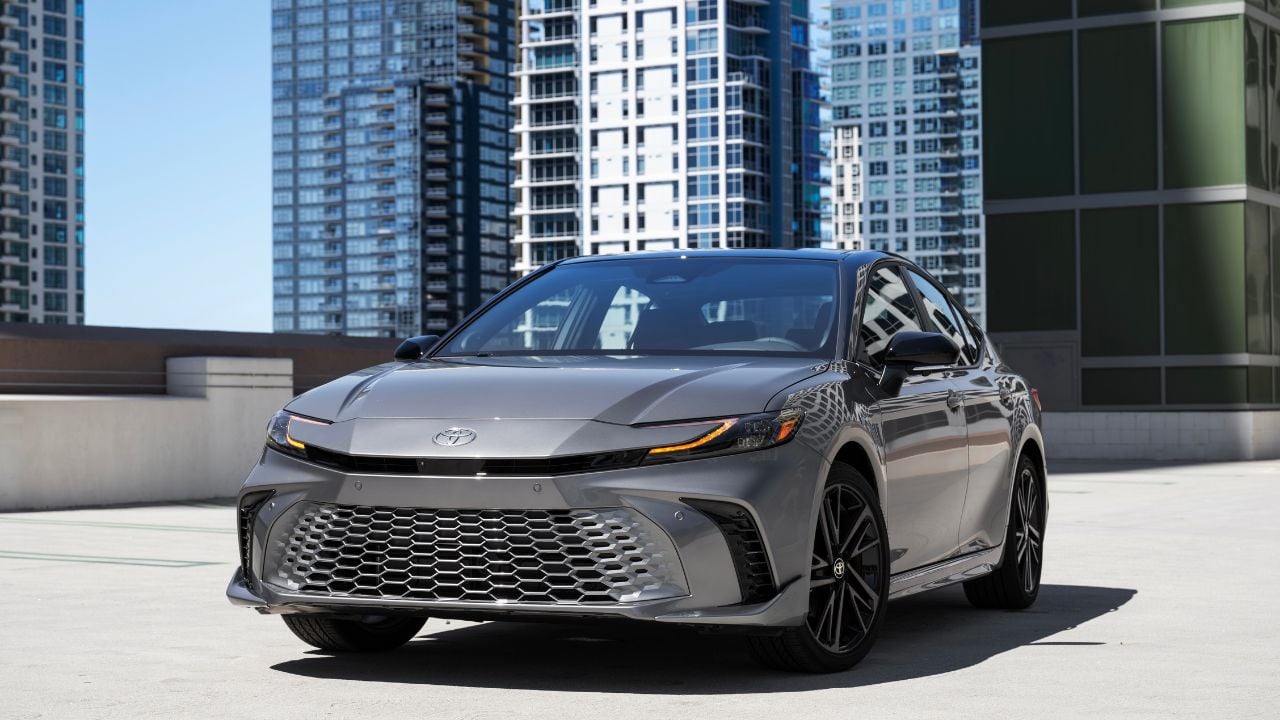

Tokyo/Japan — Toyota Motor Corporation announced a significant change to its global production and sales strategy this week. The Japanese automaker said it plans to begin selling three vehicle models built in the United States in the Japanese market starting in 2026. The models include the Toyota Camry sedan, Highlander sport utility vehicle, and the Tundra full-size pickup truck.
This is a rare instance of reverse exports within the auto industry where vehicles produced abroad return to the automaker’s domestic market. Toyota’s leadership described this move as part of efforts to broaden its product lineup in Japan, respond to diverse customer preferences, and support trade relations between Japan and the United States.
Typically, Japanese automakers export vehicles from Japan to global markets. The decision to bring American-built cars to Japan turns a new chapter in Toyota’s global manufacturing approach, though primarily influenced by shifting trade pressures and evolving political dynamics.
What Models Will Be Sold and Why
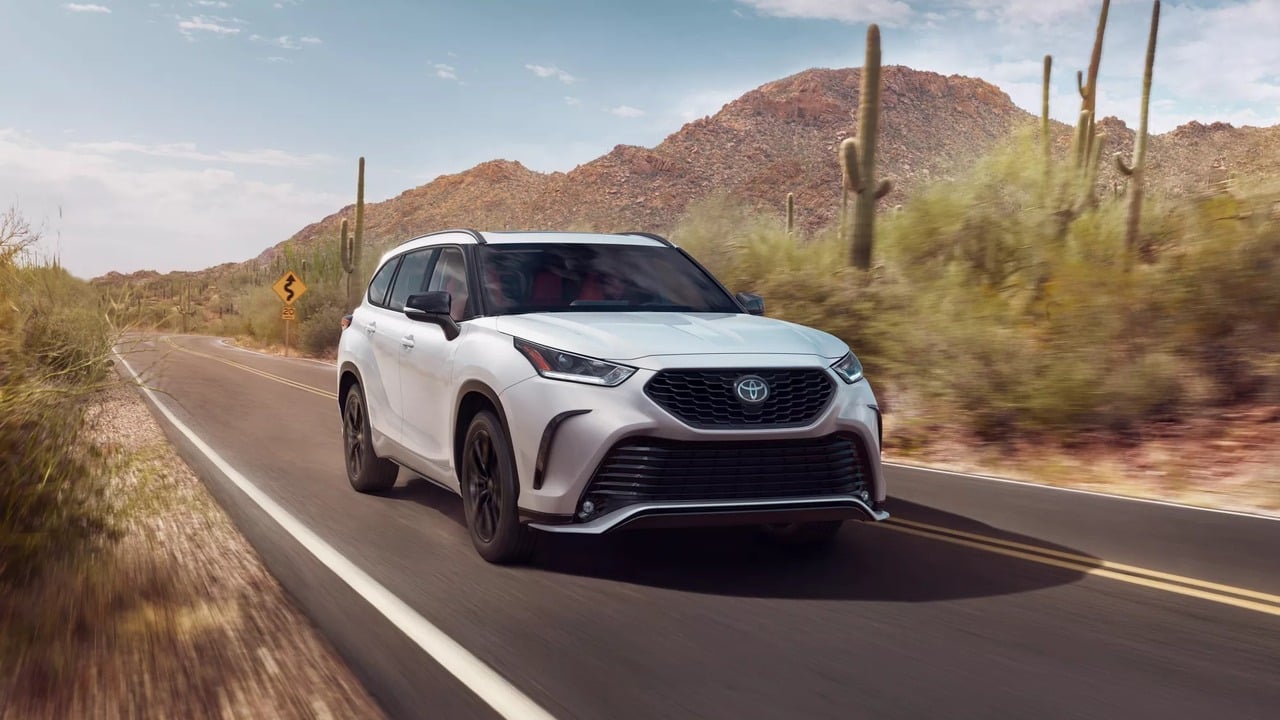
The three vehicles destined for Japanese showrooms have distinct roles in Toyota’s strategy:
- Camry sedan: Long a staple in global Toyota lineups, the Camry was once sold in Japan but was withdrawn in 2023 due to low domestic demand. Its return as a U.S.-built model underscores Toyota’s intent to reintroduce familiar nameplates to Japanese buyers with renewed positioning.
- Highlander SUV: Also previously offered in Japan but discontinued years ago, the Highlander represents Toyota’s effort to meet growing interest in larger vehicles despite traditional Japanese preferences for smaller cars.
- Tundra pickup truck: The most surprising of the trio, the Tundra will be sold in Japan for the first time. Big trucks are rare in Japan due to urban space constraints and taxation structures but the move points to an experimental push into new segments.
These models are built at Toyota facilities in Kentucky, Indiana, and Texas and will be adapted to meet Japan’s regulatory requirements and right-hand-drive standards prior to sale.
Trade Objectives and Political Context
Toyota’s plan is more than just a business decision. It comes at a pivotal moment in Japan-U.S. economic relations. Washington has pressed Tokyo to reduce the trade imbalance between the two countries for years. The export of U.S.-built vehicles to Japan can be interpreted as a diplomatic gesture that aligns with this pressure.

Boosting U.S. manufacturing exports remains a priority for President Donald Trump’s administration, who returned to national political prominence and influences trade policy discussions. Toyota’s move has been viewed in some reporting as an attempt to show responsiveness to U.S. policymakers and to foster a more balanced bilateral trade environment.
While Toyota has not explicitly cited political forces as the sole reason for its shift, its official statements emphasize the goal of improving Japan–U.S. trade relations and serving a broad range of customer needs.
Japanese consumers have traditionally gravitated toward compact cars and kei vehicles, a class that has historically enjoyed lower taxes and favorable urban performance in the country’s crowded cities. Large sedans, SUVs, and pickups face higher ownership costs, including insurance and parking requirements. This market reality means Toyota’s success with the Camry, Highlander, and especially the Tundra is not guaranteed.
Nonetheless, Toyota appears to accept this challenge as part of a broader business diversification plan that also complements its hybrid vehicle focus and global investment footprint. It recently began production at a new battery facility in North Carolina and announced plans to expand U.S. manufacturing investments by billions of dollars over the next five years.
What Now?
Toyota’s announcement can be correctly seen as a meaningful experiment in global production strategy. Selling American-made vehicles in Japan not only allows Toyota to leverage its U.S. production capacity but also could establish a precedent for other manufacturers considering similar reverse export strategies.
Whether the experiment will influence broader trade patterns or inspire competitors to follow remains to be seen.