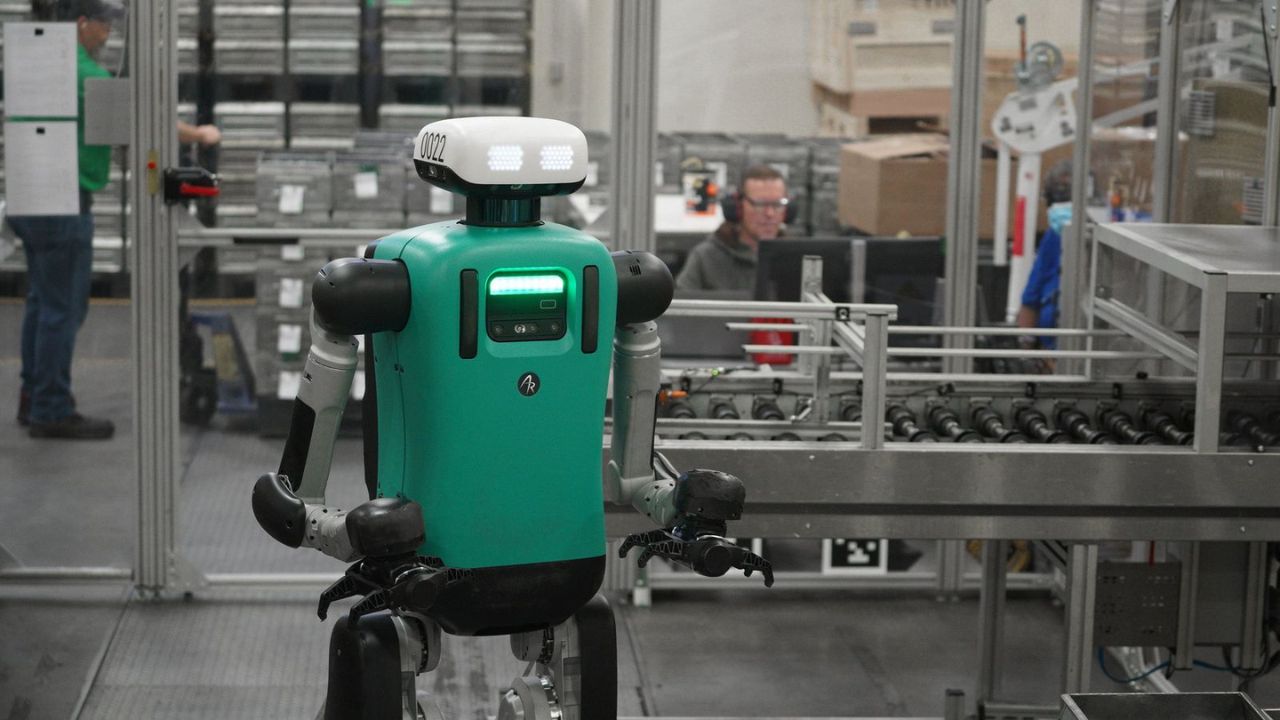
The Canadian manufacturing arm of Toyota plans to use humanoid robots at its RAV4 assembly plant in Woodstock. This follows a year-long pilot project where robots from Agility Robotics were tested in real factory conditions. After a successful evaluation, Toyota is moving towards commercial deployment in 2026, expanding the project to seven humanoid robots.
Toyota Motor Manufacturing Canada president, Tim Hollander, stated, “After evaluating a number of robots, we are excited to deploy Digit to improve the team member experience and further increase operational efficiency in our manufacturing facilities.”
From Pilot to Production
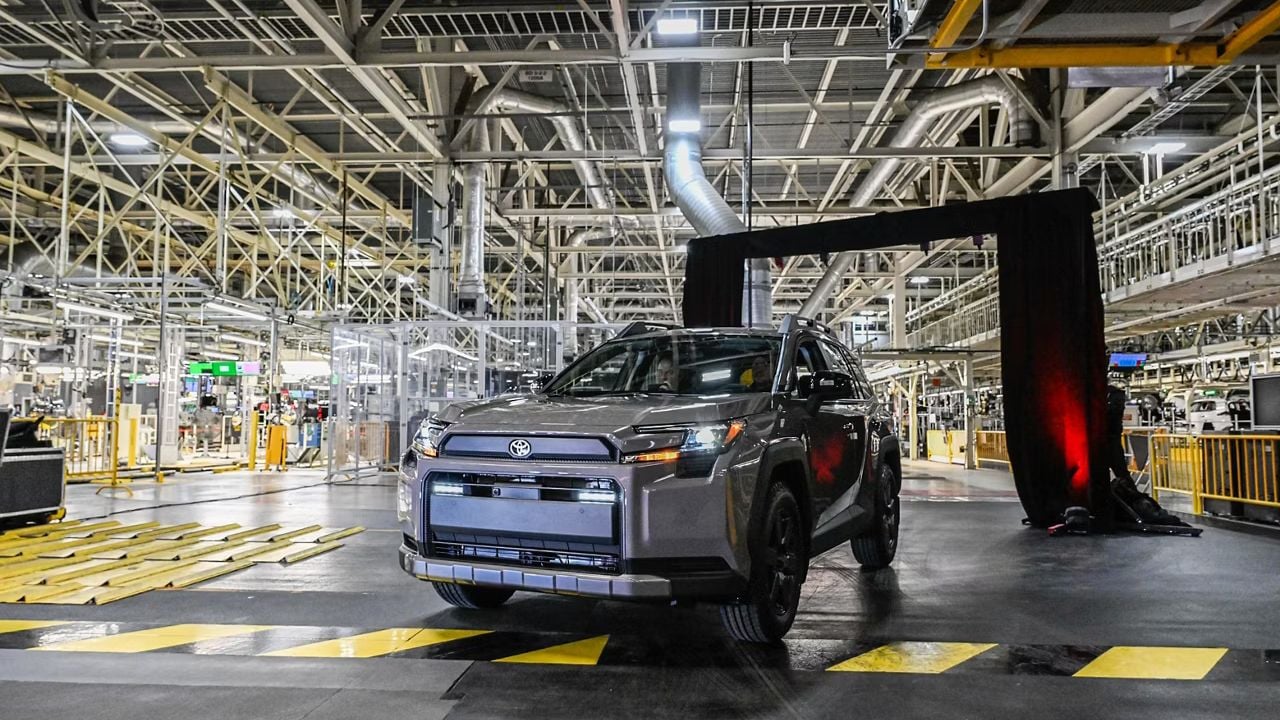
This is a significant step for commercial humanoid robots like Digit from Agility Robotics. In this scenario, Digit will be unloading totes with auto parts from an automated warehouse tugger. Seven robots in a RAV4 plant does not exactly seem newsworthy, considering the marketed progress of robotics in this day and age. However, deploying humanoid robots in real-world environments without supervision is difficult. Showing potential in the lab is one thing, but then integrating it with a unique workflow is another.
Toyota’s decision reflects a practical shift in automation strategy rather than a headline-grabbing leap. The initial deployment is tightly scoped. The robots will handle part movement by loading and unloading totes and feeding them into the production line. This is a narrow but critical function in assembly plants, where minor delays in material flow can disrupt entire production cycles. By focusing on internal logistics first, Toyota is targeting a predictable, repeatable task that is easier to automate reliably.
The emphasis on these specific tasks is not accidental. According to both Toyota and Agility Robotics, the goal is to automate “repetitive and physically taxing” work that adds strain but limited value for human workers. In automotive manufacturing, this includes lifting, carrying, and staging components. These jobs are essential but difficult to staff consistently. Automating them allows companies to stabilize throughput while reallocating workers to more skilled roles on the line.
A Controlled Rollout, Not a Full Bet
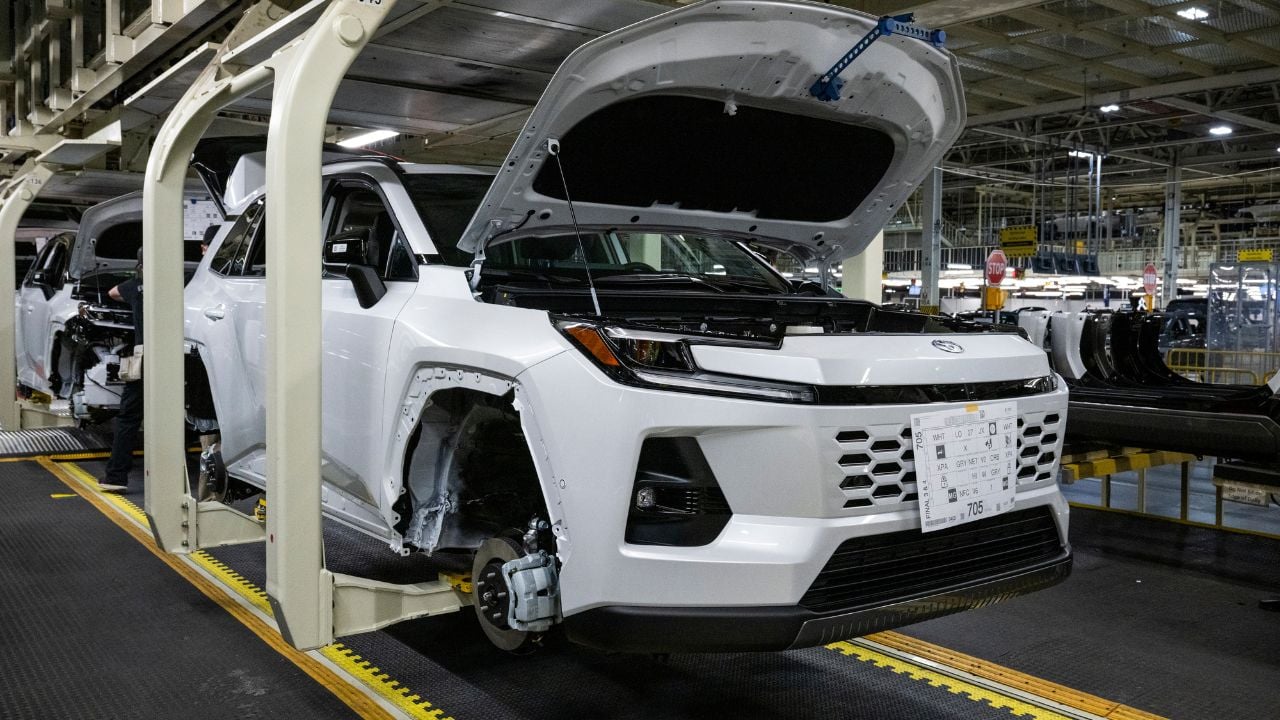
Another key factor is flexibility. Unlike traditional industrial robots, which are fixed in place and designed for a single function, Digit is intended to operate across different workflows without major infrastructure changes. Agility Robotics states that its systems are designed to integrate into existing facilities without costly retrofits. That matters in a plant like Woodstock, where production lines are already optimized, and downtime for reconfiguration is expensive. A robot that can fit into the current layout lowers the barrier to adoption.
There is also a broader labor context behind the decision. Manufacturing and logistics operations continue to face shortages in roles that involve repetitive manual handling. Agility positions Digit as a response to this gap. It is capable of taking over “monotonous, process-automated tasks” that are hard to recruit for and retain workers in. For Toyota, this is less about replacing workers and more about maintaining output in areas where hiring remains inconsistent.
A Measured Approach to Automation
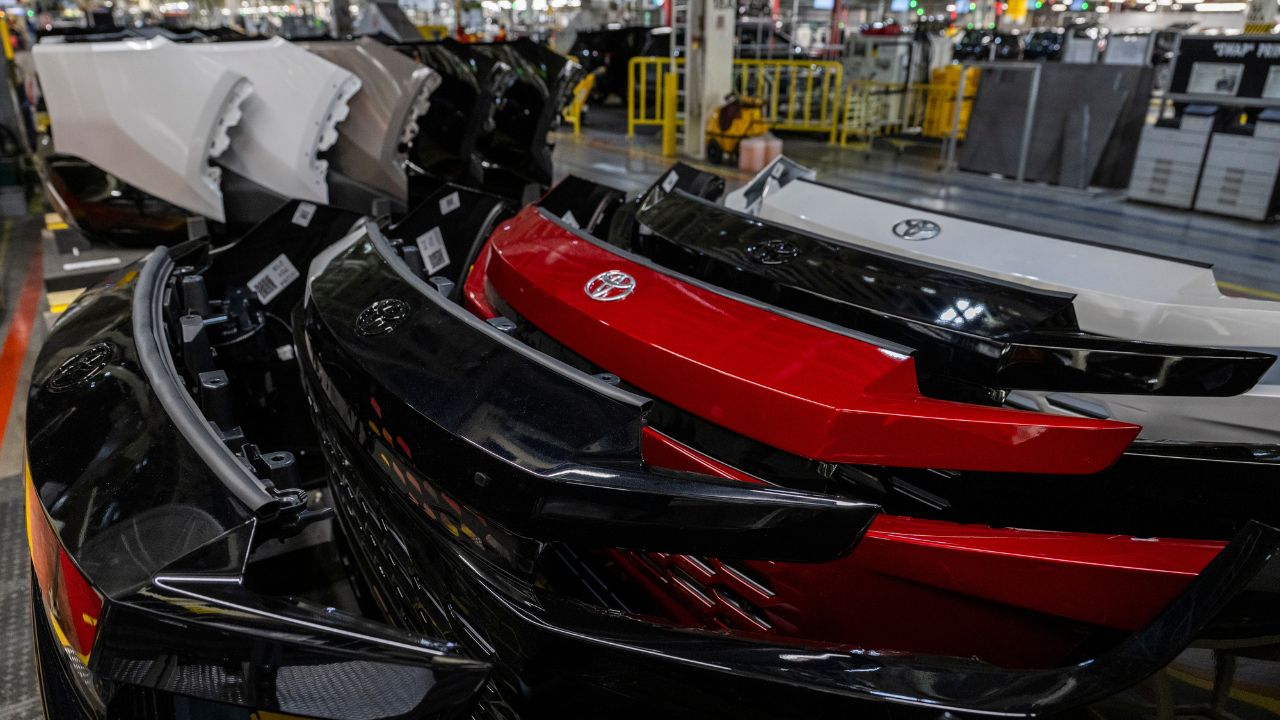
At the same time, the scale of deployment shows caution. Seven robots in a single facility is a controlled expansion, not a full rollout. Toyota and Agility have both indicated they will continue evaluating additional use cases before scaling further. This reflects a broader industry reality: the challenge is not building humanoid robots, but integrating them into complex, high-precision environments without disrupting existing systems.
What emerges is a measured approach. Toyota is not betting on humanoid robots as a complete replacement for human labor but rather as a targeted tool to address specific operational gaps. If the robots perform consistently in material handling, the scope can expand incrementally. If not, the impact is contained.