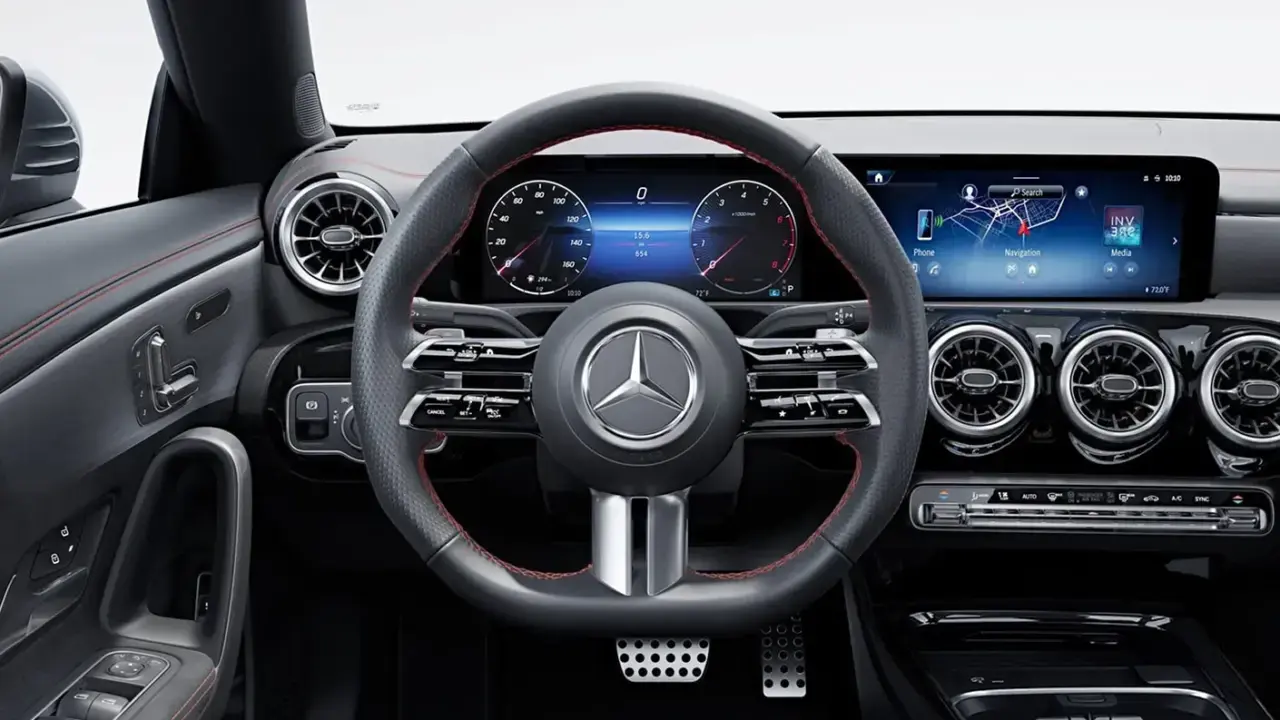
Mercedes-Benz has packed its latest CLA with new technology, a modern software platform, and a cleaner interior design. Yet one seemingly small change is drawing attention for all the wrong reasons: the company has removed steering wheel controls for skipping songs and radio presets.
For decades, media controls on the steering wheel have been one of the most commonly used convenience features in modern vehicles. They allow drivers to change tracks, switch radio stations, or skip podcasts without taking their hands off the wheel or eyes off the road.
In the new CLA, that functionality is gone. Drivers are now expected to either tap controls on the central touchscreen or rely on voice commands through Mercedes’ digital assistant.
While the change may seem minor on paper, it highlights a growing trend in the automotive industry where manufacturers are replacing simple physical controls with software-driven alternatives that may not always improve the user experience.
A Curious Omission
The latest Mercedes CLA introduces the brand’s new MB.OS operating system, which powers the vehicle’s digital displays and infotainment features. The software is faster and cleaner than previous Mercedes systems, with a more streamlined interface and improved responsiveness.
Mercedes also made some welcome hardware changes. The steering wheel now features fewer capacitive touch-sensitive controls and incorporates physical toggle switches for certain functions, addressing complaints from owners who found earlier touch controls frustrating to use.
However, the redesign came with an unexpected sacrifice. Drivers can no longer skip tracks or cycle through radio presets using controls on the steering wheel, a feature that has become standard across much of the automotive industry.
Touchscreen Or Voice Command Only
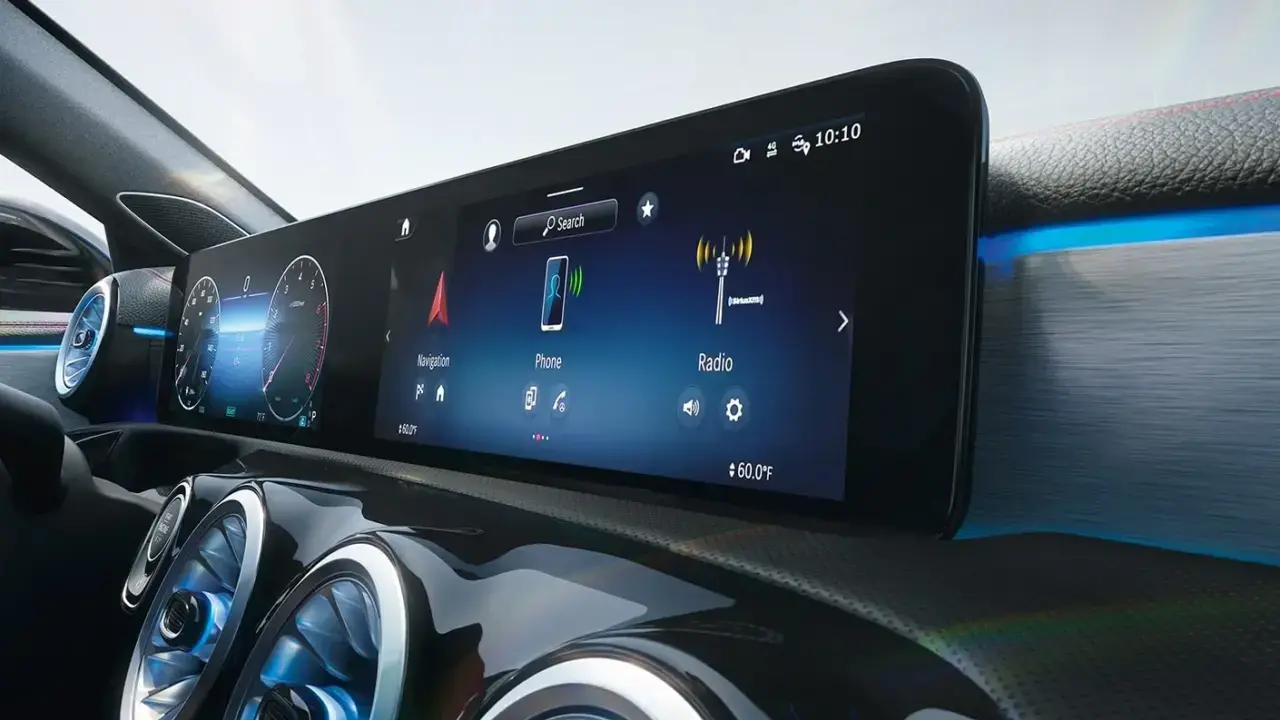
Without dedicated steering wheel controls, changing music now requires interacting with the infotainment display or using the vehicle’s voice assistant.
The issue is compounded by the size of the on-screen controls. Media playback buttons occupy only a small portion of the display, particularly when navigation or other functions are active, which can make them more difficult to use while driving.
Voice control remains an option, and Mercedes has invested heavily in improving its digital assistant with more advanced conversational capabilities. Drivers can ask the system to skip tracks or perform other media-related tasks through spoken commands.
The problem, however, is that many drivers simply prefer the speed and convenience of a physical button. Pressing a steering wheel control requires less attention than looking for a touchscreen icon or speaking a command aloud.
A Step Backward For Usability
The removal is especially surprising because previous Mercedes models offered at least some form of steering wheel media control.
In earlier vehicles, including recent versions of the E-Class, drivers could skip tracks using steering wheel inputs when the media interface was active within the digital instrument cluster. The setup was not perfect, but it provided a way to control playback without reaching for the center screen.
The new CLA abandons that functionality entirely. For a vehicle packed with advanced technology and digital innovation, the omission stands out as a rare step backward in everyday usability.
It also raises questions about how automakers prioritize technology features. Manufacturers often highlight artificial intelligence, voice assistants, and increasingly sophisticated software, yet simple physical controls frequently remain the most intuitive solution for common tasks.
Could Mercedes Bring It Back?
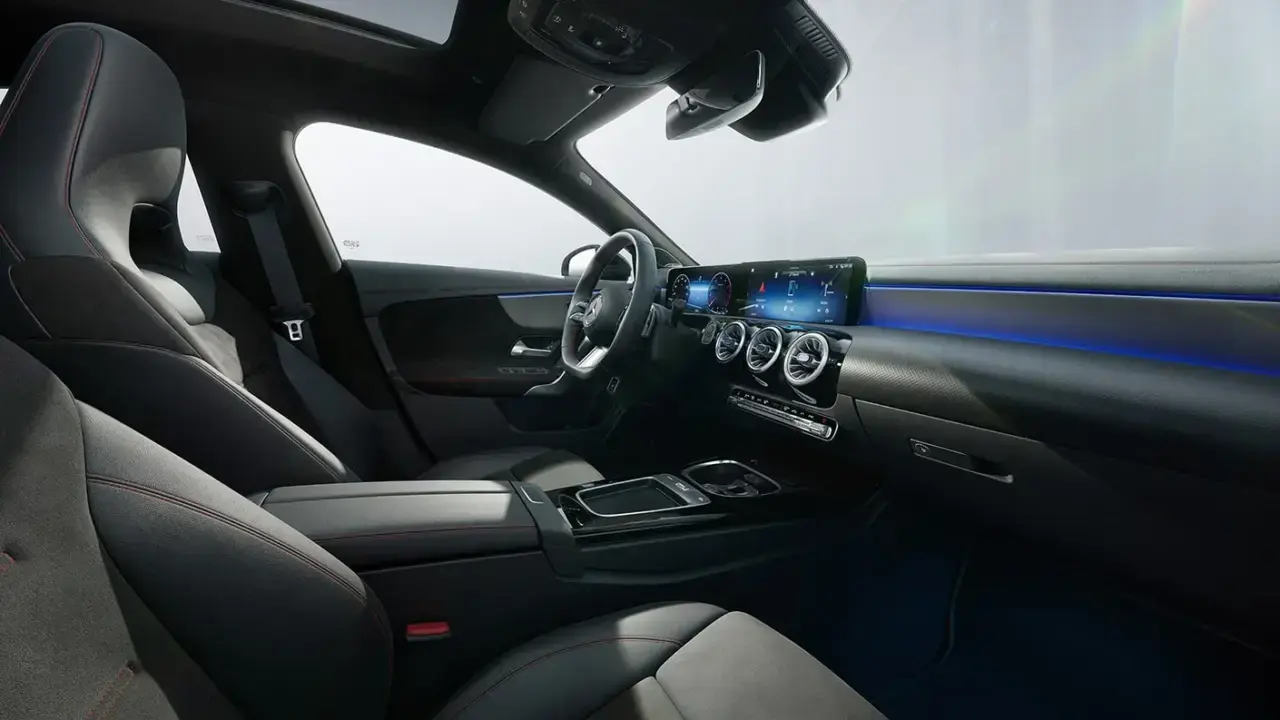
The good news for owners is that the issue may not be permanent. Because the CLA’s functionality is heavily software-driven, there is no obvious technical limitation preventing Mercedes from restoring steering wheel media controls through a future over-the-air update.
The necessary hardware already exists on the steering wheel, and software updates have become a common way for automakers to add features or refine vehicle behavior after launch.
Whether Mercedes chooses to make that change remains unclear. The company has not indicated any plans to alter the current setup, though owner feedback could influence future updates.
A Warning Sign For The Industry
The removal of steering wheel media controls may seem insignificant compared with larger developments in electrification, autonomous driving, or vehicle connectivity. Yet it serves as an example of how technology can sometimes complicate tasks that were previously simple.
Drivers interact with media controls countless times during ownership, making their placement and accessibility more important than many headline-grabbing features. Replacing a single button with a touchscreen menu or voice command may look modern on a design sketch, but real-world usability often tells a different story.
For now, Mercedes owners who want to skip a song in the new CLA will need to either talk to their car or reach for the screen. Whether that represents progress is likely to be a matter of debate among drivers long after the vehicle reaches showrooms.