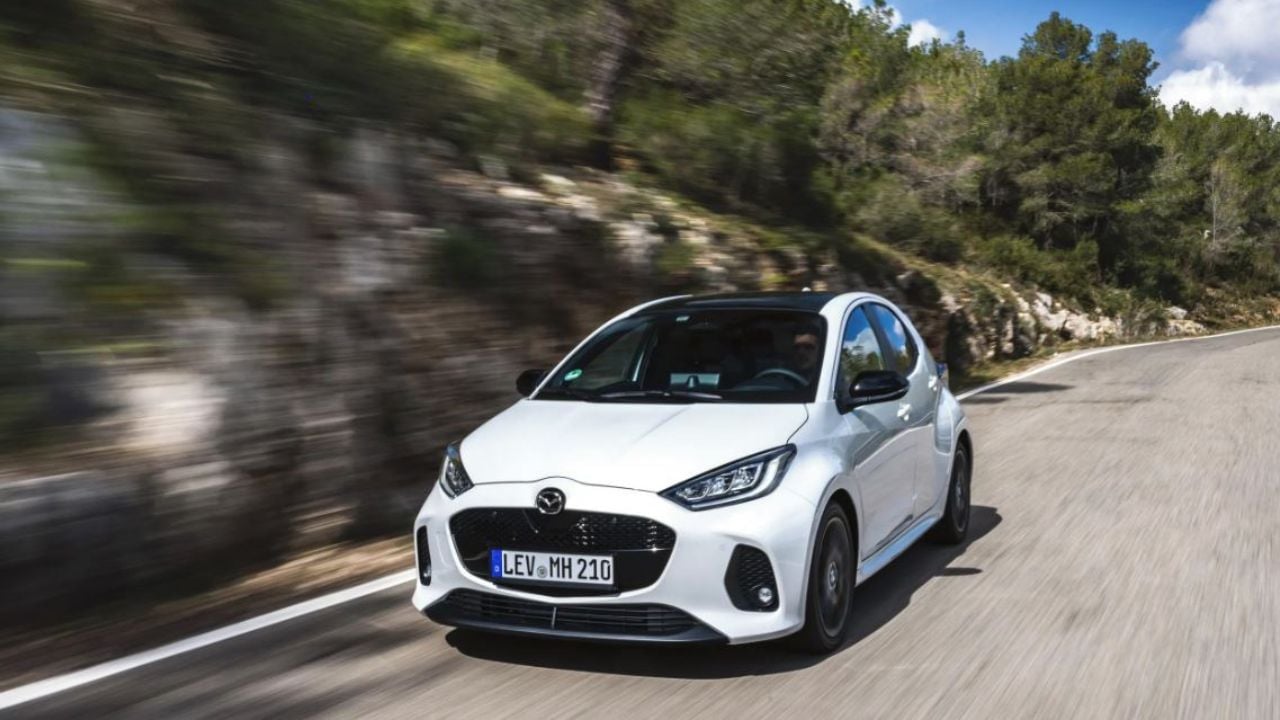
Mazda has introduced an updated version of the Mazda 2 Hybrid, with the changes focused mainly on equipment packages. The Toyota Yaris-based hatchback with Mazda badges is now the only model sold under the Mazda 2 name, as the original Mazda-developed version has been withdrawn from the lineup.
The small city hatchback Mazda 2 hybrid was introduced in 2021. From the beginning, it was clear that this was not an original Mazda model in the traditional sense. Its foundation comes from the Toyota Yaris, complete with a hybrid powertrain that helps the smaller Japanese automaker reduce fleet emissions in Europe.
At first, Mazda sold the 2 Hybrid alongside its own original Mazda 2, giving buyers a choice between the familiar Mazda-developed hatchback and the Toyota-based hybrid model. That situation has now changed.
A Second Refresh For The 2026 Model Year
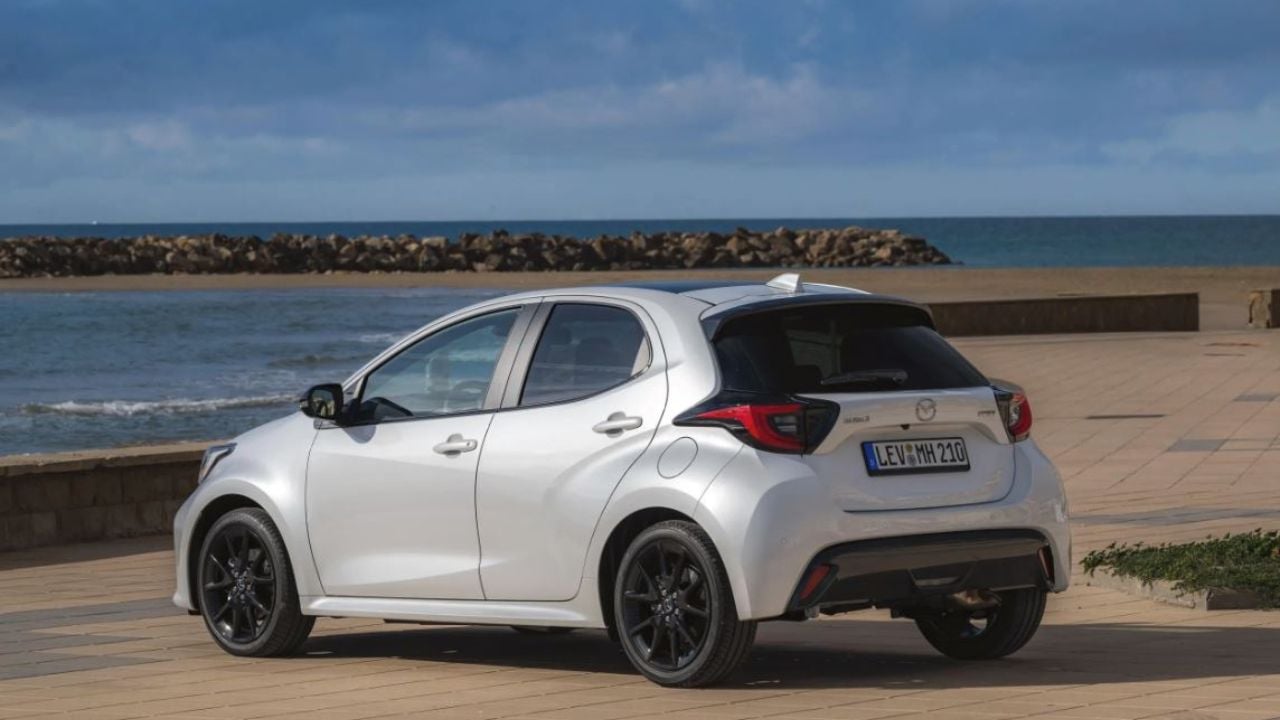
The Mazda 2 Hybrid has already received one facelift, and now a second update arrives for the 2026 model year. This time, the changes are centered mostly on trim levels, equipment, and exterior color choices.
The paint palette has been expanded with three new body colors, giving buyers a slightly broader selection. Visually, the model remains closely tied to the Toyota Yaris, which continues to form the technical and design basis for the car.
The update does not appear to be about changing the identity of the model. Instead, Mazda is refining the package to keep it current and compliant with newer market requirements.
More Equipment For The Base Model
The bigger changes are found in the equipment structure. Even the base version now comes with heated front seats, a height-adjustable front passenger seat, power rear windows, a four-speaker audio system, and an automatically dimming rearview mirror.
Higher trim levels also receive new glossy black decorative elements inside the cabin. These changes are relatively modest, but they help make the Mazda 2 Hybrid feel better equipped, especially in entry-level form.
For a small hybrid hatchback aimed mainly at urban and suburban driving, that kind of standard equipment can matter. Buyers in this segment often look closely at value, fuel efficiency, practicality, and everyday comfort.
Driver Monitoring Becomes Part Of The Package
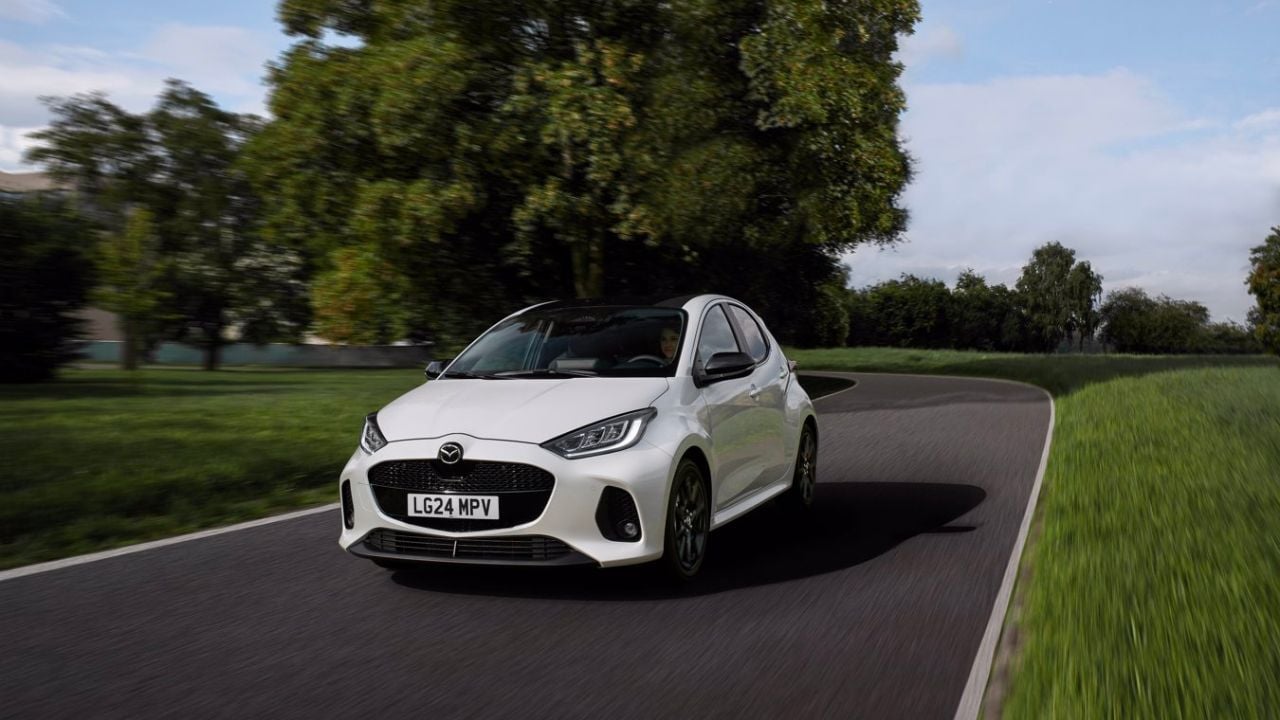
A more important change comes in the safety and driver assistance systems. Mazda has expanded the Mazda 2 Hybrid’s safety equipment with a driver monitoring function that can detect fatigue.
This system is becoming mandatory this year, which may be one of the main reasons for the latest update. For automakers selling small cars in Europe, compliance with evolving safety rules is becoming just as important as styling or infotainment upgrades.
The addition also brings the Mazda 2 Hybrid closer to newer expectations in the small car segment, where advanced assistance features are no longer limited to larger or more expensive models.
The Original Mazda 2 Has Disappeared
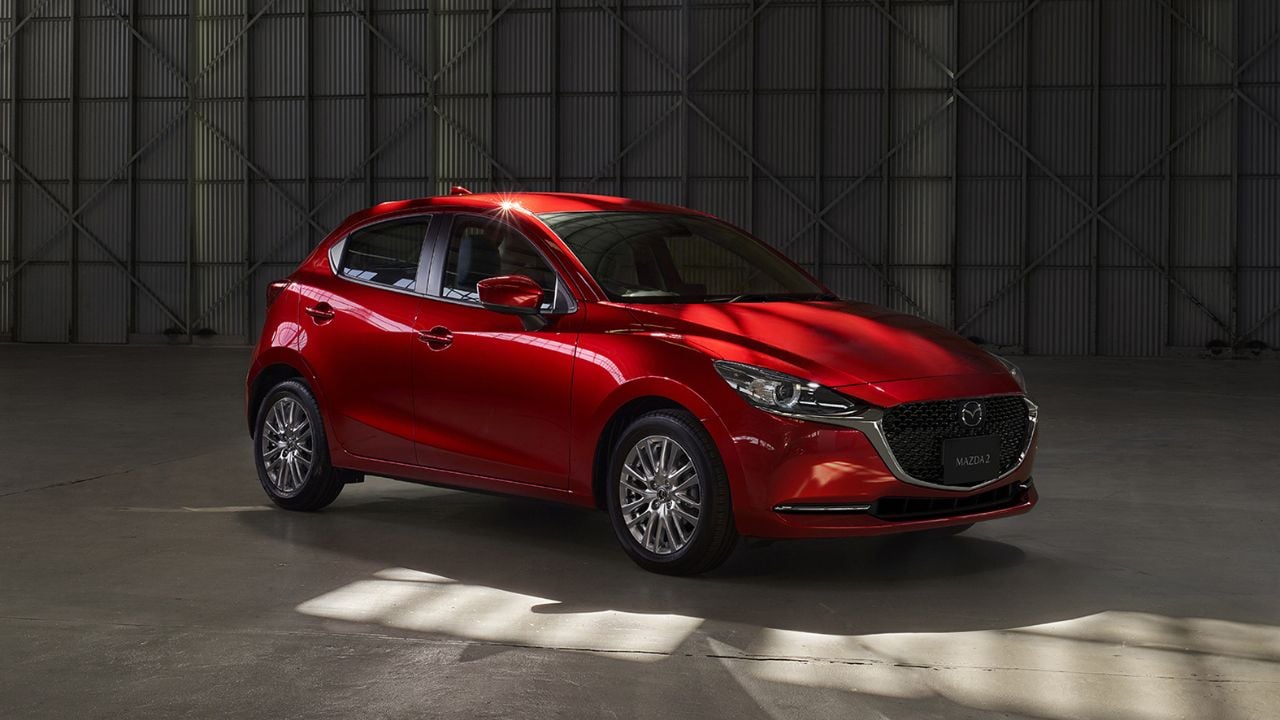
Production of the updated Mazda 2 Hybrid began in March this year.
According to Carscoops, the original Mazda 2 has now disappeared from the range. That leaves the Toyota-based hybrid as the only model carrying the name of Mazda’s smallest car.
The change is significant because it shows how the small car segment is evolving. For Mazda, using Toyota’s hybrid technology provides an efficient way to stay present in the class while meeting emissions requirements. At the same time, it means the Mazda 2 name now depends entirely on a model developed outside Mazda’s own product family.
This article originally appeared on Autorepublika.com and has been republished with permission by Guessing Headlights. AI-assisted translation was used, followed by human editing and review.