The mood around EVs in the U.S. looks very different now than it did even a year ago. The early rush of subsidy-driven optimism has cooled, the $7,500 federal EV tax credit has ended, and EV share fell sharply after its 2025 peak. Kelley Blue Book said EVs made up 7.8% of new cars sold in America in 2025 after cresting at 10.5% in the third quarter and falling to 5.8% in the fourth. Cox Automotive then said EVs accounted for 5.8% of total new-vehicle sales in the first quarter of 2026.
That does not mean the market has given up on electric cars. It means buyers are getting tougher, more practical, and much less patient with half-convincing products. Reuters also reported that rising gasoline prices could give EV demand another lift this year, while Cox Automotive said pure EV shopping interest had climbed to its highest point so far in 2026.
The winning formula has changed. Vague promises are not enough. Tech theater is not enough. EVs now need to solve normal ownership problems better than before, whether through sharper pricing, easier charging, longer range, more useful packaging, or a clearer reason to exist.
That shift is good for buyers. It pushes automakers away from novelty and toward vehicles that make sense in real driveways, on real trips, and inside real budgets. The strongest new EV stories are no longer only about being electric. They are about being easier to justify.
What Serious EVs Need Now
The strongest EV signals right now come from vehicles already sold in the U.S. for the 2025 or 2026 model years. Future concepts and low-volume exotics can be exciting, but they do not say as much about what ordinary buyers can actually shop today.
Tesla remains the market’s most familiar reference point, but the wider industry is now more revealing. Chevrolet, Hyundai, Toyota, Honda, and Cadillac are all trying to answer different parts of the same question: what does an EV need to offer when early-adopter excitement is no longer enough?
The answer is becoming more concrete. A serious EV now needs competitive range, realistic pricing, charging access that does not feel like homework, useful packaging, or a brand identity strong enough to survive the switch from gasoline to batteries.
Chevrolet Equinox EV
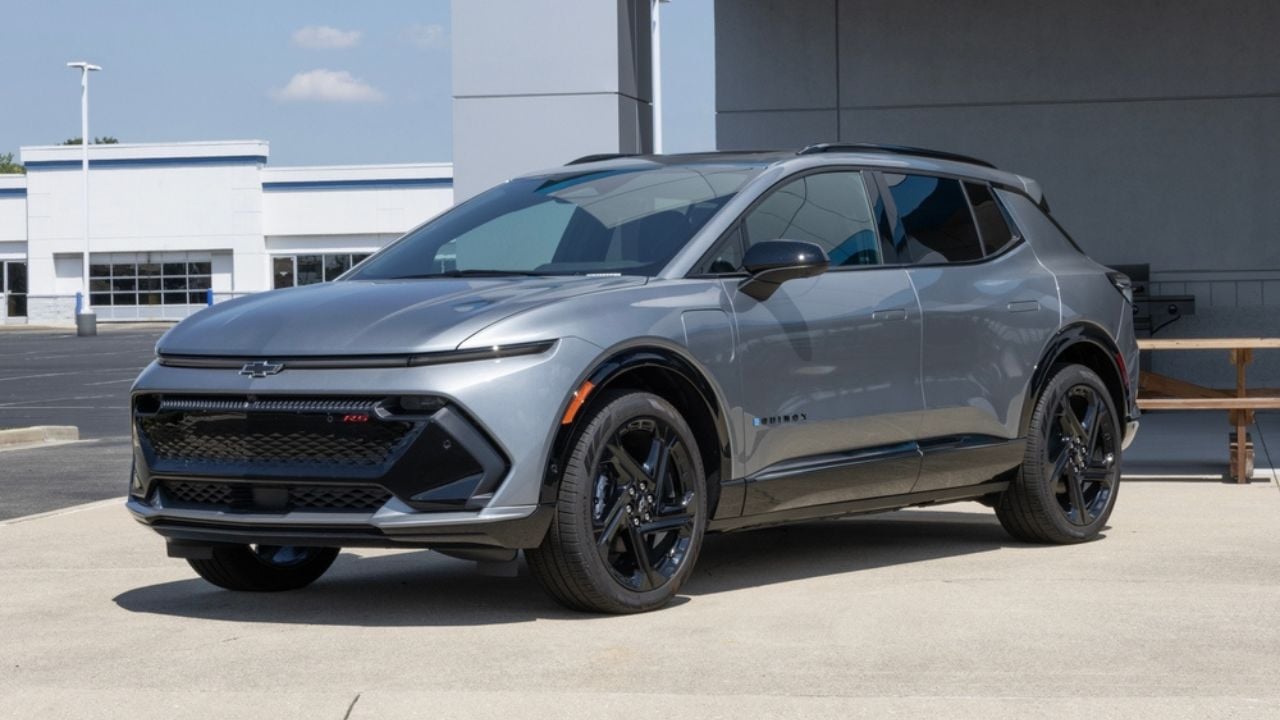
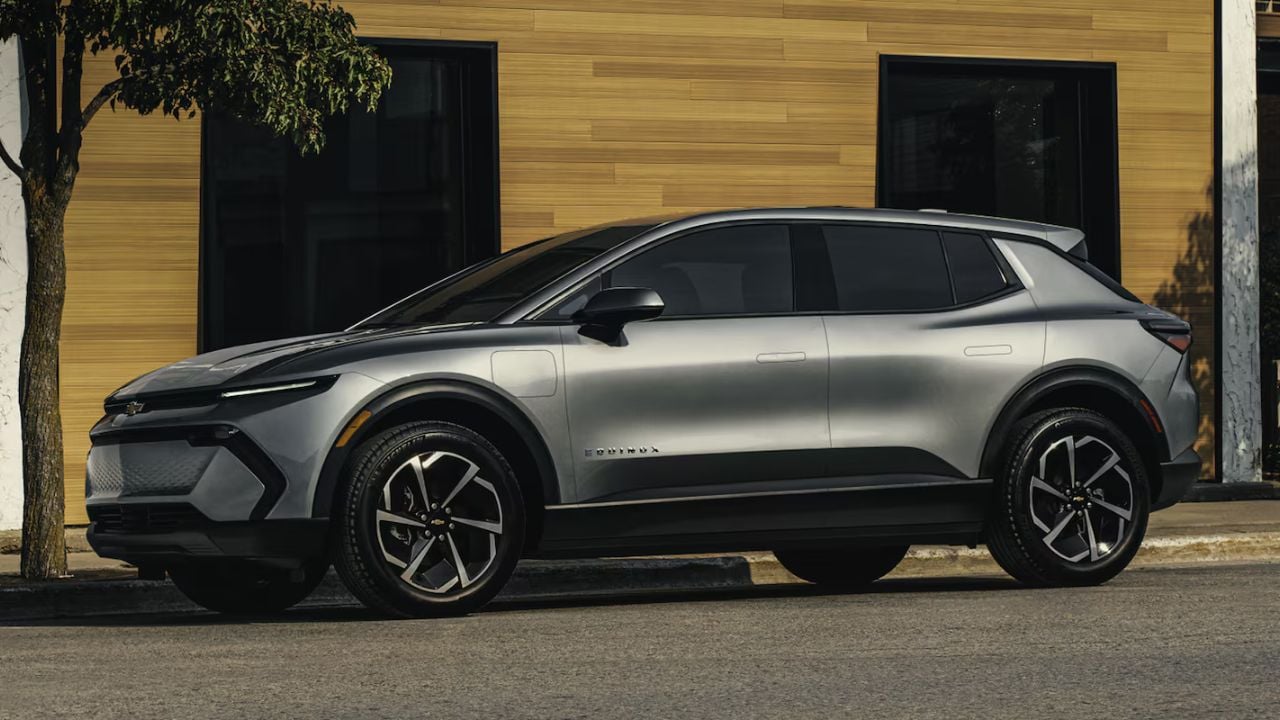
The Equinox EV may be the clearest symbol of the market’s new realism. Chevrolet starts the 2026 Equinox EV at $34,995 and offers up to 319 miles of EPA-estimated range in front-wheel-drive form.
Those numbers make the Equinox EV feel less like a lifestyle statement and more like a straightforward small family SUV that happens to run on electricity. It brings the conversation back to price, practicality, and normal ownership rather than novelty alone.
That formula is already reaching buyers. Car and Driver reported that the Equinox EV ranked fifth among the best-selling EVs in the first quarter of 2026, with 9,589 sales. Affordable, roomy, familiar, and long-legged has become a very strong combination.
Hyundai Ioniq 5
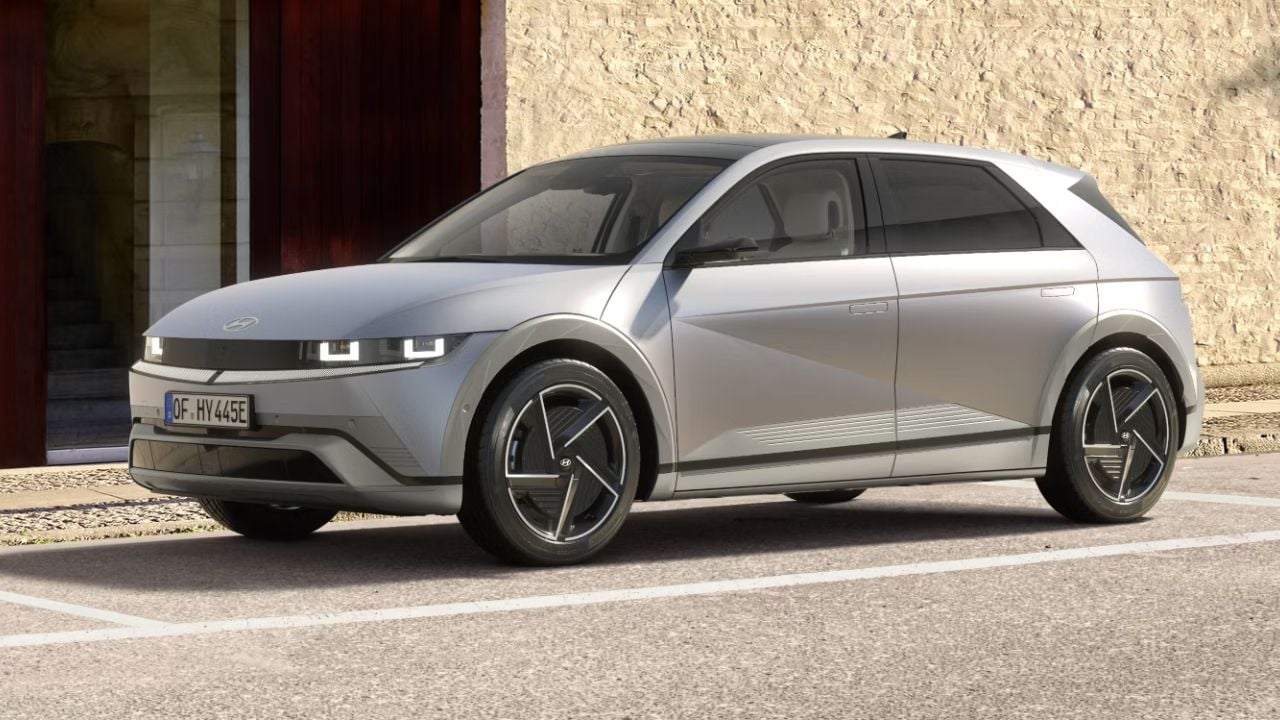
The Ioniq 5 shows how quickly charging convenience has moved from technical footnote to front-line selling point. Hyundai’s updated U.S.-built Ioniq 5 brought a factory NACS port, making it one of the first non-Tesla EVs sold in the U.S. with native Tesla-style charging hardware.
The current U.S. lineup also offers up to 318 miles of EPA-estimated range. That combination speaks directly to the market’s new expectations. Buyers no longer want vague promises that charging will get easier someday. They want the port, the access, and the road-trip simplicity now.
Car and Driver reported that Ioniq 5 sales rose 14% in the first quarter of 2026 to 9,790 units, helped by price cuts. Better charging and sharper value are no longer bonus features. They are becoming central to the EV pitch.
Toyota bZ
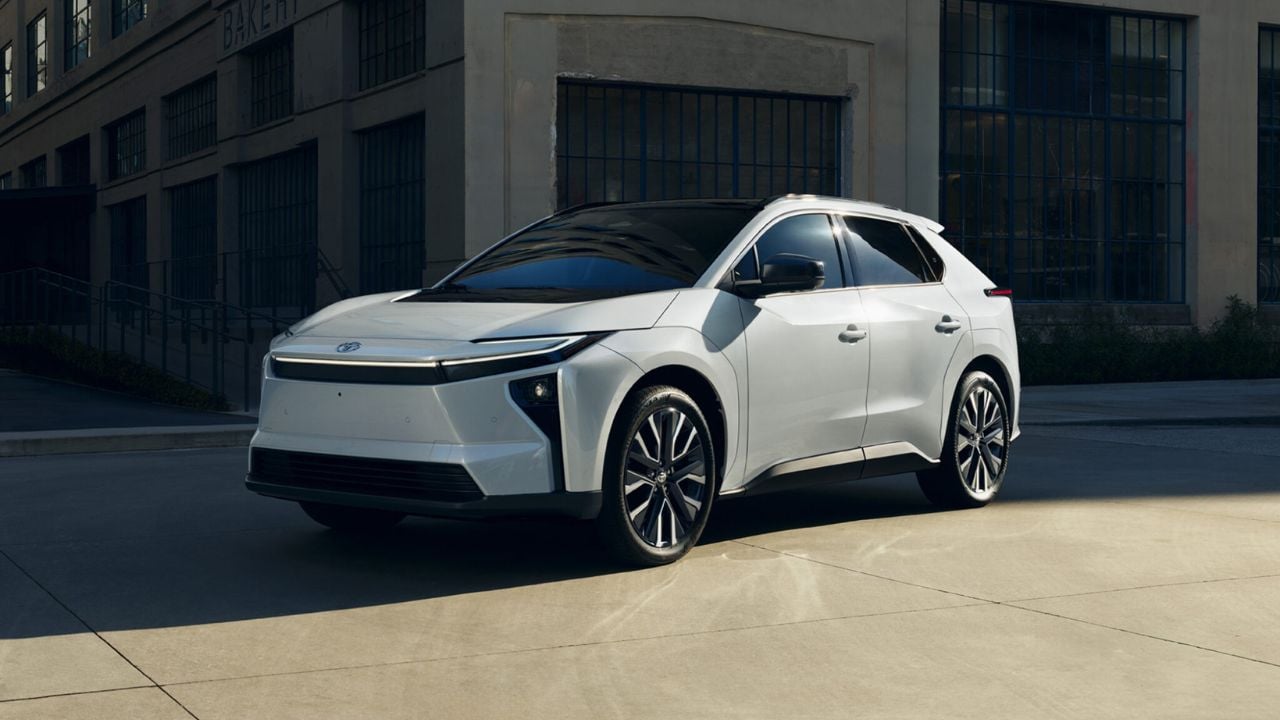
The bZ shows how quickly a cautious EV effort can become more serious when the basics improve. Toyota substantially reworked the 2026 bZ with a North American Charging System port, up to 314 miles of EPA-estimated range, stronger power outputs, and 10-to-80% DC fast charging in about 30 minutes under ideal conditions.
That is a far stronger package than the original bZ4X offered at launch. The shorter name helps, but the bigger story is the product itself: more range, better charging access, and a cleaner value case from a brand many mainstream buyers already trust.
The sales movement reflects that improvement. Car and Driver reported that bZ sales jumped 79% year over year in the first quarter of 2026 to 10,029 units. Toyota still has ground to make up in EVs, but the updated bZ shows how fast the tone can change when the product starts answering buyer expectations more directly.
Honda Prologue
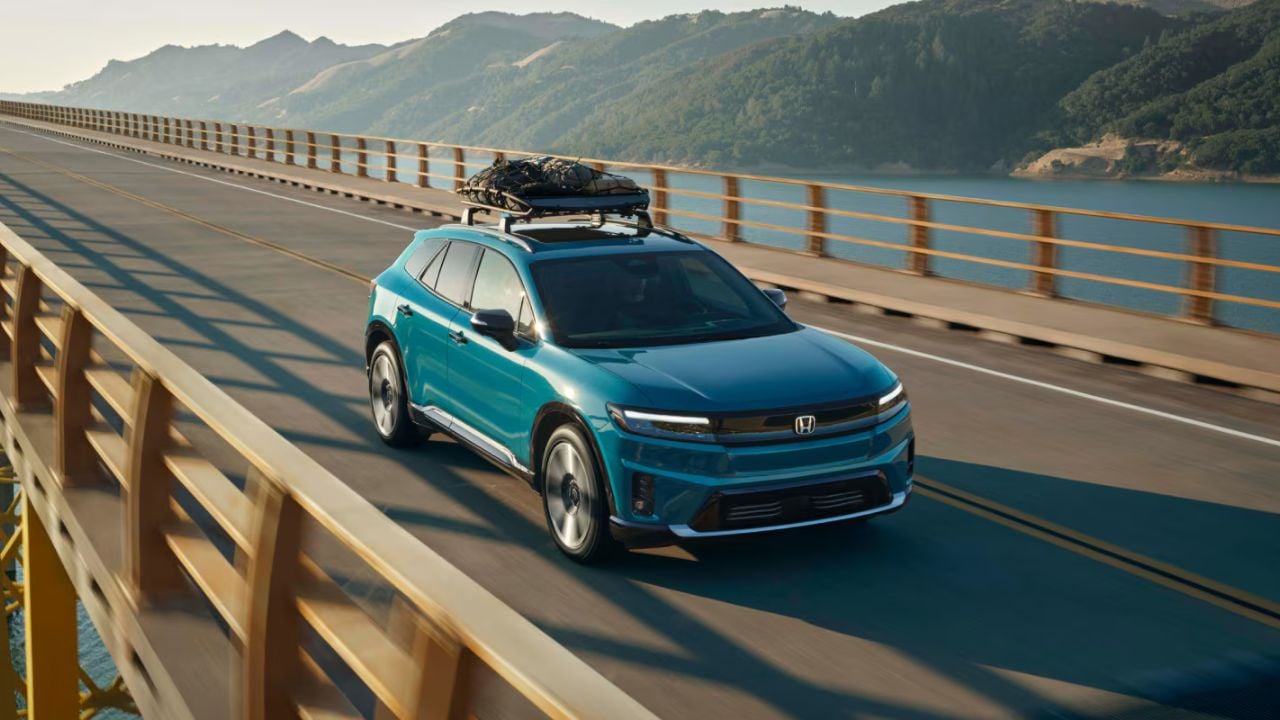
The Prologue brings something the EV market still needs badly: familiarity. Honda’s 2026 Prologue starts at $39,900, offers up to 308 miles of EPA range, and gives buyers access to a broad charging network that includes select Tesla Superchargers with purchase of the Honda NACS-to-CCS adapter.
That may not sound revolutionary, but the normality is the point. The Prologue does not ask shoppers to learn a strange new vehicle format or accept a short-range compromise in exchange for a familiar badge. It presents itself as an electric midsize SUV that looks, feels, and functions in a way many Honda buyers can already understand.
Honda’s price adjustment for 2026 strengthens that message. The market now rewards EVs that meet mainstream expectations cleanly, not just vehicles that arrive early or make the loudest technical claim.
Cadillac Escalade IQ
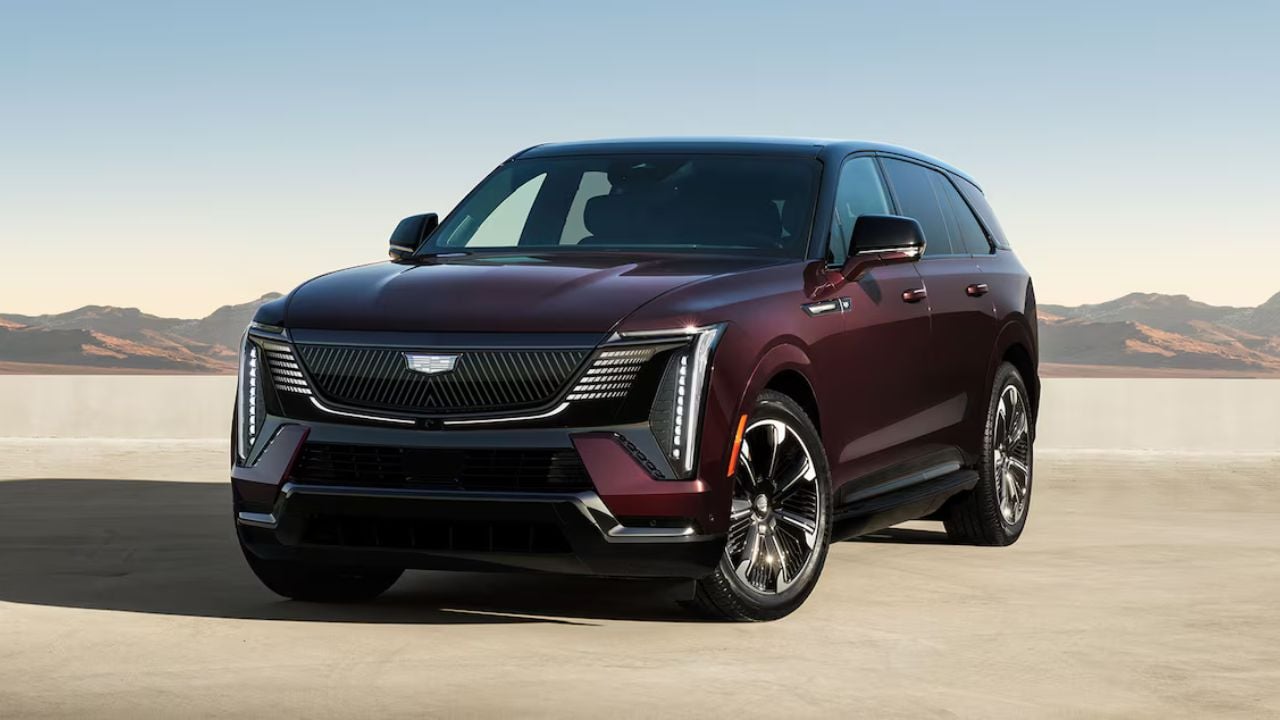
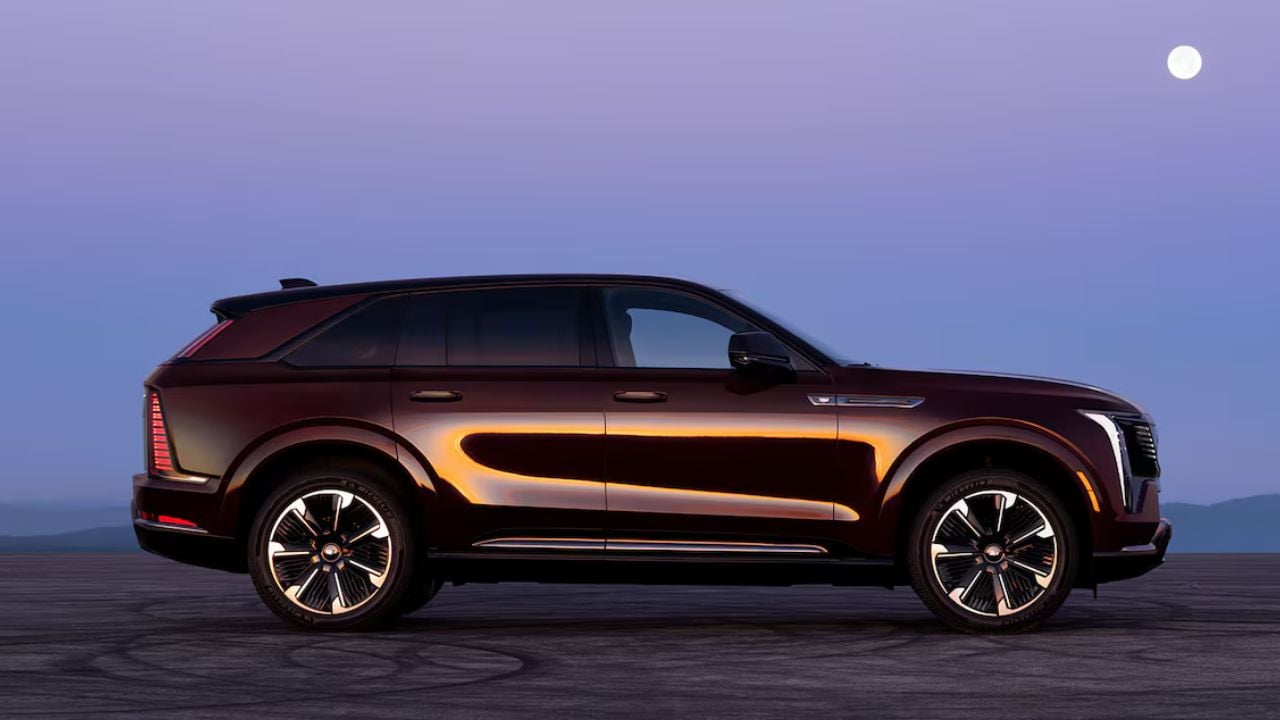
The Escalade IQ proves that the changing EV mood is not only about lower prices. It is also about confidence at the top end. Cadillac gives its electric flagship a Cadillac-estimated 465 miles of range, 750 hp in Velocity Max, and a Cadillac-estimated 4.7-second 0-to-60 mph time.
Cadillac did not use electrification as an excuse to shrink the Escalade idea or soften its identity. The Escalade IQ is still huge, dramatic, powerful, and unmistakably tied to American luxury excess. It simply trades the gasoline engine for a battery-electric platform.
That sends a useful signal. Electric luxury does not have to mean quiet minimalism or anonymous aero efficiency. A full-size American luxury icon can go electric and still keep the scale, presence, and extravagance that made people notice it in the first place.
The Market Is Asking Better Questions Now
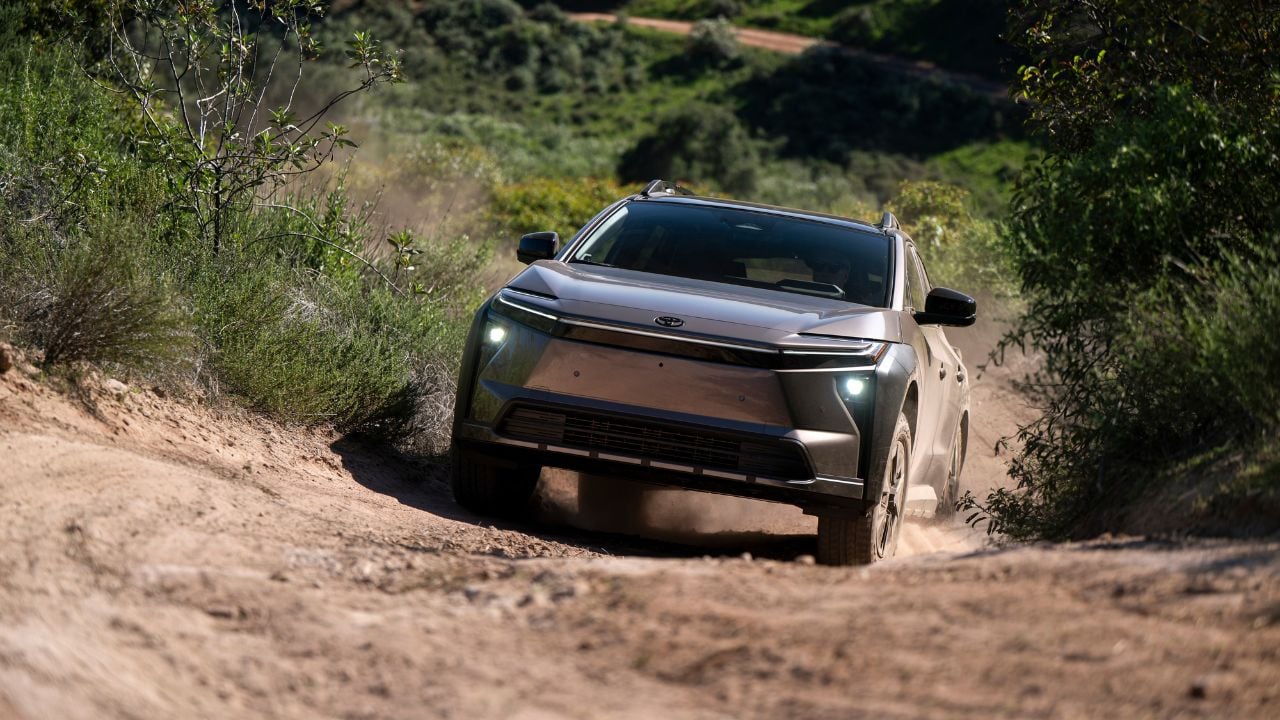
Each model answers a different pressure point in the current EV market. The Equinox EV pushes price and range toward the mainstream. The Ioniq 5 makes charging access feel more practical. The bZ shows how quickly a weak early effort can become more competitive. The Prologue leans on familiarity. The Escalade IQ proves that a traditional luxury icon can go electric without losing its identity.
Those are better questions than the market was asking a few years ago. The conversation is no longer just about whether EVs are new, exciting, or inevitable. It is about whether they are affordable enough, easy enough to charge, useful enough to live with, and convincing enough to stand on their own.
That may be the clearest sign that the industry is maturing. Buyers are still interested in EVs. They are simply more specific now, and the cars that succeed will have to meet them with real answers instead of easy promises.