
While much of the automotive industry continues debating how quickly consumers will fully embrace electric vehicles, Toyota appears perfectly content sticking to the strategy it has refined for more than two decades. That strategy is hybrid cars, and it is paying off in a massive way.
Toyota sold an astonishing 4.4 million hybrid vehicles globally in 2025, reinforcing its position as the undisputed king of gasoline-electric transportation. No other automaker came remotely close to matching that volume.
The numbers become even more impressive in the United States, where Toyota moved more than 1.18 million hybrid vehicles during the year. Nearly half of Toyota’s U.S. sales in 2025 involved some form of electrification, including hybrids, plug-in hybrids, EVs, and fuel-cell models.
At a time when parts of the EV market are beginning to cool, and some automakers are reconsidering aggressive all-electric timelines, Toyota’s slower, hybrid-focused strategy suddenly looks extremely well timed.
Toyota’s Hybrid Bet Keeps Paying Off
Toyota has spent decades building its reputation around hybrid technology, starting with the Prius long before most automakers took electrification seriously. That long-term investment is now creating a massive competitive advantage.
Globally, Toyota reported 11.3 million total vehicle sales in 2025, representing a 4.6 percent increase year-over-year. In North America alone, Toyota sold more than 2.5 million vehicles. Of those, roughly 1.18 million were hybrids.
That means nearly one out of every two Toyota vehicles sold in America last year carried some form of electrified powertrain. Considering the U.S. market purchased around 16 million new vehicles overall, Toyota hybrids accounted for a surprisingly large slice of the industry.
The company has also continued investing heavily in hybrid manufacturing capacity. Toyota previously announced nearly $1 billion in additional spending tied to hybrid production expansion, including a major investment in its West Virginia operations.
The Camry Proved Hybrid-Only Cars Can Work
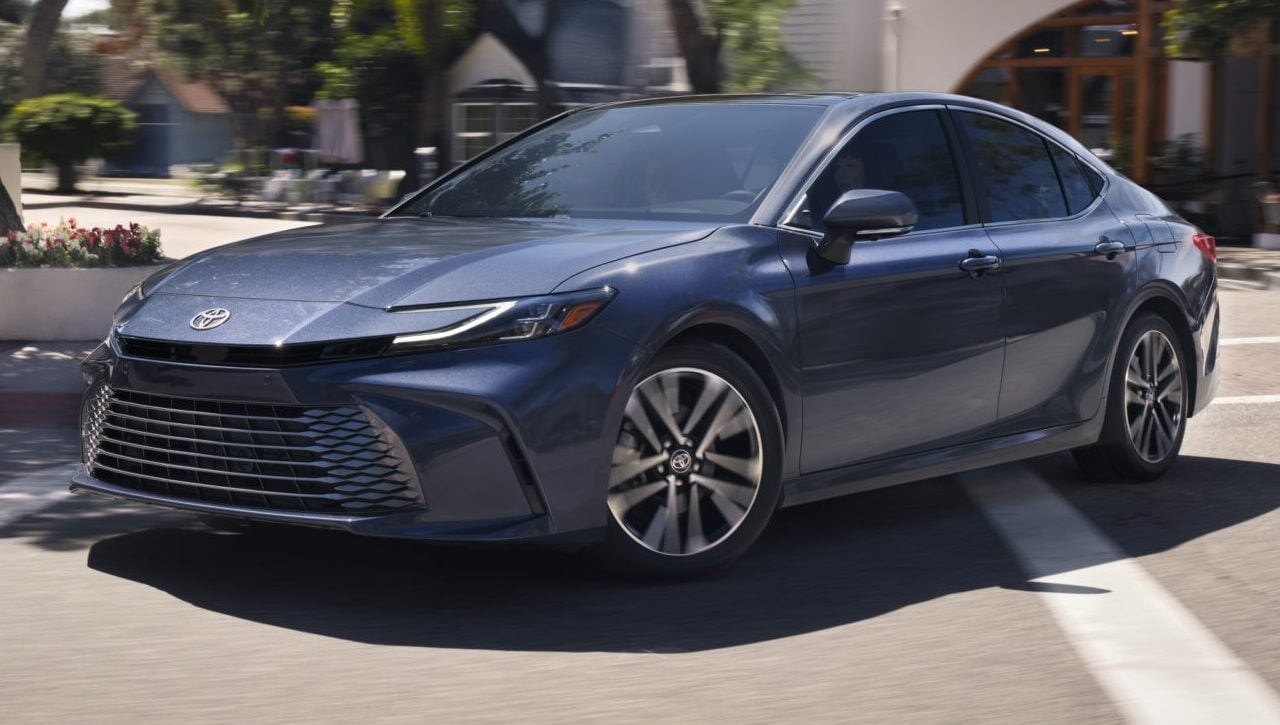
One of Toyota’s biggest gambles turned out to be one of its smartest decisions. When the company announced the newest Camry would become hybrid-only, many analysts expected backlash from traditional midsize sedan buyers. Instead, the opposite happened.
The hybrid Camry became one of Toyota’s strongest-selling passenger cars, with sales climbing above 316,000 units in 2025. That marked the sedan’s best sales performance in years. The reason is fairly simple: the hybrid model is objectively better in several key areas.
Compared to the previous gasoline-only Camry LE, the 2025 hybrid version delivers more horsepower, quicker acceleration, and dramatically improved fuel economy. The newer hybrid produces 225 horsepower and returns roughly 47 mpg combined, while also reaching 60 mph faster than the outgoing non-hybrid version.
That shows how modern hybrids have evolved far beyond the slow, efficiency-focused economy cars people associated with early Prius models.
Toyota Is Applying the Same Formula to the RAV4
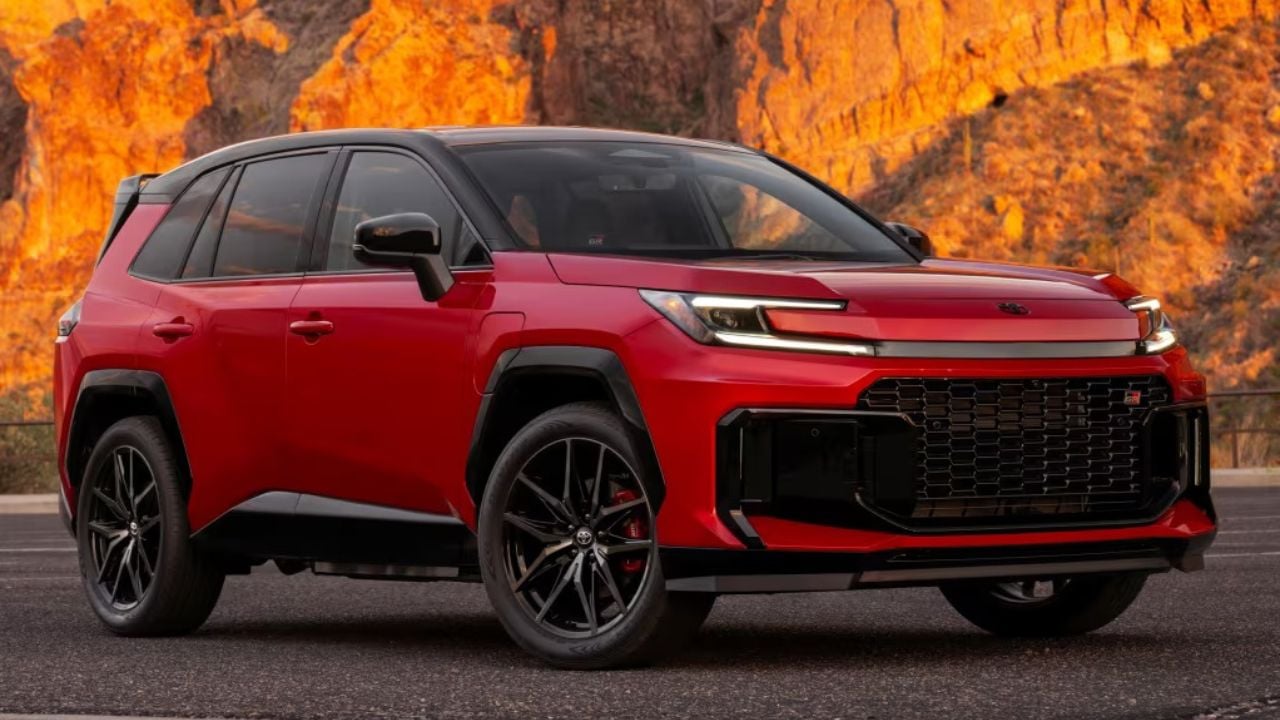
Toyota is now repeating the strategy with its most important vehicle: the RAV4. The company confirmed the next-generation RAV4 will also move to a hybrid-focused lineup, following the path established by the Camry. Given the crossover’s enormous popularity, the decision signals just how confident Toyota has become in mainstream hybrid adoption.
The RAV4 was Toyota’s top-selling vehicle in 2025, though sales temporarily softened entering 2026. Reports suggest the slowdown has more to do with production ramp-up and inventory shortages surrounding the redesigned model than weakening demand.
If the hybrid-only Camry is any indication, Toyota likely expects the electrified RAV4 to strengthen sales further once supply stabilizes.
Other Automakers Are Still Playing Catch-Up
Toyota’s dominance also reveals how uneven the hybrid market remains across the industry. Honda continues performing well with hybrid models and reportedly sold more than 400,000 hybrids in 2025. Ford also remains competitive with roughly a quarter-million hybrid sales. After that, the gap widens quickly.
General Motors has focused more heavily on EVs in recent years and currently lacks broad mainstream hybrid offerings across Chevrolet, GMC, Buick, and Cadillac. Stellantis experimented with a handful of hybrid and plug-in models, though many of those efforts felt limited or compliance-focused rather than central to the brands themselves. Toyota, meanwhile, fully committed.
According to Toyota chairman Akio Toyoda, the company has now sold roughly 27 million hybrids globally since entering the segment. Few automakers can match that level of experience, supplier development, and consumer trust in hybrid systems.
Hybrids May Be the Industry’s Real Sweet Spot
The automotive market increasingly suggests that hybrids occupy the middle ground that many consumers actually want. Buyers still get excellent fuel economy and lower operating costs without worrying about charging infrastructure or range anxiety. That combination has become especially appealing as fuel prices fluctuate and EV demand becomes less predictable.
Fully electric vehicles are still expanding globally, and long-term industry electrification is clearly coming. Yet for the moment, hybrids appear to be the powertrain category delivering the strongest combination of affordability, convenience, performance, and efficiency for mainstream buyers. Toyota recognized that years ago, and now the sales numbers are proving it.