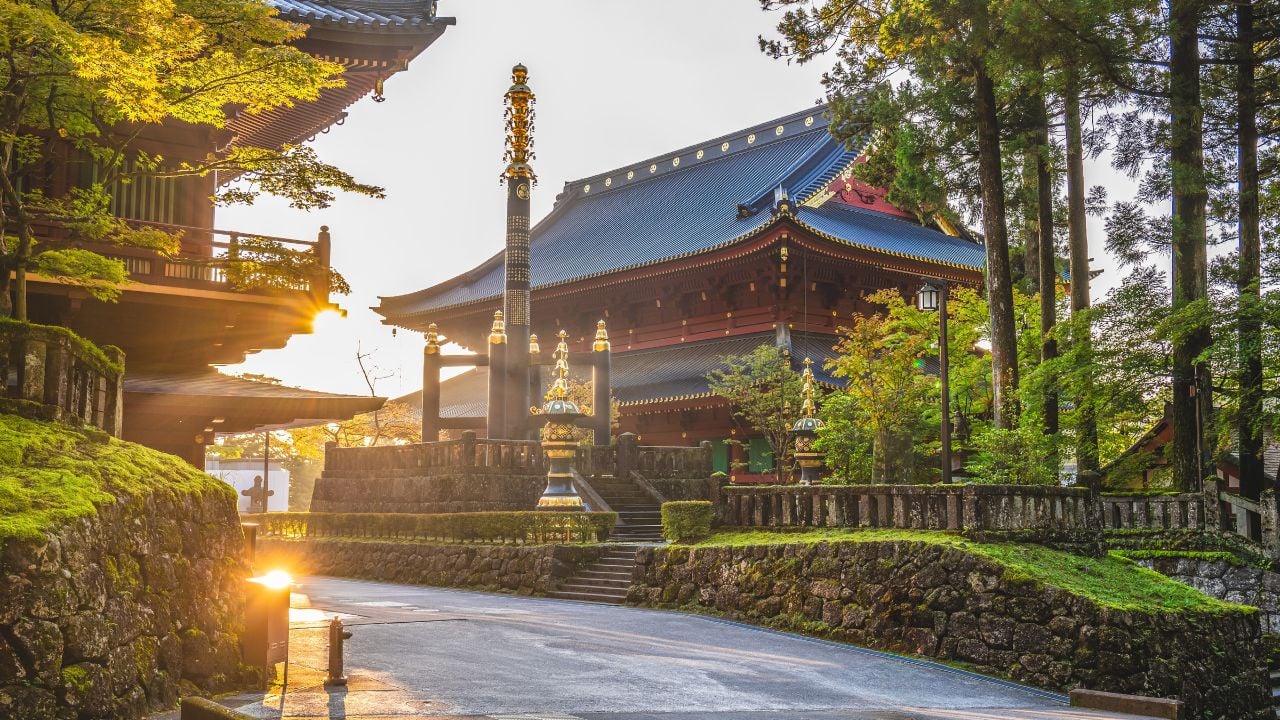
Japan is a mesmerizing country where the ancient meets the ultra-modern, creating a unique blend of history, technology, and culture. From serene temples and peaceful gardens to bustling cities and futuristic bullet trains, Japan offers experiences that are unlike anywhere else. However, for first-time visitors, navigating this fascinating country can be overwhelming, as cultural norms, etiquette, and local customs differ greatly from what many travelers are used to. Many tourists unintentionally make mistakes that can diminish their experience or even cause awkward situations.
By understanding common pitfalls in advance, travelers can maximize their time, show respect for local traditions, and immerse themselves fully in Japanese life. These insights are not only practical but also help visitors form more meaningful connections with locals. With a little preparation, your trip to Japan can be smooth, memorable, and filled with positive experiences from start to finish.
Traveling in Japan is about more than sightseeing, it’s about experiencing daily life, understanding traditions, and noticing small details that make the culture unique. Without proper knowledge, tourists may overlook subtle rules that locals take seriously, which can lead to minor frustrations or unintended offenses. Paying attention to transportation etiquette, table manners, public behavior, and payment methods can transform a stressful trip into an effortless journey. Even small gestures like speaking politely, observing temple customs, or following queue rules can make a significant difference.
This guide highlights 13 of the most common mistakes tourists make in Japan, giving you the tips you need to avoid them and enjoy your visit to the fullest. By keeping these points in mind, you can focus on creating memories, tasting local cuisine, and exploring the country with confidence. Let’s dive into the top 13 travel mistakes and learn how to avoid them for a seamless Japanese adventure.
Being Loud on Public Transportation

Many tourists are surprised by how quiet trains and buses are in Japan, but this is a sign of respect rather than just coincidence. Speaking loudly, making phone calls, or laughing excessively can be seen as disruptive and rude. Japanese commuters value a calm environment, often using travel time to relax or prepare for work. Eating or drinking in local trains is generally prohibited, except in long-distance bullet trains where it’s acceptable.
Cutting in line or not forming proper queues can also be considered impolite. Taking up seats reserved for elderly, disabled, or pregnant passengers is another common mistake. By being aware of these rules, travelers can enjoy stress-free transport and show cultural awareness.
2. Forgetting to Remove Shoes

Many tourists are unaware that removing shoes is essential in homes, traditional restaurants, and temples. Wearing outdoor shoes inside is considered unhygienic and disrespectful. Most locations provide slippers, but tourists often ignore or misuse them. In tatami rooms, shoes are strictly forbidden on the mats, and failure to comply is seen as careless.
Bathrooms sometimes have special slippers only for that area, adding to confusion. Removing shoes demonstrates respect for local customs and appreciation for the space. Observing this practice helps travelers blend in and enjoy a more authentic Japanese experience.
Giving Tips

Unlike many countries, tipping in Japan is not customary and can even confuse staff. Service is expected to be excellent without extra payment, and leaving money can be seen as rude or awkward. Tourists often assume tipping is appropriate and face uncomfortable reactions when it’s returned.
Expressing gratitude verbally is more valued than offering cash. Small gifts or thoughtful gestures are considered a better way to show appreciation. Understanding this rule helps visitors avoid embarrassment and demonstrates cultural sensitivity. Avoiding tipping ensures interactions remain positive and respectful.
Using Chopsticks Incorrectly

Chopsticks carry cultural significance in Japan, and improper use can offend locals. Sticking them upright in rice resembles funeral rituals and is considered a serious faux pas. Passing food from chopsticks to chopsticks also has funerary connotations and should be avoided. Other mistakes include waving chopsticks, pointing with them, or playing with them while eating.
Following proper chopstick etiquette shows awareness of dining customs and respect for the culture. Watching locals and mimicking their behavior is an easy way to learn. Mastering this subtle etiquette enhances your culinary experiences.
Over-Reliance on Credit Cards
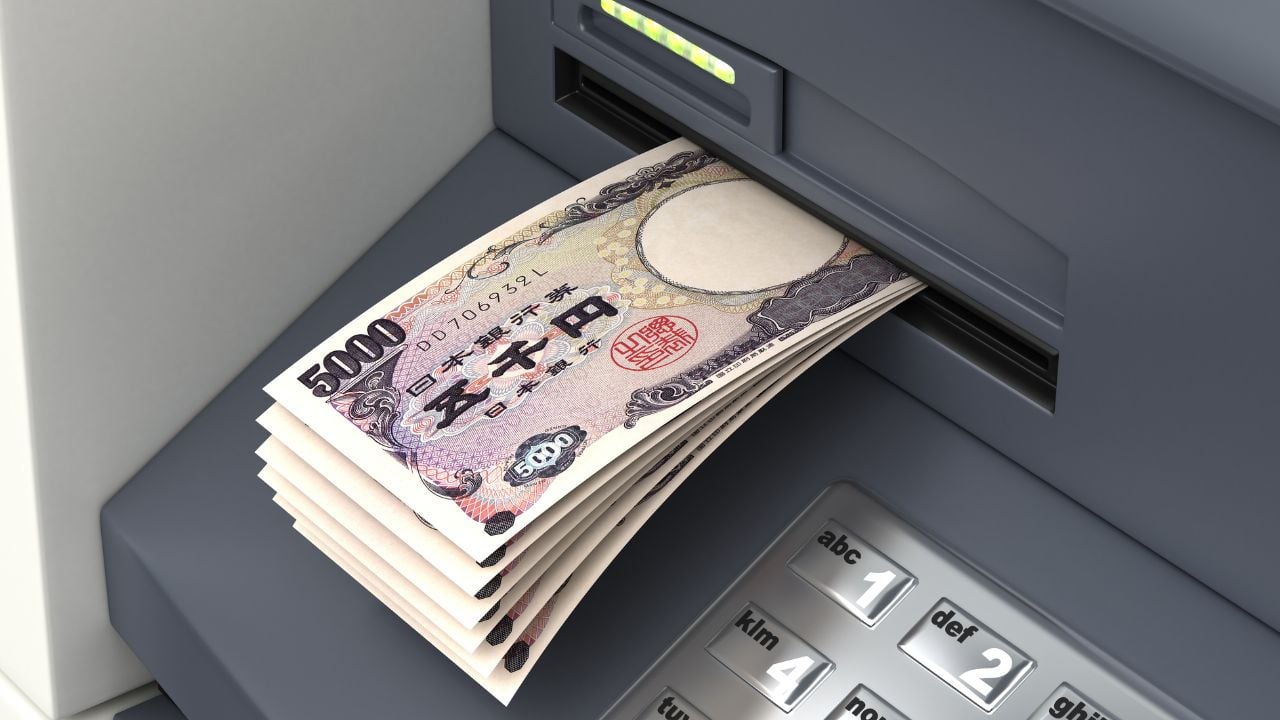
Although Japan is technologically advanced, cash is still king in many places. Small restaurants, temples, local markets, and rural shops often only accept yen. Travelers who rely solely on cards may struggle to pay for meals, souvenirs, or transportation.
ATMs are not always available outside major cities, so planning ahead is important. Japanese people expect proper handling of cash, usually using a small tray at checkout rather than handing it directly. Carrying enough yen prevents stress and allows travelers to enjoy the country without interruptions. Understanding cash culture also provides insight into Japanese daily life.
Ignoring Train Etiquette for Boarding and Seating

Proper train etiquette is crucial to avoid inconveniencing others. Tourists often push past queues or board before passengers have exited, causing minor chaos. Reserved seats have specific signs, and ignoring them is considered disrespectful.
Priority seats are intended for the elderly, disabled, or pregnant passengers. Using mobile phones loudly on trains disturbs fellow travelers. Eating and drinking in local trains is frowned upon, except in long-distance services. Observing proper boarding and seating practices helps travelers navigate Japan’s rail system smoothly.
Not Learning Basic Japanese Phrases

Even a few key phrases like “arigato” (thank you), “sumimasen” (excuse me), and “onegaishimasu” (please) go a long way. Using basic Japanese shows respect and effort, often resulting in warmer interactions. Asking for directions, ordering food, and purchasing tickets becomes easier with minimal language skills.
Locals appreciate when tourists attempt their language, even imperfectly. It opens doors to helpful advice and friendlier exchanges. Learning simple phrases demonstrates cultural awareness and engagement. Basic communication can make daily travel more enjoyable and less stressful.
Skipping the JR Pass for Long-Distance Travel
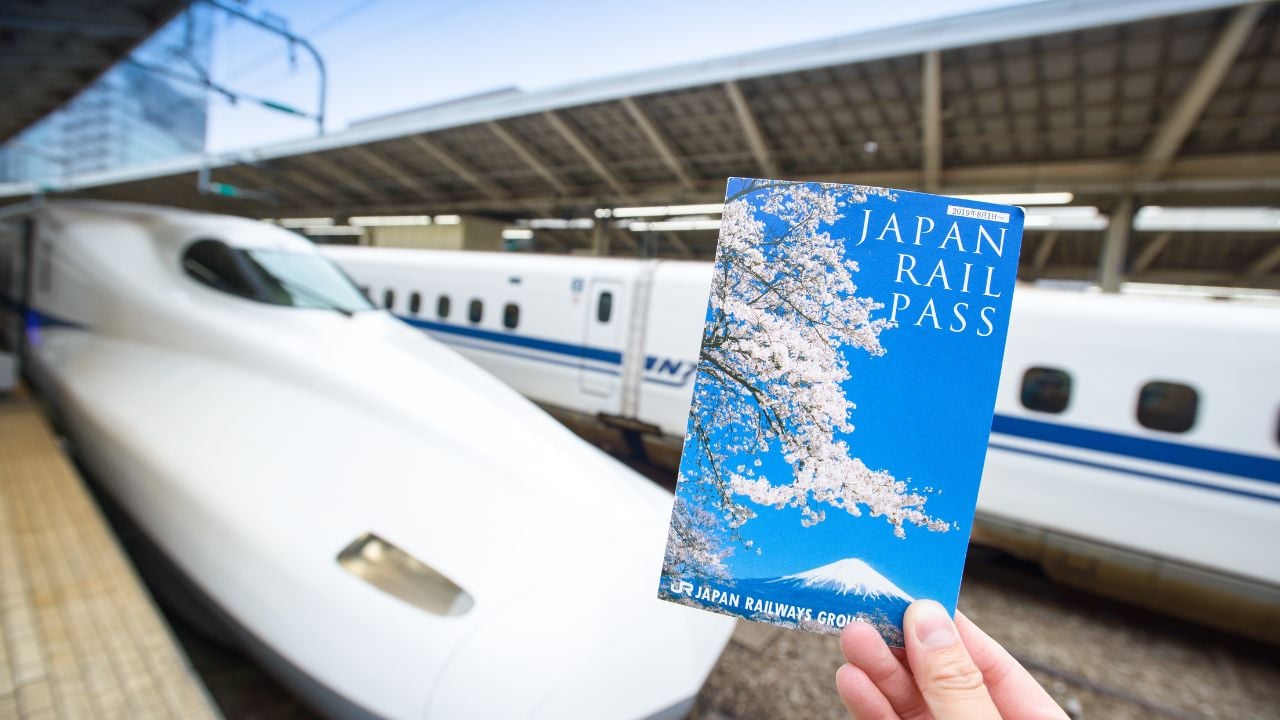
Many tourists do not realize how cost-effective a Japan Rail (JR) Pass can be when traveling between cities. Buying individual tickets for every leg of your journey often ends up more expensive and confusing. The JR Pass offers unlimited travel on most trains, including Shinkansen bullet trains, for a set period. Without it, visitors might miss out on spontaneous day trips or efficient travel routes.
Using the pass simplifies planning, reduces stress at ticket counters, and saves precious time. It also provides access to certain buses and ferries that regular tickets don’t cover. Tourists who skip this pass often regret it when they realize how much smoother and cheaper travel could have been.
Overlooking Seasonal Festivals
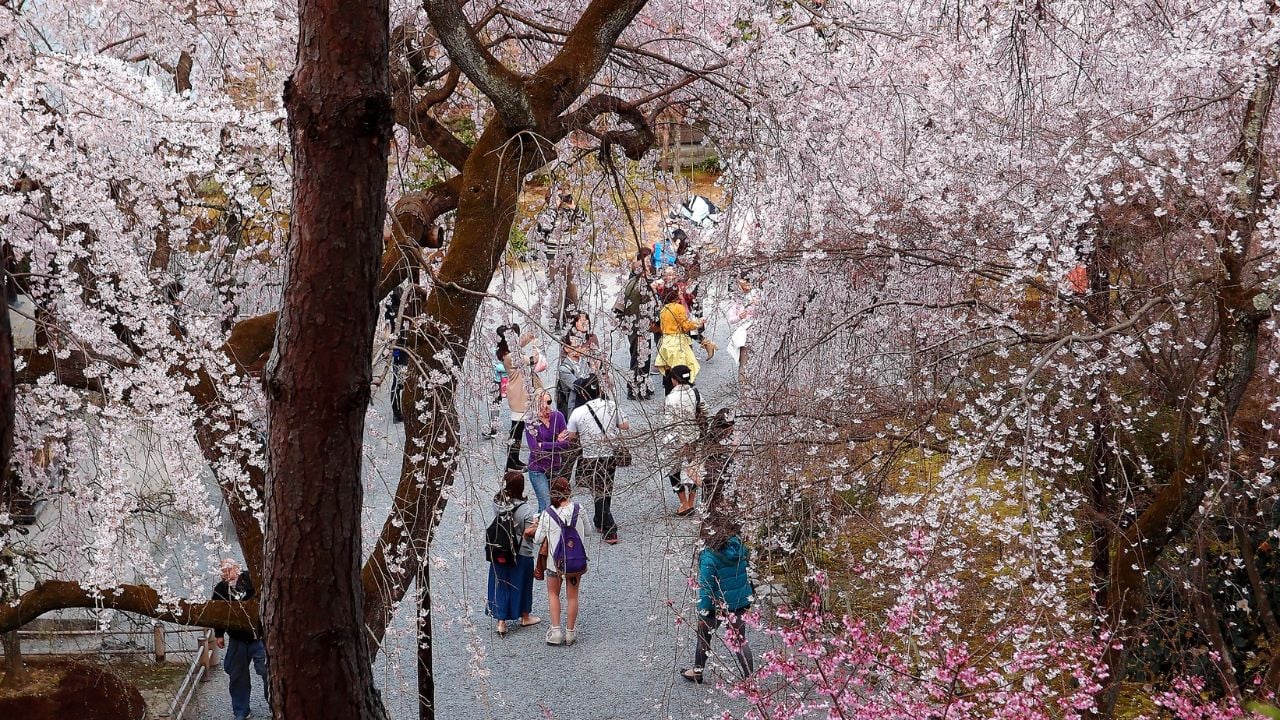
Many travelers focus only on landmarks and museums, missing Japan’s vibrant seasonal festivals. Events like cherry blossom celebrations, Gion Matsuri in Kyoto, and snow festivals in Hokkaido offer unique cultural experiences. Attending these festivals allows visitors to witness traditional performances, street food, and community gatherings. Tourists who plan trips without considering festival dates may miss these one-of-a-kind experiences.
Seasonal festivals also provide stunning photography opportunities that you can’t find elsewhere. Participating respectfully enhances understanding of local customs and traditions. Avoiding festivals is a missed opportunity to experience Japan beyond its everyday attractions.
Ignoring Regional Transportation Apps
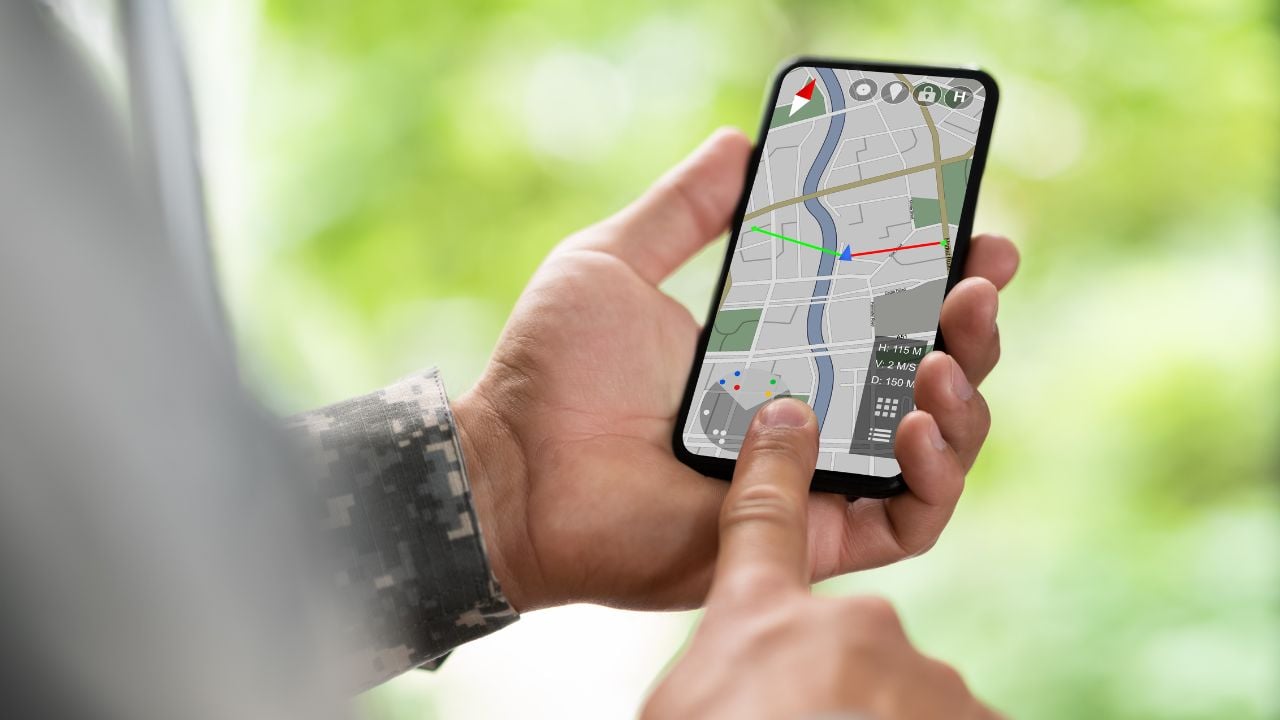
While maps and train schedules are widely available, many tourists neglect local transportation apps. Apps like Hyperdia, Navitime, or Google Maps in Japan provide real-time train and bus schedules. Without using them, travelers may get lost or waste time figuring out connections.
These apps also help calculate the fastest routes and platform changes. Tourists unfamiliar with them often arrive late or miss transfers, creating unnecessary stress. Learning to rely on apps improves confidence in navigating unfamiliar cities. Skipping this preparation can turn a smooth trip into a frustrating puzzle of schedules and platforms.
Not Visiting Off-the-Beaten-Path Destinations
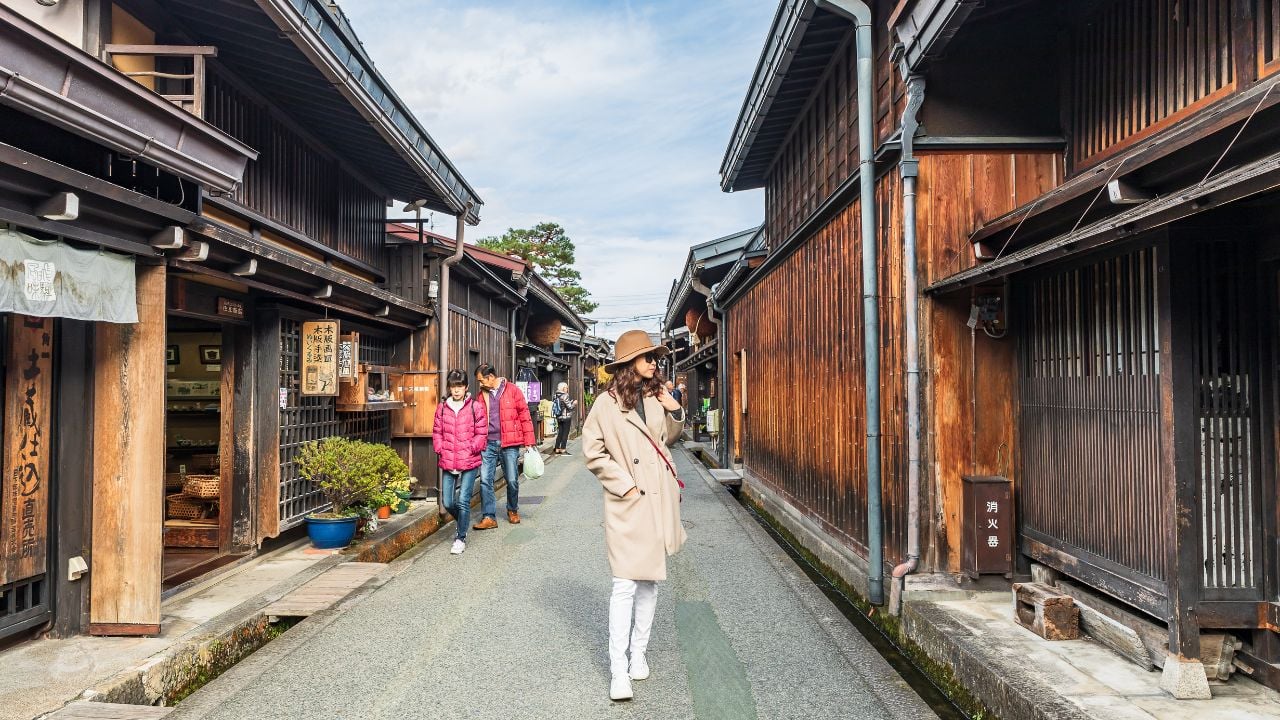
Many visitors stick to Tokyo, Kyoto, and Osaka, overlooking smaller towns and rural attractions. Places like Kanazawa, Takayama, and the Iya Valley provide unique scenery and traditional experiences. Ignoring these regions means missing out on local crafts, food, and quieter cultural immersion.
Tourists often regret not exploring beyond major cities. Traveling to lesser-known areas requires some planning but rewards visitors with tranquility and authenticity. Off-the-beaten-path trips also allow for meaningful interactions with locals. Focusing only on big cities limits your understanding of Japan’s full diversity and charm.
Not Respecting Onsen Etiquette
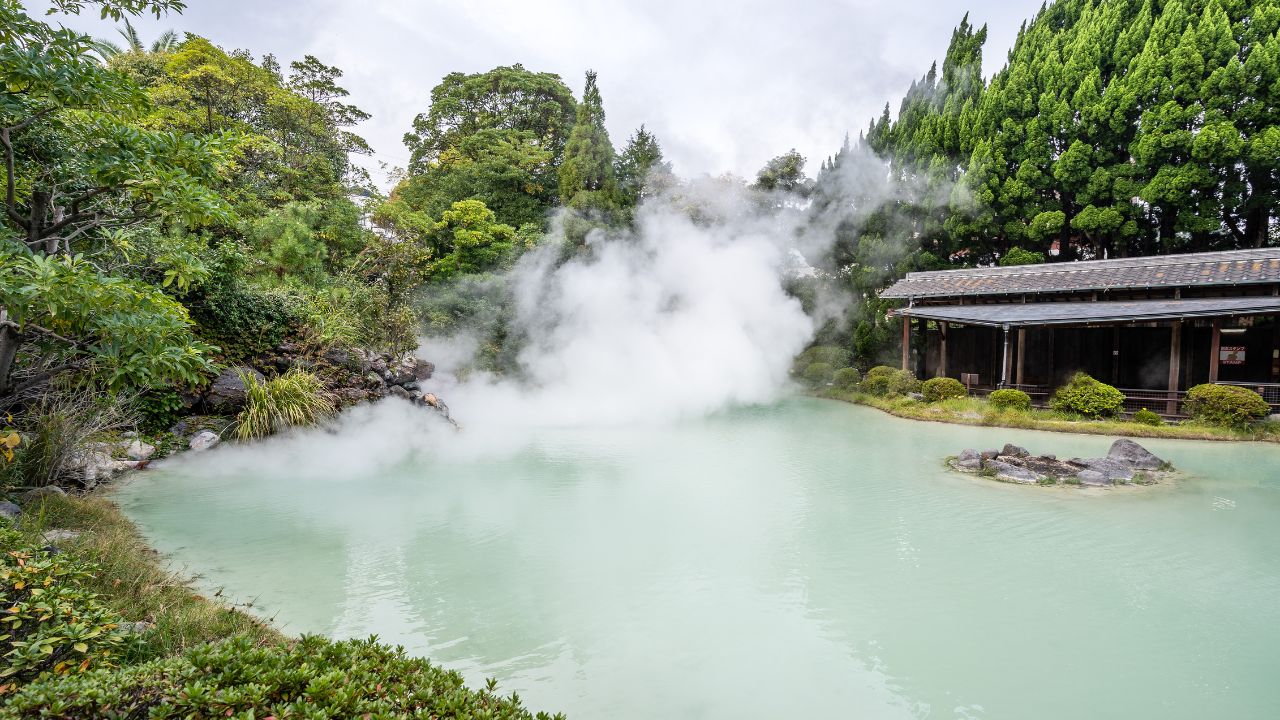
Visiting hot springs (onsen) is a highlight of any Japan trip, but many tourists fail to learn proper etiquette. Nudity is mandatory in traditional onsens, and bathing before entering is required. Swimsuits are not allowed, and tattoos can be frowned upon in some locations.
Tourists who ignore these rules may feel unwelcome or embarrassed. Onsen etiquette also includes keeping noise low and not bringing towels into the water. Understanding these customs ensures a relaxing and culturally respectful experience. Skipping this preparation can turn a relaxing soak into an uncomfortable situation.
Rushing Through Experiences
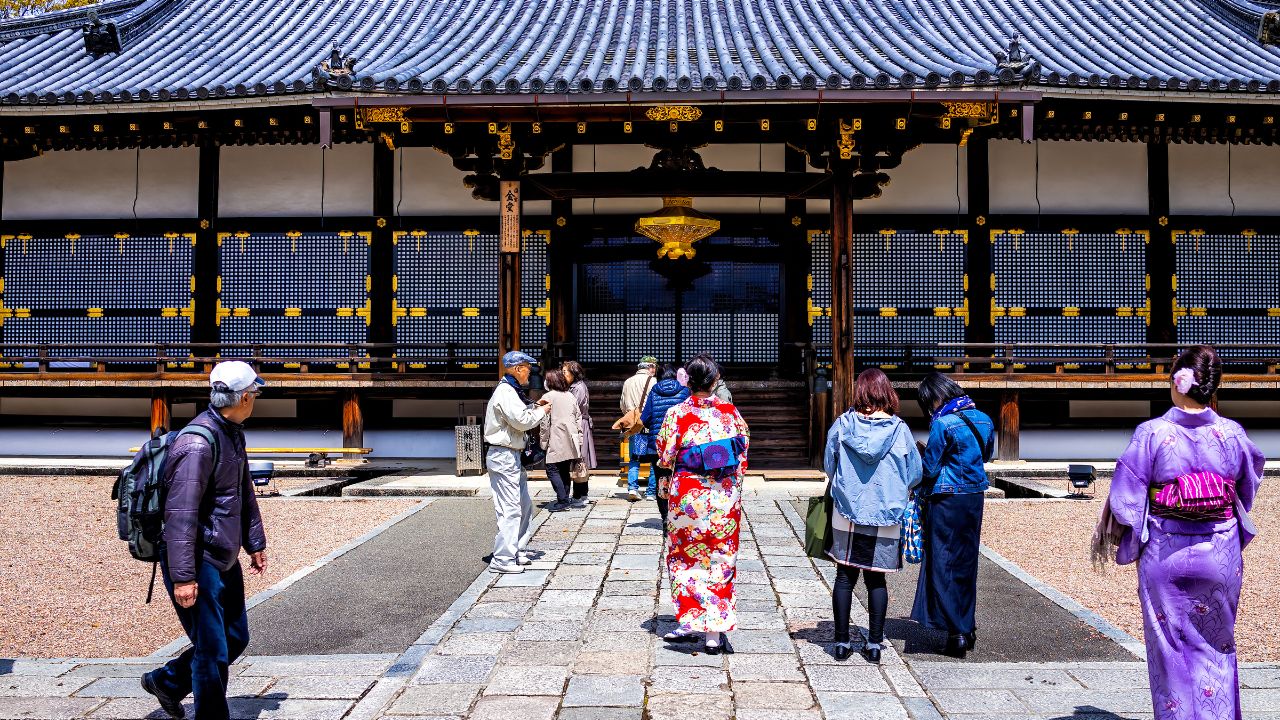
Many tourists try to see too much in too little time, hopping from city to city without appreciating the details. Japan’s beauty often lies in small moments, such as strolling through quiet temples, exploring side streets, or observing seasonal changes in nature.
Rushing can lead to missing subtle cultural practices and diminishing the enjoyment of each destination. It also increases stress and fatigue, reducing overall travel satisfaction. Planning a slower itinerary allows for deeper engagement with local people, food, and traditions. Taking time to pause and observe can turn a simple trip into an unforgettable journey. Avoiding the temptation to rush ensures that your experience is both rich and meaningful.