
Airports, old towns, and nightlife districts all share one trait: your attention gets pulled in six directions at once. That split focus is exactly what hustlers look for, because even seasoned travelers can misread a rushed moment. Many tricks look harmless at first, then suddenly turn into a fee, a vanished wallet, or a card charge you did not expect.
Consumer agencies warn that travel fraud often starts online, before you even pack a bag. The FTC’s travel-scam guidance calls out bogus offers and payment pressure, and Travel.State.gov notes how often scams rely on urgency and confusion. Street cons follow the same pattern: create urgency, add confusion, then extract money fast.
1. Taxi “Meter Problems” and the Scenic Detour

Outside terminals and train stations, an eager driver may claim the meter is broken, then propose a “special” flat rate. Another variant looks cleaner: the meter runs, yet the route magically doubles in length. When fatigue is high and landmarks are unfamiliar, that extra loop feels believable.
Choose the official queue or an app-based pickup, then confirm the fare rules before the door closes. Travel.State.gov’s transportation safety guidance also recommends sticking with clearly marked, licensed options and avoiding unmarked rides. In places where fixed airport pricing exists, ask for the posted rate and take a photo of the license number. If the ride starts with pressure, step out and pick another option.
2. The Fake Rental or “Perfect” Apartment Listing

A listing can look real, sound friendly, and still be pure fiction. Fraudsters often copy photos, steal reviews, and then push for off-platform payment to “hold” the place. Once the transfer lands, the host vanishes and your arrival becomes a scramble.
Book through reputable platforms, pay inside their checkout, and treat “wire it now” as a bright red flag. The FTC’s travel-scam advice specifically warns about look-alike offers and payment methods that leave you no practical recourse. Verify the address with maps, look for reverse-image matches, and read the cancellation terms before committing.
3. The “Customer Support” Imposter Who Slides Into Your DMs

Post angrily about a delayed flight, and a “helpful” account may appear within minutes. The profile can use a real logo, a believable name, and a link that looks official at a glance. Then comes the ask: confirmation code, card details, or a “fee” to rebook.
The FTC warns that scammers actively impersonate airline customer service, especially on social platforms. Use the carrier’s verified website or app for changes, and never trust support that initiates contact from a random account. When in doubt, hang up and call back using the number printed on your booking email or the airline’s official site.
4. The Public Wi-Fi “Twin Network”
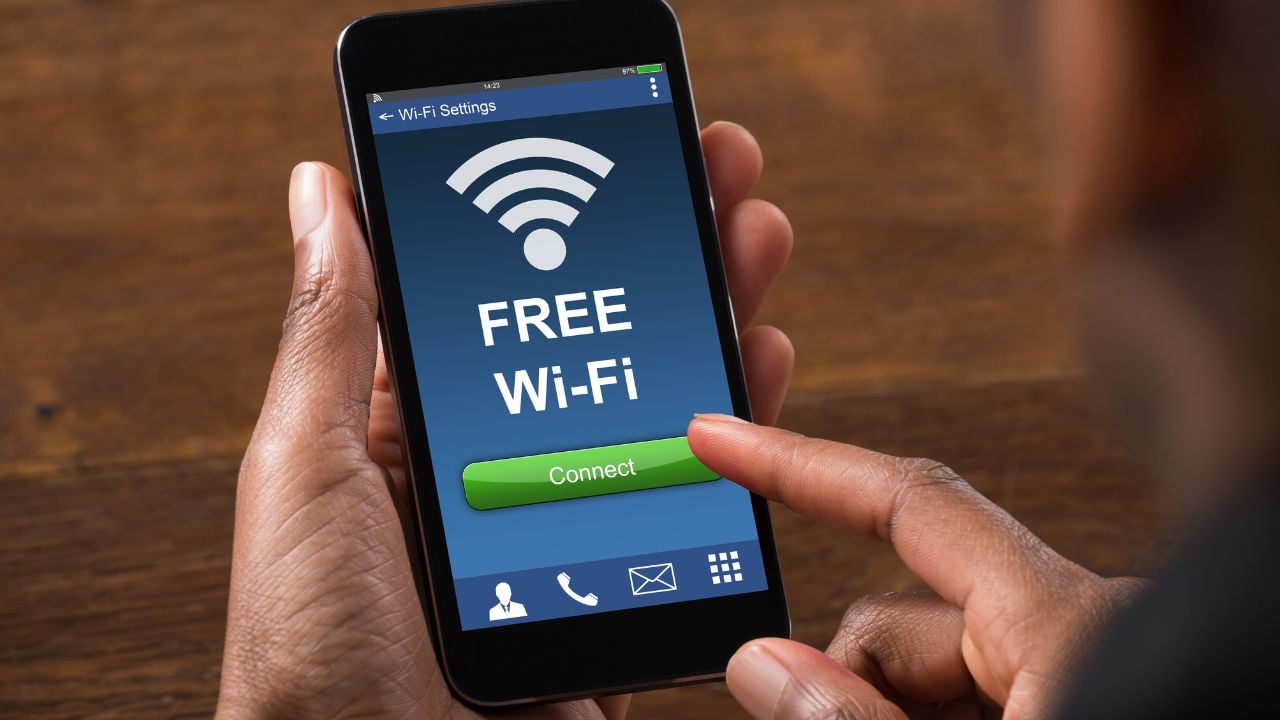
A free hotspot labeled “Airport Wi-Fi” sounds normal, which makes the fake version dangerous. Criminals can set up a look-alike network, then route you through a login page that harvests passwords or card numbers. Even without a spoofed portal, open networks invite snooping.
Stick to cellular data for banking, bookings, and email resets. The FCC’s cybersecurity tips for travelers recommend avoiding sensitive transactions on public Wi-Fi, and that’s the easiest rule to live by on the road. If connecting is unavoidable, use a trusted VPN and avoid logging into anything sensitive until you’re back on a secure connection. Think of free Wi-Fi as fine for reading menus, not fine for money.
5. The QR Code That Sends You Somewhere Nasty
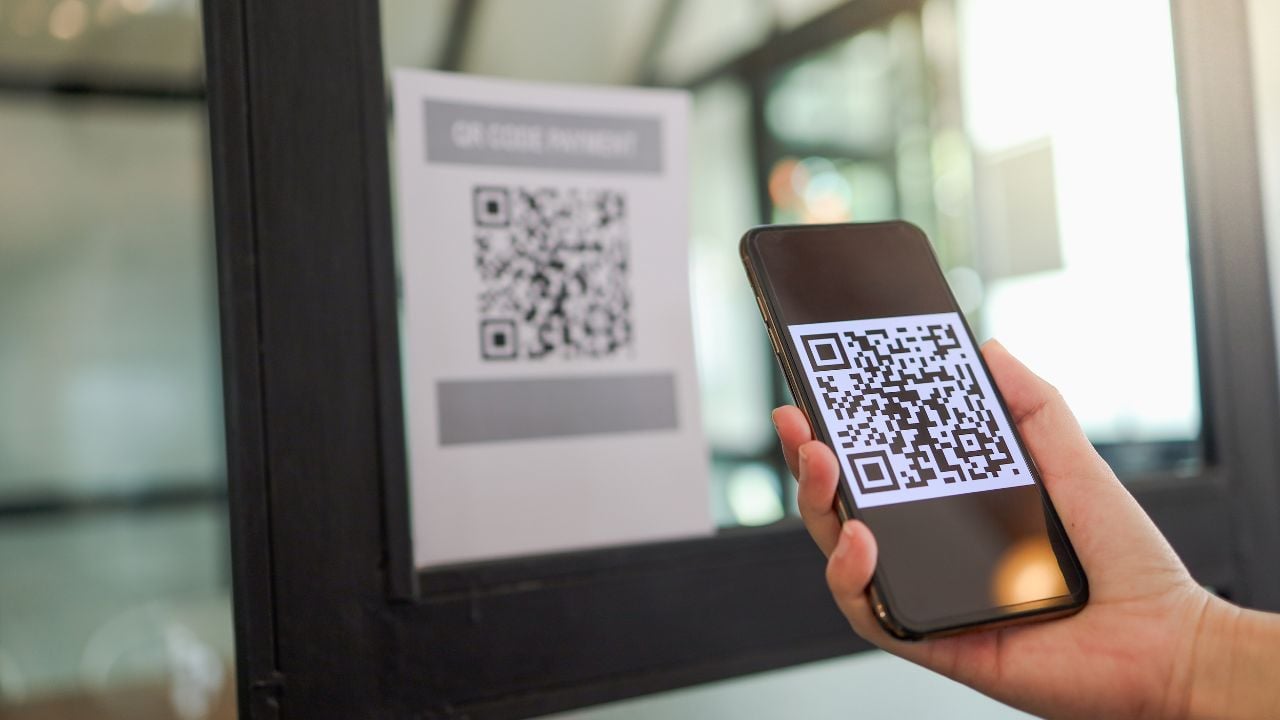
QR menus, ticket links, and parking payments are convenient, which is why “quishing” has become a known tactic. A sticker placed over a legitimate code can redirect to a credential-stealing page in a second. Because camera apps often hide the full URL, the trap can feel invisible.
The FBI’s Internet Crime Complaint Center has warned about tampered QR codes being used to steer people to malicious sites and payment traps. Before scanning, check for tampering, compare with surrounding signage, and type the address manually if anything seems off. A quick pause beats a month of disputing charges.
6. The Currency Swap and the “Helpful” Money Counter
Some cons succeed without violence or hacking—just fast hands. You hand over a note, the cashier “checks” it, swaps it for a smaller bill, and then insists you paid short. In busy exchange shops, counting errors can also become intentional.
Use official counters, count slowly, and avoid changing cash in chaotic street settings. When possible, withdraw from an ATM inside a bank branch and keep the receipt. If a clerk tries to rush you, treat that pressure as useful information.
7. The Bracelet, Rose, or “Free Gift” That Becomes a Demand

A friendly person offers a token, ties it to your wrist, and then asks for money with a sudden change in tone. Sometimes a second person steps in to escalate, while a third works your pockets. The item is rarely the main goal; your distraction is.
Do not accept anything you did not request, even if it is placed in your hand. Keep moving, keep your bag closed, and avoid stopping in the tightest crowd choke points. Guides like Rick Steves’ tourist-scam primer point out how often small “free” interactions are designed to stop you in place.
8. The Petition Clipboard That Turns Into Pickpocketing

A clipboard appears, a signature is requested, and your focus drops to the page. While you read, an accomplice bumps your shoulder, “helps” steady you, or crowds your space. The donation request might be real, yet the true win is your wallet.
This tactic shows up in a lot of official tourist scam roundups because it works on polite people. A simple “no” and a steady pace solve most encounters. Keep valuables in a front pocket or a zipped cross-body bag when walking through famous squares.
9. The Fake Police Check and the Instant “Fine”

A badge flashes, a uniform looks convincing, and the request sounds official: “Show your passport and wallet.” Once your cash is visible, the “inspection” becomes a shakedown, or valuables disappear during the “search.” Fear does the heavy lifting.
Travel advisories regularly warn about scams involving fake officials and pressure tactics—see the examples on Travel.State.gov. Ask to see identification carefully, request the station address, and suggest handling any issue there instead of curbside. Real police generally do not mind transparency; imposters hate it.
10. The Bar Invitation With a Bill That Hits Like a Meteor

A charming stranger suggests a nearby venue, orders arrive quickly, and prices are not shown clearly. Later, the tab includes mystery “fees,” premium bottles you never requested, or menu items that were never explained. Pressure can escalate when staff block the exit or insist you pay immediately.
Avoid following new acquaintances to a second location you did not choose. Pick venues with visible menus, confirm prices before ordering, and leave at the first sign of coercion. Travel.State.gov explicitly describes versions of the restaurant/bar bill scam as a common trap in busy entertainment zones.