A growing body of research is drawing attention to something most drivers rarely think about: the pollution created as tires wear down.
A French environmental organization, Agir pour l’environnement, says tire wear releases a complex mixture of chemical compounds into the air, soil, and waterways. In a report referenced by French media, the group claims it identified 1,954 different molecules in tires from six major global manufacturers, with 785 of them classified as posing serious health or environmental risks.
The same reporting highlights another headline figure: roughly 80,000 metric tons of tire wear residue released each year in France. That is about 88,000 U.S. tons of material, largely invisible in daily life but widely dispersed through road dust and stormwater runoff.
For U.S. readers, the relevance is straightforward. As tailpipe emissions drop with cleaner engines and growing electrification, nonexhaust sources like tire wear and brake dust are getting more attention from scientists and regulators as a remaining pathway for roadway pollution.
What the Report Says About Chemical Risks
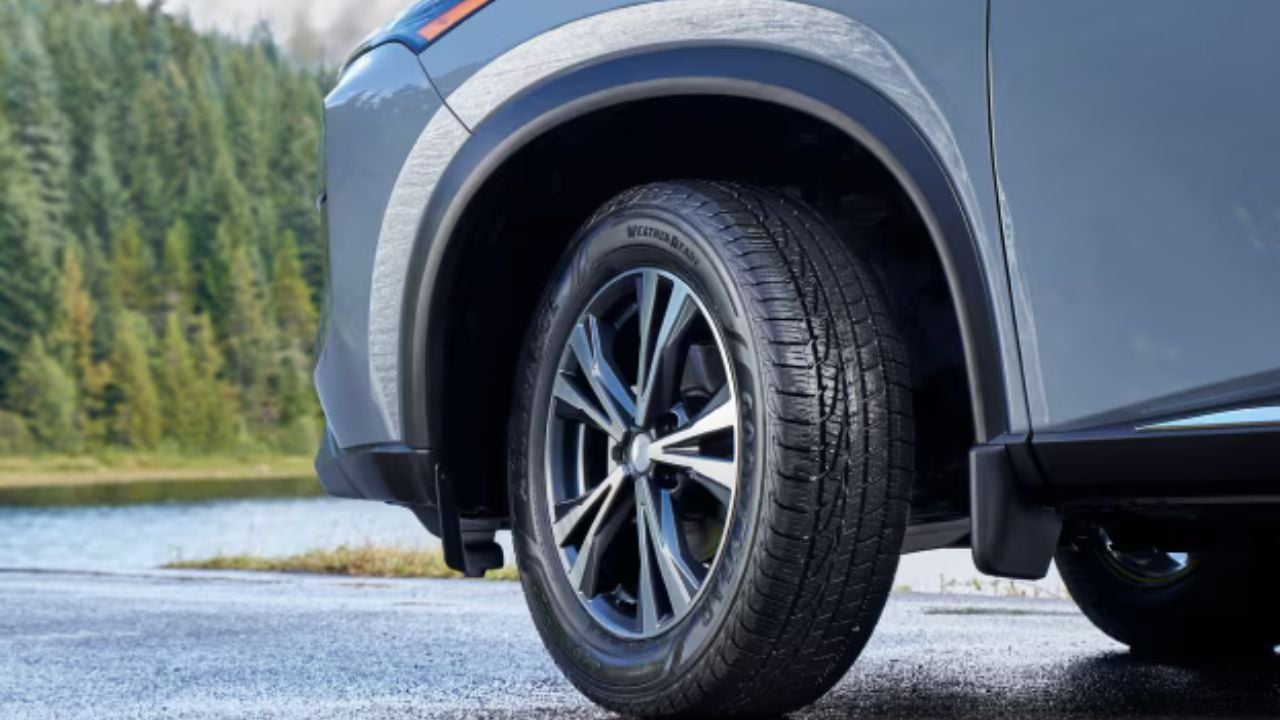
Agir pour l’environnement’s report argues that tire wear is not just a microplastics issue. It frames the problem as chemical exposure, noting subsets of compounds that may be toxic to aquatic ecosystems and potentially harmful to human health.
The core concern is not that drivers are directly touching tires, but that particles and dissolved compounds move through runoff into waterways and can end up in food chains. This aligns with broader scientific discussions about tire-related emerging contaminants and their behavior in the environment.
How Much Rubber a Tire Can Shed Over Its Life
Industry voices in France have also acknowledged the wear issue. Dominique Stempfel, who has spoken publicly on behalf of the French tire trade group, has described tire wear as a measurable and significant output over a tire’s service life.
In the coverage referenced by the original article, a typical passenger car tire was cited as losing about 2.5 kilograms of rubber over its life, which is roughly 5.5 pounds. For heavy commercial use, the figure cited for a multi-tire truck and trailer combination was as high as 200 kilograms, which is about 440 pounds.
Those estimates become more striking in a high-volume market. The same French context notes annual tire sales on the order of tens of millions.
Why Researchers Are Tracking Tire Additives in Food and Water
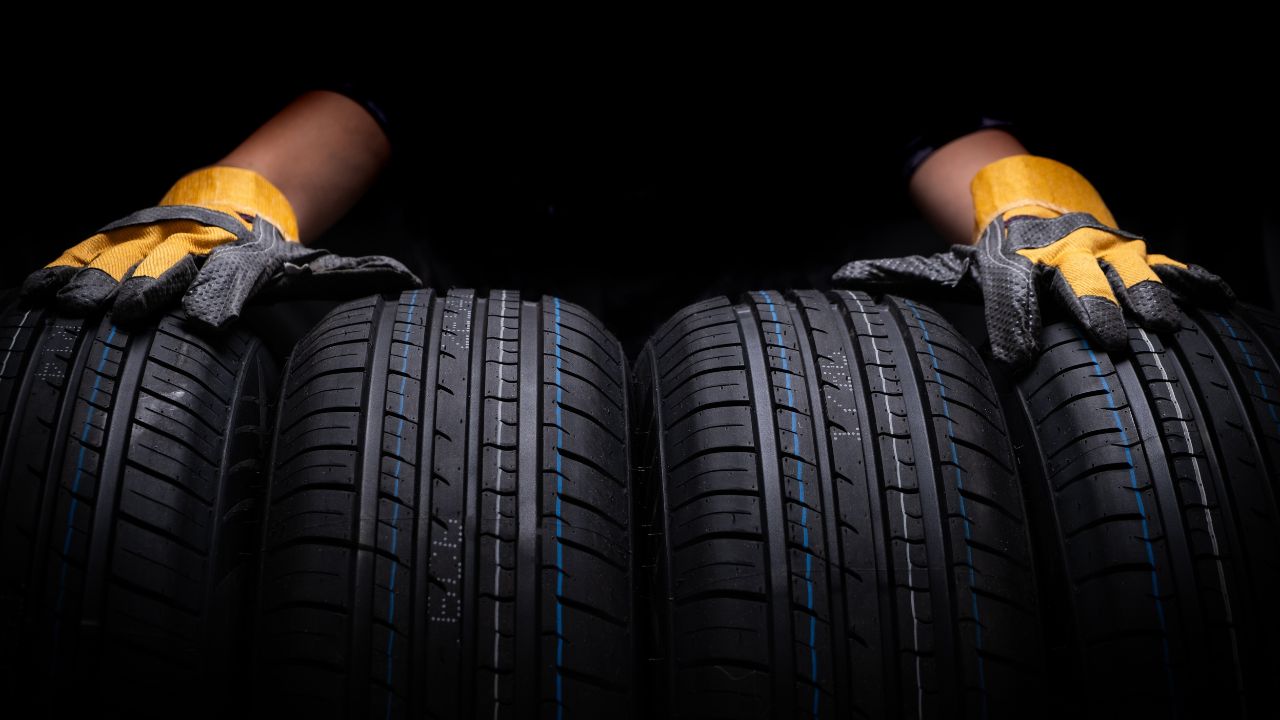
One of the most closely watched tire additives is 6PPD, an antidegradant used to slow rubber aging. When it transforms in the environment, it can form 6PPD quinone, a compound strongly linked to acute toxicity in certain fish species, including coho salmon.
This topic has been especially prominent in North America because coho salmon die-offs associated with stormwater runoff have pushed regulators and researchers to look closely at tire-derived chemistry. The U.S. Environmental Protection Agency agreed to review the chemical after petitions from West Coast tribes, reflecting how quickly tire-related pollution moved from academic concern to policy discussions.
Separately, Swiss researchers have reported traces of tire-related additives on commonly consumed fruits and vegetables, underscoring that roadway pollutants can travel beyond obvious roadside areas.
Transparency and Regulation Are Moving Slowly.

Agir pour l’environnement is calling for more disclosure around tire formulations, arguing that chemical composition is often treated as an industrial secret even as tires shed material into the environment.
Regulatory measurement is also evolving. In Europe, Euro 7 is expanding the emissions conversation beyond tailpipes by adding new rules for particle emissions from braking and by moving toward standardized approaches for tire wear and abrasion performance.
For U.S. readers, the bigger takeaway is that the next phase of clean vehicle policy is not only about what comes out of an exhaust pipe. It is also about what comes off the vehicle itself. Tires are essential safety equipment, and replacing additives or changing compounds is not simple, but the pressure to measure and reduce tire wear pollution is clearly rising in both research and regulation.
This article originally appeared on Autorepublika.com and has been republished with permission by Guessing Headlights. AI-assisted translation was used, followed by human editing and review.