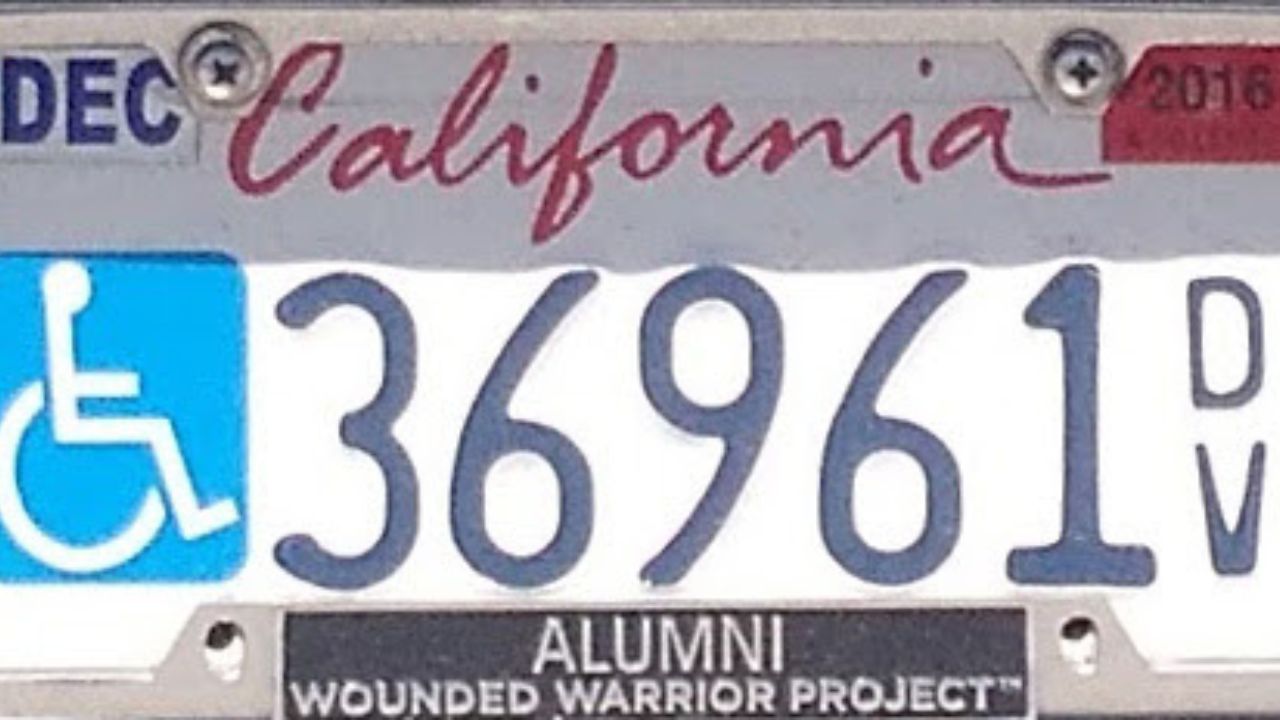

A controversy is unfolding inside the Riverside Police Department after three officers who previously served in the U.S. military were notified that the department intends to terminate their employment. The dispute centers on disabled veteran license plates displayed on their personal vehicles.
It raised questions about how military disability ratings are interpreted in the workplace.
According to reports, the three officers are all veterans who served in either the U.S. Army or the Marine Corps. Each of them holds a 100 percent disability rating from the U.S. Department of Veterans Affairs. In California, that rating allows veterans to qualify for disabled veteran license plates, which provide certain benefits including parking privileges and fee exemptions.
However, the Riverside Police Department believes the officers may have misrepresented their physical limitations in order to obtain those plates.
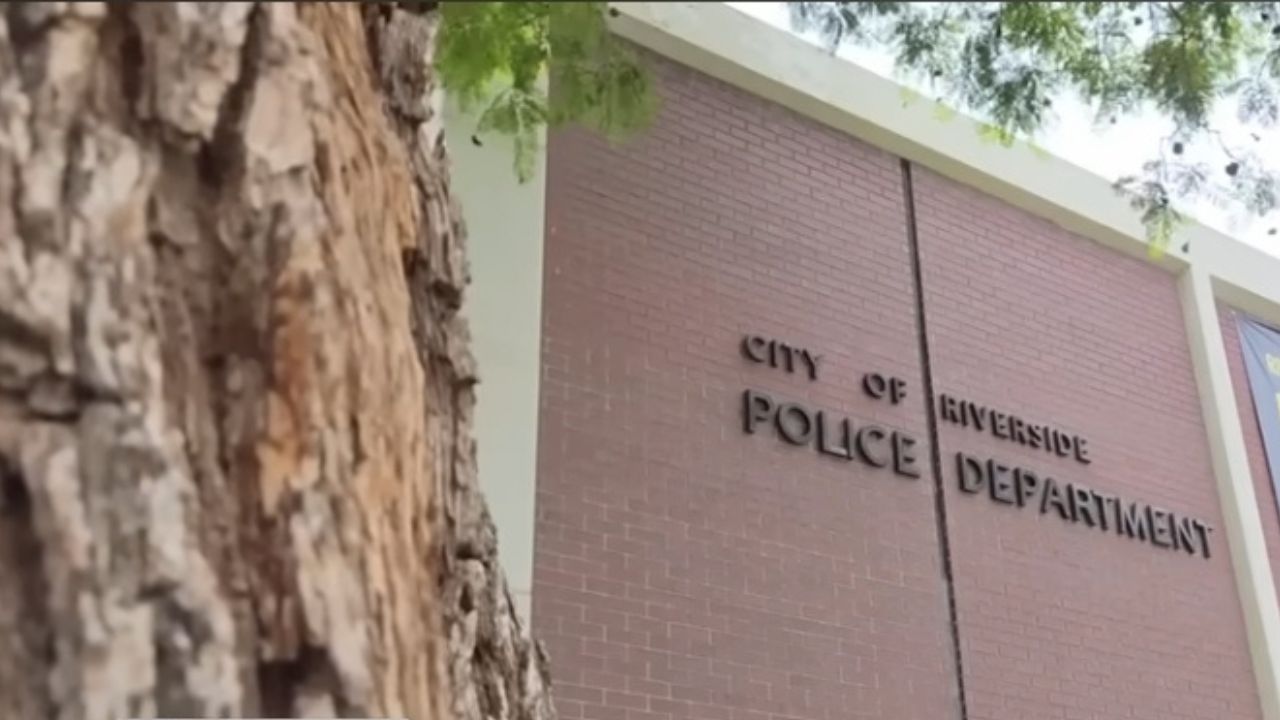
Internal paperwork reportedly claims the officers must have exaggerated or misrepresented their disabilities because they continue to perform full police duties without requesting workplace accommodations.
That allegation is at the center of the dispute.
Lawsuit Claims Department Misunderstands VA Ratings
The officers have now filed a discrimination lawsuit against the department, arguing that the department’s interpretation of their disability ratings is fundamentally flawed. Their attorney says the officers did nothing wrong and insists the department is misunderstanding how the Veterans Affairs disability rating system actually works.
The lawyer explained that a 100 percent disability rating under the VA system does not necessarily mean a person is physically incapable of working or performing demanding tasks. Instead, the rating reflects the combined impact of service-related injuries and conditions under a specific federal formula used to determine benefits.
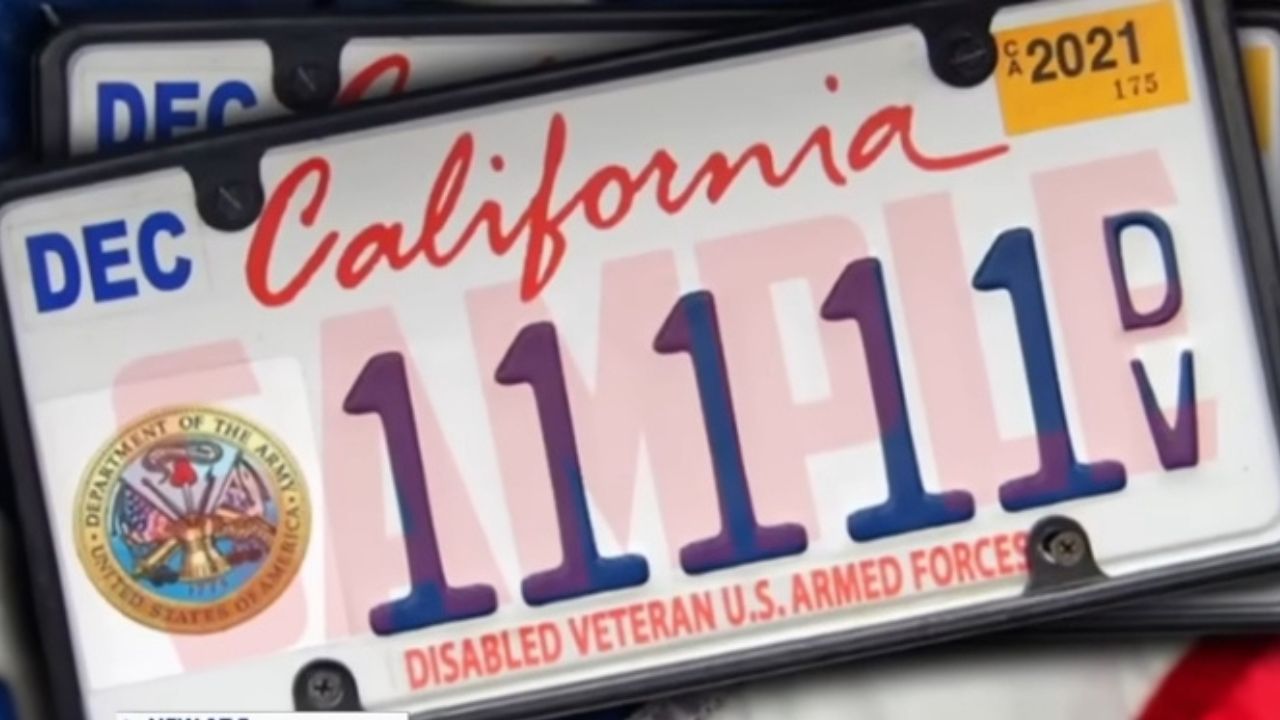
In other words, a veteran can receive a 100 percent disability rating while still being able to maintain employment, including physically demanding jobs such as law enforcement.
The attorney emphasized that none of the officers ever requested special accommodations from the police department. They continued to carry out their duties like any other officer. According to the department, that lack of accommodation requests is part of the reason officials believe the disability claims may have been misrepresented.
The officers’ legal team strongly rejects that argument.
Their lawyer says the department appears to assume that a veteran with a 100 percent disability rating should be unable to perform normal job functions. He argues that assumption is incorrect and demonstrates a misunderstanding of the VA system.
Termination Notice Triggers Legal Battle
The situation escalated last week when the officers were formally served with paperwork informing them that the department intends to fire them. The notice triggered immediate legal action.
Before filing the lawsuit, the officers’ attorney attempted to reach a settlement with the city in hopes of resolving the dispute quietly. Those efforts failed, leaving the legal battle as the remaining path forward.
If the department proceeds with termination, the case could eventually be decided in front of a jury. The attorney representing the officers says they are prepared to take the matter to court and present evidence showing that the officers followed all rules when applying for their benefits and license plates.
He described the situation as a major betrayal for veterans who chose to continue serving their communities after their military careers ended.
According to the attorney, becoming police officers was a career path the three men deeply cared about. After serving their country overseas, they believed law enforcement was another way to protect and serve the public at home.
Now their careers are hanging in the balance.
A Broader Issue for Veterans
The Riverside Police Department has declined to discuss details of the case publicly. Officials say they cannot comment on confidential personnel matters or ongoing legal disputes.
With the lawsuit moving forward, the case is likely to draw attention from veteran advocacy groups and law enforcement communities across the country.
At its core, the dispute highlights a broader issue that many veterans face when transitioning from military service to civilian employment.
The outcome could determine not only the future of the three officers involved but also how employers interpret disability ratings awarded to military veterans.