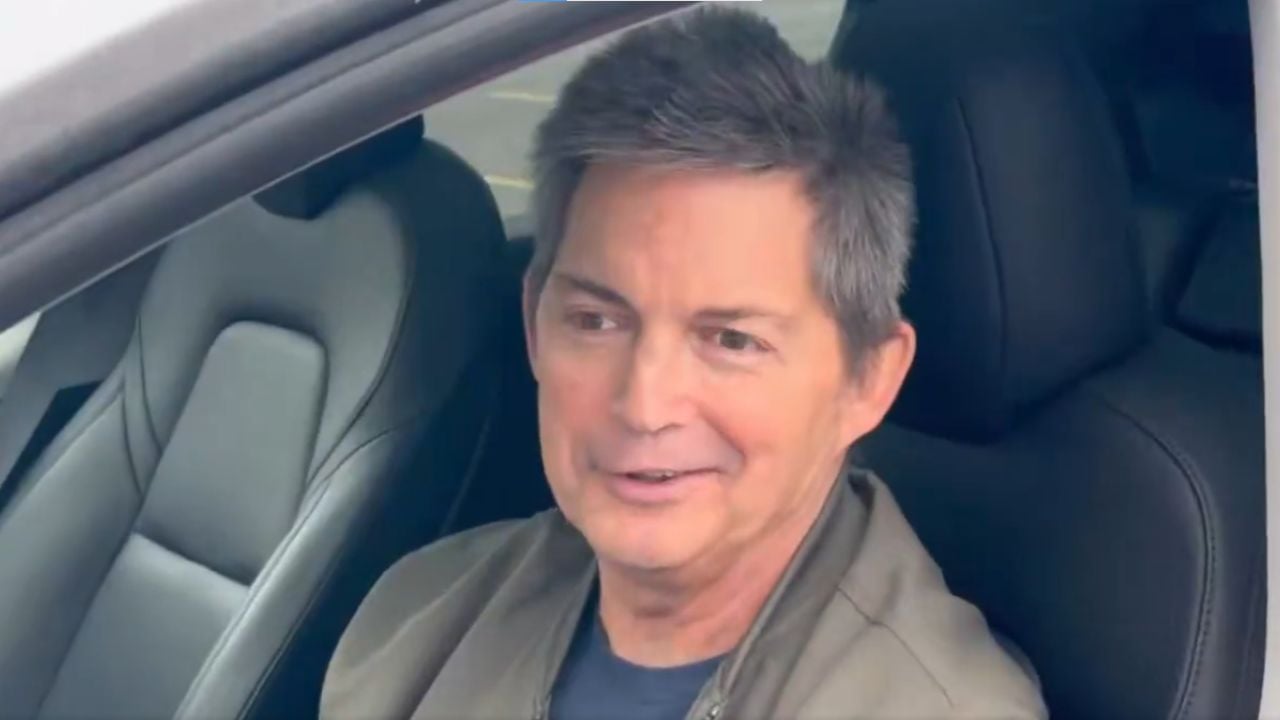

When David Moss shared a short video on X earlier this month, he likely didn’t expect it to resonate so deeply across the platform. The clip, viewed more than 111,000 times, shows his father, Gary, who lost his vision to a cancerous tumor, experiencing the thrill of “driving” again thanks to Tesla’s Smart Summon feature.
Gary’s story is as heartbreaking as it is uplifting. After losing his sight, he believed his days behind the wheel were gone forever. For someone who had spent decades driving, the loss symbolized a loss of independence, freedom, and identity. Moss explained that while his Cybertruck was in for service, he was given a Model Y loaner equipped with Tesla’s HW3 hardware and Smart Summon.
For the uninitiated, HW3 (Tesla Hardware 3) is Tesla’s third‑generation self‑driving computer, introduced in 2019, designed to power the company’s Full Self‑Driving (FSD) system. It replaced the earlier HW2.5 platform and was marketed as the hardware that would eventually enable full autonomy through software updates.
Using the system, Gary was able to sit in the driver’s seat and feel the car respond to his presence, mimicking the sensation of driving.

The video captures Gary’s face lighting up with joy, a moment Moss described as “incredible.” “This is why we need Unsupervised FSD and the CyberCab,” Moss wrote in the post. “It’s not just about convenience; it’s also about giving disabled people like my dad their independence back!!”
Many in the comment seemed to agree.
The Big Picture
The post sparked a wave of discussion in the comments. Many users praised Moss for highlighting a human‑centered use case for autonomous driving technology. While debates around Tesla’s Full Self‑Driving (FSD) often focus on safety, regulation, and convenience, this story reframed the conversation: what if autonomy could restore dignity and independence to millions of people with disabilities?
One commenter noted that for the visually impaired, transportation options are often limited to public transit or relying on others. Autonomous vehicles could bridge that gap by offering a level of freedom that many take for granted. Another user pointed out that the emotional impact of Gary’s experience underscores why accessibility should be a core priority in tech innovation, not an afterthought.
Others, however, were more cautious. They worried that the technology is not yet mature enough for unsupervised use, citing Tesla’s ongoing regulatory battles and occasional reports of FSD glitches. “It’s inspiring, but we’re not there yet,” one reply read. “We need to make sure safety is ironclad before rolling this out to vulnerable populations.”
The Debate Around Unsupervised FSD
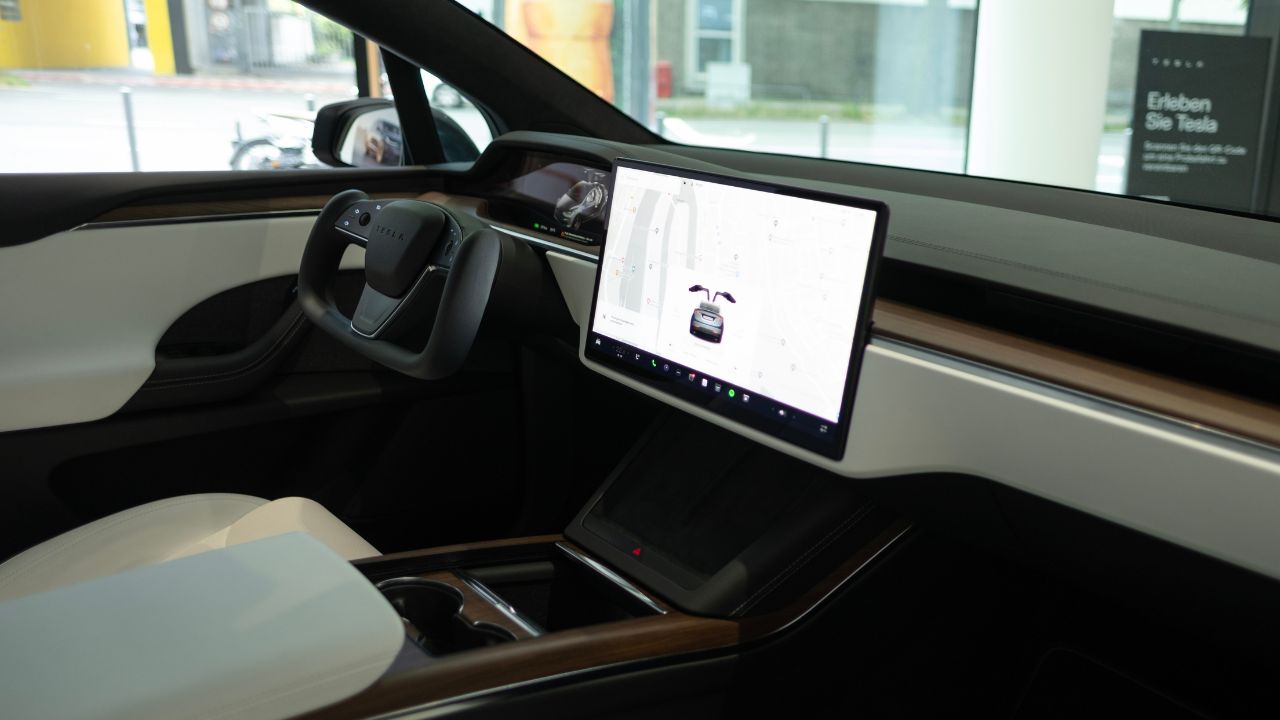
Moss’s call for “Unsupervised FSD and the CyberCab” touches on one of the most contentious issues in the automotive industry. Tesla has long promised that its vehicles will achieve full autonomy, but regulators remain skeptical. The company’s current FSD beta requires drivers to remain attentive, hands on the wheel, and ready to intervene.
For advocates like Moss, the potential benefits outweigh the risks. If autonomous systems can be perfected, they could transform lives for people with disabilities, the elderly, and those unable to drive due to medical conditions. Critics counter that premature deployment could expose these same groups to heightened danger if the technology fails.
Scrolling through the replies reveals a mix of admiration and pragmatism. Supportive voices celebrated Gary’s joy, calling the video “beautiful” and “a glimpse of the future.” Skeptics emphasized the need for stronger oversight, with one user writing, “We can’t let emotion override safety standards.” Tech enthusiasts debated the technical aspects, discussing HW3 hardware, neural networks, and whether Tesla’s approach to autonomy is scalable.
A Human Story at the Heart of Technology
My father, Gary, lost his vision a couple of years ago due to a cancerous tumor. He thought his days behind the wheel were gone forever.
This video is from awhile back when my Cybertruck was in for service. I was so lucky to be able to use the HW3 Model Y loaner & Actual Smart… pic.twitter.com/SpaTG1LU1a
— David Moss (@DavidMoss) January 3, 2026
Clearly, the technology isn’t what makes Moss’s post so compelling. It’s the humanity. Gary’s smile in that video seemed to say that innovation is not about gadgets or corporate milestones but about people. For him, Smart Summon was a chance to reclaim a piece of his identity, to feel once again the thrill of being in control of a car.
As autonomous driving inches closer to mainstream reality, Gary’s story is a rallying cry challenging engineers, regulators, and society at large to think beyond convenience and profit, and to consider how technology can restore independence to those who need it most.