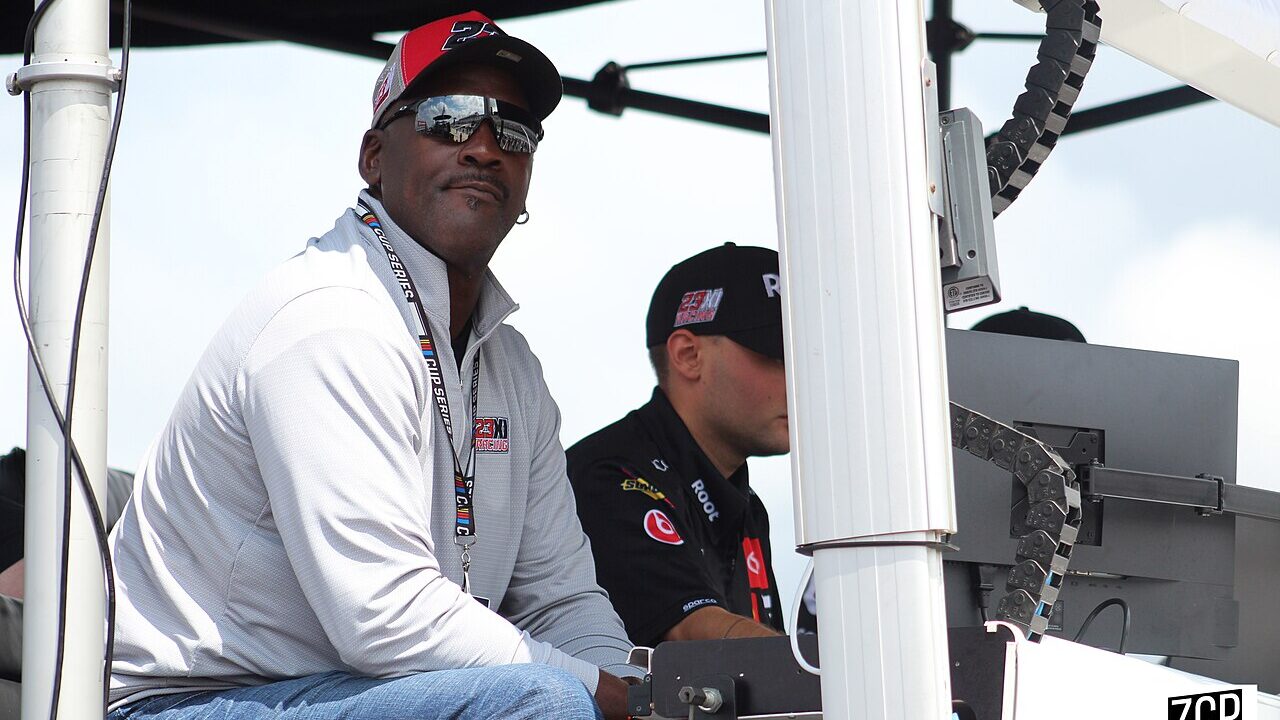

The intersection of global sports icon Michael Jordan and American motorsport powerhouse NASCAR has become one of the most compelling storylines in modern racing. It started as a passion project but then evolved into a legal and cultural flashpoint that could reshape the structure of the sport itself.
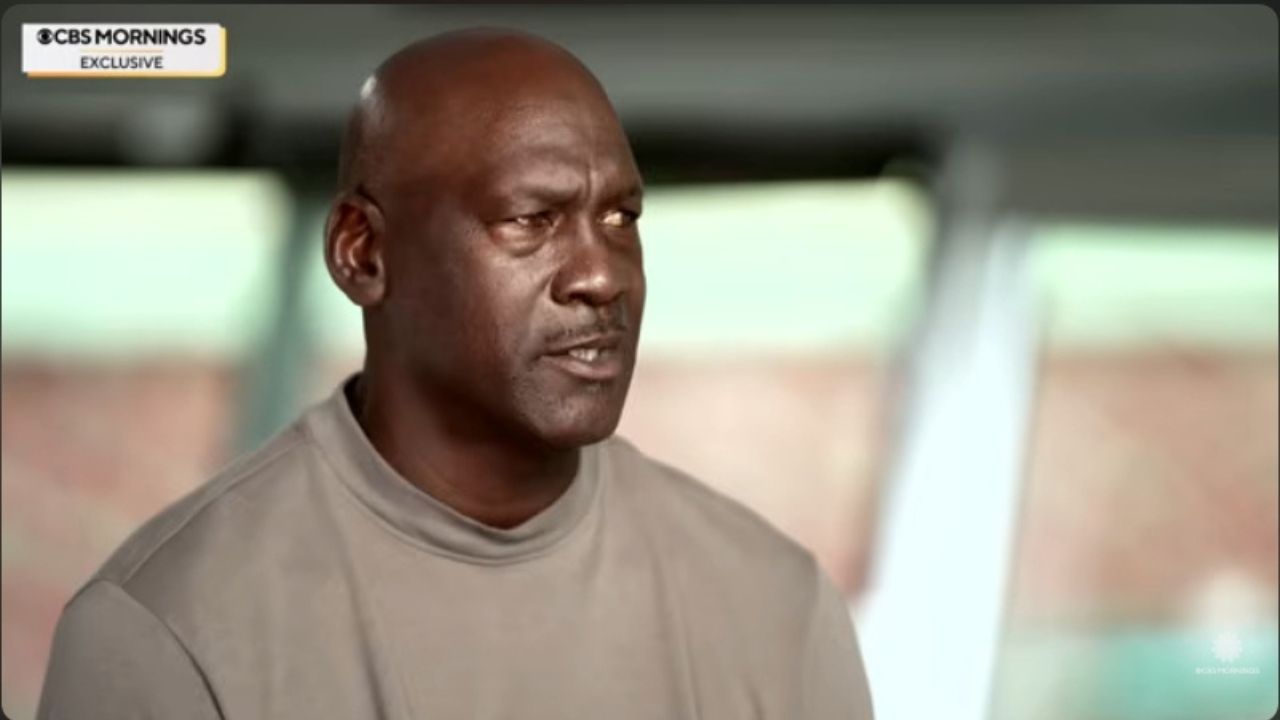
In a candid interview with CBS Mornings, Jordan openly acknowledged what many observers had already begun to suspect. His involvement in the lawsuit against NASCAR was not accidental or reactive. It was deliberate.
He confirmed that his intention was to challenge a system he believed was fundamentally flawed, particularly in how it treated the individuals who actually put on the show.
From Fan to Fighter
When Jordan first entered the NASCAR ecosystem as a team owner, he did so with admiration for the sport. He was not an outsider looking to tear things down. He was a lifelong fan who had supported NASCAR for years.
However, as he immersed himself in the operational and financial realities behind the scenes, he began to notice structural imbalances.
According to his remarks, while those at the top levels of the organization were doing well financially, the drivers, teams, and other key contributors were not receiving equitable compensation or recognition.
This realization marked a turning point. Initially, Jordan did not have the influence or authority to demand change. Like many newcomers, he needed time to understand the intricacies of the system. But once he gained that understanding, his competitive instincts took over.
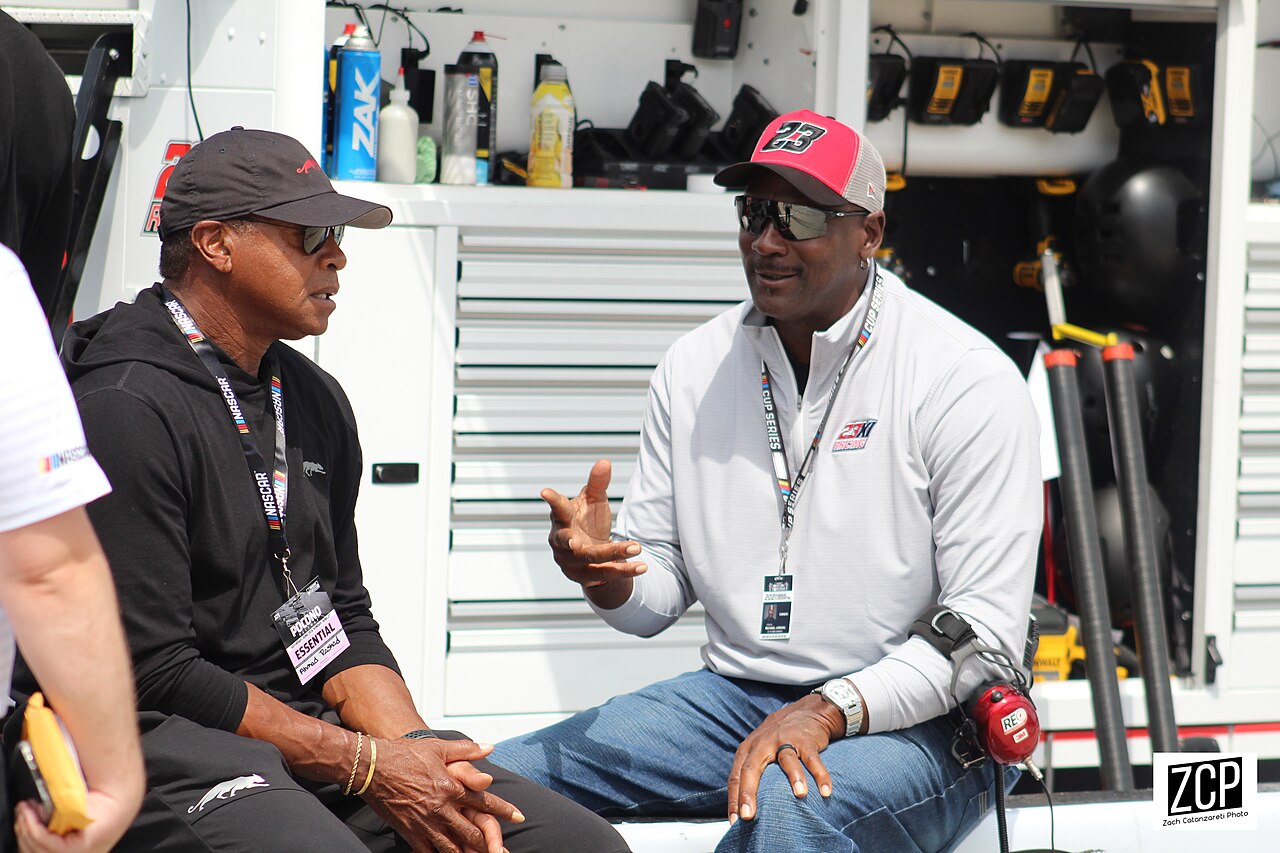
He described reaching a moment where inaction was no longer an option. Even if it meant risking his position within the sport, he felt compelled to act.
The lawsuit itself became a symbol of that conviction. Jordan made it clear that he was prepared for the consequences, including the possibility of losing both the case and his standing within NASCAR. Yet his objective extended beyond a courtroom victory. He wanted to spark awareness.
In his view, the existing model was not just imperfect but actively harmful to those who sustain the sport’s spectacle.
A Reluctant Witness, a Competitive Spirit
One of the most striking elements of this saga is Jordan’s willingness to personally testify. The idea of one of the most recognizable athletes in history taking the stand immediately captured public attention. For Jordan, however, it was not a comfortable decision.
He admitted to feeling genuine nervousness about being in a courtroom environment. Despite decades of performing under intense pressure on the basketball court, legal proceedings presented a different kind of challenge.

Still, his mindset remained consistent with the competitive drive that defined his career. Once the lawsuit became public and delays pushed it further into the spotlight, Jordan fully committed himself. He approached the case with the same determination that fueled his championships.
He emphasized that he would not have pursued legal action unless he believed strongly in the merits of the case. In his words, this was not speculation or a gamble. It was a calculated move grounded in confidence and evidence.
A Fight with Far-Reaching Implications
This unfolding conflict represents more than a dispute between a team owner and a governing body. It raises fundamental questions about how professional motorsports operate and who truly benefits from its success.
Jordan’s involvement has amplified those questions, drawing attention from fans, stakeholders, and the broader sports world.
As the case continues to develop, its impact could extend far beyond NASCAR. It may influence how other sports leagues address issues of equity, governance, and financial distribution. Whether Jordan ultimately wins or loses in court, his actions have already forced a conversation that the industry can no longer ignore.