Imagine not having to wait around an hour to charge your electric vehicle before heading to the supermarket for your weekly groceries. Instead, your car charges itself using solar energy and can generate more power than it actually consumes.
That is exactly what students at Clemson University have achieved. While major automakers spend millions of dollars and employ large engineering teams to develop more sustainable mobility solutions, the students have taken a different approach- building a vehicle that can generate much of its own energy rather than simply adding more batteries.
The students developed a lightweight electric vehicle called Deep Orange 17, nicknamed Luminetta, which is designed to harvest more energy from the sun than it consumes. Its solar panels can also continue generating electricity under partial shade, helping the vehicle make the most of available sunlight.
Through its master’s engineering program, Clemson University has demonstrated a potential path toward greater energy independence by handling the vehicle’s development from concept to completion. The project highlights an approach to solar-powered mobility that major automakers have yet to bring to the mass market at scale.
More Energy Than a Conventional EV
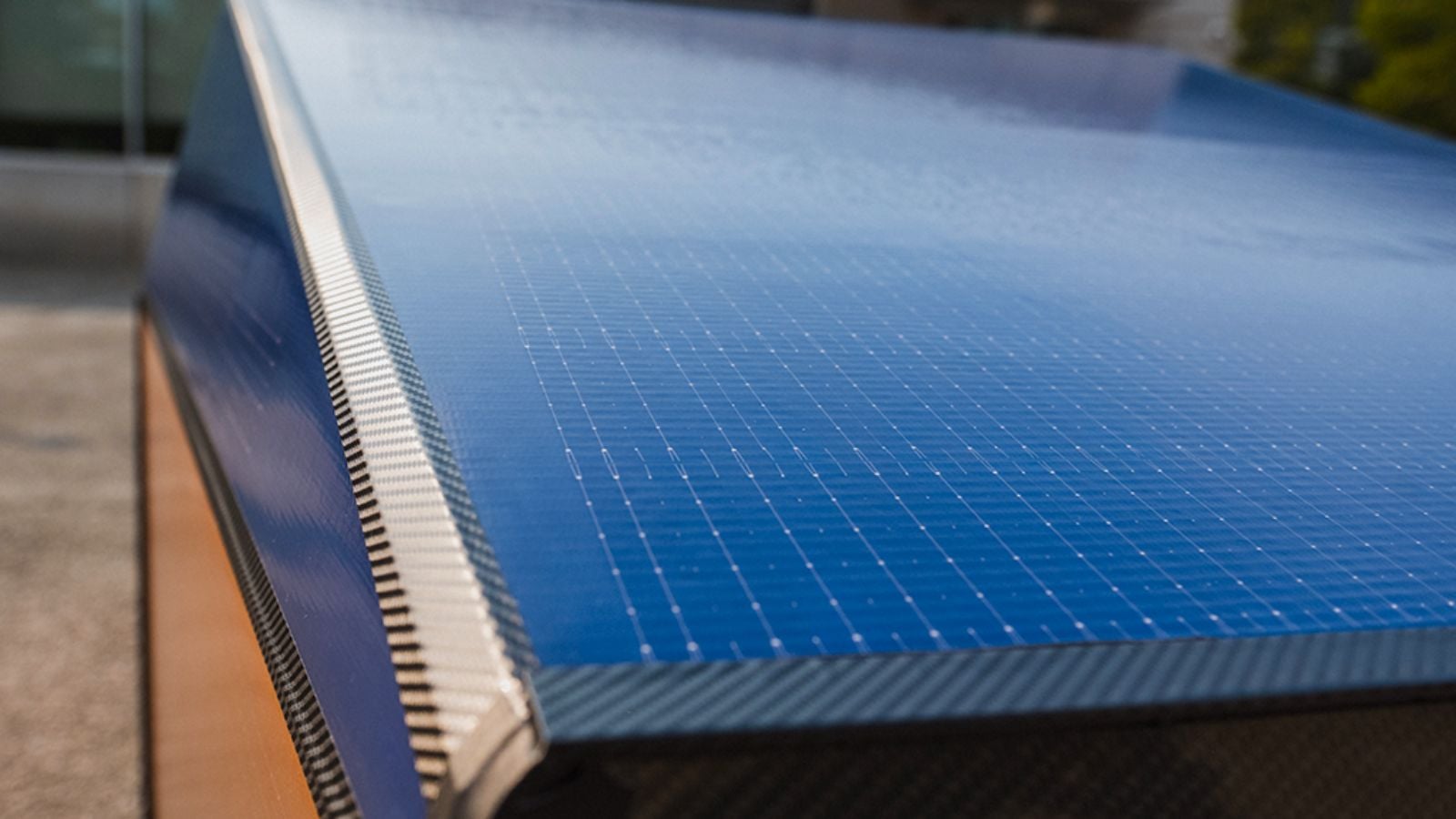
According to Clemson News, the Deep Orange 17 is designed to make use of the long periods when a vehicle is parked. The team noted that a typical commuter may drive for only about an hour each day while leaving the vehicle parked for 8 to 10 hours, providing an opportunity to generate energy even when it is not on the road.
Deep Orange 17 is designed around solar power as its main energy source rather than relying on it simply as a backup. More than 1,700 solar cells are built into the vehicle’s exterior, allowing it to collect sunlight both while driving and when parked.
Unlike systems used by some automakers that mainly use solar energy for secondary functions, Clemson’s engineering team has incorporated it into the vehicle’s core power strategy. The prototype also uses regenerative braking, intelligent torque management, and optimized drivetrain controls to minimize energy consumption.
BMW also supported the project by challenging Clemson University to develop a vehicle capable of producing more energy than it consumes. The result is a fully working, highly efficient prototype that explores a new approach to sustainable transportation.
A Lightweight Design Makes It More Energy-Efficient
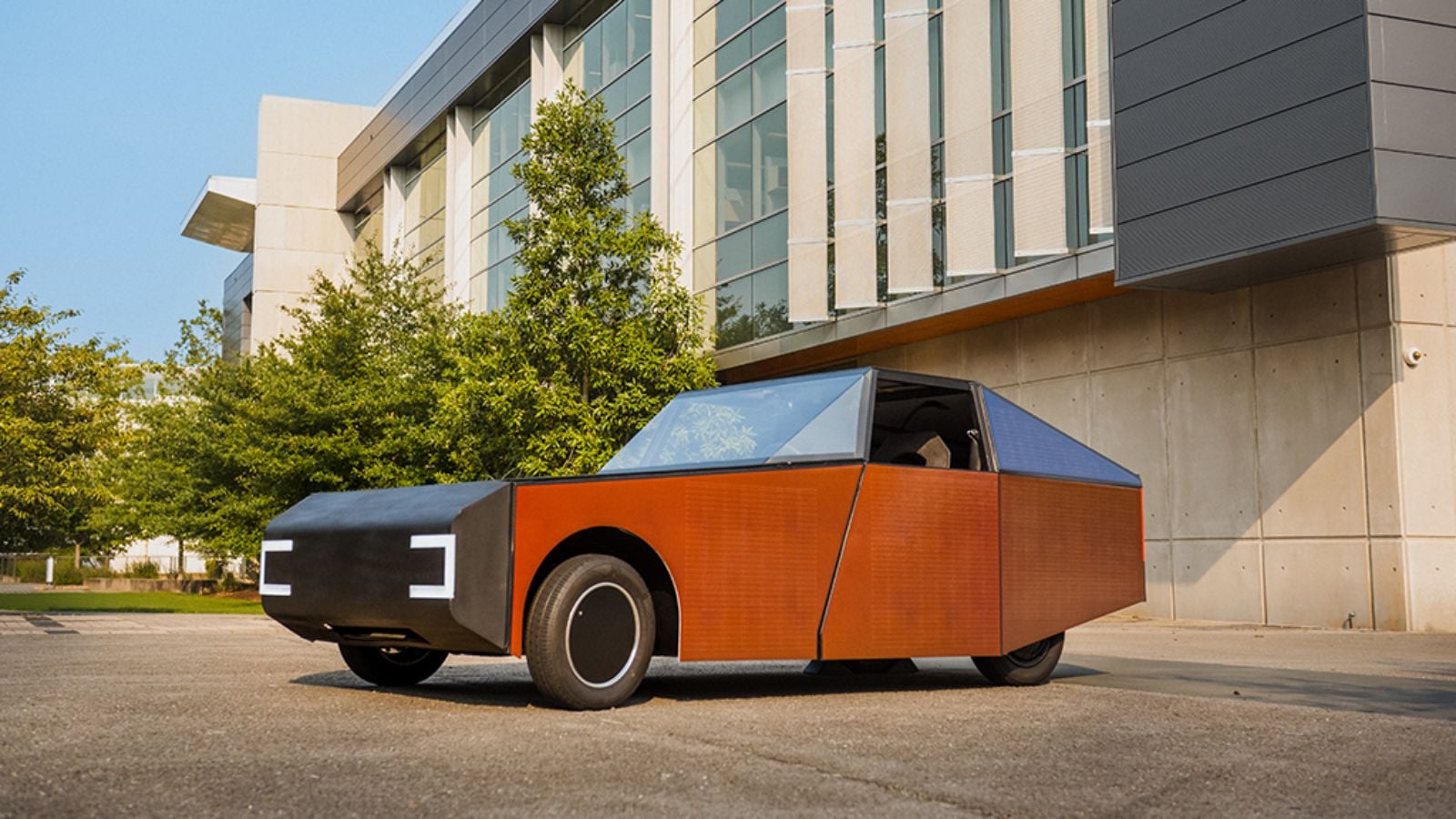
The project progressed beyond computer simulations, with students building physical prototypes before moving into the final vehicle assembly. The team built the chassis first, added the remaining components over several months, and then subjected the completed vehicle to extensive testing.
A major challenge that the project tackled was keeping the vehicle extremely light. At just 1,212 pounds (550 kilograms), Deep Orange 17 uses a lightweight chassis made from a mix of steel, aluminum, and carbon fiber, along with 3D-printed metal joints to reduce weight without compromising the vehicle’s structure.
Testing was conducted in simulated climates from around the world to evaluate the vehicle’s boxfish-inspired shape, which is designed to improve aerodynamic efficiency.
Simulations using conditions from cities including Greenville, Frankfurt, Madrid, and Mumbai found that a 12-mile daily commute could leave the vehicle with enough surplus solar energy to add an average of 31 miles of additional range.
The results suggest that combining a lightweight design with solar energy could significantly reduce the need for external charging in small electric vehicles.
The cabin of the Deep Orange 17 features a custom digital interface that displays live information about the vehicle while supporting everyday features such as Apple CarPlay and Android Auto.
While there is no guarantee that such a concept will go mainstream, it definitely points to a future where vehicles could generate more energy than they consume.
For now, Deep Orange 17 will remain at Clemson University’s automotive research center, where it will continue to undergo testing and development. The prototype is also expected to be showcased publicly at CES 2027 in Las Vegas.
The 16 students behind Deep Orange 17 graduated on August 7, earning Master of Science degrees in automotive engineering from Clemson University.