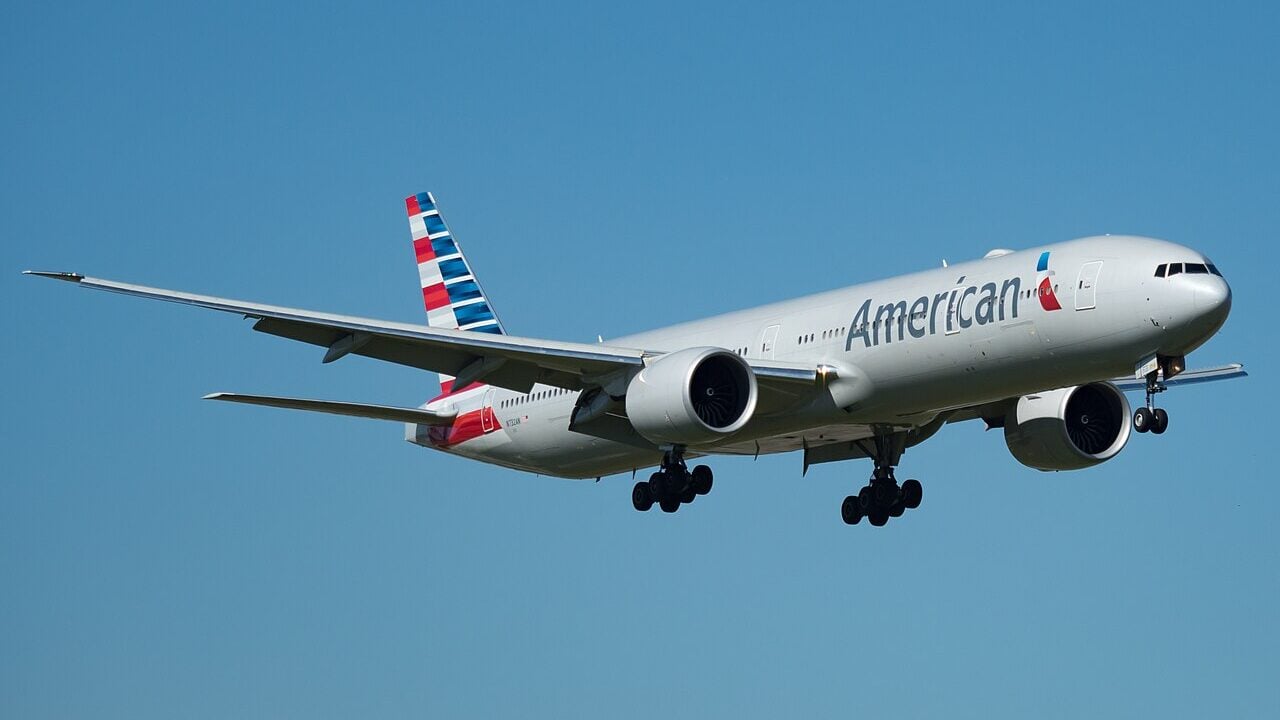

Passengers aboard American Airlines Flight AA120 signed up for a long haul from Philadelphia to the Middle East. What they got instead was a 16-hour journey to nowhere that traced a nervous arc across the Atlantic before circling back home.
The widebody jet had departed smoothly from Philadelphia just before 7:30 p.m., climbing out over the eastern seaboard and settling into the steady rhythm of an intercontinental crossing. The aircraft was scheduled to fly to Doha, Qatar, a major regional hub that connects travelers onward across the Middle East, including to destinations like Dubai.
Seven hours into the flight, as the aircraft cruised high above Spain near airspace west of Casablanca, the mood inside the cabin abruptly shifted.
According to passenger Aaqil Mujiburrahman, the captain’s voice cut through the calm with a stark announcement. A war had begun. United States strikes on Iran had triggered immediate airspace closures across parts of the Middle East. The aircraft would be turning around.
Watching the U-Turn From 35,000 Feet

On the moving map displayed on seatback screens, travelers could see the jet’s path bend sharply over the Mediterranean. Instead of pushing east toward the Persian Gulf, the plane pivoted west, retracing thousands of miles it had just flown.
For many on board, the realization settled in slowly. What had been a routine overnight crossing had turned into a front row seat to global geopolitics.
Mujiburrahman was traveling with his wife and young daughter on what was ultimately supposed to be a trip to Dubai. He later recalled that his child, blissfully unaware of the tension gripping the adults around her, was probably the calmest passenger on the flight.
While others whispered, scrolled through breaking news alerts, or stared silently at the seatback map, she simply carried on as children do, insulated from the magnitude of world events.
Fuel, Safety, and a 16-Hour Loop
The situation underscored the delicate calculations behind long haul aviation. Transatlantic flights are meticulously planned with fuel reserves that account for diversions and unexpected headwinds.
In this case, the crew determined the aircraft had sufficient fuel to safely return to Philadelphia rather than attempt an uncertain landing closer to the conflict zone. Mujiburrahman later said that was what mattered most. The aircraft had enough fuel to cross the ocean again and get everyone home safely.

By the time the jet’s wheels touched down back in Pennsylvania late Saturday morning, roughly 16 hours had passed since departure. The aircraft had completed a massive loop across the Atlantic, burning thousands of gallons of jet fuel without reaching its intended destination.
The diversion unfolded against a rapidly escalating backdrop. Following U.S. strikes targeting sites inside Iran, airspace across parts of the Middle East quickly tightened as aviation authorities and airlines reassessed safety risks.
When Geopolitics Grounds a Flight Path
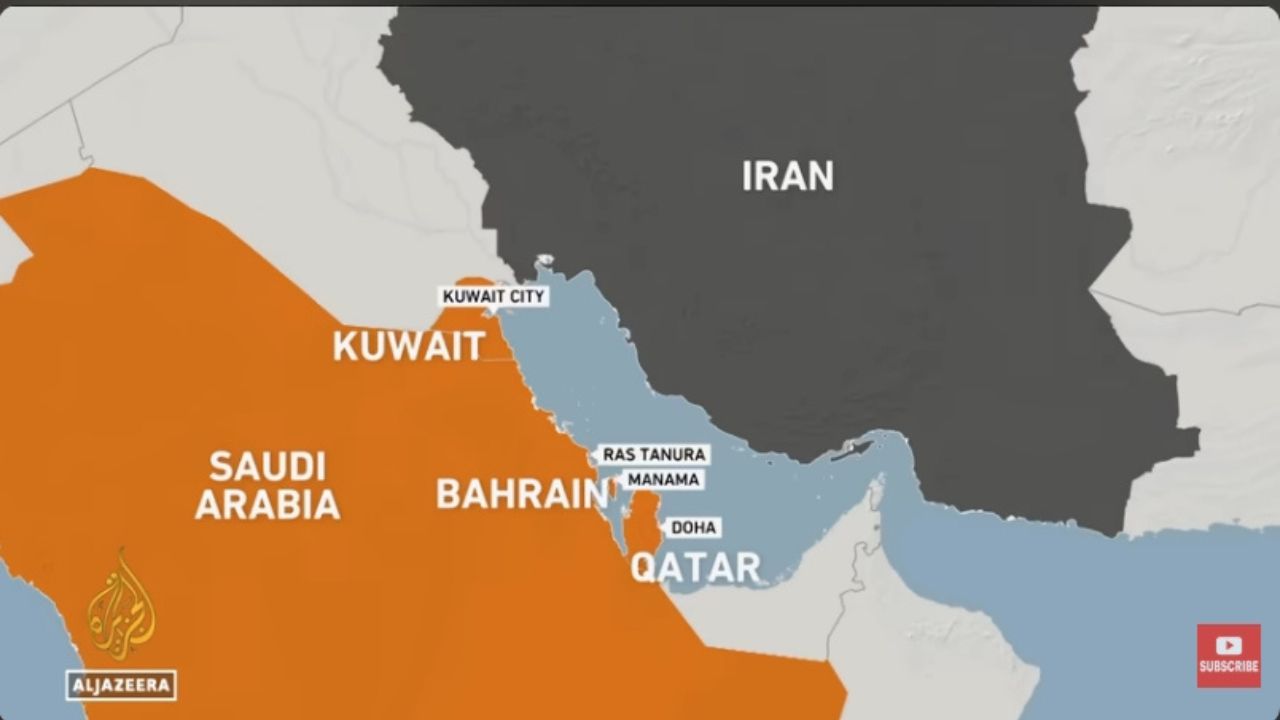
Airspace across parts of the Middle East tightened almost instantly. Commercial carriers scrambled to reroute flights, cancel departures, or hold aircraft on the ground. With missile exchanges and drone activity reported across the region, including incidents in the Gulf, the margin for risk evaporated.
The passengers on that plane got a front-seat demonstration of just how quickly global conflict can ripple through civilian travel networks. A flight path that looked routine on a dispatch screen hours earlier became untenable in real time.
Crews relied on military advisories, international aviation authorities, and their own operational control centers to make decisions that balanced safety, fuel, and rapidly evolving geopolitical conditions.
The experience must have felt surreal for travelers like Mujiburrahman. One moment they were halfway to the Middle East, the next they were heading back across the Atlantic, watching the same stretch of ocean glide beneath them twice in a single day.
No explosions were visible from 35,000 feet. No alarms sounded inside the cabin beyond the captain’s calm explanation. Yet the reality of war had reached them all the same.
Ultimately, Flight AA120 became a story of return, not arrival. A transoceanic detour written by forces far beyond the cockpit, proving once again that in aviation, the safest destination is sometimes the one you just left.
Sources: WPVI / 6ABC, Daily Mail