
Electric vehicles are surging in popularity across many parts of the United States, but adoption rates tell a fascinating story of regional differences. While some states have embraced battery-powered transportation with enthusiasm, others are taking a decidedly slower approach to the EV revolution.
The reasons behind these disparities are as varied as the landscapes themselves, ranging from limited charging infrastructure and extreme weather conditions to cultural preferences and political considerations. Understanding which states have the lowest EV adoption rates offers insight into the complex challenges facing widespread electric vehicle acceptance.
Here’s a look at the bottom states where EVs have been slowest to catch on, and what’s keeping drivers loyal to their gas-powered rides. BEVs per 1,000 people” is calculated using DOE/AFDC state BEV registrations (as of Dec. 31, 2023) divided by U.S. Census state population estimates, multiplied by 1,000.
Mississippi: ~1.1 BEVs per 1,000 people
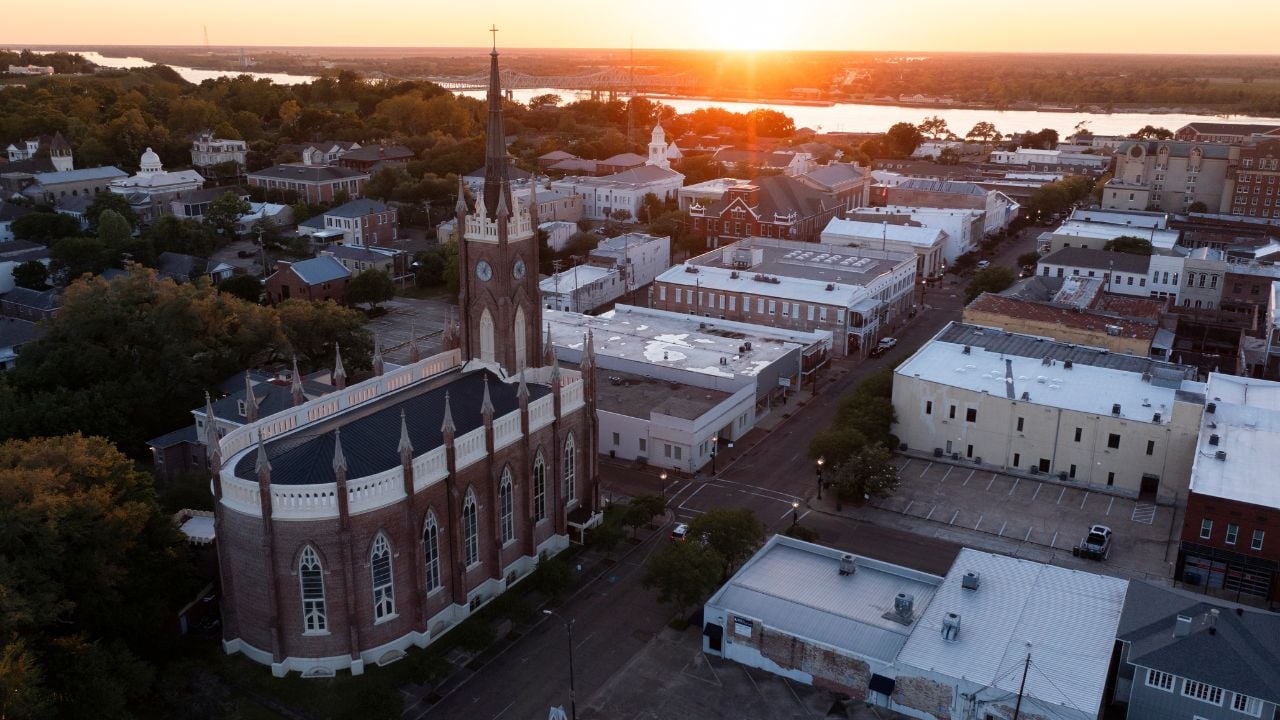
The Magnolia State holds the distinction of having the nation’s lowest EV adoption rate, and it’s not hard to understand why when you consider the landscape.
With vast rural stretches between towns and some of the longest average commute distances in the region, range anxiety becomes a real concern rather than just a talking point. Mississippi’s charging infrastructure remains in its early stages, with many counties having few or no public charging stations. The state’s hot, humid summers also present challenges for battery performance and efficiency.
For a state where pickup trucks reign supreme and practicality often trumps novelty, the traditional internal combustion engine continues to make the most sense for most drivers’ daily needs.
North Dakota: ~1.1–1.3 BEVs per 1,000 people

North Dakota’s brutal winters and sprawling geography create a perfect storm of challenges for electric vehicle adoption.
When temperatures regularly plunge well below zero, battery range can drop by 30-40%, turning a 250-mile range into something considerably less comforting on remote prairie highways. The state’s economy is heavily tied to oil production, which naturally influences both the political climate and consumer preferences toward traditional vehicles. Charging infrastructure is sparse outside of major cities like Fargo and Bismarck, making long-distance travel a genuine concern.
For North Dakotans who need vehicles that start reliably at minus twenty degrees and can handle whatever the elements throw at them, sticking with proven technology makes practical sense.
West Virginia: ~1.5–2.0 BEVs per 1,000 people

The Mountain State’s relationship with fossil fuels runs deep, from its coal mining heritage to its continued economic ties to energy production.
West Virginia’s challenging terrain of steep hills and winding mountain roads can be tough on EV range, especially when heating or air conditioning is running full blast. The state’s rural character means many residents live far from the nearest charging stations, and the upfront cost of EVs remains a significant barrier in a state with lower median incomes. Pickup trucks and SUVs dominate the roads here for good reason — they handle the terrain and serve the practical needs of residents who often need serious hauling and towing capability.
While some urban areas are beginning to see charging infrastructure develop, the state as a whole remains firmly in traditional vehicle territory.
Arkansas: ~2.0–2.5 BEVs per 1,000 people
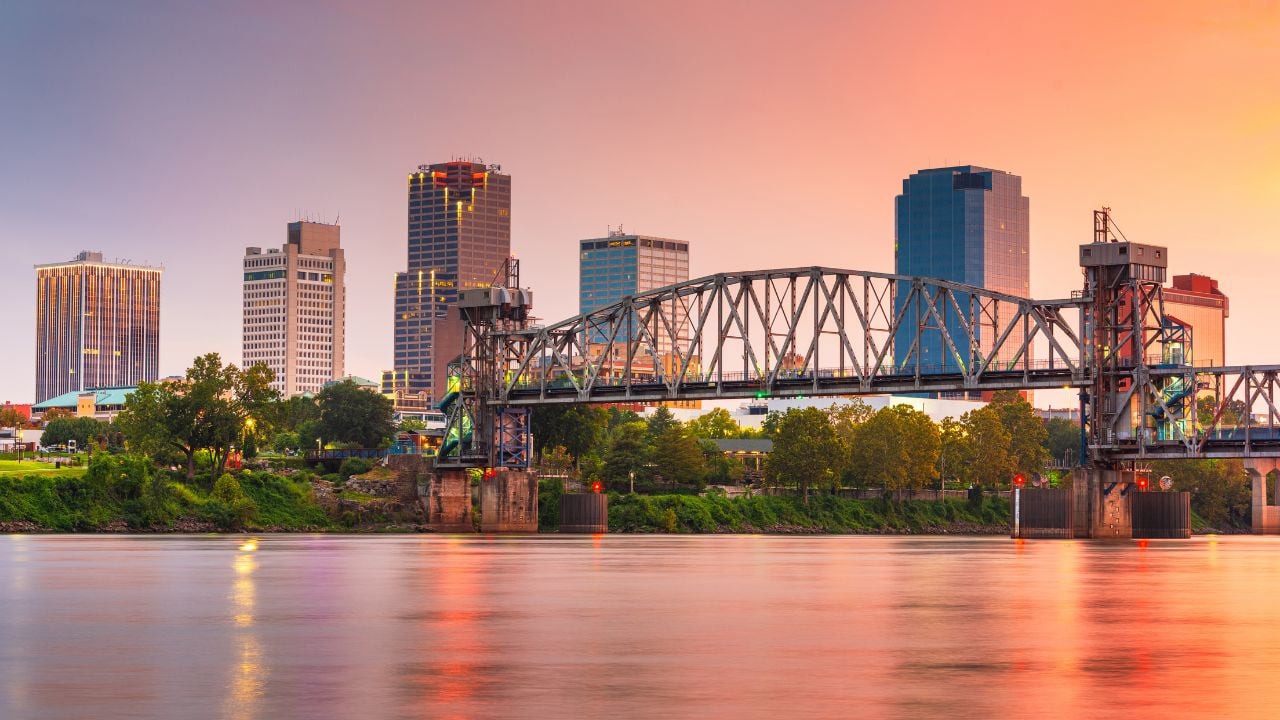
Arkansas drivers have been taking their time warming up to electric vehicles, and geography plays a significant role in that hesitation.
The Natural State’s mix of rural communities and small towns means many residents face long distances between destinations with limited charging options along the way. Hot, humid summers put extra demand on vehicle cooling systems, impacting range more than drivers in temperate climates might experience. The state’s strong truck culture, driven by both agricultural needs and outdoor recreation, hasn’t found many EV options that meet the towing and payload requirements locals actually need.
Cities like Little Rock and Fayetteville are seeing gradual infrastructure improvements, but the majority of the state remains better suited to conventional vehicles that can fill up at any of the numerous gas stations dotting the highways.
Louisiana: ~2.0–2.5 BEVs per 1,000 people

Louisiana’s unique challenges for EV adoption go beyond the obvious oil and gas industry influence that shapes the state’s economy and culture.
The state’s vulnerability to hurricanes and flooding creates legitimate concerns about vehicle evacuation capability — when you need to leave quickly with potentially hundreds of thousands of others on the road, waiting hours for a charge isn’t an option. The hot, humid climate taxes air conditioning systems, reducing range precisely when you need it most. Charging infrastructure outside of New Orleans and Baton Rouge remains limited, particularly in the rural areas and coastal communities where many residents live.
For a state where powerful trucks and SUVs serve both practical and cultural purposes, and where the energy sector provides countless jobs, traditional vehicles continue to dominate the roads by a wide margin.
Alabama: ~2.5 BEVs per 1,000 people

The Heart of Dixie has been slow to embrace electric vehicles despite being home to several automotive manufacturing plants.
Alabama’s sprawling rural areas and long distances between cities make range a practical concern, especially with charging stations concentrated mainly in urban corridors. The state’s hot summers mean air conditioning runs constantly, taking a noticeable bite out of driving range. There’s also a strong truck culture here that serves real purposes — from hauling boats to the abundant lakes and rivers to supporting the state’s agricultural sector.
Much of the state lacks the convenient access to fast charging that would make EV ownership practical for the average driver’s needs and daily routines. Some cities, however, like Birmingham and Huntsville, are seeing some gradual infrastructure growth.
South Dakota: ~2.5–3.0 BEVs per 1,000 people

South Dakota’s wide-open spaces and extreme temperature swings present real challenges for electric vehicle adoption.
When winter temperatures regularly drop below zero and summer heat soars, battery performance varies significantly from the ideal conditions where range estimates are calculated. The state’s rural character means many residents drive considerable distances for work, shopping, and services, often with no charging infrastructure along their routes. Mount Rushmore State drivers need vehicles they can count on in all conditions, and for many, that means sticking with the proven reliability of internal combustion engines.
While Sioux Falls and Rapid City are beginning to see more charging options, the vast majority of the state remains better suited to vehicles that can refuel quickly at the many gas stations that dot even the most remote highways.
Wyoming: ~2.5–3.0 BEVs per 1,000 people

Wyoming’s combination of extreme weather, vast distances, and sparse population creates perhaps the most challenging environment for EV adoption in the continental United States.
The Cowboy State’s brutal winters can see temperatures plummet to dangerous levels, severely impacting battery performance when you need your vehicle most. With an average of just six people per square mile, charging infrastructure is understandably sparse, and some destinations are genuinely remote enough to challenge even the longest-range EVs. Wyoming’s economy is deeply connected to energy production, particularly coal, oil, and natural gas, which influences both politics and consumer preferences.
For residents who might drive an hour just to reach the nearest grocery store, often in severe weather conditions, traditional vehicles offer the reliability and range that electric alternatives haven’t yet matched.
Kentucky: ~3.0 BEVs per 1,000 people
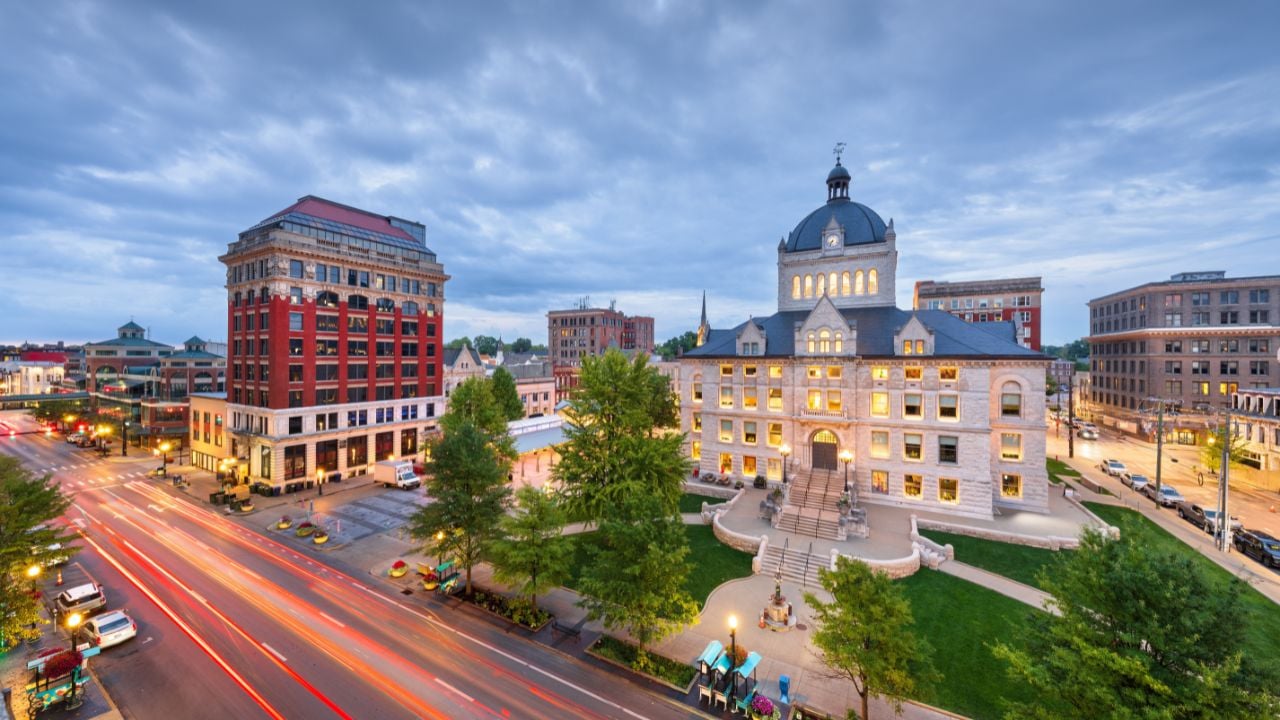
The Bluegrass State’s slower EV adoption reflects a combination of practical and cultural factors that keep residents committed to conventional vehicles.
Kentucky’s economy has strong ties to both coal production and automotive manufacturing of traditional vehicles, creating a natural preference for internal combustion technology. The state’s mix of rolling hills and rural communities means many drivers face longer commutes with limited charging infrastructure outside of Louisville and Lexington. Pickup trucks are enormously popular here, serving genuine needs from farm work to hauling horse trailers, and the EV truck market is only beginning to offer options.
While the state is seeing gradual infrastructure development along major corridors, most Kentuckians still find that traditional vehicles better serve their transportation needs and budget constraints.
Conclusion
The states with the lowest EV adoption rates share common challenges that extend far beyond simple resistance to new technology. Infrastructure gaps, extreme weather conditions, rural geography, and economic ties to traditional energy sectors all play legitimate roles in shaping consumer choices.
These regional differences highlight an important reality — the transition to electric vehicles isn’t one-size-fits-all, and what works in California or Washington may not translate directly to Mississippi or Wyoming.
As charging networks expand, battery technology improves for extreme conditions, and more diverse EV options enter the market, these adoption gaps may narrow, but the unique needs and circumstances of each state will likely continue to influence the pace of change for years to come.