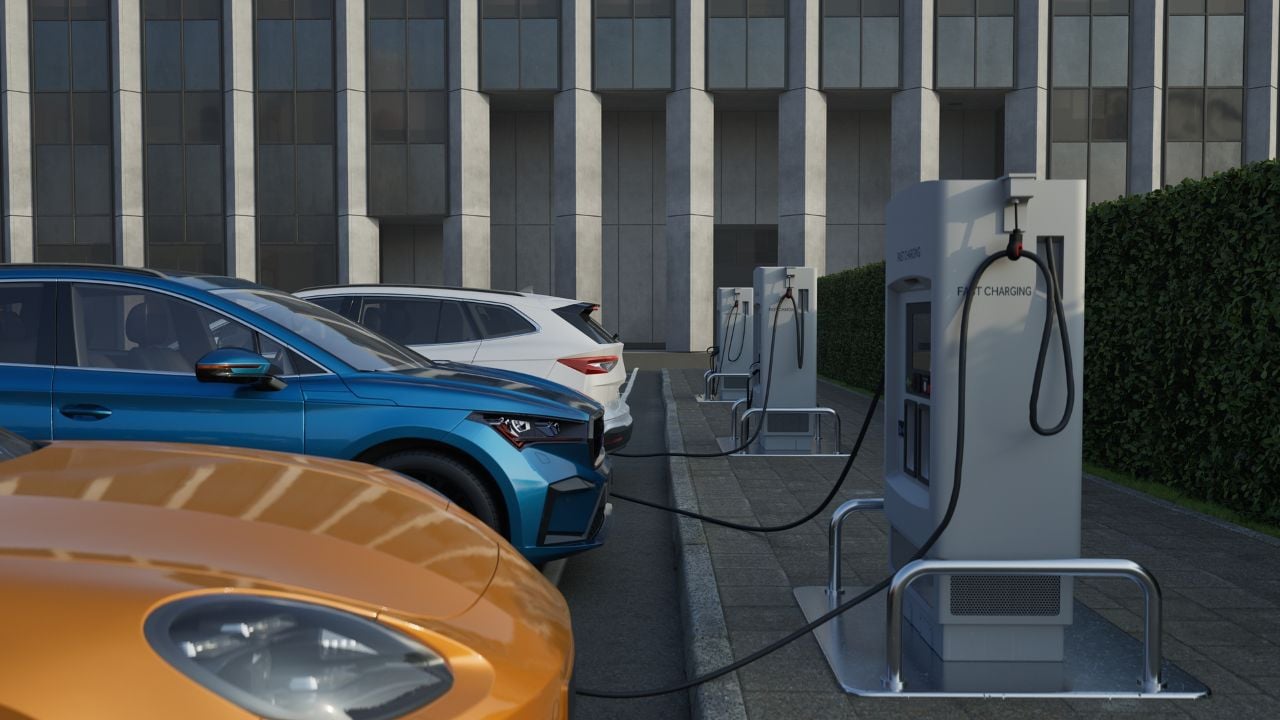
If you’ve been keeping an eye on the EV revolution, you know the landscape is changing faster than a Tesla in Ludicrous Mode. As of August 1, 2025, the United States had 75,166 public EV charging station locations and 223,634 public charging ports.
But here’s the thing: not all states are created equal when it comes to charging infrastructure. Some states are rolling out the red carpet for EV owners with charging stations on every corner, while others are still figuring out the whole electric vehicle thing.
Whether you’re planning a cross-country road trip in your new electric ride or just curious about where the charging game is strongest, let’s break down which states are leading the charge and what makes them stand out.
1. California

California is doing more than just leading the pack, it’s lapping everyone else multiple times. With 18,066 public charging station locations and 58,388 public charging ports as of August 1, 2025, the Golden State accounts for roughly 24% of public charging station locations and about 26% of public charging ports in the United States.
That’s more than three times what the second-place state offers, which tells you everything about California’s commitment to the EV lifestyle. With about 1,256,600 EVs registered in the state as of December 31, 2023, California had to build this infrastructure or face some serious gridlock at the few chargers that existed. Cities like Los Angeles, San Diego, and San Francisco are particularly well-equipped, and you’ll find everything from basic Level 2 chargers at grocery stores to high-speed DC fast chargers along major highways.
The state’s ambitious environmental policies and early adoption culture have created an EV ecosystem that’s tough to beat anywhere else in America.
2. New York

The Empire State takes the silver medal with 4,943 public charging station locations and 17,921 public charging ports, making it a solid runner-up in the charging infrastructure race. New York’s approach has been smart and strategic, focusing heavily on the New York City metro area where population density makes charging stations highly efficient investments.
But don’t think it’s all about the Big Apple: upstate New York has been steadily adding stations along major corridors like I-87 and I-90 to support longer trips across this surprisingly large state. With strong state incentives for both EV purchases and charging infrastructure installation, New York has positioned itself as the East Coast hub for electric vehicles. New York has adopted the Advanced Clean Cars II rule, which requires 100% of new light duty vehicle sales to be zero emission by 2035, so this infrastructure is only going to get better, making range anxiety a thing of the past for New Yorkers.
Whether you’re zipping around Manhattan or heading to the Adirondacks, you’ll find plenty of places to juice up your ride.
3. Florida

Welcome to the Sunshine State, where solar power and electric vehicles seem like a match made in heaven. Florida ranks third nationally with 3,882 public charging station locations and 12,563 public charging ports as of August 1, 2025, and the state’s aggressive expansion means those numbers are climbing fast.
What makes Florida particularly interesting is its geography: this is a long state with major cities spread out from Pensacola to Key West, requiring a robust network of charging stations along I-95, I-75, and the Florida Turnpike. With about 254,900 EVs registered in the state as of December 31, 2023, Florida’s infrastructure has been keeping pace with demand remarkably well. Tourism plays a huge role here too, as millions of visitors rent EVs or bring their own electric vehicles to explore everything from theme parks to beaches. The state has been smart about placing DC fast chargers at travel plazas and popular destinations, making it genuinely feasible to road trip the entire state in an EV.
Florida’s warm climate also means batteries perform optimally year-round, which is a nice bonus when you’re calculating your range.
4. Texas

Everything’s bigger in Texas, including its EV charging ambitions. With 3,882 public charging station locations and 11,461 public charging ports as of August 1, 2025, Texas is proving that even truck-loving, oil-producing states can embrace the electric future.
The Lone Star State has the fourth-most charging ports in the nation, and considering its massive geographic size, that infrastructure is spread across some serious territory. Texas is home to about 230,100 registered EVs as of December 31, 2023, and the state is slated to receive about $407.8 million in NEVI Formula Program funding for fiscal years 2022 through 2026, the largest state total. Major cities like Austin, Houston, Dallas, and San Antonio have robust charging networks, while initiatives are underway to connect these metros with reliable fast-charging corridors. The state’s combination of tech-forward cities, growing environmental consciousness, and good old Texas-sized ambition is creating an EV landscape that’s more impressive than many coastal states.
Plus, with companies like Tesla having major operations in Texas, the local pride factor is definitely kicking in.
5. Massachusetts

Don’t let its small size fool you: Massachusetts punches way above its weight class with 3,881 public charging station locations and 9,721 public charging ports packed into just over 10,000 square miles as of August 1, 2025. The Bay State has made substantial investments in EV infrastructure, with 9,721 public charging ports as of August 1, 2025, showing just how dense the charging network has become.
What’s really impressive is the chargers-per-capita ratio, where Massachusetts consistently ranks in the top five nationally. The state’s progressive environmental policies, high concentration of tech workers, and well-educated population have created the perfect storm for EV adoption. Boston and Cambridge are particularly well-served, but even smaller cities like Worcester and Springfield have seen significant charging infrastructure buildout. Massachusetts has also been smart about workplace charging, with numerous incentive programs encouraging businesses to install chargers for employees.
The state’s relatively compact size means you’re never too far from a charger (perfect for a road trip), and the comprehensive network makes owning an EV here about as hassle-free as it gets anywhere in America.
6. Washington

The Evergreen State lives up to its environmental reputation with 2,662 public charging station locations and 7,335 public charging ports strategically placed throughout the state as of August 1, 2025. Washington has been particularly forward-thinking with its West Coast Electric Highway initiative, which coordinates with Oregon and California to create seamless charging corridors along I-5 and other major routes.
Seattle leads the charge (pun absolutely intended) with one of the highest concentrations of EV adoption in the country, while smaller cities like Spokane and Bellingham have also built out impressive local networks. Washington’s combination of environmentally conscious residents, abundant renewable energy from hydroelectric power, and tech industry presence has created fertile ground for EV infrastructure. The state offers excellent workplace charging programs and has been aggressive about adding fast chargers along mountain passes and rural corridors, crucial for a state where outdoor recreation means venturing beyond urban centers.
If you’re driving an EV in the Pacific Northwest, Washington makes it remarkably easy to explore everything from coastal beaches to mountain trails without sweating your battery percentage.
7. Colorado
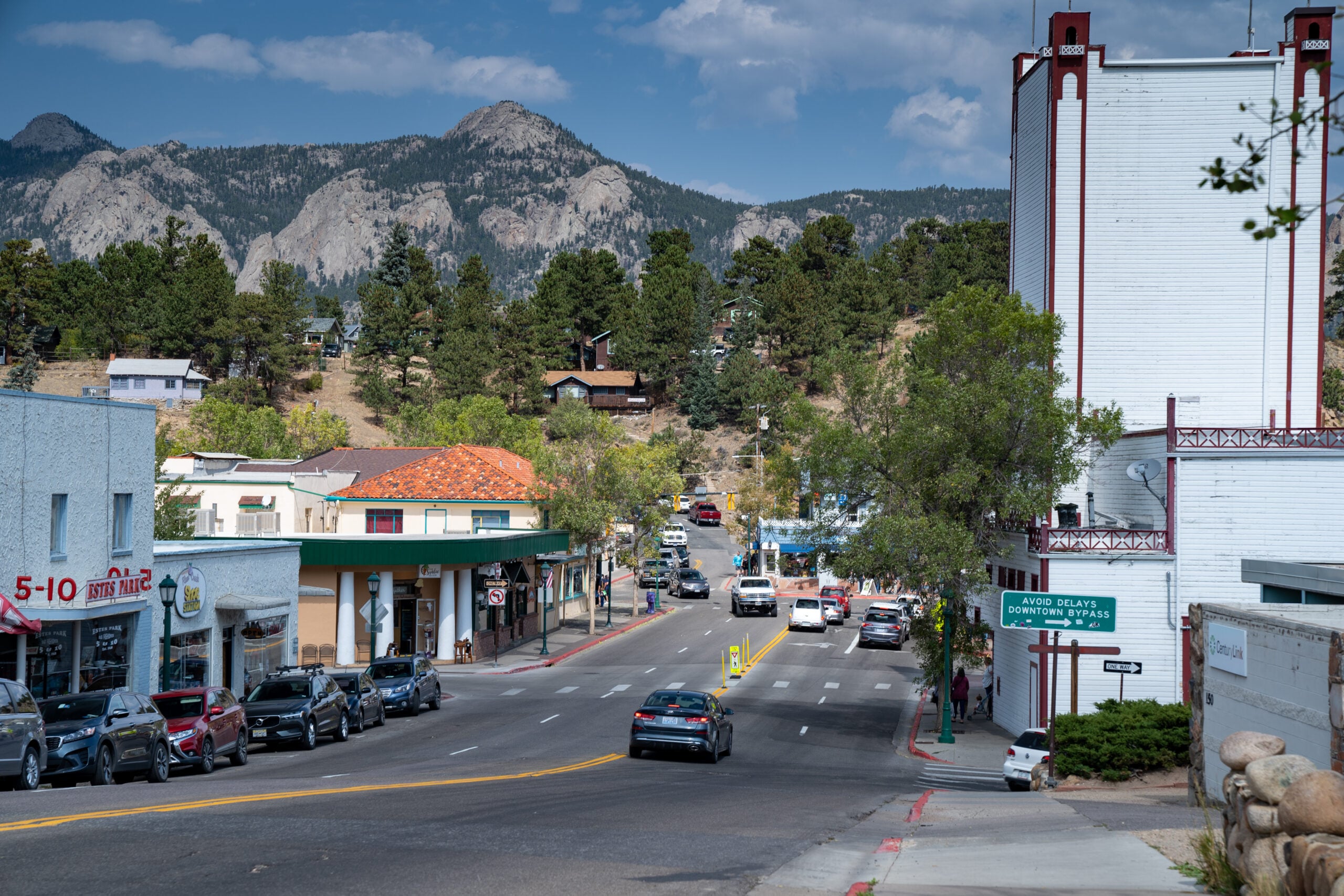
The Centennial State has emerged as a mountain region EV powerhouse with 2,548 public charging station locations and 6,508 public charging ports spread across its diverse terrain as of August 1, 2025. What makes Colorado particularly impressive is that it’s managed to build substantial infrastructure despite challenging geography: mountains, high altitude, and extreme weather conditions all complicate EV charging logistics.
The Denver metro area naturally has the highest concentration of stations, but Colorado has done admirable work placing chargers along I-70 toward the ski resorts and along other mountain corridors. With over 90,000 EVs registered as of 2023 (a number that’s only grown), the state has kept pace with rapidly increasing demand. Colorado is expected to receive about $57 million over the next five years through the NEVI Formula Program. The state’s outdoor recreation culture means EV owners want to venture into the backcountry, and Colorado has responded by making sure you can actually get to those trailheads without range anxiety.
It’s a smart balance of urban convenience and adventure-ready infrastructure.
8. New Jersey

The Garden State might be small, but it’s got big EV ambitions with 1,629 public charging station locations and 5,082 public charging ports as of August 1, 2025, an impressive density for a state you can drive across in less than three hours. New Jersey’s strategic position between New York and Philadelphia makes it crucial for corridor charging, and the state has capitalized on this with charging stations at rest stops, shopping centers, and business districts throughout its 8,700 square miles.
The state’s high population density means each charging station serves a lot of potential customers, making the economics of charging infrastructure particularly favorable here. New Jersey has also implemented workplace charging incentives and robust rebate programs that have accelerated both EV adoption and charging buildout. Whether you’re commuting to Manhattan from the suburbs or heading down the shore for the weekend, you’ll find charging options readily available.
The state’s commitment to sustainable transportation has made it a Northeast leader in EV infrastructure, proving that you don’t need California’s size to create a comprehensive charging network.
9. Georgia

The Peach State has been quietly building one of the Southeast’s most impressive EV charging networks with 2,207 public charging station locations and 6,299 public charging ports as of August 1, 2025. Atlanta’s emergence as a tech and business hub has driven much of this infrastructure development, with the metro area accounting for a significant portion of the state’s charging locations.
But Georgia hasn’t neglected its highways, I-75, I-85, and I-20 all have solid fast-charging coverage, making it feasible to traverse the state in an EV without careful route planning. Georgia ranks among the top states for DC fast chargers, showing a commitment to the kind of high-speed charging that makes EV ownership practical for daily drivers and road trippers alike. The state has also been active on EV taxation, including annual EV licensing fees and a per kilowatt hour tax on public EV charging, with implementation timing adjusted by later legislation. With manufacturing investments from companies like Hyundai building EV plants in Georgia, the state’s charging infrastructure is positioned to keep growing alongside local EV production.
It’s proof that the EV revolution isn’t just a coastal phenomenon.
10. Pennsylvania

The Keystone State rounds out the top ten with 1,963 public charging station locations and 5,327 public charging ports as of August 1, 2025, distributed across its industrial cities and rural landscapes. Pennsylvania’s infrastructure challenge is particularly interesting, it’s a large state with major metros like Philadelphia and Pittsburgh on opposite ends, plus vast stretches of Appalachian terrain in between.
The state has tackled this with strategic placement of DC fast chargers along I-76 (the Pennsylvania Turnpike), I-80, and I-95, ensuring cross-state travel is viable. Philadelphia’s urban charging network is particularly robust, while Pittsburgh has leveraged its tech renaissance to build out comprehensive coverage. Pennsylvania’s mix of old industrial heritage and new technology adoption creates an interesting EV landscape where you’ll find charging stations at everything from historic rest stops to modern tech campuses.
The state’s position as a crucial link between the Midwest and East Coast makes its charging infrastructure nationally important, and the state has worked to support through travel on major routes
11. Maryland
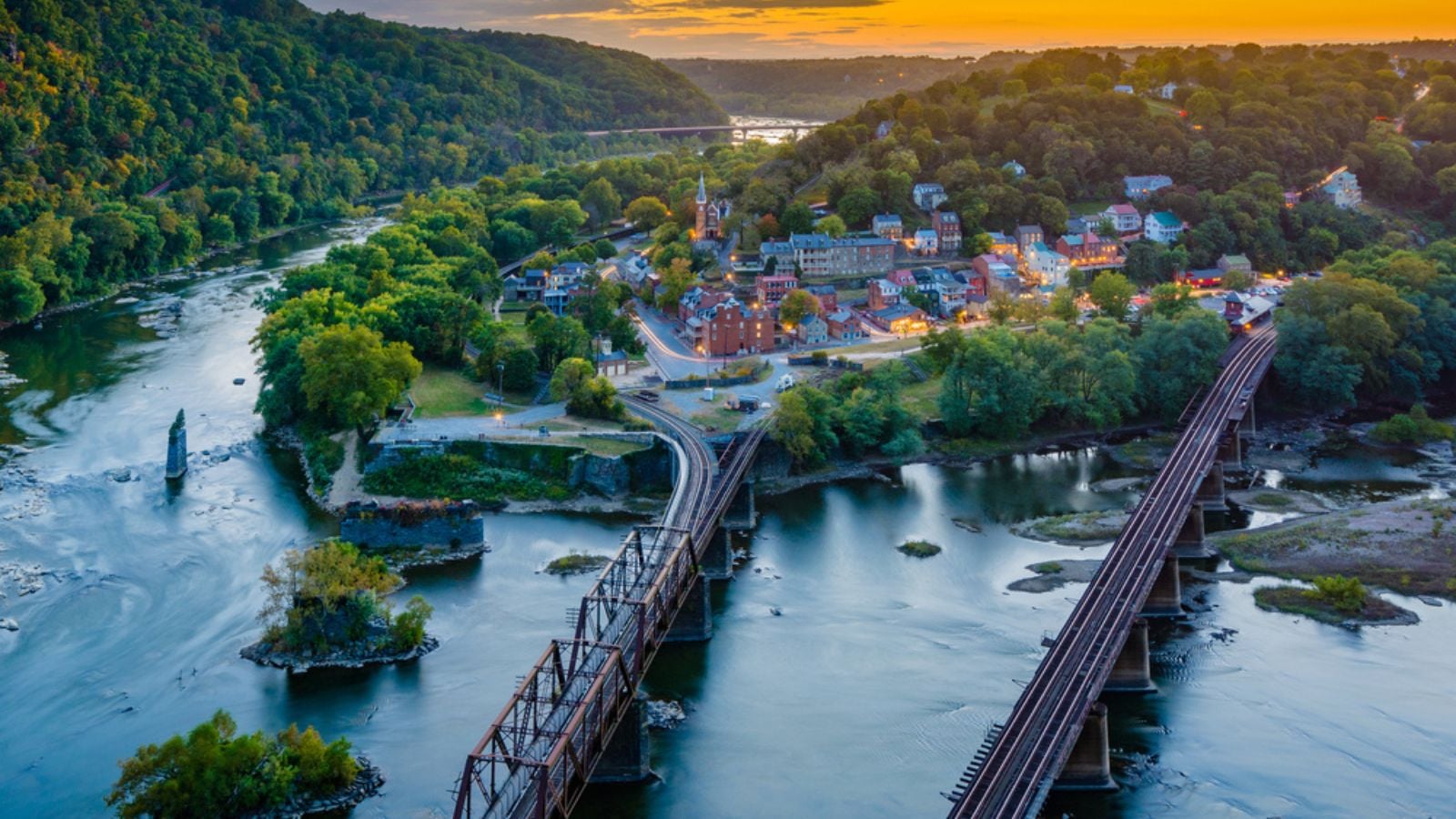
Maryland brings 1,652 public charging station locations and 5,182 public charging ports to the table as of August 1, 2025, with particularly impressive density given its relatively small geographic footprint. The state’s position in the busy Northeast Corridor means it serves as a critical link for EV travelers between Virginia and New Jersey, and Maryland has built infrastructure accordingly.
The Baltimore-Washington metro area naturally has the highest concentration of charging stations, but Maryland has also done well with coverage along I-95, I-70, and around Annapolis and the Eastern Shore. The state’s compact geography and corridor travel patterns make it easier for Maryland residents to reach public charging compared to many larger states. Maryland has implemented aggressive clean energy policies and EV incentive programs that have accelerated both vehicle adoption and charging infrastructure development. Whether you’re a DC commuter, a Baltimore resident, or a traveler passing through on I-95, you’ll find Maryland’s charging network surprisingly comprehensive for its size.
It’s another example of how smart policy and strategic infrastructure investment can create an EV-friendly environment regardless of state size.
12. Virginia

Rounding out our list, Virginia has 1,810 public charging station locations and 5,247 public charging ports as of August 1, 2025, distributed across its diverse geography from tidewater to mountains. The state’s infrastructure is particularly strong in Northern Virginia, where proximity to DC and a highly educated, affluent population has driven EV adoption rates higher.
But Virginia has also invested in charging along I-81 through the Shenandoah Valley, I-64 toward the coast, and I-95 through the central corridor. With strong representation in DC fast charging along key corridors, Virginia has prioritized the kind of quick-charging infrastructure that makes EV ownership practical for more than just local commuting. The state has pursued multiple EV policy approaches aimed at balancing adoption with transportation funding needs. Virginia’s combination of urban charging in places like Arlington and Richmond, plus strategic highway coverage, creates a network that serves both daily drivers and travelers.
It’s a solid infrastructure that positions Virginia as a Southeast leader in EV readiness.
Conclusion

The EV charging landscape across America tells a fascinating story about technology adoption, state policy, and infrastructure investment. While California’s dominance is undeniable, states like New York, Florida, Texas, and Massachusetts prove that building world-class charging infrastructure is achievable regardless of geography or political leanings.
The common thread among these top performers is commitment, whether it’s policy incentives, private investment encouragement, or strategic NEVI program funding deployment, these states have made EV infrastructure a priority. As we look toward 2030, the U.S. will need millions more charging ports to support continued EV growth, and the states leading today are building the blueprint for tomorrow’s charging networks.
Whether you’re an EV owner now or considering making the switch, understanding the charging landscape helps you make informed decisions about where to live, work, and travel with your electric vehicle