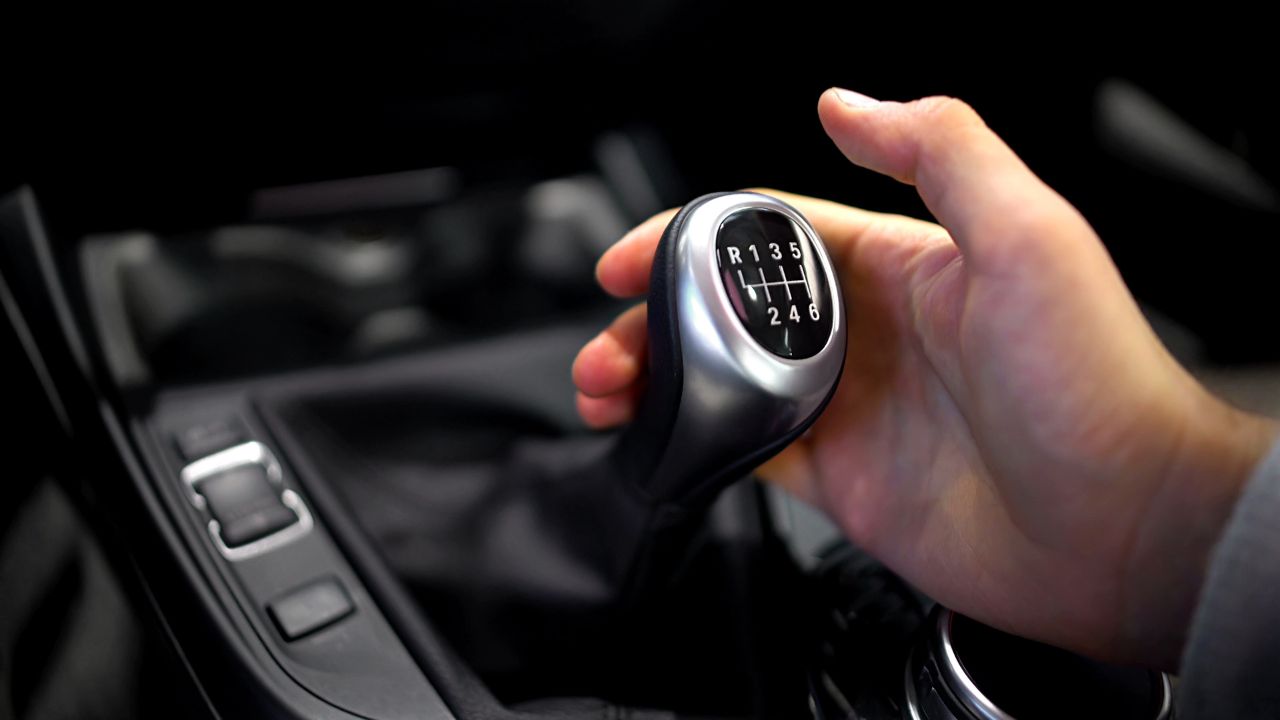
Your car is probably one of the biggest investments you’ll make, and it deserves better than the daily abuse we unknowingly dish out. We’re not talking about obvious neglect like ignoring the check engine light for six months or treating your oil change schedule as a suggestion.
The real damage often comes from those little habits that seem harmless but quietly chip away at your vehicle’s lifespan. Think of it like eating fast food every single day — one burger won’t hurt you, but make it a routine and your body will eventually send you a bill.
Your car works the same way, and some of these everyday mistakes might surprise you.
Riding the Clutch in Manual Transmission Cars
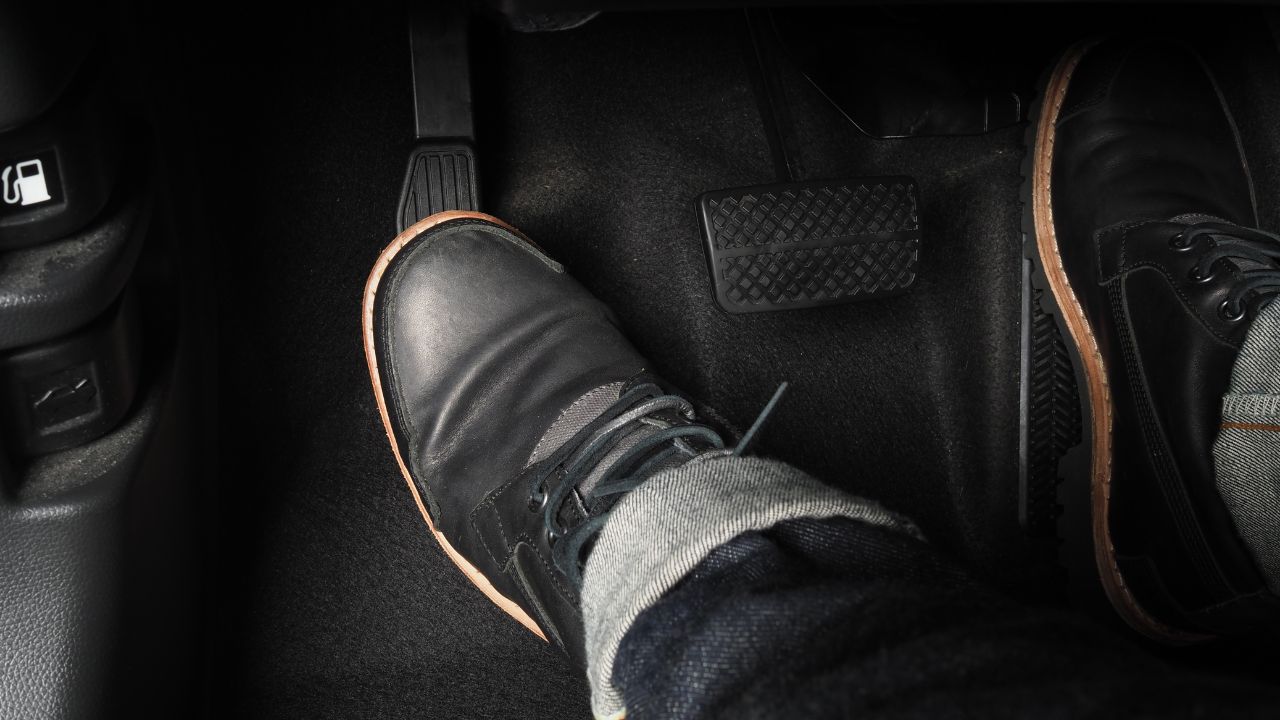
If you drive a manual, you might be guilty of resting your foot on the clutch pedal while cruising down the highway. It feels natural, almost comfortable, but that gentle pressure is actually engaging the clutch just enough to create friction and heat.
The clutch is designed to either be fully engaged or fully disengaged, and riding that middle ground wears down the friction material on the clutch disc faster than a tire on a burnout. Over time, you’re looking at a clutch replacement that can run anywhere from $500 to $2,500 depending on your vehicle.
Keep your left foot flat on the floor when you’re not actively shifting, and your clutch will thank you with thousands of extra miles.
Ignoring Your Parking Brake

Most drivers only use their parking brake when they’re on a steep hill, but it’s actually meant to be used every single time you park. When you leave your car in “Park” on an automatic transmission, you’re relying on a small metal pin called a parking pawl to hold several thousand pounds in place.
This puts unnecessary stress on your transmission, especially on inclines where gravity is working against you. Using your parking brake takes the load off that pawl and helps prevent transmission wear over time. Plus, if you don’t use your parking brake regularly, the cables can seize up from corrosion and become useless when you actually need them.
Make it part of your routine: park, engage the brake, then shift into Park.
Filling Up When the Low Fuel Light Comes On

Running your tank down to empty might save you an extra trip to the gas station, but it’s doing a number on your fuel pump. Modern fuel pumps are actually submerged in gasoline inside the tank, which helps keep them cool during operation.
When you constantly run on fumes, the pump has to work harder and runs hotter without that cooling effect, potentially shortening its lifespan by years. Sediment and debris that naturally settle at the bottom of your tank can also get sucked up into the fuel system when levels are low. A fuel pump replacement typically costs between $400 and $800, so keeping your tank above a quarter full is cheap insurance.
Think of it as giving your fuel pump a nice, cool bath instead of making it run a marathon in the desert.
Using Cheap or Wrong Fuel

Your owner’s manual specifies the octane rating your engine needs for a reason, and it’s not just a suggestion from the manufacturer’s marketing department.
If your car requires premium fuel (91 octane or higher) and you’ve been filling it with regular (87 octane) to save a few bucks, you’re risking engine knock and potential long-term damage to pistons and valves. On the flip side, putting premium in a car designed for regular doesn’t give you extra performance—it just gives you less money in your wallet. The octane rating measures fuel’s resistance to pre-ignition, and engines are calibrated specifically for certain levels. Modern engines have knock sensors that can adjust timing to compensate, but constantly forcing your engine to work around the wrong fuel creates unnecessary stress.
Spend the extra 30 cents per gallon if your car needs it, or save the money if it doesn’t.
Shifting Into Park Before Coming to a Complete Stop

We’ve all done it in a rush — starting to shift into Park while the car is still rolling forward at 1 or 2 mph. Those few inches feel insignificant, but your transmission doesn’t see it that way.
When you shift into Park while moving, you’re forcing that parking pawl we mentioned earlier to catch and stop a moving vehicle, which can damage the pawl and the gear it engages with. The grinding or clunking sound you might hear is metal-on-metal contact that creates wear over time. This is especially common in parking lots when people are impatient or distracted.
Just wait that extra half-second for the car to come to a complete stop before shifting — it’s one of those tiny habits that costs you nothing but can save you a $2,000 transmission repair down the road.
Neglecting Tire Pressure Checks

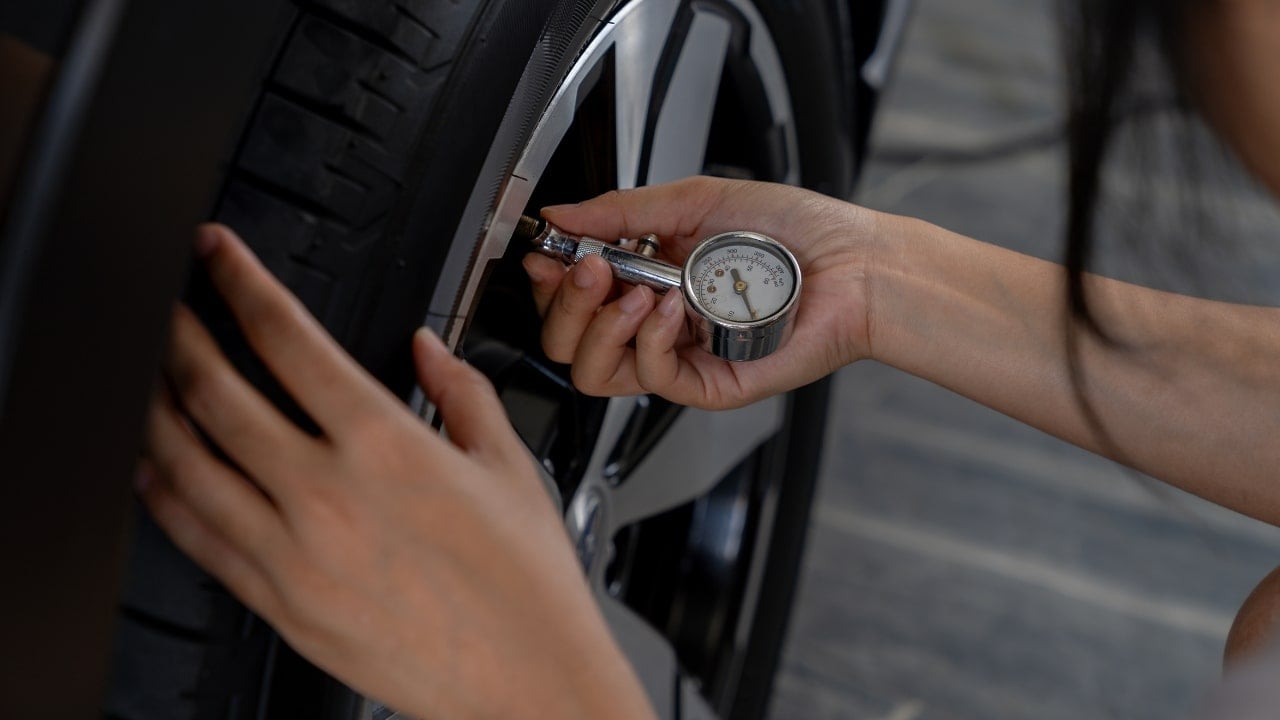
Tires lose about 1 PSI of pressure per month naturally, and they lose even more when temperatures drop (roughly 1 PSI for every 10-degree decrease). Most drivers never check their tire pressure unless the warning light comes on, which usually means you’re already 25% below the recommended pressure.
Under-inflated tires wear unevenly on the outer edges, reduce fuel efficiency by up to 3%, and make your car handle like it’s riding on marshmallows. Over-inflated tires aren’t any better — they wear down the center tread and give you a harsh ride. The right pressure for your car is listed on a sticker inside the driver’s door jamb, not on the tire sidewall (that number is the maximum pressure, not the recommended pressure).
A basic tire gauge costs about $10 and takes 30 seconds per tire to use monthly — that’s a pretty good return on investment.
Slamming on the Brakes Constantly

If you drive like you’re constantly surprised that the car in front of you exists, your brake pads are paying the price. Aggressive braking generates excessive heat that can warp rotors, glaze brake pads, and dramatically shorten the life of your entire braking system.
Smooth, gradual braking not only makes you a better driver but also spreads the heat more evenly and reduces wear. Looking ahead and anticipating stops helps you brake earlier and more gently, which can double the lifespan of your brake components. Normal brake pad replacement costs around $150 to $300 per axle, but if you’ve warped your rotors through aggressive braking, you’re adding another $200 to $400 to that bill.
Your passengers will appreciate the smoother ride too.
Overloading Your Vehicle Beyond Its Capacity

Your car has a maximum payload capacity listed in the owner’s manual, and exceeding it puts stress on everything from the suspension to the transmission. That cross-country move where you stuffed your sedan with boxes until the rear bumper was scraping the ground might have seemed fine at the time, but you were compressing springs, stressing shock absorbers, and making your brakes work overtime.
Even regular overloading—like contractors who constantly max out their truck beds — accelerates wear on suspension components that can cost $500 or more per corner to replace. Your tires also suffer under excess weight, wearing unevenly and overheating.
If you regularly need to haul heavy loads, consider whether you have the right vehicle for the job, or at least distribute weight properly and check your tire pressure before each trip.
Revving a Cold Engine

There’s something satisfying about a powerful engine roar, but doing it right after you start your car on a cold morning is terrible for engine longevity. When your engine is cold, oil hasn’t fully circulated yet and metal components haven’t expanded to their proper operating tolerances.
Revving hard in this state increases friction and wear exponentially compared to normal operation. Modern fuel injection systems don’t need any warm-up time to idle properly, but the engine oil still needs a minute or two to reach all the critical components. Let your car idle for 30 seconds to a minute in cold weather, then drive gently for the first few miles until the temperature gauge reaches its normal range. Your engine’s internal components — pistons, bearings, cylinder walls — will last significantly longer with this simple patience.
Save the spirited driving for when everything’s properly warmed up.
Resting Your Hand on the Gear Shifter
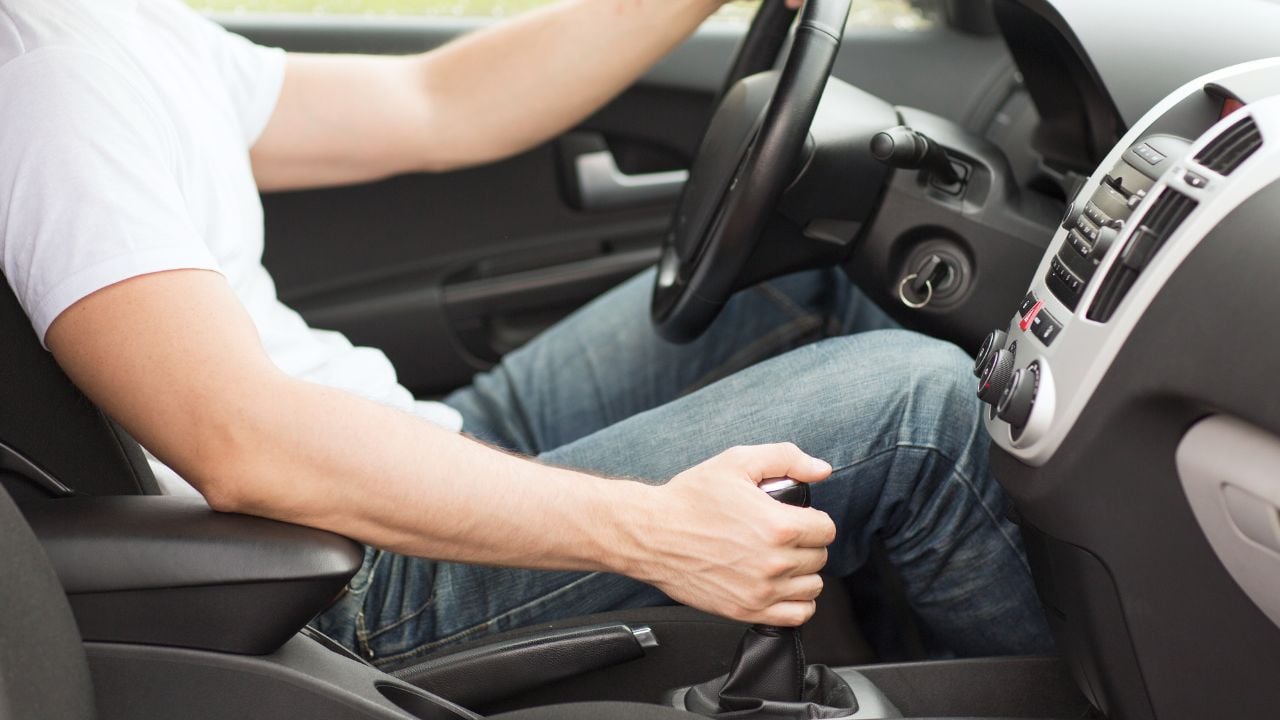
Manual transmission drivers often rest their hand on the shifter while cruising, and even automatic transmission drivers sometimes do this out of habit.
It might feel comfortable and give you a slight sense of control, but that weight is actually pressing down on the transmission’s selector fork and synchronizers. These components aren’t designed to handle constant pressure, and over time this can cause premature wear to the transmission’s internal mechanisms. The weight of your hand might only be a few pounds, but applied constantly over thousands of miles, it adds up.
Keep both hands on the wheel (10 and 2, or 9 and 3 for you modern drivers) except when you’re actually shifting. Your transmission is complex and expensive to repair, with costs often exceeding $3,000 — definitely worth keeping your hand on the wheel instead.
Using the Wrong Washing Technique

Dish soap might seem like an economical car wash solution, but it’s formulated to strip grease and oils — including the protective wax and sealants on your car’s paint.
Over time, this leaves your clear coat vulnerable to UV damage, oxidation, and environmental contaminants that can permanently damage the finish. Even worse is the classic bucket-and-sponge method that drags dirt particles across your paint, creating thousands of tiny scratches called swirl marks. Use automotive-specific soap with a pH-balanced formula, and consider the two-bucket method—one for soapy water, one for rinsing your wash mitt — to minimize scratches. A proper paint correction to remove swirl marks can cost $500 or more, while a bottle of quality car soap runs about $15.
Your car’s paint is the first line of defense against rust and corrosion, so treating it right means your car will look better and last longer.
Skipping Fluid Flushes According to Schedule

Most drivers are pretty good about oil changes, but they forget about all the other fluids circulating through their vehicles. Transmission fluid, coolant, brake fluid, and differential fluid all break down over time, losing their protective properties and becoming contaminated.
Old transmission fluid loses its ability to lubricate properly and can cause slipping, rough shifts, or complete transmission failure. Degraded coolant becomes acidic and can corrode your engine’s internal passages and the radiator. Brake fluid absorbs moisture over time, which lowers its boiling point and can lead to brake fade or internal corrosion. Your owner’s manual has specific intervals for each fluid, typically ranging from 30,000 to 100,000 miles depending on the fluid and driving conditions.
Yes, a full transmission flush might cost $200 to $300, but compare that to a $4,000 transmission replacement, and suddenly that preventive maintenance looks pretty smart.
The Long Game Pays Off
Taking care of a car isn’t rocket science, but it does require paying attention to the little things that most people brush off as unimportant. The mistakes we’ve covered here aren’t dramatic failures; they’re more like death by a thousand paper cuts.
Each one seems minor in isolation, but together they can subtract years from your vehicle’s life and add thousands to your repair bills. The good news is that awareness is half the battle, and most of these fixes cost you nothing but a slight change in habits.
Your car is a machine that responds to how you treat it, and a little preventive care goes a long way toward keeping it running smoothly well past 100,000 miles. Give your ride the respect it deserves, and it’ll return the favor by not leaving you stranded or broke.