
Every car owner knows that cars are a bit like pets: they require constant care, attention, and every now and then — unexpected visits to the vet. Whether you’re driving a sleek sports car, a reliable commuter, or a well-worn family vehicle, there are some repairs that, no matter the make or model, will eventually become necessary. And when they do, they often come with a hefty price tag.
We all hope our cars will run smoothly for years without issue. But in reality, as your vehicle ages, certain parts will wear out and need repair or replacement. Some of these repairs will make your wallet cry, but they’re a necessary evil if you want to keep your car running like a champ. From engine troubles to transmission issues, here’s a rundown of the 12 most expensive repairs you’ll likely face eventually.
Transmission Repairs or Replacement
Cost: $1,000 to $6,000
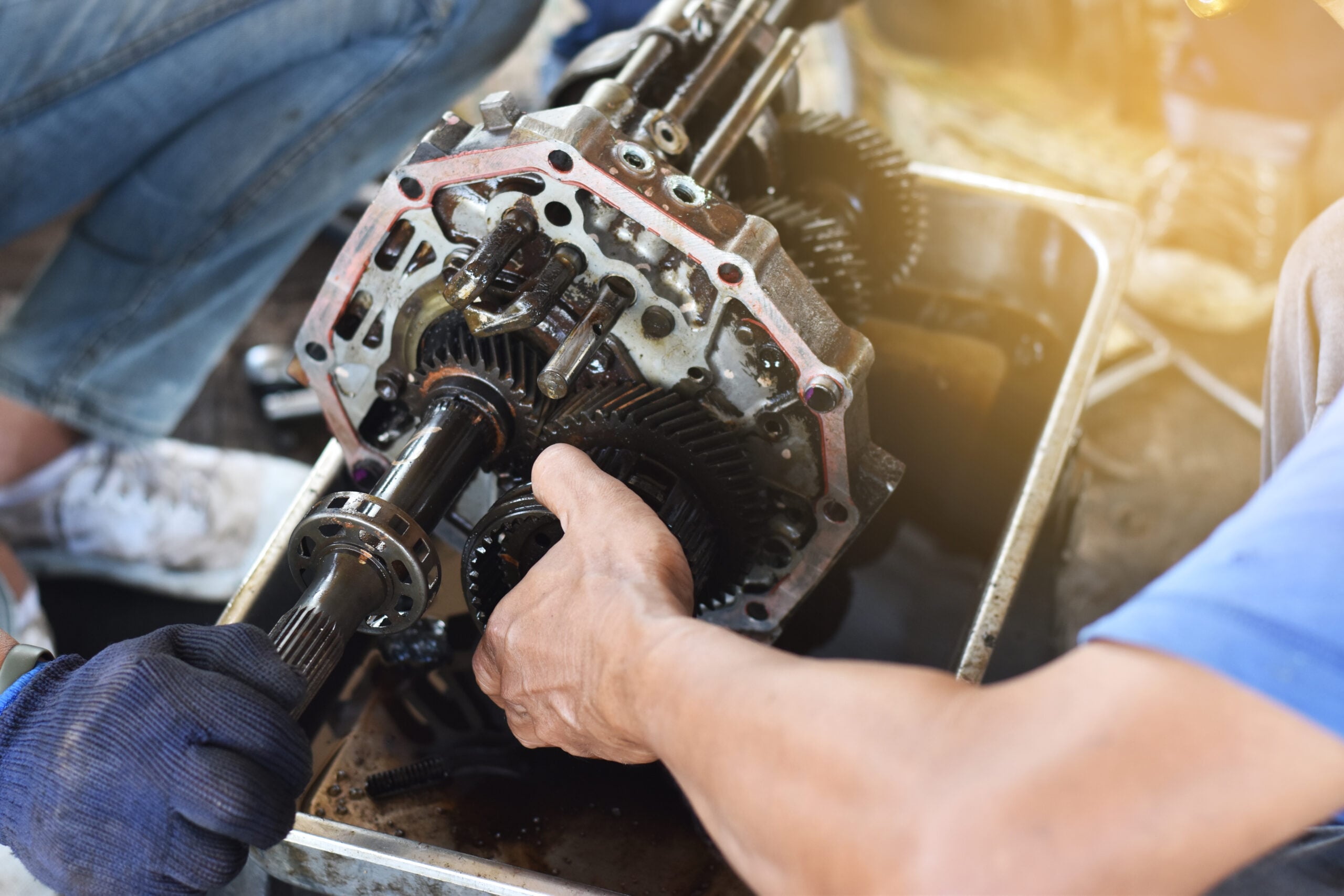
Let’s start with the big one — transmission issues. Whether it’s a manual or automatic, the transmission is the heart of your car’s ability to move. If it starts slipping, grinding, or failing to shift properly, you could be looking at some serious repairs. In extreme cases, a full replacement is the only option, and that can set you back thousands.
Pro tip: Regular fluid changes and careful driving can help extend its life.
Engine Overhaul

Cost: $2,500 to $7,500
The engine is essentially the brain of your car, and like any brain, it can occasionally go on the fritz. If you hear strange knocking sounds or notice your car losing power, it could be time to get an overhaul.
Rebuilding or replacing an engine is one of the most expensive repairs you can face, and let’s face it, no one wants to be dealing with engine trouble on the side of the road. Keeping your engine clean, changing the oil regularly, and not ignoring warning lights can help prevent an expensive meltdown.
Suspension System Repairs
Cost: $1,000 to $5,000
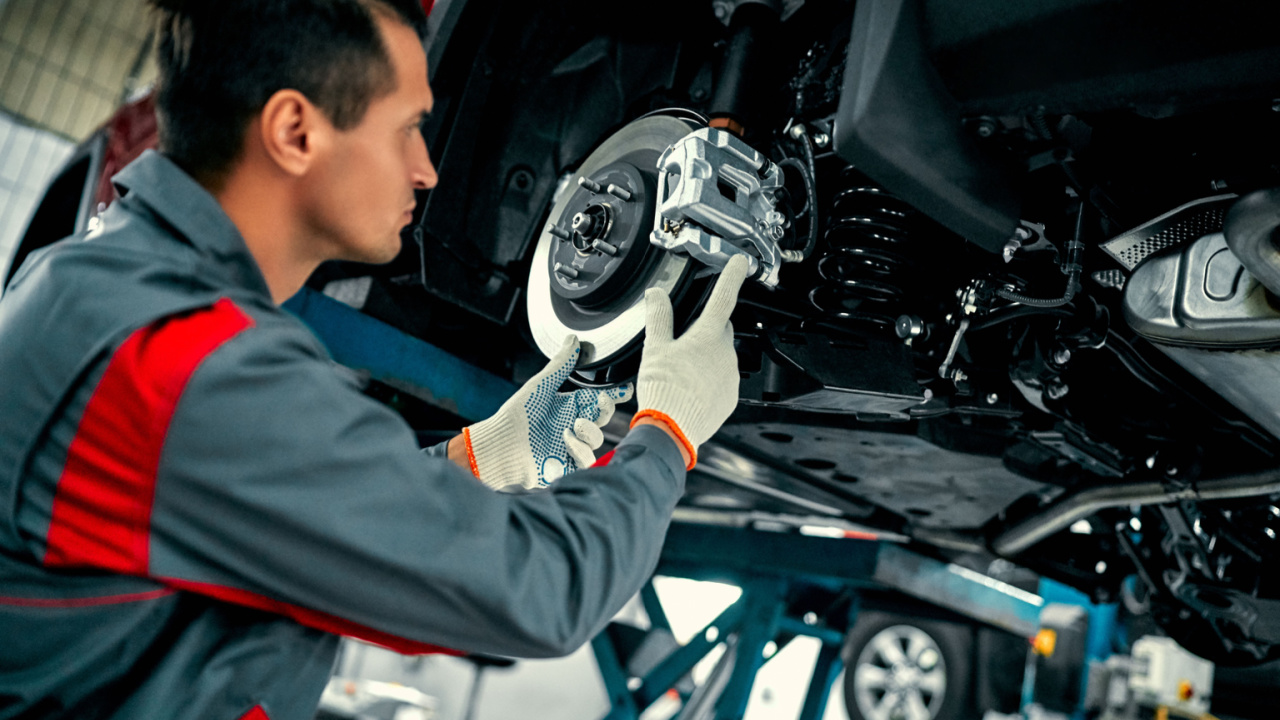
Ever felt like your car is bouncing around like a basketball on rough roads? That’s your suspension system saying “Help!” Whether it’s your shocks, struts, or springs, the suspension absorbs all the bumps and jolts in your drive.
Over time, these parts can wear out and need replacement, and unfortunately, it’s not a cheap fix. If you’re driving on rough roads frequently, be sure to have it checked regularly.
Timing Belt Replacement

Cost: $500 to $2,000
The timing belt keeps your engine’s camshaft and crankshaft in sync, which is pretty important. If it breaks, you’re looking at some serious engine damage.
Replacing the timing belt is often a scheduled maintenance task, and if you let it go too long, you could be staring down a costly repair bill. Get it checked according to your manufacturer’s recommendations, and avoid the “oops” moment.
Brake System Overhaul

Cost: $300 to $3,000
Brakes are crucial for safety, but they’re also one of the first things that wear out on your car. Whether it’s the pads, rotors, calipers, or master cylinder, the brake system is expensive to repair, especially if you need a full replacement.
A complete brake system overhaul isn’t as common as just changing the pads, but if your car is pulling to one side or the pedal feels soft, it’s time to get it checked out.
Air Conditioning System Failure

Cost: $1,000 to $4,000
The air conditioning system is like your car’s personal spa — without it, your driving experience can become pretty uncomfortable, especially in the summer. If your AC isn’t cooling like it used to, you might need a new compressor, condenser, or evaporator.
A complete replacement can cost a pretty penny, but let’s be real: when it’s hot outside, you’ll pay anything for that blast of cool air.
Fuel System Repairs

Cost: $500 to $3,000
A faulty fuel system means your car isn’t getting the fuel it needs to run efficiently. This could involve anything from a clogged fuel injector to a malfunctioning fuel pump.
Fuel system repairs are one of those things that can sneak up on you, especially if your car is losing fuel efficiency or experiencing power issues. Address it early to avoid costly repairs down the road.
Catalytic Converter Replacement

Cost: $1,000 to $2,500
If your car starts sounding like it’s got a serious case of the sniffles (and your check engine light comes on), you might be dealing with a failing catalytic converter.
This part is responsible for reducing harmful emissions, so if it’s damaged or clogged, you’re not only looking at a costly repair, but it can also impact your car’s ability to pass emissions tests.
Electrical System Failures

Cost: $500 to $2,000
Today’s vehicles have more electronics than a spaceship, and that means more potential for electrical issues. Whether it’s the alternator, battery, starter, or wiring, electrical system repairs can add up quickly.
If your car is having trouble starting or the lights are flickering, it’s time to have your electrical system checked. A little prevention can save you from being stranded with a dead battery and a broken alternator.
Power Steering Pump Replacement

Cost: $500 to $1,200
While steering might not be something you think about often, if your power steering pump starts acting up, it’ll quickly become your number one concern.
Symptoms like a stiff steering wheel or whining noises are red flags. If you let it go too long, the repair bill can start climbing. Keep an eye (or ear) out for any strange noises when turning.
Wheel Bearing Replacement

Cost: $500 to $1,500
If you’re hearing a constant hum or grinding noise while driving, especially when turning, it could be a worn-out wheel bearing. These little components allow the wheels to rotate smoothly, and once they’re damaged, your entire wheel could be at risk.
While it’s not the most glamorous repair, it’s definitely one of the most important for your safety.
Radiator Replacement

Cost: $600 to $1,500
A busted radiator means your car is in danger of overheating, which can lead to major engine problems. If you notice your temperature gauge creeping up or steam coming from under the hood, don’t wait — get it checked immediately.
A replacement radiator is often a necessary repair in older vehicles, and unfortunately, it doesn’t come cheap.
Conclusion: The Price of Owning a Car

While these repairs might sound like nightmares waiting to happen, the truth is, they’re just part of the aging process for your car. Regular maintenance, timely repairs, and proper care can go a long way toward keeping costs down and extending the life of your vehicle.
And even though car repairs can drain your wallet, nothing beats the satisfaction of driving a well-maintained ride — whether you’re cruising down the highway or just picking up groceries. So, keep that engine purring, your tires properly inflated, and remember: Every car repair is just another opportunity to learn more about the intricate machine that gets you from point A to point B.
And, hey, it’s kind of like a bonding experience, right? (Just make sure you’re not being overcharged!)