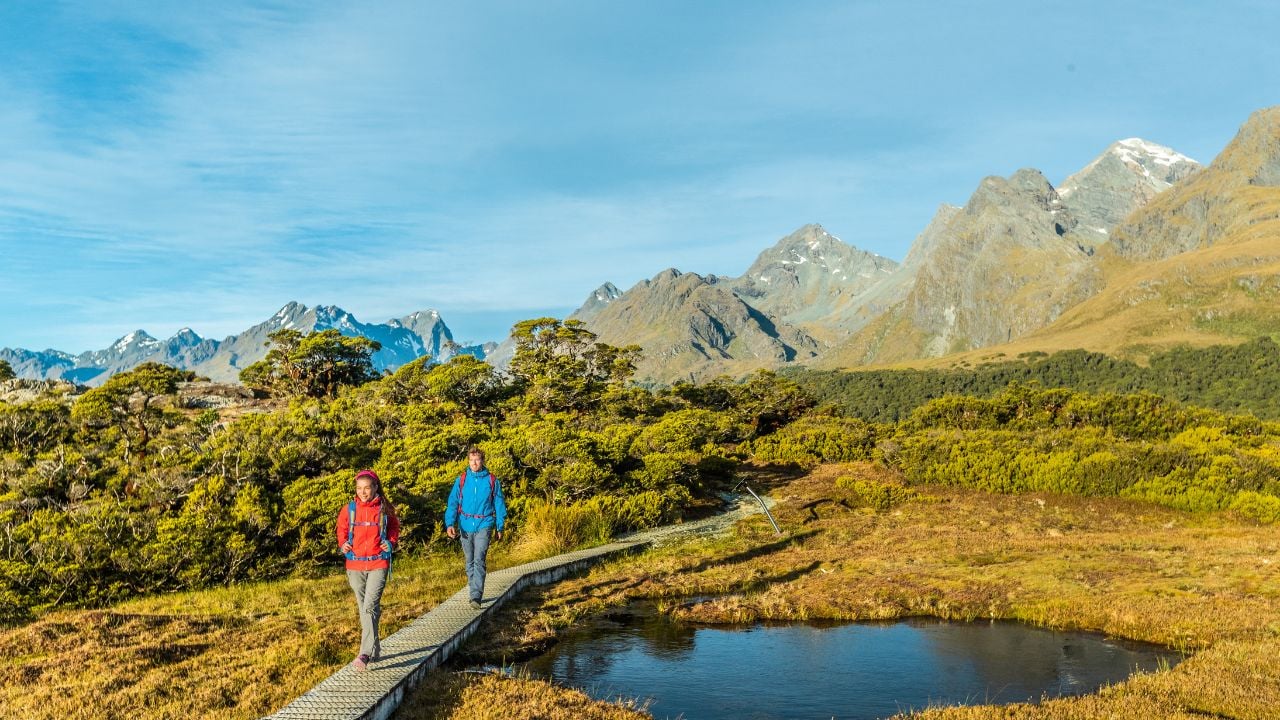
Some dream trips used to feel simple: pick a hotel, book a flight, and let the destination carry the rest. In 2026, that casual approach is harder in places where visitor numbers, conservation rules, lodging taxes, transport limits, and local pressure have changed the trip.
The view may be worth the effort, but the planning starts earlier now. A temple district, canal city, island chain, mountain kingdom, or scenic road can look effortless online while requiring fees, paperwork, reservations, or stricter behavior after arrival.
Travelers do not need to avoid these places. They need to budget beyond the headline price, read the official visitor pages, and build more time into the schedule before booking the trip around one famous image.
These five destinations remain memorable, but the easiest version belongs to travelers who understand the rules before they land.
1. Kyoto, Japan

Kyoto has temples, gardens, shrines, tea houses, old streets, and seasonal scenery that belong on a classic Japan itinerary. The cost of staying there needs closer attention in 2026.
Kyoto’s official tourism site says revised accommodation-tax rates took effect from the beginning of March 2026. The tax ranges from ¥200 per person per night for stays under ¥6,000 to ¥10,000 per person per night for stays of ¥100,000 or more.
Those nightly charges can change the real cost of a multi-night stay, especially for families, couples, and travelers booking upscale properties. A hotel rate that looks manageable at first may feel different once the per-person tax is added for several nights.
The crowd issue also needs planning. Gion, Kiyomizu-dera, Arashiyama, Fushimi Inari, and Nishiki Market can be crowded during the same hours visitors want photos. A stronger itinerary pairs one famous sight with a smaller temple, garden, shopping street, or meal away from the busiest route.
2. Amsterdam, Netherlands
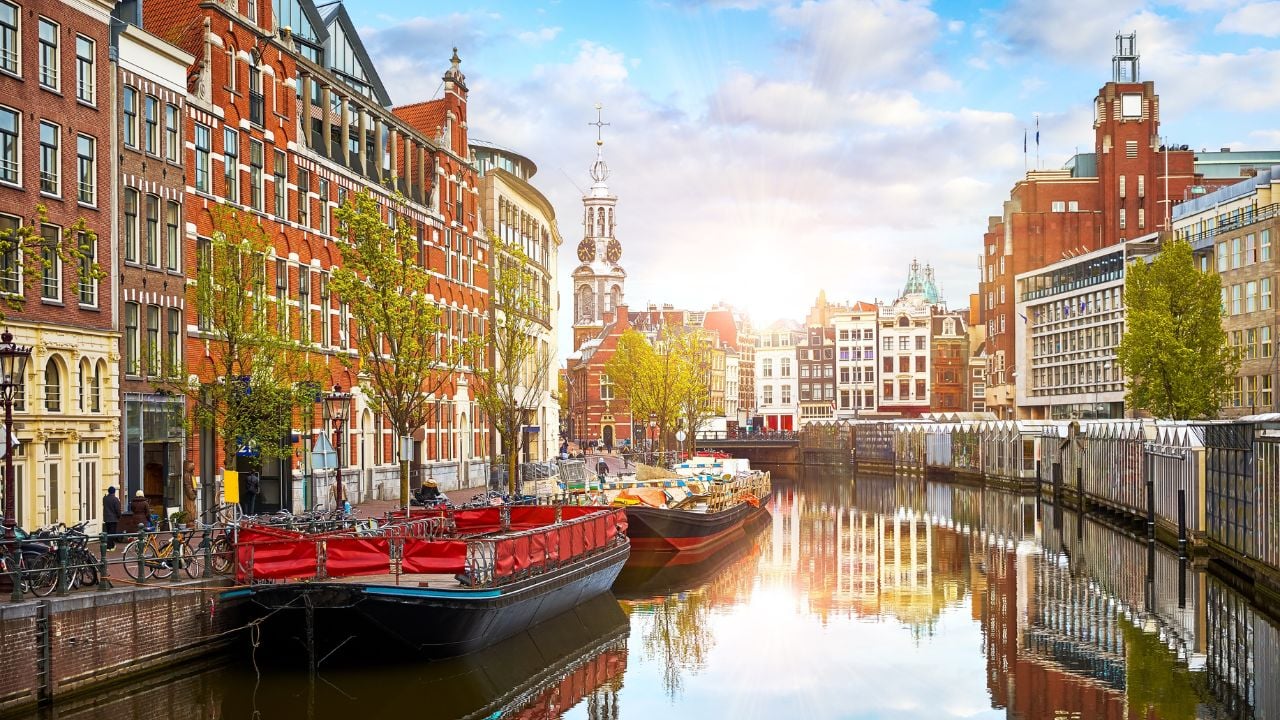
Amsterdam looks simple on a map. Canals, museums, bike lanes, cafés, and walkable neighborhoods sit close together in a compact city center.
The hotel bill can look different from the search result. The City of Amsterdam lists a tourist tax of 12.5% of the overnight price, excluding VAT, plus a €15 day tourist tax per cruise passenger.
Travelers comparing hotel rates should check whether local taxes are included before booking. The extra charge can make a short stay or cruise stop more expensive than expected.
Crowds can also change the mood quickly. Around the Anne Frank House, Dam Square, canal boat docks, museum entrances, and the Red Light District, narrow streets fill with bikes, trams, tour groups, and ticket lines. Booking major museums early and staying outside the busiest core can make the city easier to navigate.
3. Galápagos Islands, Ecuador

The Galápagos Islands offer sea lions, marine iguanas, volcanic shores, clear water, and wildlife encounters that are difficult to match. The entry cost and park rules are part of the trip from the start.
The Galápagos Government Council lists the national park entrance fee for international visitors over 12 at US$200 and for international visitors under 12 at US$100. The same official page says the fee helps finance conservation, protected-area management, and sustainable development on the populated islands.
Travelers should also plan for the Transit Control Card before reaching the islands. Galápagos Conservancy’s planning guidance says visitors must obtain a mandatory US$20 tourist transit card and pay the park entrance fee upon arrival.
Wildlife viewing has strict rules. Galápagos Conservancy’s park rules say visitors in protected areas must be accompanied by an authorized naturalist guide, use authorized operators, stay on marked trails, and keep at least six feet, or two meters, from wildlife.
Visitors should not expect free wandering through protected sites or close-up animal photos on demand. The islands are protected through guide requirements, marked routes, operator rules, and wildlife-distance limits.
4. Bhutan
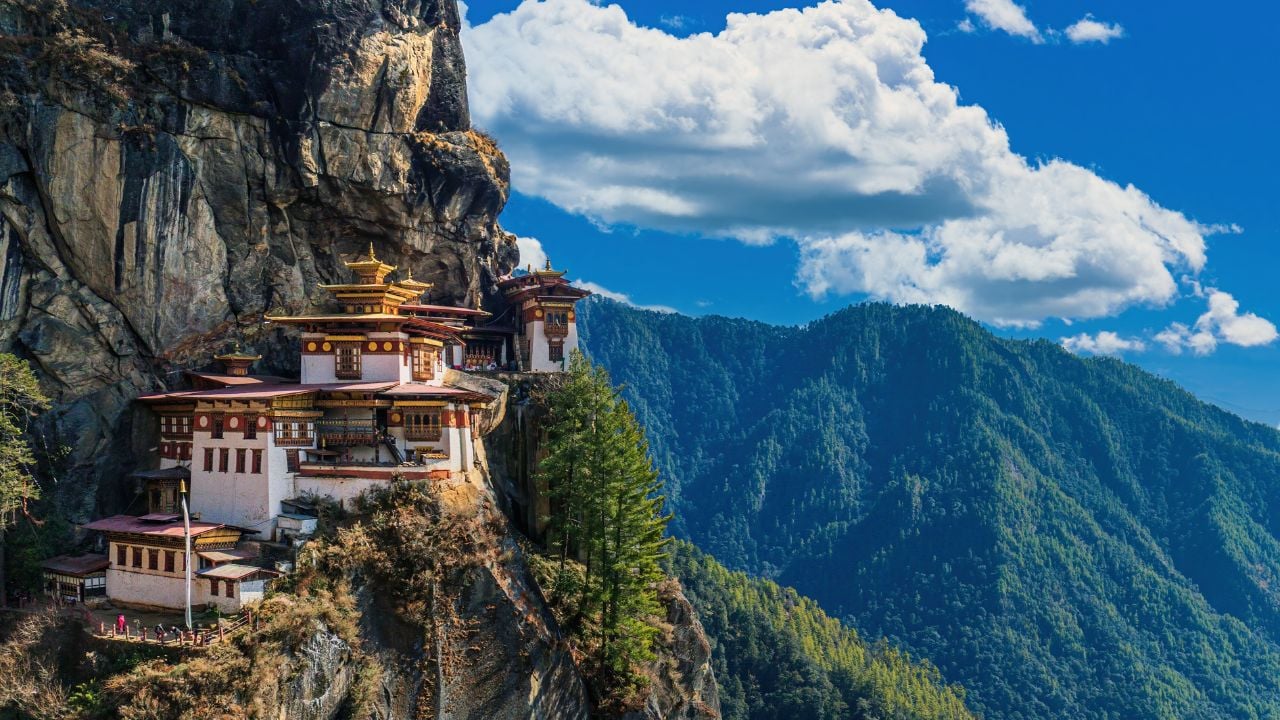
Bhutan attracts travelers with monasteries, mountain scenery, quiet valleys, and a tourism model built around controlled visitor impact. The daily cost needs to be understood before the trip moves beyond the dream stage.
Bhutan’s official visa guidance says most visitors must pay the Sustainable Development Fee as part of the visa process. The current SDF is US$100 per day for most adult visitors, with concessionary rates for children.
Indian visitors have a separate regional rate. Bhutan’s official tourism FAQ lists the current Sustainable Development Fee for Indian visitors as INR 1,200 per person per night. Children aged five and under are exempt, while children under 18 receive a 50% concession according to the same FAQ.
The fee does not include the rest of the trip. Hotels, meals, guides, transport, monument fees, and the visa application fee can all add to the final cost. Bhutan is best planned with the full daily structure in mind, not as a last-minute mountain escape.
5. Milford Sound and Fiordland, New Zealand
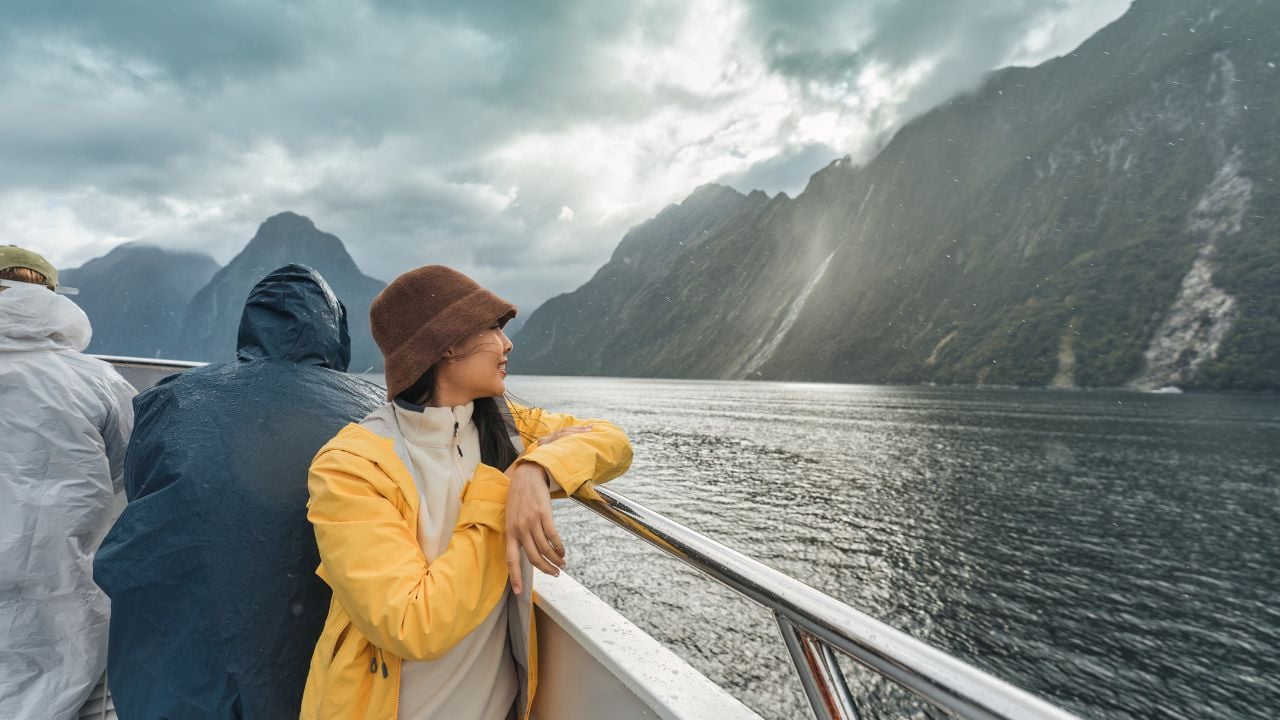
Milford Sound Piopiotahi has cliffs, waterfalls, rainforest, boat cruises, and dramatic weather that can make the fiord look unreal in photos. Reaching it takes more planning than the image suggests.
New Zealand’s government says most short-term international visitors must pay the NZD$100 International Visitor Conservation and Tourism Levy when applying for a visa or NZeTA. The levy is charged to most international visitors and supports tourism and conservation systems.
The road itself needs preparation. Waka Kotahi NZ Transport Agency says Milford Road is the only road access to Milford Sound Piopiotahi. The Department of Conservation’s driver guidance says the remote road is especially busy in the summer season from October to April, when drivers share it with cars, buses, campervans, and minibuses.
Travelers should check road status before leaving Te Anau or Queenstown and avoid building the day around a tight cruise connection. Weather, traffic, tour buses, narrow sections, parking, and long drive times can make a spontaneous day trip exhausting.
A smoother Milford visit starts with a realistic schedule, a road check, booked cruise or tour times, and enough buffer for stops along the way. The scenery can be exceptional, but the logistics need space.