The Nissan 350Z still works as a useful sports-car benchmark. It has the proportions, rear-drive layout, naturally aspirated V6, and manual-era character that made it one of the most memorable Japanese performance cars of the 2000s.
That makes Hyundai’s performance rise more interesting. The brand moved from sensible value cars into a lineup history that now includes fast EVs, serious N models, quick sport sedans, and small crossovers that can outrun older sports cars in a straight line.
For this comparison, the line is simple. Car and Driver tested the 2003 Nissan 350Z at 5.4 seconds from 0 to 60 mph, so every Hyundai here had to beat that figure through credible instrumented testing or official performance data.
The list includes current Hyundai models and recent discontinued standouts. It is not a 2026 showroom list; it is a look at how many Hyundai-badged vehicles have already moved past a respected 2000s sports-car acceleration benchmark.
The Speed Standard Behind This List
This selection uses 0-to-60 mph acceleration as the main measure because it creates a clean comparison. The Nissan 350Z benchmark is Car and Driver’s 5.4-second test result.
Each Hyundai model chosen here needed a verified or strongly supported acceleration figure below that number. Genesis models were left outside the list so the comparison stays focused on Hyundai-branded vehicles.
Current vehicles, recent discontinued models, and recent U.S.-market models all qualified when the data supported the claim. The point is not that every car here is a better sports car than a 350Z; it is that Hyundai’s performance reach now covers several vehicle types that can beat the old benchmark in a straight line.
Hyundai Ioniq 5 N
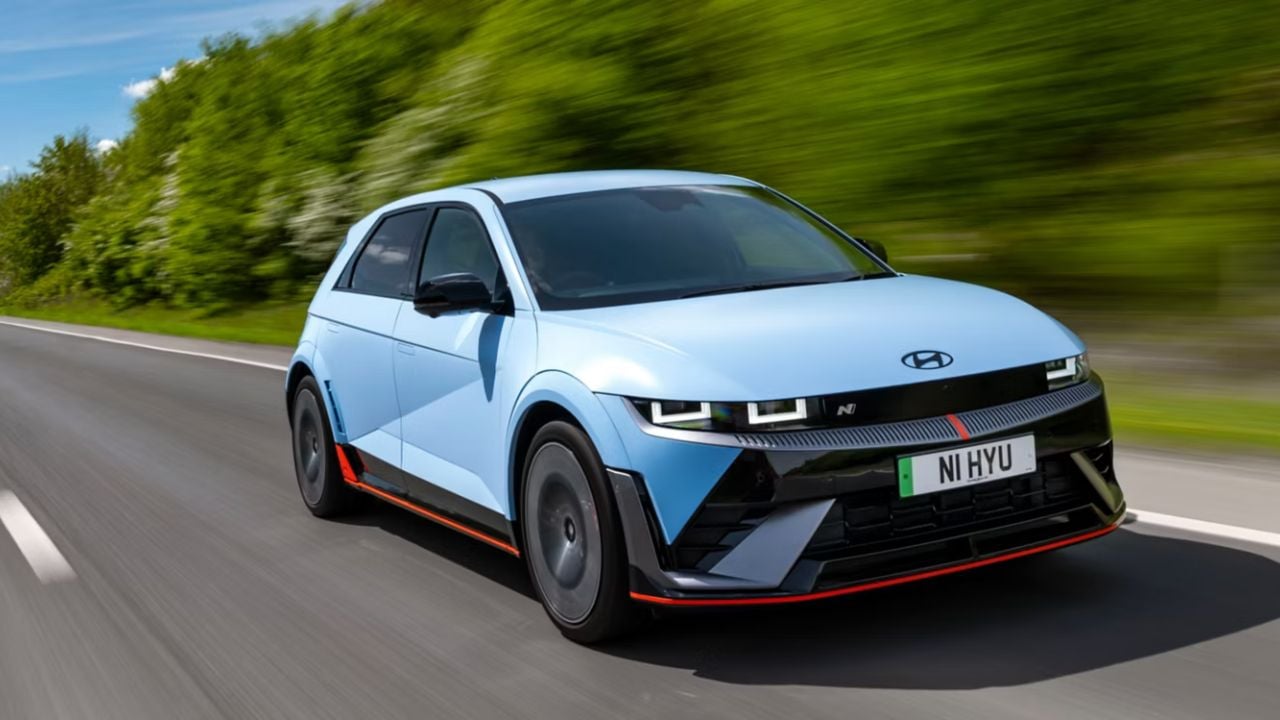
The Hyundai Ioniq 5 N is the clearest sign that Hyundai performance has entered a new era. Car and Driver recorded a 3.0-second 0-to-60 mph run, making it far quicker than the 350Z benchmark.
That number comes from a dual-motor all-wheel-drive EV setup rated at up to 641 hp with N Grin Boost. The Ioniq 5 N is not only quick because it has electric torque; Hyundai also added N-specific cooling, performance drive modes, chassis tuning, and software features built for hard driving.
Its most important performance tech includes N e-Shift, which simulates gear changes, and N Active Sound+, which gives the driver more feedback than a typical quiet EV. Those features are artificial by design, but they help explain why the Ioniq 5 N feels different from a standard fast electric crossover.
Against the 350Z, the Ioniq 5 N shows how much the definition of performance has changed. It is larger, heavier, electric, and family-usable, yet it reaches 60 mph more than two seconds quicker.
Hyundai Ioniq 6 N
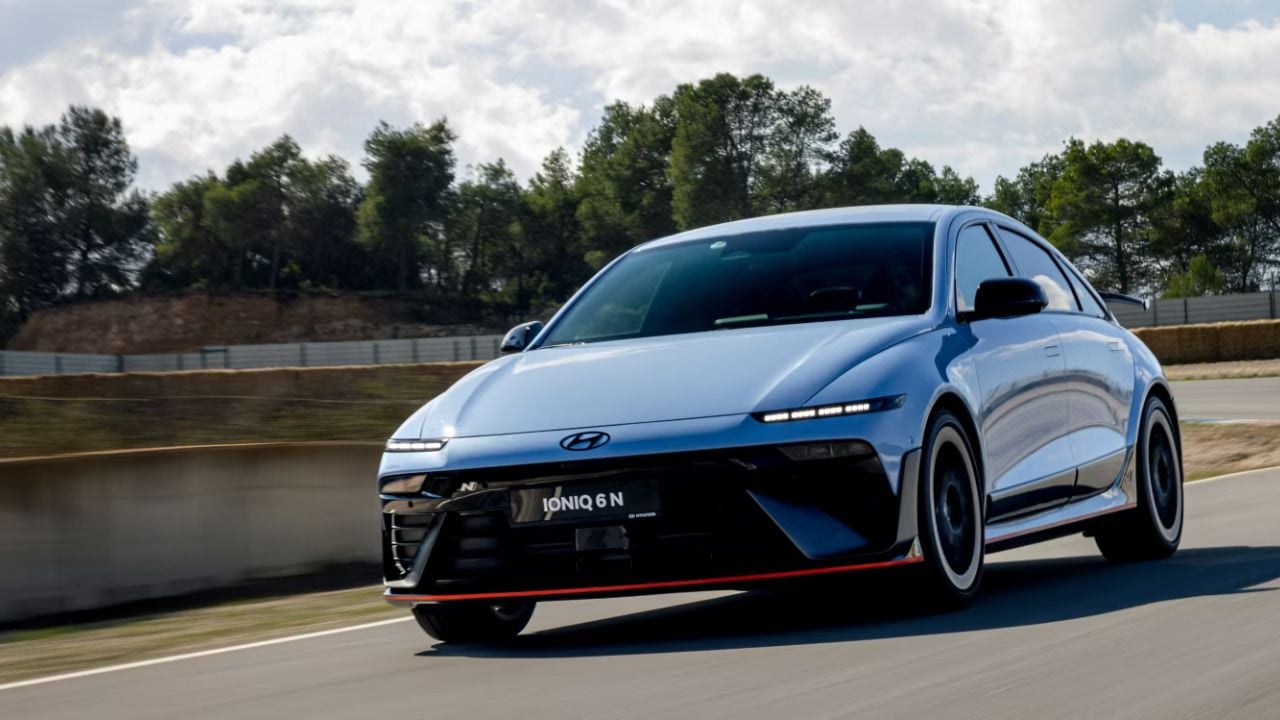
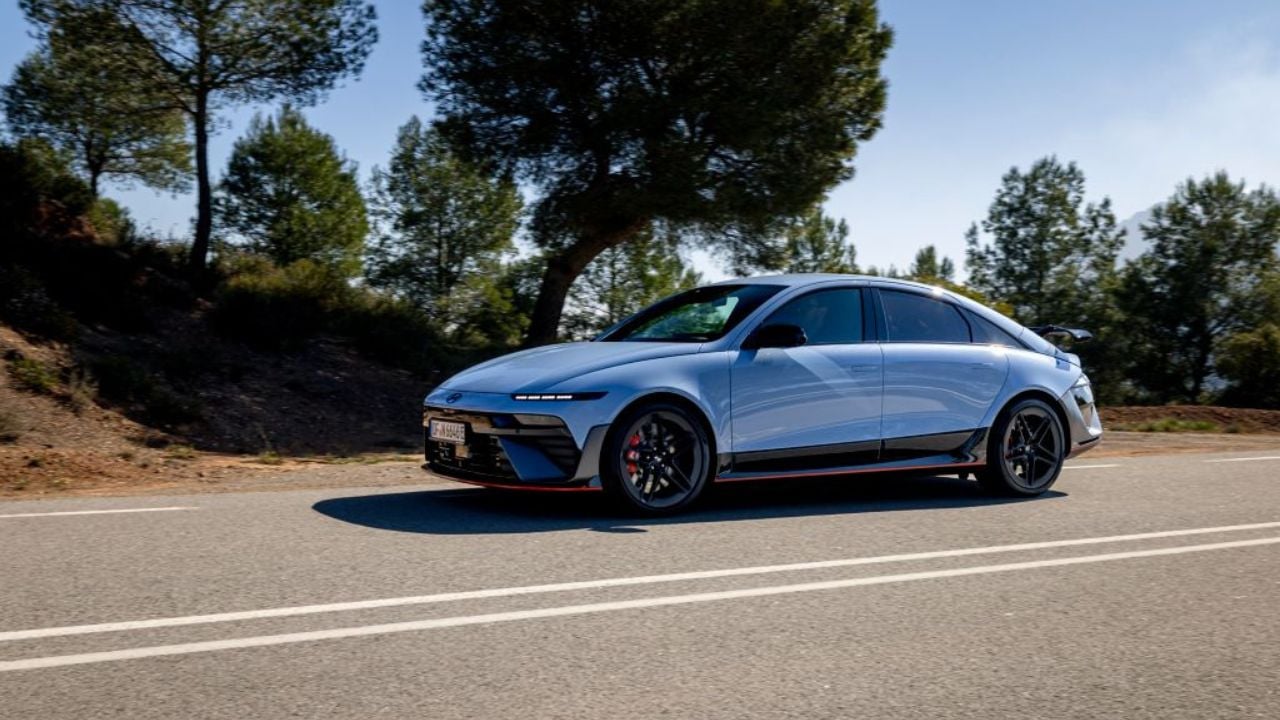
The Hyundai Ioniq 6 N takes Hyundai’s electric N formula and puts it into a lower sedan body. Hyundai says the Ioniq 6 N produces up to 641 hp and 568 lb-ft of torque with N Grin Boost.
Hyundai also estimates a 0-to-60 mph time of approximately 3.2 seconds with N Launch Control. That places the Ioniq 6 N comfortably ahead of the 350Z while giving Hyundai a new performance EV sedan flagship.
The technology story is just as important as the number. The Ioniq 6 N uses N Launch Control, N Grin Boost, N e-Shift, chassis tuning, and an aerodynamic sedan shape to create a more focused alternative to the Ioniq 5 N.
It belongs here because it shows Hyundai is no longer treating electric speed as a novelty. The Ioniq 6 N is positioned as a dedicated performance sedan, not just a regular EV with more power.
Hyundai Ioniq 6
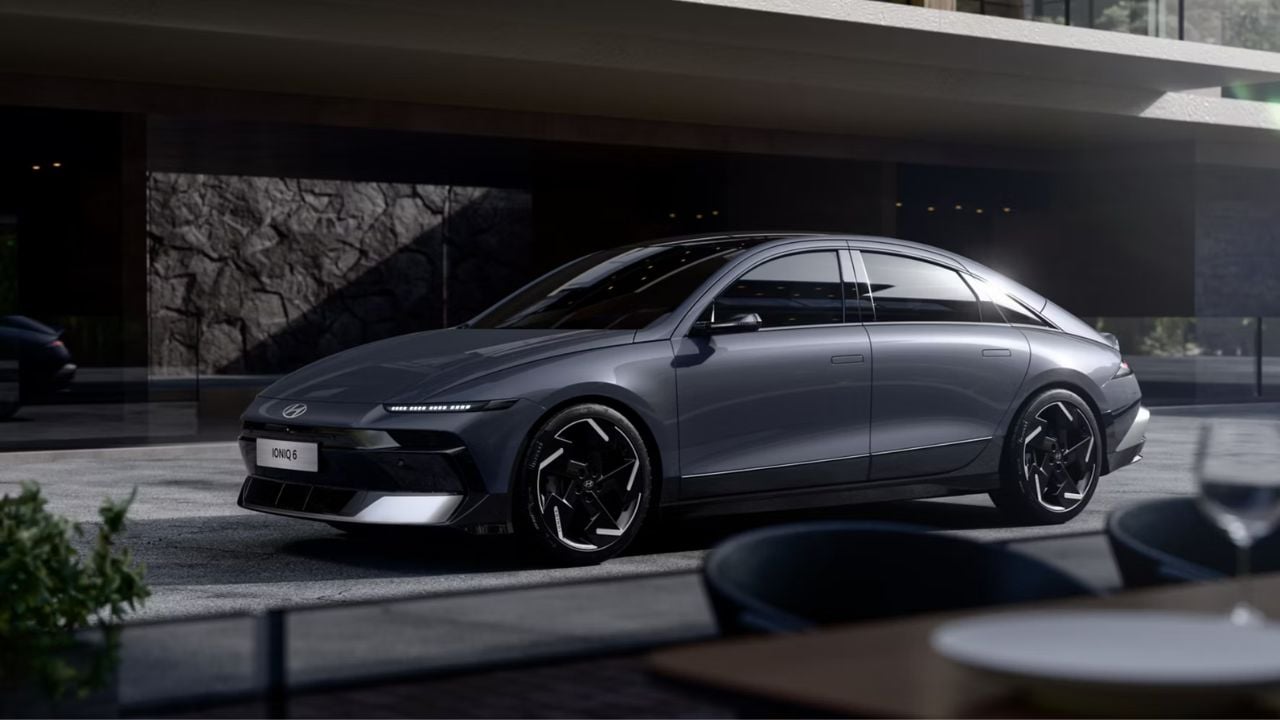
The standard Hyundai Ioniq 6 belongs here as a recent U.S.-market model rather than a 2026 offering. Hyundai announced that the regular Ioniq 6 has been discontinued in the U.S., with the all-new Ioniq 6 N carrying the nameplate forward.
In AWD Long Range form, Car and Driver tested the Ioniq 6 at 4.3 seconds from 0 to 60 mph. That puts it more than a full second ahead of the 2003 350Z benchmark.
The Ioniq 6 is important to this comparison because it was not sold as an N car. It was a streamlined electric sedan built around efficiency, range, and daily usability, yet the dual-motor AWD version still delivered sports-car-level acceleration.
That is the modern EV advantage in simple form. A car designed for quiet commuting and long-range efficiency can still beat an older rear-drive sports car in a straight-line test.
Hyundai Ioniq 5
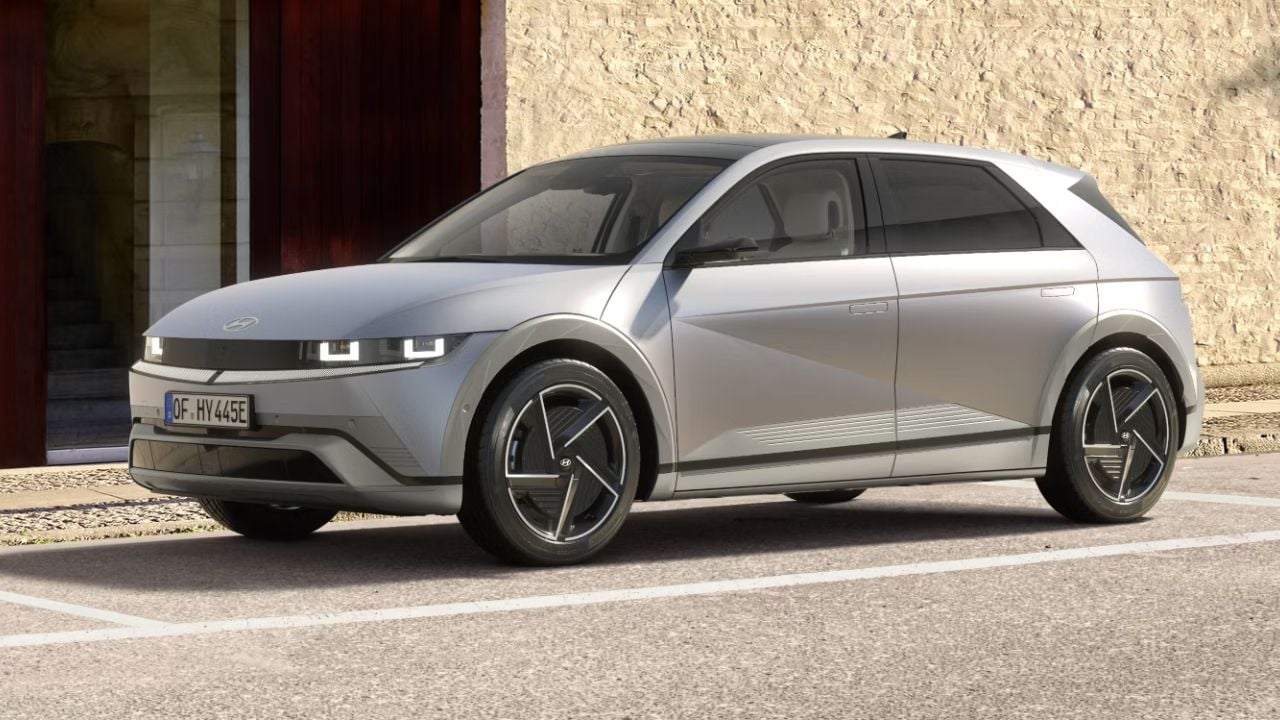
The regular Hyundai Ioniq 5 also earns a place in dual-motor AWD form. Car and Driver recorded a 4.4-second 0-to-60 mph time from a long-term Ioniq 5 SEL AWD.
That result is comfortably quicker than the 350Z’s 5.4-second benchmark. It is also important because the Ioniq 5 is not sold primarily as a performance model.
The Ioniq 5 combines family EV packaging with strong dual-motor acceleration. It has a roomy cabin, useful cargo space, fast-charging capability, and a relaxed daily-driving character.
Its role in this list is simple: it shows how ordinary EV packaging can now deliver acceleration that used to require a dedicated sports car. The performance is not theatrical, but the stopwatch does not care.
Hyundai Elantra N
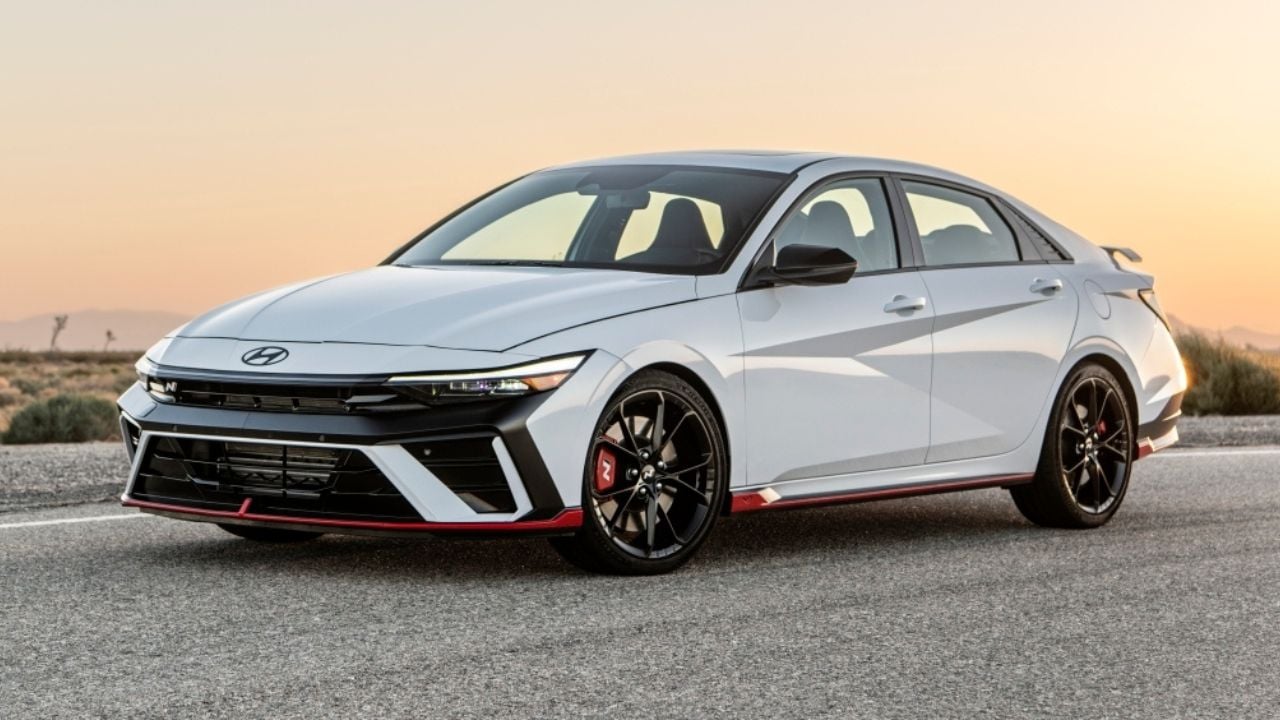
The Hyundai Elantra N gives this list its strongest gasoline-powered sedan argument. Car and Driver lists the automatic-equipped Elantra N at 4.8 seconds from 0 to 60 mph.
The transmission caveat matters. Car and Driver lists the manual Elantra N at 6.1 seconds, so the dual-clutch automatic is the version that beats the Nissan benchmark.
The Elantra N uses a turbocharged 2.0-liter engine, front-wheel drive, an aggressive chassis tune, quick-shifting DCT logic, and N-specific hardware to become much more than a normal compact sedan.
It belongs here because it combines real acceleration with daily usability. Four doors, a usable trunk, strong value, and track-capable tuning make the Elantra N one of Hyundai’s most complete gasoline performance cars.
Hyundai Veloster N
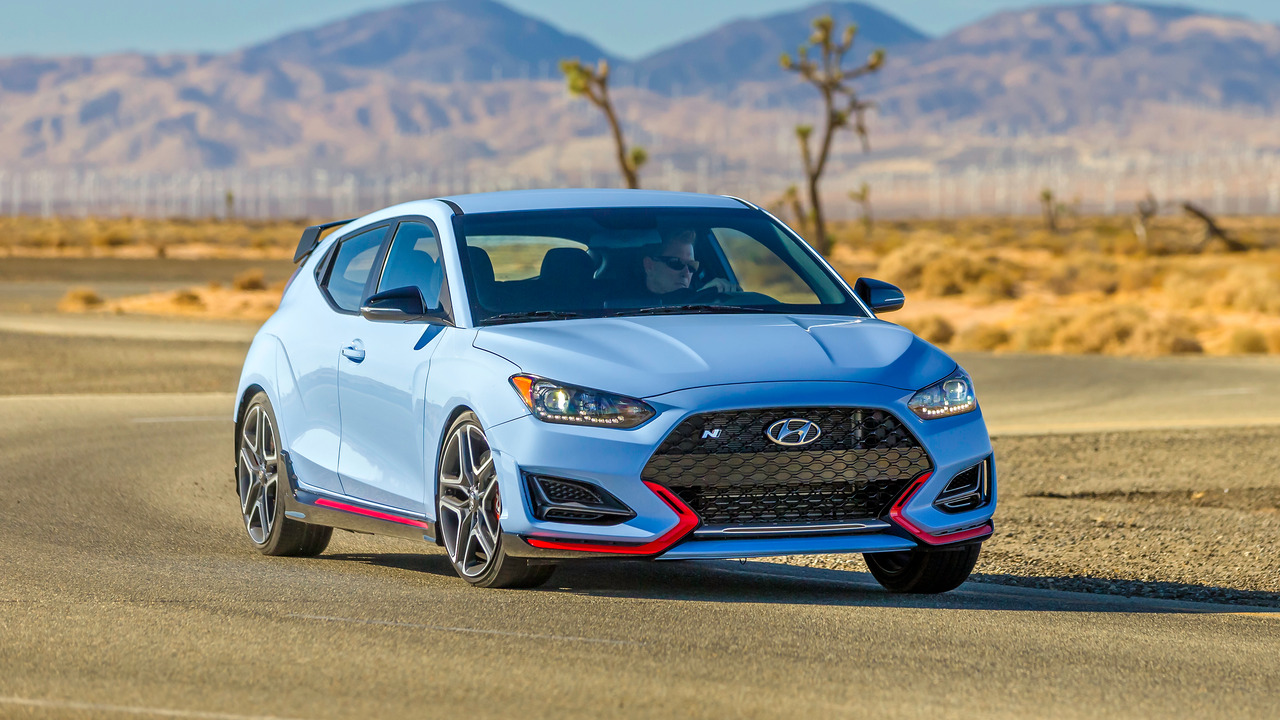
The Hyundai Veloster N belongs here as a recent discontinued N model that helped establish Hyundai’s performance credibility. Car and Driver tested the 2021 Veloster N with the eight-speed dual-clutch automatic at 4.8 seconds from 0 to 60 mph.
That DCT result gives it a clear edge over the 350Z benchmark. Manual Veloster N tests were slower, so the transmission matters in this comparison.
The Veloster N used a turbocharged 2.0-liter engine, compact dimensions, front-wheel drive, and an unusual three-door body. It did not follow the traditional rear-drive sports-car formula, but it gave Hyundai a serious enthusiast product at a relatively attainable price.
Its place in this article comes from what it proved. Before Hyundai’s fastest EVs arrived, the Veloster N showed that the N badge could deliver real speed, track-day toughness, and a distinct personality.
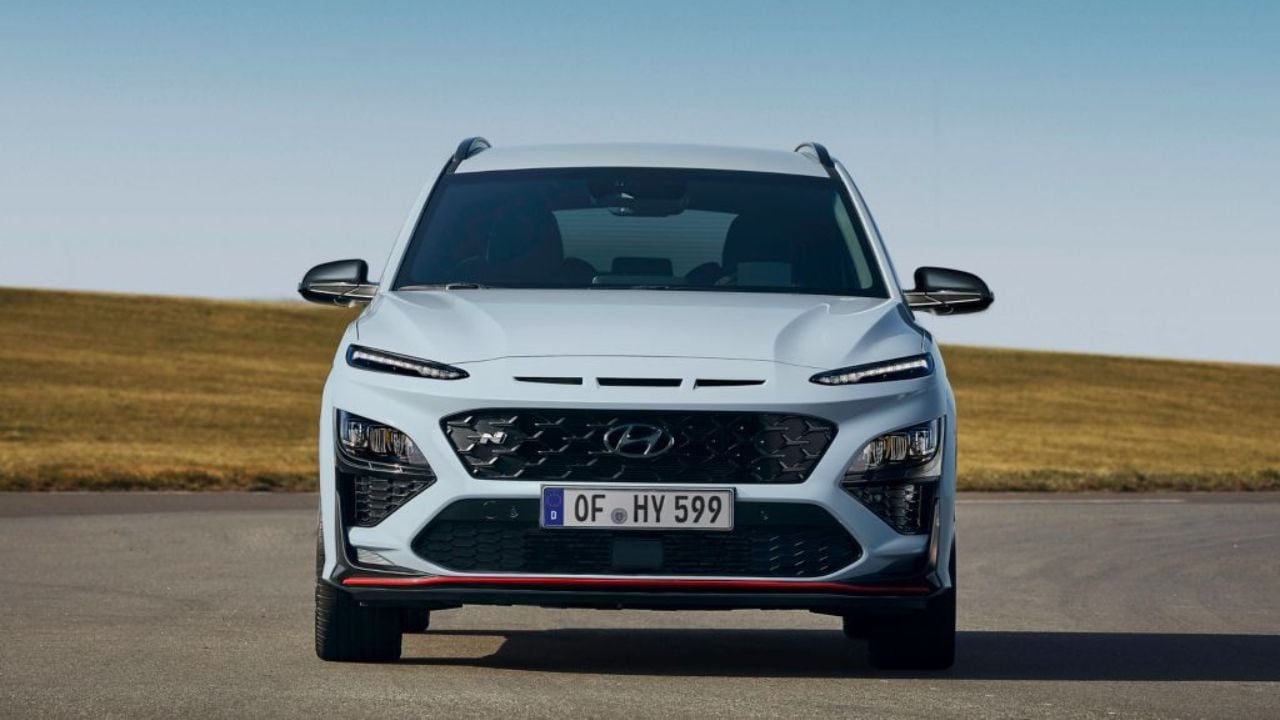
Hyundai Kona N
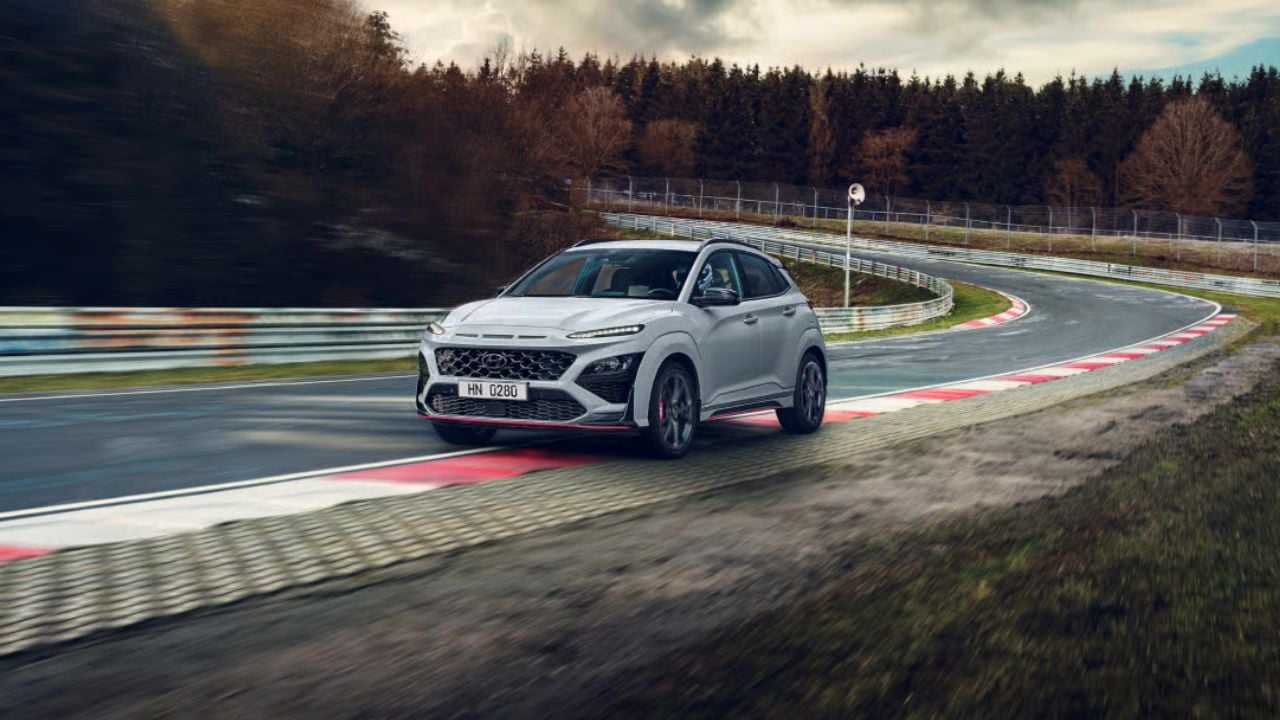
The Hyundai Kona N is the unexpected entry in this comparison. It is also a recent discontinued N model, not a current 2026 U.S. vehicle.
Car and Driver tested the Kona N at 4.8 seconds from 0 to 60 mph. That makes it as quick as the automatic Elantra N and DCT Veloster N in this comparison, and much quicker than the 350Z benchmark.
The Kona N used a turbocharged 2.0-liter engine, an eight-speed DCT, front-wheel drive, firm body control, and N tuning in a small crossover body. That combination made it quicker than its practical shape suggested.
It belongs here because it shows how far Hyundai pushed the N idea beyond normal enthusiast categories. The brand managed to put credible straight-line speed and performance character into a vehicle type people usually choose for convenience.
What This Comparison Really Shows

The Nissan 350Z still deserves respect. It represents a type of sports car buyers continue to admire: simple proportions, naturally aspirated V6 power, rear-drive balance, and a clear connection to the Z-car lineage.
Hyundai’s quicker models show how much performance has expanded. Speed now appears in electric sedans, family-sized EVs, compact sport sedans, hot hatches, and small crossovers.
The comparison is not saying that every Hyundai here delivers the same driving experience as a 350Z. A rear-drive sports coupe still offers steering feel, balance, and driver involvement that many quicker vehicles cannot copy.
The point is that Hyundai now has multiple cars that beat the 350Z’s tested acceleration benchmark. That would have sounded unlikely in the 2000s, and it shows how far the brand’s performance credibility has moved.